
Key Takeaways
- Martinique offers a mix of pristine beaches, rainforest trails and vibrant Creole culture.
- Fort‑de‑France provides historic sites, markets and lively nightlife.
- Local cuisine blends French technique with Caribbean flavors – don’t miss the seafood.
- Practical tips on transport, language and safety make planning easy.
When you type “Things to do in martinique” into a search engine, you’re looking for a blend of sun, sea, culture and cuisine. This Caribbean island, an overseas department of France, delivers all of that and more. From turquoise bays to volcanic peaks, from Creole rhythms to French patisseries, there is a surprising variety of experiences waiting for the curious traveler.
Our guide walks you through the highlights, practical advice and hidden gems that make a trip to Martinique unforgettable. Whether you are planning a family vacation, a romantic getaway or a solo adventure, you will find concrete suggestions that fit a range of budgets and interests.
Exploring Fort‑de‑France
Historic Heart of the Island
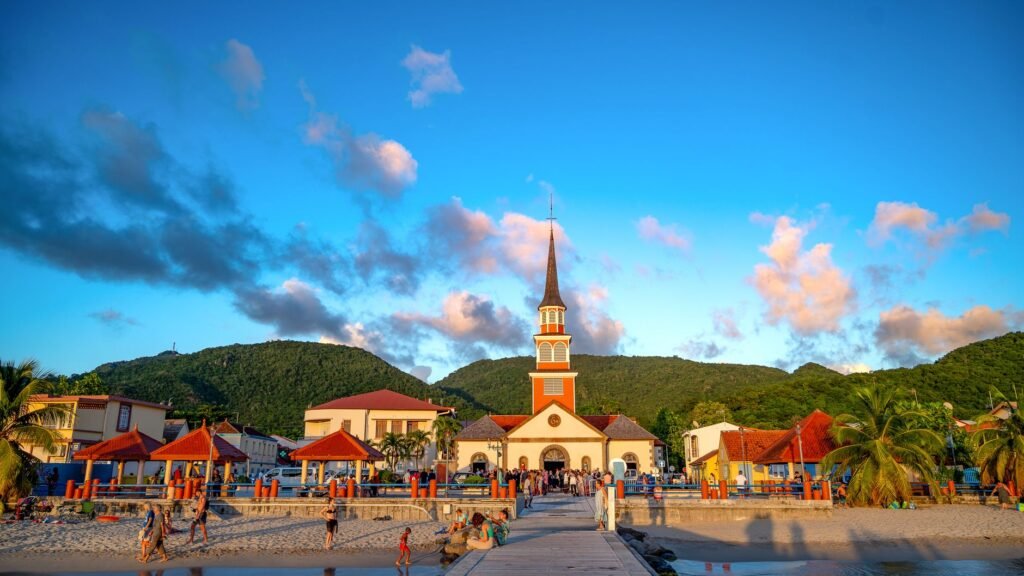
Fort‑de‑France is the capital and the cultural hub of Martinique. The city’s French colonial grid is punctuated by pastel‑colored buildings, bustling markets and grand boulevards. Start at Place d’Armes, where the impressive Saint‑Louis Cathedral rises above the square. The cathedral’s interior blends Gothic arches with Caribbean woodwork, offering a quiet moment amid the city’s energy.
Just a short walk away, the Schoelcher Library stands as a tribute to the abolitionist Victor Schoelcher. Its striking dome and marble façade house a collection of Caribbean literature and historical documents. Guided tours are often available, giving insight into the island’s complex past.
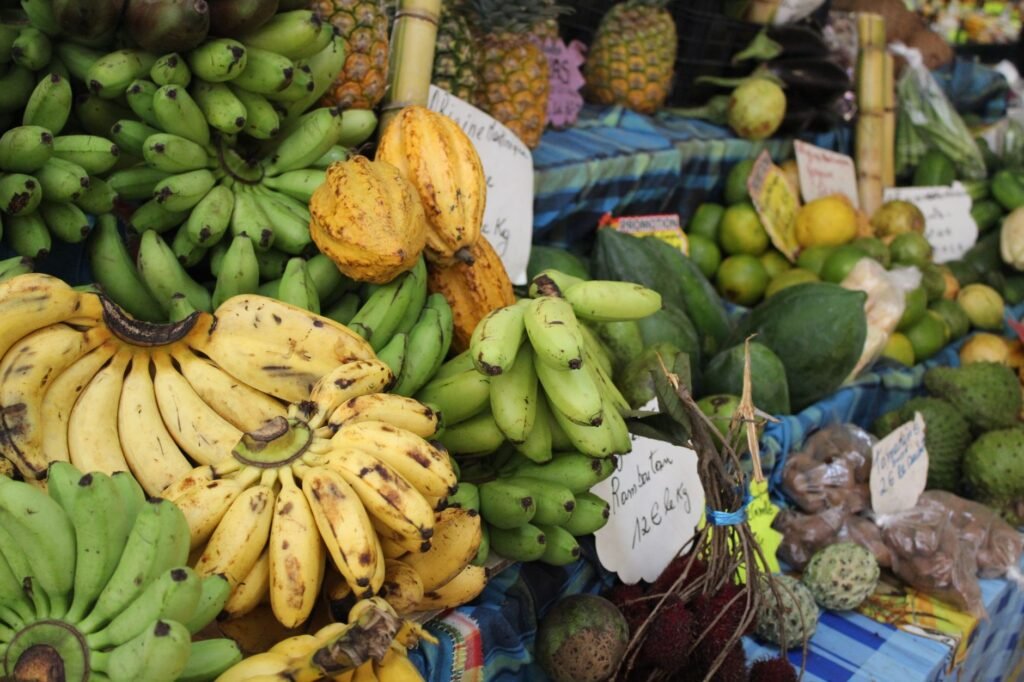
The bustling Grand Marché de Fort‑de‑France is a sensory delight. Vendors sell fresh tropical fruits, spices, handcrafted jewelry and local rum. Spend an hour wandering the stalls, sampling mango slices or a small glass of rhum agricole. The market is also a great place to pick up souvenirs that reflect authentic Creole craftsmanship.
Nightlife and Entertainment
When the sun sets, Fort‑de‑France transforms. The waterfront promenade, La Pointe du Bout, offers a string of bars and restaurants with live music ranging from zouk to jazz. For a more relaxed evening, head to a sidewalk café in the Rue de la République and watch the world go by with a coffee or a glass of local wine.
For a deeper dive into Martinique’s musical heritage, check the schedule at the Théâtre de la Ville. The venue hosts performances by local orchestras, dance troupes and occasional international acts. Tickets are usually affordable, but it’s wise to book ahead during the high season.
Overall, Fort‑de‑France serves as a convenient base for exploring the rest of the island, with a range of accommodation options from boutique hotels to budget guesthouses.
Beaches and Coastal Bliss
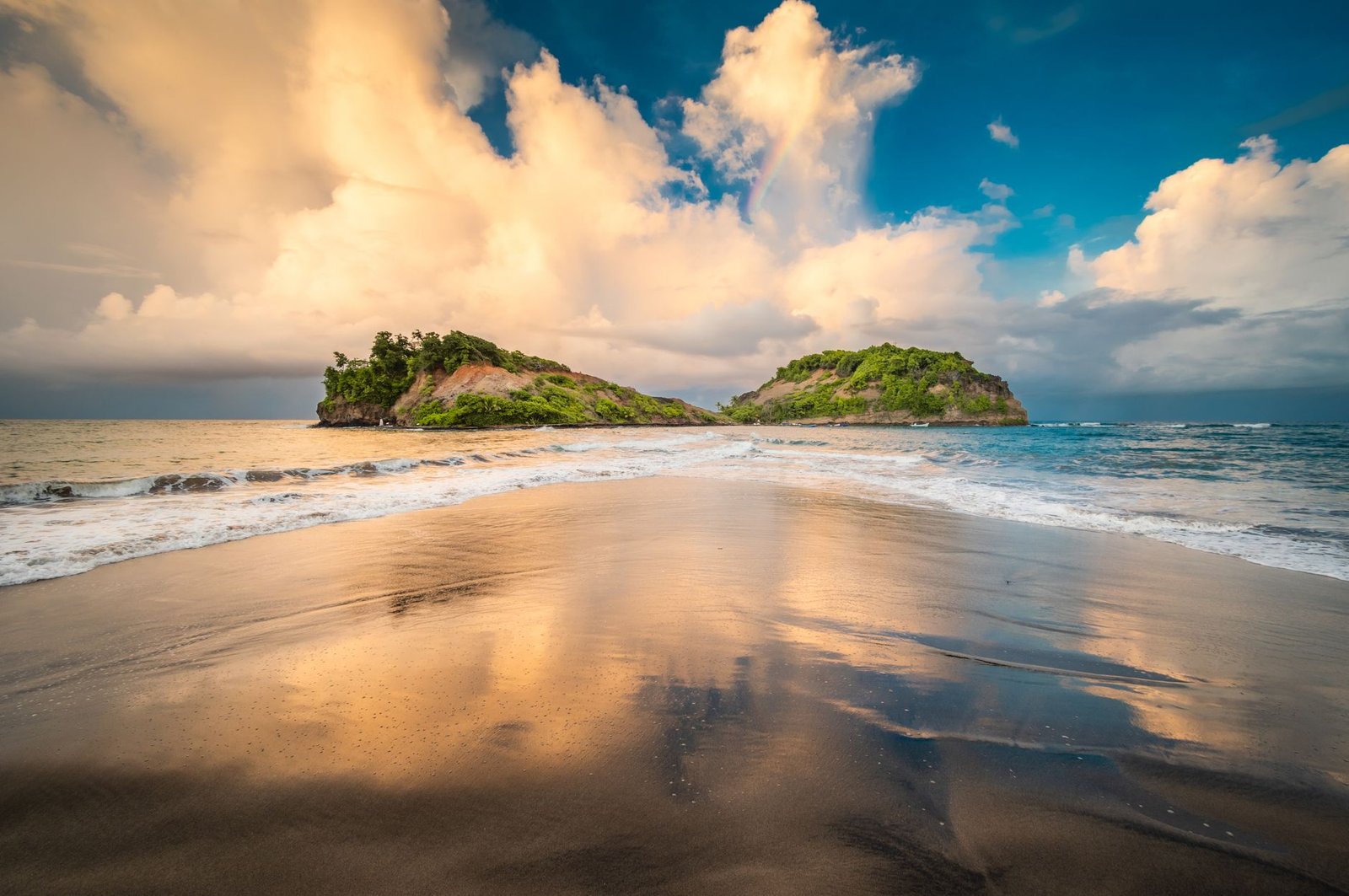
Martinique’s coastline is dotted with beaches that cater to every mood. Whether you prefer a lively stretch with water sports or a secluded cove for quiet reflection, the island has it.
Top Beaches at a Glance
| Beach | Location | Highlights |
|---|---|---|
| Les Salines | Southwest | Long white sand, gentle surf, nearby palm groves |
| Anse Dufour | Southwest | Snorkeling with turtles, calm waters |
| Anse Couleuvre | Northwest | Secluded, dramatic cliffs, great for sunset |
| Plage du Diamant | East | Views of Diamond Rock, surf-friendly |
Les Salines, near Sainte‑Anne, is often cited as the island’s flagship beach. Its mile‑long stretch of powdery sand is backed by coconut palms and shallow turquoise water, making it ideal for families. Facilities such as restrooms, showers and snack kiosks are available, but they can get busy during peak days.
Anse Dufour, just a short drive from Les Salines, is famous for its clear water where green sea turtles frequently surface. Bring a snorkel mask and you’ll likely share the water with these gentle creatures. The beach is relatively small, so it feels intimate even when a few groups are present.
If you crave solitude, Anse Couleuvre on the northwest coast offers a rugged setting framed by volcanic cliffs. The access road is narrow, and the beach is reached via a short hike, but the reward is a tranquil bay with dramatic scenery. Pack a picnic and stay for the sunset – the light on the cliffs is unforgettable.
Water‑Based Activities
Beyond sunbathing, Martinique’s waters invite a range of activities. Kitesurfing schools operate near Le Carbet, taking advantage of steady trade winds. For beginners, a half‑day lesson includes equipment, safety briefing and a guided session on calm waters.
Scuba diving centers in Saint‑Pierre and Trois‑Îlets offer day trips to reefs teeming with colorful fish, coral formations and occasional shipwrecks. Most dive shops provide equipment rental and guided dives for all certification levels. If you prefer staying near the surface, a glass‑bottom boat tour from Sainte‑Anne lets you observe marine life without getting wet.
Kayaking through the mangroves of the Bay of Fort‑de‑France is another low‑impact way to explore the coastline. Guided tours often include a short walk to learn about the local ecosystem, including crabs, mangrove trees and bird species.
Rainforest Adventures and Natural Parks
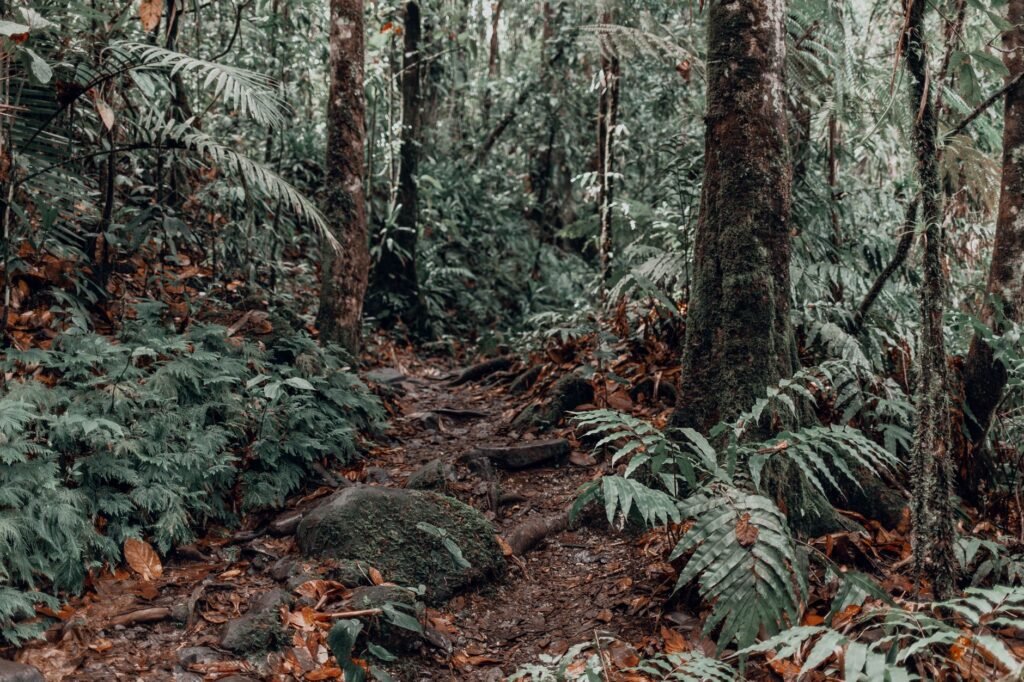
The interior of Martinique is a volcanic landscape covered in lush rainforest. Hiking, birdwatching and exploring waterfalls are popular ways to experience this greener side of the island.
Mount Pelée and the Pitons
Mount Pelée, an active volcano that famously erupted in 1902, dominates the northern skyline. The most common trek starts at the town of Saint‑Pierre, where a well‑marked path leads you through tropical forest to the crater rim. The hike takes about 3‑4 hours round‑trip and offers panoramic views of the island’s coast and the sea beyond.
While the summit is not recommended for casual walkers due to steep sections, the lower trails provide ample opportunity to see endemic plants, such as the flamboyant tree with its bright orange flowers. Bring sturdy shoes, plenty of water and a sun hat, as the trail can be exposed in places.
For a shorter experience, the Piton des Neiges trail near the town of Le Robert leads to a series of volcanic domes and a small waterfall. The trail is less crowded and offers a quieter immersion in the island’s geological history.
Balata Garden and Botanical Wonders
Just outside Fort‑de‑France, the Jardin de Balata is a privately‑run botanical garden set on a hillside overlooking the Caribbean. The garden features over 3,000 plant species, including orchids, bromeliads and towering palms. Elevated walkways weave through the foliage, providing unique perspectives and photo opportunities.</n
Guided tours are available and often include a short talk on the island’s native flora and the history of the garden’s founder, a former horticulturist. The garden also houses a small café serving fresh fruit juices and Creole pastries.
For a more rugged experience, the Caravelle Peninsula’s nature reserve offers coastal trails that pass through mangroves, limestone cliffs and small coves. The area is a hotspot for birdwatchers, with species such as the Antillean crested hummingbird frequently sighted.
Cultural Heritage and Museums
Martinique’s cultural tapestry reflects its French colonial past, African heritage and Caribbean influences. Museums and historic sites give depth to a vacation that might otherwise focus only on beaches.
Musée de la Pagerie
The Musée de la Pagerie, located in the former home of Empress Joséphine, offers a glimpse into the life of Napoleon’s beloved wife, who was born on the island. The restored manor showcases period furniture, personal artifacts and portraits, all set within a lush garden.
Visitors can learn about the social hierarchy of the 18th‑century plantation economy and the complex legacy of slavery that shaped the island’s history.
La Maison de la Canne
Located in Sainte‑Anne, La Maison de la Canne is dedicated to the sugarcane industry that once dominated Martinique’s economy. The museum displays traditional milling equipment, historic photographs and interactive exhibits that explain how rum, sugar and molasses were produced.
A short walk from the museum leads to a small rum tasting room where you can sample locally produced agricole rum.
Traditional Villages and Festivals
Visiting the fishing village of Le Vauclin provides an authentic look at daily life on the island. Colorful wooden boats line the harbor, and the local market sells freshly caught fish, conch and spices. If your trip coincides with the annual Carnaval in February, you’ll experience a vibrant parade of costumes, music and dance that reflects the island’s Creole spirit.
Culinary Delights and Local Flavors
Food in Martinique is a celebration of French technique infused with Caribbean ingredients. From street snacks to fine‑dining establishments, the island’s culinary scene is diverse and flavorful.
Must‑Try Dishes
- Accras de morue – Fried cod fritters seasoned with herbs and spices, perfect as an appetizer.
- Colombo de poulet – A curry‑like stew made with chicken, turmeric, cumin and local vegetables.
- Boudin créole – Spicy blood sausage often served with rice and beans.
- Ti’ punch – A simple cocktail of rhum agricole, lime and cane syrup, enjoyed at any time of day.
Street vendors in Fort‑de‑France’s market area serve these dishes fresh and affordably. Look for stalls with a steady line of locals – a good sign of quality.
Dining Experiences
For a romantic dinner, book a table at Le Zandoli in Trois‑Îlets. The restaurant overlooks the sea and offers a tasting menu that blends French haute cuisine with Caribbean ingredients such as lobster, passion fruit and fresh herbs.
If you prefer a more casual setting, La Table de Mamy in Saint‑Pierre serves home‑cooked Creole meals in a cozy, family‑run atmosphere. The daily specials change based on market availability, ensuring freshness.
Don’t miss a visit to a rum distillery, such as the Habitation Clément near Le François. Guided tours walk you through the production process of agricole rum, ending with a tasting of several aged varieties. The estate also features a restaurant where you can pair rum with local dishes.
Water Sports and Marine Activities
Beyond lounging on the sand, Martinique offers a range of marine adventures that suit both adrenaline seekers and those looking for a relaxed day on the water.
Snorkeling and Diving Hotspots
Anse Dufour, already noted for its turtles, also boasts a vibrant reef teeming with parrotfish, sergeant majors and occasional reef sharks. Bring your own gear or rent from a nearby shop; the water is calm and visibility is excellent during the dry season.
The Anse Noire area, located just west of Anse Dufour, offers a darker sand beach and a reef that is slightly deeper, making it a favorite spot for more experienced divers. Several dive operators run day trips that include multiple dive sites, such as the wreck of the SS Antilles.
For those who prefer staying on the surface, stand‑up paddleboarding (SUP) rentals are widely available in Le Carbet. Calm morning waters provide a serene environment to practice balance while admiring the coastline.
Day Trips and Island Hopping
Martinique’s strategic location in the Lesser Antilles makes it a convenient launch point for short excursions to neighboring islands.
Excursions to Dominica
A ferry from Fort‑de‑France to Roseau, Dominica’s capital, runs several times a week. The journey takes about two hours, and once on Dominica you can explore its lush rainforests, hot springs and volcanic lakes. Many tour operators offer combined packages that include a guided hike to Boiling Lake, the world’s second‑largest volcanic crater lake.
Visiting Saint‑Barthélemy
For a taste of luxury, a short flight from Fort‑de‑France lands on the nearby island of Saint‑Barthélemy. Known for its upscale boutiques, gourmet restaurants and pristine beaches, Saint‑Barth provides a contrast to Martinique’s more laid‑back vibe. Even a half‑day visit to the island’s capital, Gustavia, offers a glimpse of its glamorous side.
Practical Travel Tips
Before you set out, a few practical considerations will help your trip run smoothly. The official language is French, though most locals also speak Antillean Creole and many work in tourism speak basic English.
Driving is on the right side of the road, and rental cars are widely available. Roads in the interior can be narrow and winding, so allow extra travel time when heading to rainforest destinations.
Public buses, known as “carros”, connect major towns and are an inexpensive way to see the island, though schedules may be infrequent.
Cash in euros is accepted throughout the island, but credit cards are widely used in hotels, restaurants and larger shops. It’s wise to carry a modest amount of cash for small market purchases.
Health‑wise, the island has modern medical facilities in Fort‑de‑France. Travel insurance that covers medical evacuation is recommended, especially if you plan to engage in water sports or hiking.
Finally, the climate is tropical with a dry season from December to May and a wetter season from June to November. Pack lightweight clothing, a rain jacket for occasional showers, and plenty of sunscreen.
Frequently Asked Questions
What is the best time of year to visit Martinique?
The dry season, from December to May, offers the most reliable sunshine and lower humidity, making it ideal for beach activities and hiking. However, this period is also the peak tourist season, so expect higher accommodation rates.
Do I need a visa to travel to Martinique?
Martinique is part of the European Union, so EU citizens do not need a visa. Travelers from the United States, Canada and many other countries can stay visa‑free for up to 90 days, but a valid passport and proof of onward travel are required.
Is it safe to swim in the ocean?
Most popular beaches have lifeguard stations during daylight hours, especially in the south. Always heed local warnings about currents or jellyfish. In more remote coves, swimming is generally safe but be aware of the lack of supervision.
Can I use my mobile phone on the island?
Major carriers from Europe, the United States and Canada have roaming agreements with local providers. You can also purchase a prepaid SIM card at the airport or in Fort‑de‑France for better rates on data and calls.
The Bottom Line
Martinique blends French elegance with Caribbean warmth, offering a rich mix of beaches, rainforests, culture and cuisine. By planning ahead, respecting local customs and embracing both the relaxed and adventurous sides of the island, you’ll create memories that last a lifetime.
