
Getting There and Around Moscow
Moscow sits in the rolling hills of north‑central Idaho, just a few miles south of the Washington border. The most common entry points are the Pullman–Moscow Regional Airport (also known as the Lewiston–Nez Perce County Airport) and the Interstate‑5 corridor, which is a short 15‑minute drive from the downtown core. If you are traveling from larger hubs such as Seattle, Spokane, or Boise, you will typically connect through Spokane International Airport and then rent a car for the final leg. The drive from Spokane to Moscow is roughly 80 miles and follows a scenic route that crosses the Palouse’s iconic wheat fields.
Once in town, getting around is surprisingly easy. The city’s layout is compact, with most attractions clustered within a two‑mile radius of the downtown square. Walking and bicycling are the most popular modes of local transport, especially during the warm months when the streets are lined with shade trees and cyclists share the road with pedestrians. The City of Moscow operates a modest public‑transit system, the “Moscow Transit,” which runs a handful of routes connecting the university campus, the downtown area, and the surrounding residential neighborhoods. For visitors who prefer a car, short‑term rentals and rideshare services are readily available, and parking is generally free in the downtown zone.
When to Visit: Seasons and Events
The Palouse region experiences four distinct seasons, each offering a different flavor of Moscow life. Summer (June – August) brings long, sunny days perfect for hiking, outdoor concerts, and the bustling Farmers Market. Autumn (September – October) paints the rolling hills in shades of gold and amber, making it an ideal time for scenic drives, photography, and the annual “Fall Fest” that showcases local artisans and food trucks.
Winter in Moscow is quiet and often snowy, which adds a cozy charm to the university campus and downtown coffee shops. If you enjoy a slower pace, winter can be a great time to explore indoor attractions like the museum and the historic theater. Spring (April – May) sees the hills burst into a carpet of wildflowers, especially lupines, and the city’s outdoor spaces come alive with student activity, bike rides, and the opening of the university’s botanical garden.
Throughout the year, Moscow’s calendar is peppered with community events that are free or low‑cost. These include the “Moscow Music Festival” in July, “Art on the Square” during the summer evenings, and the “Winter Holiday Parade” in December. Checking the city’s official events page before you travel can help you align your visit with a festival that interests you.
Exploring Downtown Moscow
Downtown Moscow is a vibrant mix of historic brick buildings, independent shops, and lively street art. The main artery, Main Street, runs east‑west and is lined with locally owned bookstores, vintage clothing boutiques, and artisanal gift shops. The town’s historic district preserves the feel of early 20th‑century small‑town America while inviting modern creativity.
Key highlights in the downtown area include:
- The iconic clock tower at the intersection of Main and Center streets, a gathering point for locals.
- The “Moscow Art Walk,” a self‑guided tour of murals painted by regional artists on the sides of public buildings.
- The downtown square, which hosts weekly performances, outdoor movies, and seasonal markets.
Because the streets are pedestrian‑friendly, you can easily spend an afternoon strolling, popping into galleries, and pausing for a coffee at one of the many cafés that showcase beans roasted from the Pacific Northwest.
University of Idaho Campus Walks
The University of Idaho, founded in 1889, is a cornerstone of Moscow’s identity. Its historic campus is an open‑air museum, where classic Collegiate Gothic architecture sits alongside modern research facilities. Guided walking tours are offered by the university’s Visitor Center during the academic year, and they provide insight into the campus’s storied past, notable alumni, and ongoing sustainability initiatives.
Highlights for self‑guided exploration include:
- The Administration Building’s clock tower, an iconic silhouette against the Palouse sky.
- The campus arboretum, where you can wander among native trees and ornamental gardens.
- The Memorial Union, a hub for student activity that also houses a small theater and art exhibition space.
During the spring and fall, the campus quad becomes a hub for outdoor lectures, farmer’s market stalls, and impromptu musical performances. Even if you’re not a student, the campus is open to the public, and its walking paths provide a quiet retreat from the town’s busier streets.
Nature and Outdoor Adventures
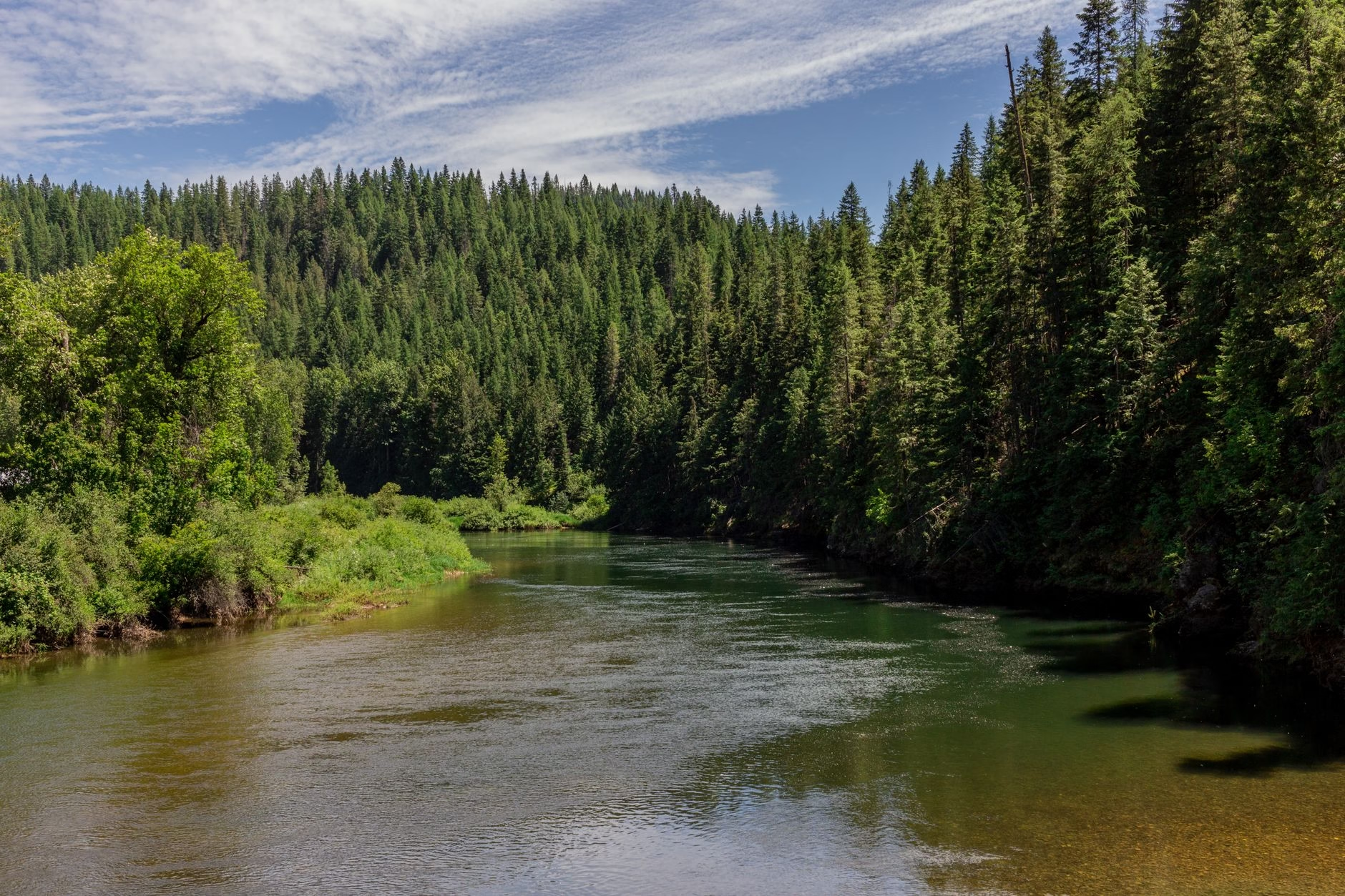
Moscow’s surrounding landscape is a playground for outdoor enthusiasts. The Palouse’s gentle hills, deep river valleys, and abundant wildlife create a backdrop that feels both expansive and intimate. The city’s proximity to the Moscow River and the Palouse River offers opportunities for fishing, kayaking, and birdwatching.
The region’s climate, characterized by dry summers and moderate precipitation in the winter, makes most trails accessible for the majority of the year. However, it’s wise to check trail conditions in early spring, as higher elevations can retain snow well into May.
Whether you’re looking for a leisurely stroll or a challenging summit, the area’s natural assets cater to all skill levels. Below are some of the most popular ways to experience the outdoors near Moscow:
- Scenic drives along the historic Palouse Highway (U.S. Route 195), offering panoramic views of rolling wheat fields.
- Bird‑watching at the Latah County Wetlands, where migratory species pause during their journey along the Pacific Flyway.
- Snowshoeing and cross‑country skiing on the higher elevations of Moscow Mountain during winter months.
Hiking Trails Near Moscow
Hiking is arguably the most accessible outdoor activity in the area, thanks to a network of well‑maintained trails that range from easy, family‑friendly loops to more strenuous climbs.
Moscow Mountain Trail is the flagship hike, offering a moderate 4‑mile round‑trip that ascends roughly 1,600 feet. The summit provides sweeping views of the Palouse Basin, the Snake River Plain, and on clear days, the distant peaks of the Rockies. The trail is marked with occasional interpretive signs that discuss local flora, geology, and the cultural history of the Nez Perce people.
Paradise Creek Trail follows the gentle meander of Paradise Creek and is ideal for a peaceful walk or a family outing. The trail is relatively flat and runs through a mixed‑forest corridor, providing opportunities to spot deer, foxes, and a variety of songbirds.
Humboldt Trail System consists of a series of interconnected paths that wind through the Humboldt State Forest. Hikers can customize the length of their trek, and many sections are shaded, making them pleasant even during the hottest part of summer.
All of these trails are publicly accessible, free of charge, and have trailheads with parking lots. It’s recommended to bring water, wear sturdy shoes, and be aware of wildlife—especially during early morning or dusk when deer and elk are most active.
Parks and Green Spaces
Moscow boasts several parks that serve as community gathering places as well as gateways to nature.
Moscow City Park sits just north of downtown and features an open lawn, a playground, and a small amphitheater where local musicians perform during summer evenings. The park’s walking path encircles a historic water tower, providing a pleasant loop for joggers.
Humboldt Park, located near the university, offers a network of trails that connect directly to the campus arboretum and the larger Humboldt Trail System. The park also contains a well‑maintained skate park, making it a popular spot for local youth.
Latah County Historical Museum Grounds include a modest park area where seasonal outdoor exhibits are installed, such as historical reenactments or craft fairs.
These green spaces are free to the public and often host community events, from outdoor yoga classes to movie nights under the stars. They provide a welcoming environment for travelers looking to relax, people‑watch, or enjoy a picnic with a view of the surrounding hills.
Arts, Culture, and History
Moscow’s cultural scene punches above its weight, largely thanks to the university’s arts programs and an active local community of creators.
The Moscow Museum of Art, housed in a historic building on the university campus, showcases a rotating collection of regional, contemporary, and indigenous art. Admission is free, and the museum often hosts artist talks and workshops that are open to the public.
The Latah County Historical Museum offers a glimpse into the area’s pioneer past, with exhibits on early settlement, agriculture, and the Nez Perce tribe. The museum’s archives also contain photographs and oral histories that provide a deeper understanding of the region’s evolution.
For performance arts, the Washington State University Pullman’s Performing Arts Center (a short drive away) frequently schedules theater productions, classical music concerts, and dance performances that are accessible to Moscow residents. Locally, the Washington Street Theatre (an intimate venue housed in a renovated historic building) presents independent films, live music, and community theater productions.
Art lovers can also follow the self‑guided “Moscow Art Walk” mentioned earlier, which highlights murals painted on public walls. The city’s commitment to public art is evident in the way local artists collaborate with businesses and civic groups to keep the streets vibrant.
Local Food and Drink Scene
Moscow’s culinary landscape reflects its college‑town energy and agricultural surroundings. While the city is small, its food scene is eclectic, ranging from farm‑to‑table cafés to family‑run diners.
Breakfast options are abundant, with several cafés offering locally roasted coffee, fresh pastries, and hearty breakfast burritos made with regional eggs. For lunch, downtown eateries often feature seasonal menus that incorporate ingredients from the surrounding farms—think beet salads, potato soups, and artisanal sandwiches on freshly baked bread.
Dinner in Moscow can be as casual or as refined as you wish. There are several bistros that serve Pacific Northwest cuisine, emphasizing salmon, trout, and locally foraged mushrooms. Vegetarian and vegan diners will also find a variety of options, as many restaurants adapt their menus to accommodate dietary preferences.
While we avoid naming specific establishments that may change over time, a reliable way to discover current favorites is to check the daily “Moscow Foodie” social‑media group or the city’s tourism website, where the latest restaurant highlights are posted.
For those interested in local craft beverages, the region’s breweries and cider houses often host tasting rooms in the downtown area. Seasonal releases are common, especially during the fall harvest when apple‑cider varieties dominate. Non‑alcoholic options include locally produced kombucha and sparkling water infused with regional berries.
Farmers Market and Seasonal Produce
The Moscow Farmers Market operates weekly from late spring through early fall, typically on Saturdays from 9 a.m. to 1 p.m. The market is a gathering place where local growers, artisans, and musicians converge. Stalls feature fresh vegetables such as potatoes, carrots, and beans, as well as fruit like cherries and apples when in season.
Beyond produce, the market offers handmade goods—jams, honey, knitted items, and pottery—that make excellent souvenirs. Live music performances often accompany the market, adding a festive atmosphere that captures the community spirit.
Visiting the market is not only a chance to sample fresh foods but also an opportunity to interact with the residents who cultivate the Palouse’s famed farmland. Many vendors are happy to share recipes or cooking tips for incorporating their products into home meals.
Family‑Friendly Activities
Moscow provides a welcoming environment for families traveling with children of all ages. The city’s blend of indoor and outdoor attractions ensures that there’s always something to do, regardless of weather.
For younger children, the University of Idaho Children’s Garden offers interactive planting stations, a butterfly habitat, and storytelling sessions during the summer months. The garden’s layout encourages hands‑on learning about plant life cycles and sustainable gardening practices.
Older kids and teens often enjoy the Palouse Discovery Center, which combines science exhibits with outdoor exploration. The center’s “Nature Lab” invites participants to observe local wildlife through guided binoculars and to learn about the geology of the Palouse hills.
In the winter, the nearby Moscow Ski Hill provides gentle slopes for beginners and a sledding hill that families can use for free. The hill is operated by the local community group, and rentals for skis or snowshoes are available at a modest cost.
Evenings can be spent at the downtown square, where seasonal outdoor movies are projected onto a large screen, allowing families to enjoy a film under the stars with a picnic blanket and popcorn from a nearby vendor.
Day Trips from Moscow
Moscow’s central location makes it an ideal base for exploring the broader Palouse region and neighboring attractions. Below are some recommended day‑trip destinations, each offering a distinct experience.
- Pullman, Washington – Just a short drive north, Pullman is home to Washington State University and offers additional cultural events, a vibrant downtown, and the Palouse River Centennial Trail for biking or walking.
- Nez Perce National Historical Park – Located east of Moscow, this park preserves sites significant to the Nez Perce tribe, including historic villages, battlefields, and interpretive centers.
- Walla Walla, Washington – Approximately an hour’s drive west, Walla Walla is renowned for its wineries and historic downtown. The region’s vineyards provide tastings, tours, and a chance to sample award‑winning wines.
- Hells Canyon – Though a longer drive (about 2.5 hours), the dramatic canyon carved by the Snake River offers spectacular boat tours, hiking, and opportunities to learn about the area’s geology and Native American heritage.
- Idaho State Capitol in Boise – For a more urban experience, a full‑day drive to Boise (roughly 4 hours) showcases a vibrant arts scene, riverfront parks, and the historic Capitol building.
Each of these trips can be undertaken as a self‑guided drive, or you may join a local tour operator that offers scheduled departures from Moscow. The scenic routes themselves—especially the drive across the Palouse’s wheat fields—are often cited as a highlight for visitors.
Budget‑Friendly Tips for Visiting
Traveling to Moscow doesn’t have to break the bank. The city’s small size and college‑town atmosphere mean that many activities are low‑cost or free.
- Free Outdoor Activities – Hiking, exploring parks, and walking the university campus are all free. Bring a reusable water bottle and pack snacks to keep costs down.
- Discounted Museum Days – Both the Moscow Museum of Art and the Latah County Historical Museum offer free admission on certain weekdays; check their websites for the current schedule.
- Student Discounts – Many restaurants and shops offer discounts to students (and often to visitors who show a student ID). Even if you’re not a student, carrying a copy of the campus map can sometimes qualify you for the reduced rate.
- Use Public Transit – The Moscow Transit system provides a low‑cost alternative to car rentals for short trips around town.
- Shop the Farmers Market – Fresh produce and handmade goods are typically less expensive than supermarket equivalents, and you get the added benefit of supporting local farmers.
For accommodations, consider staying at a budget-friendly hostel, a university guesthouse during academic breaks, or a vacation rental that offers a kitchen. Preparing at least one meal yourself can significantly reduce daily expenses, especially in a town where grocery stores stock local and organic options.
Practical Logistics: Accommodations, Wi‑Fi, and Safety
Finding a place to stay in Moscow is straightforward. Options range from historic inns downtown to modern motels along the highway. During university events such as home football games, it’s advisable to book your lodging well in advance, as rooms fill quickly.
Most hotels, hostels, and campgrounds provide complimentary Wi‑Fi, and the city’s downtown cafés are known for offering reliable internet connections—a boon for digital nomads or travelers needing to stay connected. The public library also offers free computer access and quiet study areas.
Safety in Moscow is generally high. The city’s population is under 30,000, and crime rates are lower than the national average. Nevertheless, standard precautions—such as locking doors, keeping valuables out of sight, and staying aware of your surroundings at night—are recommended. The local police department maintains a visible presence in the downtown area, particularly during events.
If you require medical assistance, the Palouse Regional Medical Center in nearby Pullman provides emergency services, and there are several pharmacies in downtown Moscow. For any travel‑related emergencies, the nearest major airport with full‑service medical facilities is Spokane International Airport.
Lastly, remember that Moscow’s altitude is modest (approximately 2,500 feet), so most visitors acclimate quickly. However, if you plan on hiking higher elevations like Moscow Mountain, bring layers and stay hydrated, as the weather can shift rapidly, especially in the shoulder seasons.
Whether you’re drawn by the rolling hills of the Palouse, the cultural offerings of a university town, or the warm hospitality of its residents, Moscow, Idaho, provides a rich tapestry of experiences that can be explored at a leisurely pace or with an adventurous spirit. With its blend of outdoor recreation, arts, and community events, a visit to Moscow promises both relaxation and discovery—making it a hidden gem worth adding to any Pacific Northwest itinerary.
