
Key Takeaways
- Explore Tran Phu Beach and nearby quieter stretches
- Visit Po Nagar Cham Towers and Long Son Pagoda for culture
- Take island boat trips, but verify weather and operator safety
- Plan transport, budget, and season for a relaxed Nha Trang stay
things to do in nha trang vietnam range from swimming along a long city beach to visiting ancient Cham towers and taking a boat out to nearby islands. This coastal city in south-central Vietnam is easy to enjoy at a relaxed pace, but a little planning helps you choose the right beach days, tours, and neighborhoods.
Nha Trang suits travelers who want a mix of sea, food, history, and city comforts. You can spend the morning at a temple, have seafood by the water for lunch, and finish the day with a sunset walk along Tran Phu Street.
The guide below covers the best attractions and local experiences, plus useful advice on transport, weather, safety, costs, and entry requirements. Conditions and opening times can change, so check directly with tour operators and attractions before setting out.
Things to Do in Nha Trang Vietnam: 20 Practical Tips and Attractions
| Experience | Good to know |
|---|---|
| Best for beaches | Tran Phu Beach is central and convenient. Look beyond the main city beach for quieter stretches of sand. |
| Best for culture | Visit Po Nagar Cham Towers, Long Son Pagoda, and Nha Trang Cathedral. |
| Best time to visit | Many visitors prefer the drier months, roughly January to August. Rain and rougher seas are more likely later in the year. |
| Getting around | Use taxis or ride-hailing for short trips, and agree on the price before using an unmetered vehicle. |
| Allow for | Two or three days for the city and one additional day for an island or nearby nature trip. |
Tip 1 – Spend time at Tran Phu Beach

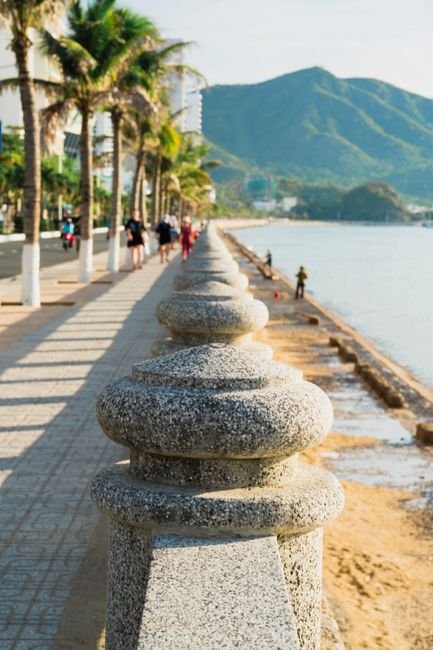
Tran Phu Beach is the easiest place to start if you are staying in central Nha Trang. The broad waterfront promenade is lined with hotels, cafes, and places to rent beach chairs, and it is pleasant for a walk even if you do not plan to swim.
Conditions vary by season and day. Check the waves and any local swimming flags before entering the water, and keep an eye on your belongings when the beach is busy. Early morning and late afternoon are cooler than the middle of the day.
Tip 2 – See the Po Nagar Cham Towers
Po Nagar Cham Towers sit on a hill above the Cai River and are among Nha Trang’s most important historic sights. The brick towers were built over several centuries and remain a place of worship, so dress respectfully and follow signs around active religious areas.
Go earlier in the day if you want to explore in cooler weather and avoid some tour groups. The site is not huge, but allow time to look at the carvings and views across the river. A modest entrance fee may apply, so bring some Vietnamese dong.
Tip 3 – Take a boat trip to the islands

Boat trips are a popular way to see the islands and bays off Nha Trang. Depending on the operator and current conditions, an outing may include swimming, snorkeling, a beach stop, or lunch. Ask what is included before booking, since boat types, group sizes, and stopovers differ.
Choose a licensed operator that explains safety equipment, weather cancellations, and what happens if the sea is rough. Snorkeling visibility and marine life are not guaranteed, and busy group tours can feel rushed. If you are prone to seasickness, consider a shorter trip and bring suitable medication.
Tip 4 – Visit Long Son Pagoda
Long Son Pagoda is known for its large white Buddha statue on a hill overlooking the city. The temple grounds offer a quiet break from the traffic below, though the climb includes steps and can be tiring in hot weather.
Cover your shoulders and knees where practical, remove shoes when required, and keep your voice low inside worship spaces. Go in the morning, carry water, and take care on the stairs, especially after rain.
Tip 5 – Explore the Hon Chong promontory
Hon Chong is a rocky coastal area north of the main beach, with views across the water and toward the city. It is a straightforward stop by taxi or ride-hailing service and can be combined with Po Nagar on the same half-day outing.
The rocks can be slippery, so wear shoes with grip and avoid climbing onto exposed edges. The site is best treated as a scenic stop rather than a full-day attraction. Local cafes nearby make it easy to pause for a drink.
Tip 6 – Try a Nha Trang mud bath
Mineral mud baths are a well-known local relaxation activity. Several spa and resort facilities around Nha Trang offer shared tubs, private options, pools, and additional treatments. Compare what is included, and check whether transport is part of the price.
Bring swimwear and a change of clothes, and follow the facility’s advice about how long to stay in the hot water. These visits can take a few hours, so they work well on a slower afternoon or a day when the weather is poor.
Tip 7 – Walk through Dam Market

Dam Market is a busy place to browse for local snacks, produce, clothing, and souvenirs. Go with time to look around rather than expecting a quiet shopping experience. Some vendors may quote different prices to visitors, so ask politely and agree on a price before buying.
Keep small bills handy and watch your bag in crowded aisles. If you are shopping for packaged food to take home, check the label and your home country’s customs rules before purchasing.
Tip 8 – Taste bun ca and nem nuong
Nha Trang is a good place to try bun ca, a fish-cake noodle soup often served with herbs and greens. Nem nuong, grilled pork served with fresh accompaniments and dipping sauce, is another local favorite. Restaurants and recipes vary, so ask what is in a dish if you have dietary needs.
Busy stalls with a steady flow of customers can be a useful sign of turnover, but use your own judgment about food hygiene. If you are unsure about tap water, choose sealed bottled water and avoid ice unless you know it is made from treated water.
Tip 9 – Visit Nha Trang Cathedral
Nha Trang Cathedral, also called Christ the King Cathedral, is a striking stone church on a small rise in the city. Visitors can admire its architecture from outside, but access inside may depend on services or local rules.
Check current visiting arrangements before you go, and avoid walking around during a service. Dress modestly and keep conversations quiet. It is a short stop that fits easily into a city sightseeing route.
Tip 10 – Take a day for VinWonders Nha Trang

VinWonders Nha Trang is a large amusement and entertainment park on Hon Tre Island. It can be a full-day outing, especially for families and travelers who enjoy rides, shows, and organized attractions. Check the current ticket, transport, and operating details through the park before you set off.
Allow extra time for getting to the island and plan around the heat. This is a more commercial experience than a quiet island escape, and tickets can take up a significant part of a travel budget. Compare the available activities with what your group actually wants to do.
Tip 11 – Take a slower beach day away from the center
If Tran Phu feels crowded, ask your accommodation about quieter beaches or coastal areas that are accessible during your stay. Bai Dai, south of the city toward Cam Ranh, is a popular option, but it is farther away and may require a taxi or organized transport.
Check the return journey before leaving, especially if you are going outside the city center. Bring sun protection and water, and do not assume that every stretch of coast has lifeguards, shade, or nearby shops.
Tip 12 – Consider Ba Ho Waterfalls if you want a nature outing
Ba Ho Waterfalls are north of Nha Trang and offer a change from the beach and city sights. The route involves uneven ground and can include steep or slippery sections, depending on water levels and recent rain.
Wear sturdy footwear, take drinking water, and check local access and weather before traveling. If you are not confident riding a motorbike, book a driver or tour rather than attempting the journey on unfamiliar roads.
Tip 13 – Watch the sunset along the waterfront

A simple sunset walk is one of the easiest things to do in Nha Trang Vietnam. Follow the waterfront promenade, find a spot to sit, or choose a cafe with a view. The light and sea conditions change from day to day, so treat the sunset as a pleasant bonus rather than a guaranteed show.
Evenings can be lively around the central beach, with locals exercising and families out for a stroll. Keep valuables secure and use a well-lit route when walking back to your hotel.
Tip 14 – Browse local seafood restaurants
Seafood is a major part of the dining scene, from casual noodle shops to restaurants with tanks of live fish and shellfish. Ask about the price by weight before choosing seafood from a tank, and confirm whether the listed price includes preparation or side dishes.
Menus with photos can help, but they may not show portion size or the full cost. If you have allergies, be clear about them and remember that sauces and cooking surfaces can involve other ingredients.
Tip 15 – Plan a family-friendly day
Families can combine a short cultural visit with beach time, a mud bath, or a day at VinWonders. Avoid trying to fit every major sight into one hot afternoon. A midday break at your hotel can make the day easier for children and adults alike.
For younger children, check pool and beach supervision arrangements rather than assuming a lifeguard is present. Pack hats, sunscreen, water, and a light change of clothes, and agree on a meeting point in busy areas.
Tip 16 – Set a realistic budget
Nha Trang offers simple street meals and local buses as well as resort stays, private tours, and higher-priced seafood restaurants. Decide which experiences matter most to you, then leave some room for transport and meals that cost more than expected.
Check whether a quoted tour price includes transfers, meals, entrance fees, and equipment rental. Carry some cash for small purchases, while using reputable payment methods for larger bookings. Keep a note of what you spend if you are traveling on a daily budget.
Tip 17 – Choose the right time of year
Nha Trang is often visited during the drier part of the year, broadly from January through August, though temperatures, rain, and sea conditions vary. Later months can bring heavier rain and rougher water, which may affect boat trips and swimming plans.
Check a current forecast close to your travel dates and ask local operators about sea conditions before booking an island trip. Flexible plans are helpful during unsettled weather. Whatever the season, sun protection matters on the coast.
Tip 18 – Use local transport with a little planning
Taxis and ride-hailing services are convenient for short journeys around town. The official Grab transport service in Vietnam can be useful for checking an estimated fare and arranging a ride where the service is available. Confirm the vehicle details in the app before getting in.
Cam Ranh International Airport is well outside central Nha Trang, so allow enough time for the road journey. Arrange an airport transfer, use an authorized taxi, or check current bus options before arrival. For a motorbike rental, confirm that your license and insurance cover you and that you are comfortable with local traffic.
Tip 19 – Prepare for weather, customs, and small practical details
Pack breathable clothes, a hat, sunscreen, comfortable walking shoes, and a light rain layer if you are visiting during wetter months. A dry bag is useful for boat trips, while modest clothing is respectful at temples and pagodas. Carry a reusable water bottle, but refill only where the water is confirmed safe to drink.
Learn a few simple phrases such as “xin chào” for hello, “cảm ơn” for thank you, and “bao nhiêu tiền?” for how much? Speak calmly, smile, and use a translation app when needed. Ask before photographing people, and follow posted signs at religious sites.
Tip 20 – Avoid the most common tourist mistake
The most common mistake is planning every day around boat trips or beach weather without a backup. Sea conditions can change, and an island excursion may be delayed or canceled. Keep a city option ready, such as Po Nagar, a market visit, a mud bath, or a long lunch.
It also helps to avoid booking the first tour you see. Compare what is included, the group size, cancellation terms, and safety information. The official Vietnam tourism website is a useful starting point for broader destination planning, while individual operators can confirm current local arrangements.
Visa & Entry Requirements
Entry rules for Vietnam depend on the passport you will travel with and the government policy in force on your travel dates. Visa exemptions, visa requirements, permitted activities, and maximum stays differ by nationality and can change. A rule that applies to one traveler should not be assumed to apply to everyone visiting Nha Trang.
Before booking or flying, check the official Vietnam electronic visa portal and the Vietnamese embassy or consulate responsible for your location. Use those sources to confirm whether you need a visa, whether an electronic visa is available for your situation, and how long you may stay. Apply only through an official channel and make sure the approved dates and entry details match your itinerary.
Check your passport’s validity requirements and ensure it has enough blank pages for the trip. Requirements can depend on your passport and current policy, so confirm them with official government sources rather than relying on an old travel post. If relevant to your case, check whether you need an electronic travel authorization, a return or onward ticket, or proof of accommodation. Keep copies of your passport, visa approval, accommodation details, and travel insurance somewhere secure and accessible.
Vaccination recommendations and any health documentation requirements can also depend on your circumstances and current rules. Ask a qualified travel health professional about personal medical advice and check official information before departure. Review customs rules for cash, medicines, restricted goods, and items you plan to bring into or take out of Vietnam. You may need to declare certain goods or amounts. These checks are practical travel guidance, not legal advice or a guarantee of entry. Recheck official requirements shortly before departure, since the final decision rests with Vietnamese authorities.
Frequently Asked Questions
How many days should I spend in Nha Trang?
Two or three days is enough for the main city sights, a beach visit, and a food-focused evening. Add another day if you want to take an island trip or visit Ba Ho Waterfalls. Leave some flexibility if your plans depend on boat or beach conditions.
What are the best things to do in Nha Trang Vietnam on a rainy day?
Consider a mud bath, a long local meal, a market visit, or indoor attractions at a resort or entertainment park. Rain can affect outdoor plans and boat trips, so check directly with operators before traveling to a pier or island.
Is Nha Trang suitable for families?
Yes, many families enjoy the beach, easy city dining, and larger attractions such as VinWonders. Plan for heat, supervise children near water, and check that transport and activities suit their ages. A slower itinerary is usually more comfortable than trying to cover every sight.
Is Nha Trang expensive for visitors?
Costs vary widely. Local food and simple guesthouses can be affordable, while resorts, private boat trips, and some seafood meals cost more. Check tour inclusions and seafood prices in advance, and keep a small amount of Vietnamese dong for everyday purchases.
Can I swim at Nha Trang beaches year-round?
Swimming may be possible for much of the year, but conditions are not constant. Waves, currents, weather, and local warnings can affect whether it is safe. Follow posted flags and lifeguard advice, and avoid entering rough water.
What should I use to get around Nha Trang?
For many visitors, walking works around the central beachfront, while taxis or ride-hailing are useful for longer city trips. Check transport options in advance for Cam Ranh Airport, which is a significant drive from central Nha Trang. Avoid renting a motorbike unless you have the correct license, insurance, and riding experience.
Is Nha Trang safe for tourists?
Most visits are trouble-free, but use ordinary city precautions. Keep valuables secure in crowded places, use reputable transport, and take care around traffic and the sea. Save your accommodation details and local emergency numbers. In Vietnam, the commonly used emergency numbers are 113 for police, 114 for fire services, and 115 for ambulance services. Confirm how to reach help through your hotel or local authorities if needed.
Conclusion
Nha Trang combines an easy-to-reach city beach with historic temples, local markets, seafood, and trips out to the nearby coast. You can build a full itinerary or keep it simple with a few good meals, a swim, and a sunset walk.
The best things to do in Nha Trang Vietnam depend on the weather, your budget, and how much time you want to spend on tours. Book carefully, respect local customs, and keep a backup plan for unsettled sea conditions. With a little flexibility, this coastal city makes a rewarding stop on a trip through Vietnam.
