
Key Takeaways
- Surf lessons at Playa Guiones are perfect for beginners
- Explore both Playa Guiones and rocky Playa Pelada for varied beach experiences
- Visit Ostional Wildlife Refuge responsibly to see olive‑ridley turtles
- Plan transport carefully; roads can be rough and weather‑dependent
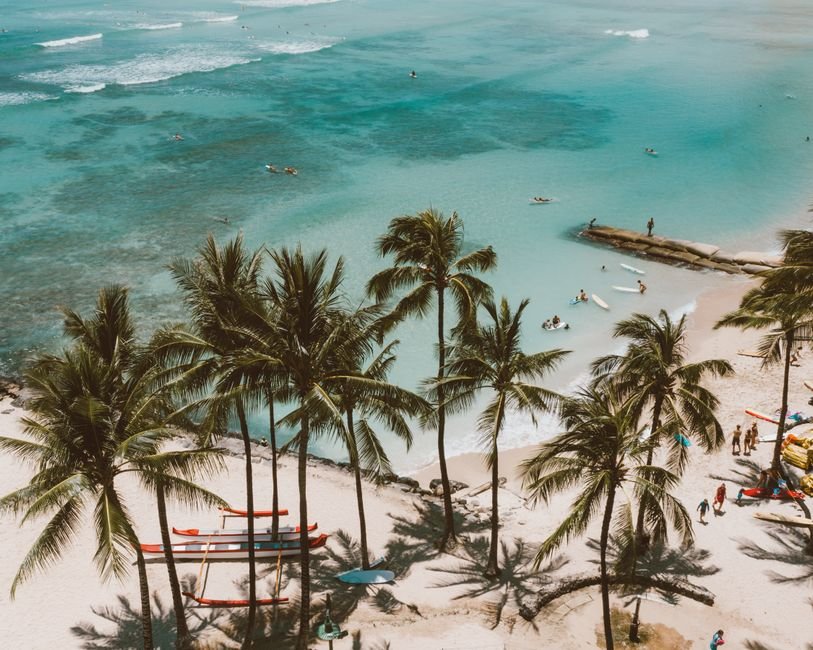
Things to do in Nosara Costa Rica range from learning to surf at Playa Guiones to watching the sunset over the Pacific. This relaxed beach destination in Guanacaste is known for long sandy shores, yoga, wildlife, and a slower pace than many resort towns.
Nosara is not just one beach. The area includes the village of Nosara, the beach communities of Guiones and Pelada, and the fishing village of Garza. Getting between them takes time, so plan around the places you most want to see rather than trying to fit everything into one day.
This guide covers what to do, where to go, how to get around, and what to know before you visit. Roads can be rough, especially in the rainy season, but a little planning makes it easier to enjoy Nosara’s beaches and natural surroundings.
20 Things to Do in Nosara Costa Rica
Tip 1 – Take a surf lesson at Playa Guiones

Playa Guiones is Nosara’s best-known surf beach, with a long stretch of sand and waves that attract beginners as well as experienced surfers. Local surf schools offer lessons and board rentals, and an instructor can help you choose a suitable spot for the conditions.
Book a lesson for the morning if you can. The beach is exposed, with little shade, so bring water, sun protection, and a rash guard. Conditions change with the tide and swell, so follow your instructor’s advice rather than assuming every section is beginner-friendly.
Tip 2 – Spend time on the sand at Playa Guiones
Even if you do not surf, Guiones is a fine place for a beach walk, a swim when conditions allow, or a quiet afternoon with a book. Its wide shoreline makes it easy to find space, though the sun can feel strong and there are few facilities directly on the beach.
Bring what you need for a few hours, including drinking water and shade. Check local advice before swimming, especially when surf is high or currents are strong. Avoid leaving valuables unattended while you are in the water.
Tip 3 – Explore the rocky shore at Playa Pelada
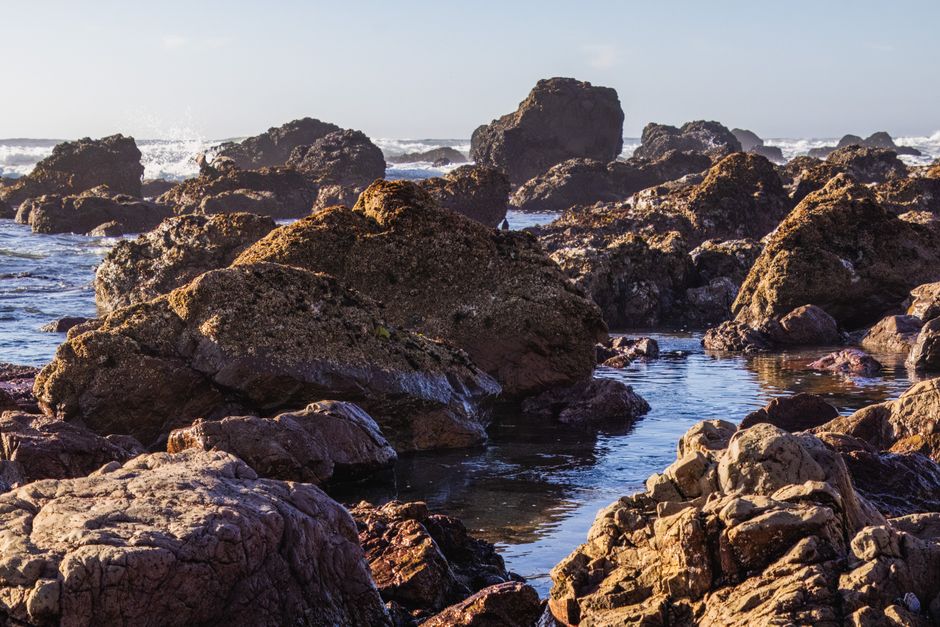
Playa Pelada has a different feel from Guiones, with rock formations, shady trees, and small tide pools that appear at low tide. It is a good choice for a relaxed walk and a change of scenery, particularly when the surf at Guiones is rough.
Look at the tide before visiting and wear shoes with grip if you plan to walk over rocks. Tide pools are delicate habitats, so enjoy them without moving animals or taking shells. The beach is not a supervised swimming area, so use care near the water.
Tip 4 – Catch sunset at Playa Pelada
Pelada is a popular place to watch the sky change color at the end of the day. Arrive a little early to find a comfortable spot and enjoy the beach before sunset. The rocky edges can be slippery, so stay on stable ground as the light fades.
Bring a small light for the walk back if your route is dark. If you are driving, check where you parked and avoid leaving bags visible in the vehicle.
Tip 5 – Visit Ostional Wildlife Refuge responsibly
Ostional Wildlife Refuge is known for arribadas, when large numbers of olive ridley sea turtles come ashore to nest. The timing and size of these events vary, and a visit does not guarantee that you will see nesting turtles. Guided visits may be available under local rules, so check current access arrangements before making the trip.
Follow your guide’s instructions, keep a respectful distance, and do not use flash photography. Never touch turtles, eggs, or hatchlings. Official protected-area guidance is available from Costa Rica’s National System of Conservation Areas.
Tip 6 – Paddle through a mangrove estuary
Guided kayaking or stand-up paddle trips on a nearby estuary can offer a quieter view of the region’s wildlife. Depending on conditions, you may spot birds, crabs, and other animals among the mangroves. Ask operators about the exact route, trip length, and transport from your accommodation.
Choose a guide who keeps a respectful distance from wildlife and provides suitable safety equipment. Wear clothes that can get wet, bring sun protection, and ask whether the trip is suitable for children or first-time paddlers.
Tip 7 – Try a yoga class or retreat
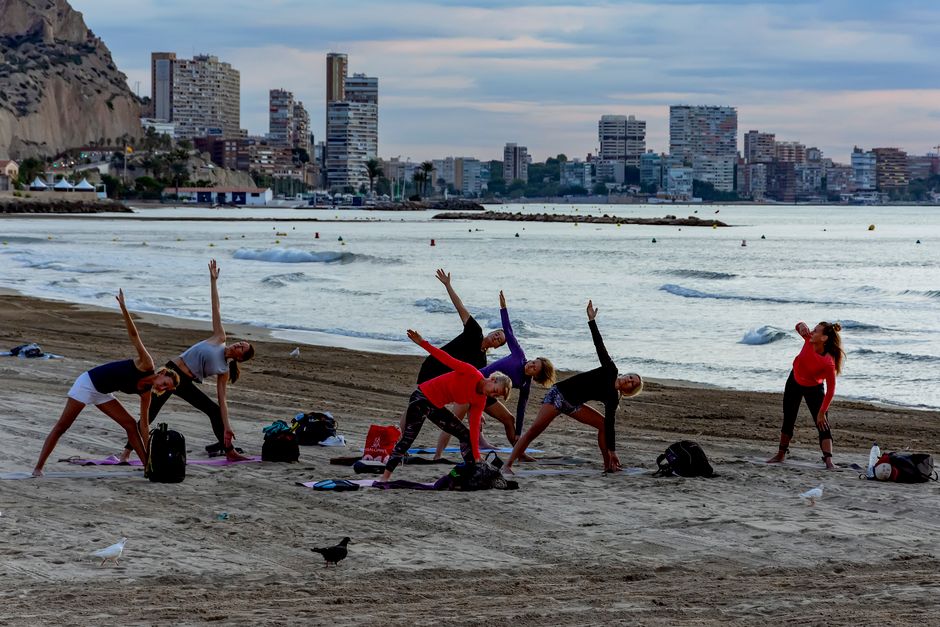
Nosara is well known for yoga, with drop-in classes and longer retreats available in the Guiones area. It is an easy activity to add to a beach trip, even if you are new to yoga. Class formats, prices, and booking rules vary, so check the studio schedule before you go.
Retreats and popular classes can fill up in busy periods. If you have a preferred teacher or time, reserve ahead. For a casual visit, ask whether the studio has mats to borrow or whether you should bring your own.
Tip 8 – Walk a section of the coastal trail
Some local paths connect beach areas and give you a break from driving. Ask your accommodation or a local business about current access and conditions, since routes can be muddy, overgrown, or affected by construction. Start in daylight and carry water.
Wear closed shoes for uneven ground and keep an eye out for wildlife. Do not assume that every path shown on a map is public or easy to use. If the route crosses private property, follow posted signs and ask before entering.
Tip 9 – Enjoy seafood in the fishing village of Garza
Garza offers a glimpse of a working coastal community and a change of pace from the wellness and surf scene around Guiones. Look for local seafood restaurants and ask what is fresh that day. Opening hours can be limited, so it is sensible to check before making a special trip.
Be flexible with the menu and remember that catch availability changes. If you have dietary needs, ask clearly before ordering. Garza is a good place to slow down and enjoy a simple meal rather than expect a large resort-style dining scene.
Tip 10 – Take a day trip to Playa Ostional
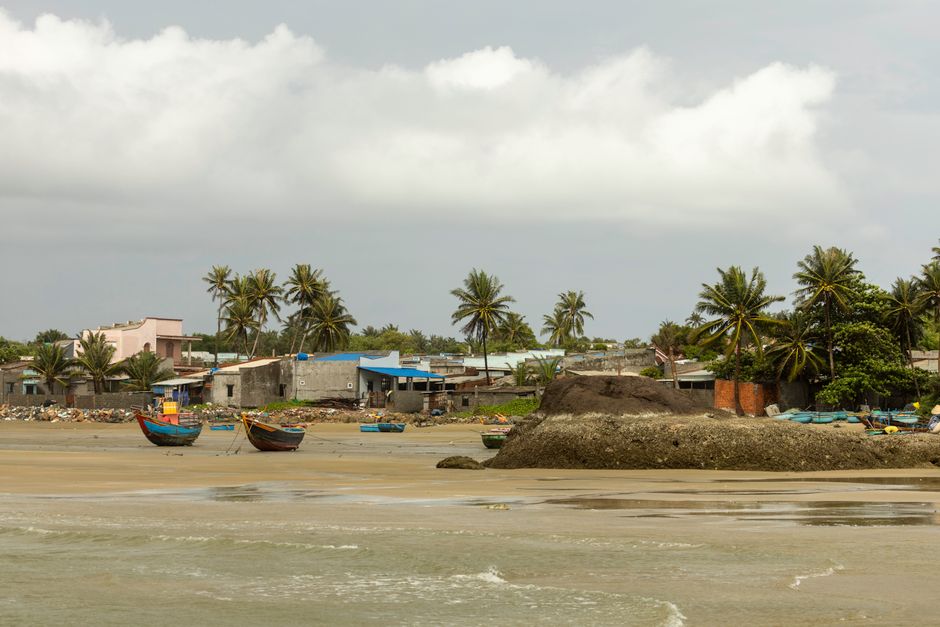
Ostional is a coastal village north of Nosara and a useful base for learning about the nearby wildlife refuge. The drive can be slow on unpaved sections, so allow extra time and check road conditions before setting out. If you are visiting for turtle activity, confirm the rules and whether guided access is available.
Plan a flexible day rather than relying on a strict schedule. Bring water, sun protection, and cash for small local purchases, while remembering that services may be limited compared with Guiones.
Tip 11 – Eat your way around Nosara
Nosara has a mix of Costa Rican sodas, cafés, bakeries, and international restaurants, especially around Guiones. A soda is a casual local restaurant where you can often find dishes such as casado, rice and beans, and fresh juice. Prices and menus vary, so eating away from the busiest beach streets can help keep costs down.
Try local fruit and ask about the daily special. If you have allergies or dietary restrictions, explain them clearly and check how food is prepared. Some restaurants close between meal periods or have different hours in quieter months.
Tip 12 – Choose a beach base that suits your plans
Guiones is convenient for surfing, yoga, and cafés. Pelada has a quieter, more residential feel and is close to its rocky beach. The village of Nosara is inland and offers a more local setting, while Garza suits travelers who want a fishing-village atmosphere.
These areas are spread out, and walking between them can be impractical in heat or rain. Compare accommodation location with your planned activities, and check whether your lodging can arrange transport or has a suitable vehicle for local roads.
Tip 13 – Plan a family-friendly beach day
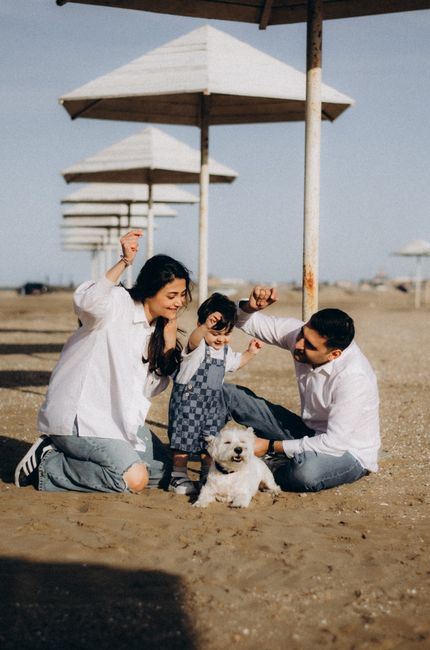
Families can enjoy beach time, beginner surf lessons, and easy meals around Nosara, but the waves and strong sun need attention. Choose a beach activity that matches children’s swimming ability, stay close in the water, and ask local instructors about conditions before booking a lesson.
Pack shade, snacks, refillable water bottles, and a change of clothes. If you are planning another family trip, this guide to fun things to do in Carlsbad with kids has ideas for a different kind of beach destination.
Tip 14 – Look for wildlife without disturbing it
Birds, reptiles, and other wildlife live in and around Nosara’s coastal habitats. You may spot animals during a guided mangrove trip or a quiet walk, but sightings are never guaranteed. A knowledgeable local guide can help you notice more while keeping a safe distance.
Do not feed wildlife or try to handle it. Keep food packed away, take rubbish with you, and avoid using bright lights around animals at night. These small choices help protect the area and make visits better for everyone.
Tip 15 – Visit in the season that fits your priorities
The dry season, generally from around December to April, often brings sunnier days and more visitors. The green season, roughly May to November, can mean lush scenery, fewer crowds, and heavier rain, particularly later in the year. Exact weather varies, and road conditions can change quickly.
Choose dates based on what matters most to you. If you want easier road travel and a lively atmosphere, the drier months may suit you. For a quieter stay, consider the shoulder or green season, but check accommodation access and transport plans before booking.
Tip 16 – Get around with the roads in mind
Nosara’s roads include unpaved and uneven sections, and heavy rain can make some routes difficult. A four-wheel-drive vehicle can be useful, but it does not remove the need to drive slowly and carefully. Check your rental agreement, insurance terms, and current road conditions before taking a vehicle onto rough roads.
Taxis and local transfers may be available, but service can be limited outside busy areas or at night. Ask your lodging to arrange a trusted driver, and agree on the fare before starting a trip. Avoid planning several distant stops in one day.
Tip 17 – Arrive with a realistic airport plan
Nosara has a small local airstrip, and some visitors use domestic flights from other parts of Costa Rica. These flights have their own schedules and baggage limits, so confirm details directly with the airline. Liberia International Airport is another option, but the onward drive takes time and road conditions affect the journey.
Leave a generous connection buffer if you are linking an international flight with a domestic one. For official visitor information and travel planning, start with Costa Rica’s official tourism website.
Tip 18 – Keep safety and practical apps in mind
Use a reliable map app with an offline map downloaded before you leave town. Mobile coverage can be inconsistent, and a phone battery may not last through a long beach day. Save your accommodation address and a local contact number offline as well.
At the beach, follow lifeguard or local guidance where available, watch for strong currents, and avoid swimming alone. Keep valuables out of sight and use a safe at your accommodation when possible. Costa Rica’s national emergency number is 9-1-1. For weather and hazard updates, check the Costa Rican National Emergency Commission.
Tip 19 – Pack for sun, rain, and rough roads
Pack light clothing, a hat, sunglasses, reef-conscious sun protection, and a refillable water bottle. A rash guard is useful for surfing, while sandals are handy around town and sturdy shoes help on uneven paths. In the rainy season, add a light rain jacket and a dry bag for electronics.
Bring any essential medication from home and keep it in its original packaging where practical. A small first-aid kit, insect repellent, and a portable charger can also be useful. Pack a modest amount of cash for small businesses, while using secure payment options for larger purchases.
Tip 20 – Book important activities early and avoid common mistakes
Reserve accommodation and popular surf lessons ahead for holiday periods and peak dry-season dates. For other activities, confirm availability, pickup arrangements, and cancellation terms directly with the provider. Do not assume that every business accepts cards or operates every day.
A common mistake is treating Nosara as a compact beach town and trying to walk everywhere or fit several distant stops into one afternoon. The area is spread out, roads can be slow, and weather affects travel. Build in extra time, check conditions, and leave room for a quiet beach day.
Quick Reference for Visiting Nosara
| Topic | Useful detail |
|---|---|
| Best known for | Surfing, beaches, yoga, and coastal nature |
| Main beach areas | Playa Guiones and Playa Pelada |
| Nature outing | Ostional Wildlife Refuge or a guided mangrove trip |
| Getting around | Local transfers, taxis, or a rental vehicle suited to road conditions |
| Typical weather pattern | Drier conditions around December to April; greener, wetter months around May to November |
| Pack | Sun protection, water, comfortable shoes, and rain gear in the green season |
| Emergency number | 9-1-1 in Costa Rica |
Practical Travel Tips for Nosara, Costa Rica
Local customs and useful phrases
Costa Ricans are often friendly and patient with visitors. A simple “buenos días” in the morning, “buenas tardes” in the afternoon, or “gracias” goes a long way. “Pura vida” is a familiar Costa Rican expression used as a greeting or a relaxed way to say that things are good.
Ask before taking close-up photos of people, respect signs and private property, and carry rubbish out of natural areas. Tipping practices can vary; check your bill to see whether a service charge is already included before adding more.
Budget and booking advice
Nosara can be expensive around the most popular beach areas, particularly during busy travel periods. Compare accommodation locations, ask whether taxes and transport are included, and check whether a kitchen is available if you plan to prepare some meals. Local sodas and simple lunches can be more affordable than dining out for every meal.
Book essential activities early, but leave flexibility for weather and surf conditions. Before paying a deposit, confirm the operator’s meeting point, transport arrangements, equipment, and refund policy.
Visa & Entry Requirements
Entry requirements for Costa Rica depend on your passport, travel purpose, planned length of stay, and the government policies in force when you travel. Visa rules, passport-validity requirements, electronic travel authorizations, vaccination rules, customs procedures, and permitted length of stay are not the same for every traveler. Do not rely on a rule shared by someone with a different passport or assume that a previous visit’s requirements still apply.
Before departure, check the current guidance from Costa Rica’s immigration authority or the Costa Rican embassy or consulate responsible for your location. The official Costa Rican Directorate General of Immigration and Foreigners is a useful starting point. If a rule is unclear, contact an official government office or your airline before travel. This information is general guidance, not legal advice or a guarantee of admission.
Check how long your passport must remain valid, whether you need blank pages, and whether you need a visa or electronic authorization. Confirm whether officials may ask for a return or onward ticket, proof of accommodation, or evidence that you can support your stay. Keep copies of your passport and travel documents separately from the originals.
Review any vaccination requirements that apply to your itinerary, including recent travel through other countries, using current official health guidance. Ask your doctor or a travel health clinic about personal medical advice well before departure. Requirements can change, so verify them again close to your travel date.
Consider travel insurance that covers medical care, trip disruption, and activities you plan to do, such as surfing. Read the policy carefully because coverage and exclusions differ. Check customs rules for food, medicines, cash, and items you plan to bring into Costa Rica, and make any required declarations truthfully. Keep confirmation of your lodging and onward travel accessible in case an airline or border official asks to see it.
Frequently Asked Questions About Things to Do in Nosara Costa Rica
What are the best things to do in Nosara Costa Rica?
Start with a surf lesson or beach day at Playa Guiones, then visit Playa Pelada for a walk and sunset. Other popular options include yoga, a guided mangrove trip, seafood in Garza, and a responsible visit to the Ostional area.
How many days should I spend in Nosara?
Three or four days gives you time for the main beaches, a surf or yoga session, and one nature outing. A week is better if you want a slower pace, several activities, or time to account for rain and changing surf conditions.
Is Nosara good for first-time surfers?
It can be, especially if you take a lesson with a local instructor who can choose an appropriate place and time. Surf conditions vary, so beginners should not enter the water alone or assume every wave is suitable for learning.
When is the best time to visit Nosara?
The drier months, generally December to April, tend to be popular for sunny beach weather. The green season can bring fewer visitors and lush scenery, but also heavier rain and slower road travel. Check forecasts and local road updates close to your trip.
Do I need a 4×4 in Nosara?
A four-wheel-drive vehicle can be helpful on rough or muddy roads, particularly during the rainy season, but conditions and routes vary. Check with your accommodation and rental company before choosing a vehicle, and confirm what your insurance allows.
Can I visit Ostional to see sea turtles?
You can visit the Ostional area, but turtle activity depends on natural timing and sightings are not guaranteed. Access rules may apply, especially during nesting events. Confirm current guidance and use an authorized local guide where required.
Is Nosara suitable for families?
Families can enjoy beach walks, food, and beginner activities, but ocean conditions and strong sun need care. Choose outings for your children’s ages and swimming ability, bring shade and water, and ask local providers about safety arrangements.
Conclusion
Things to do in Nosara Costa Rica include surf lessons, long beach walks, yoga, local seafood, and wildlife-focused outings. The area rewards travelers who keep their plans flexible and make time to enjoy each place rather than racing between beaches.
Choose a base that matches your priorities, allow extra time for local roads, and check conditions before heading out. With sensible sun and surf precautions, respect for wildlife, and a little advance planning, Nosara can be a relaxed and memorable part of a Costa Rica trip.
