
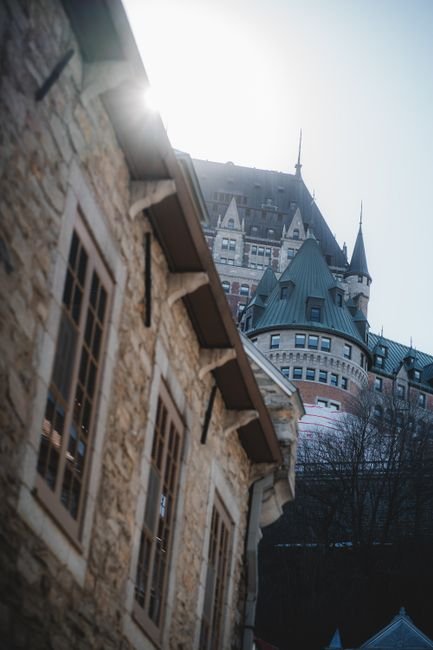
Key Takeaways
- Explore Upper and Lower Town on foot, using the funicular for steep climbs.
- Visit iconic sites like Château Frontenac, Dufferin Terrace, and the fortified walls.
- Sample local cuisine and enjoy café breaks in Petit‑Champlain.
- Use buses or ferries for longer trips, and plan extra time for museums or Montmorency Falls.
things to do in old quebec city range from walking historic lanes to tasting French-Canadian food, all in one of Canada’s most atmospheric destinations. The old town sits above the St. Lawrence River and is compact enough to explore on foot, though its hills and cobblestones call for comfortable shoes.
Québec City is in the province of Quebec, Canada, where French is the main language. You will hear English in many visitor areas, but a friendly “Bonjour” is a useful way to start a conversation.
For a first visit, plan at least two full days for Old Québec, including both Upper Town and Lower Town. Add another day if you want to visit museums, take a ferry across the river, or explore attractions outside the historic centre.
Quick Reference: Things to Do in Old Québec City
| Plan | Useful details |
|---|---|
| Best for | History, architecture, food, river views, and walkable sightseeing |
| Suggested stay | Two or three days for the old town and a few nearby attractions |
| Getting around | Walk in the historic centre; use local buses or a taxi for longer trips and steep climbs |
| Good time to visit | Late spring through fall for mild weather; winter for snow and seasonal events |
| What to wear | Comfortable walking shoes, layers, and weather protection suited to the season |
| Local currency | Canadian dollars |
20 Things to Do in Old Quebec City
Tip 1 – Walk the streets of Old Québec
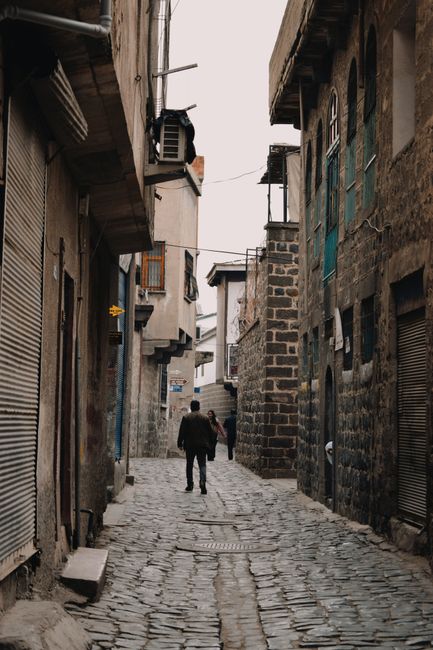
Start with a slow walk through the historic district, a UNESCO World Heritage site with stone buildings, narrow lanes, and old fortifications. Upper Town and Lower Town each have their own character, so leave time to explore both rather than rushing between landmarks.
Wear shoes with good grip. Some streets are steep, and uneven paving can be tiring after several hours.
Tip 2 – See Château Frontenac and Dufferin Terrace
The Château Frontenac is one of Québec City’s best-known landmarks. You can admire its distinctive towers from outside, then stroll along Dufferin Terrace for broad views of the river and the Lower Town.
The hotel is open to guests and visitors in certain areas, but access can vary. Check with the property before planning a visit inside.
Tip 3 – Ride the Old Québec Funicular

The funicular connects the Upper Town near Dufferin Terrace with Lower Town near Petit-Champlain. It is a simple way to avoid one steep climb and a fun way to see the hillside from a different angle.
There is a fare, and queues can form during busy periods. If you are comfortable with stairs, the nearby stair routes are free, but they can be demanding.
Tip 4 – Browse Petit-Champlain
Petit-Champlain is a picturesque shopping district known for its narrow streets, boutiques, cafés, and seasonal decorations. It is a pleasant place to browse local crafts and take a break, especially if you visit early in the day or later in the evening.
It can feel crowded around midday in summer and during holiday periods. Prices in the most central shops may also be higher than in areas farther from the main visitor routes.
Tip 5 – Visit Place Royale
Place Royale is a small historic square in Lower Town, surrounded by old stone buildings. The area helps explain the city’s French colonial history and makes a natural stop while exploring Petit-Champlain.
Look for Notre-Dame-des-Victoires Church and the surrounding architecture. The square is especially photogenic in softer morning or evening light.
Tip 6 – Explore Notre-Dame de Québec Basilica-Cathedral
This landmark church has a long history and an ornate interior. Check opening times before visiting, as services and special events can affect access. Be respectful if a service is underway and follow any photography guidance on site.
Admission arrangements may vary, so check the basilica’s current visitor information before you go.
Tip 7 – Walk part of the fortifications

Québec City is the only remaining fortified city north of Mexico in North America, and its walls are a defining feature of the old town. Walk along an accessible section to see gates, stonework, and views over the streets.
Conditions and access can change with weather and maintenance. If you want a fuller explanation of the city’s military history, look for a guided walk or visit the Citadelle.
Tip 8 – Take a guided tour of the Citadelle
The Citadelle of Québec is an active military installation and a historic site. Visitors generally explore it on a guided tour, which shares details about its role in Canada’s history and its continuing military use.
Check the official visitor information for opening dates, tour times, and admission details. The site is on a hill, so allow extra time for the walk there.
Tip 9 – Spend time on the Plains of Abraham
The Plains of Abraham are a large urban park close to the old town. Come for a walk, open space, seasonal activities, or a quiet pause between sightseeing stops.
The park is useful for families who need room to move around, but facilities and events vary by season. Check local notices if you are planning your visit around a specific activity.
Tip 10 – Take the ferry to Lévis for a river view

The ferry between Québec City and Lévis offers a memorable view back toward the old town and Château Frontenac. It works well as a short outing, especially around sunset, and does not require a full-day excursion.
Check the Québec-Lévis ferry schedule and service information before setting out. Weather, maintenance, and seasonal timetables can affect service.
Tip 11 – Visit the Musée de la civilisation
The Musée de la civilisation presents exhibitions on Québec, Indigenous cultures, history, and society. It is a good indoor choice on a rainy day or when you want more context after exploring the historic streets.
Exhibitions and hours change, so check the museum’s visitor information before you go. Families may find interactive displays that make a museum visit easier with children.
Tip 12 – Try Québec food beyond poutine
Québec City is a good place to sample local dishes such as tourtière, pea soup, maple treats, and poutine. Menus vary, and not every restaurant serves every specialty, so ask what is made locally or in season.
For a relaxed meal, look beyond the busiest streets around the main landmarks. A little research can help you find better value, but reservations are sensible for popular restaurants on weekends.
Tip 13 – Make time for a café or bakery stop

A café break is an easy way to slow down between walks. Look for a bakery or neighbourhood café for pastries, coffee, or a light lunch, and use the pause to warm up in winter or rest your feet in summer.
If you have dietary needs, check menus in advance or ask staff about ingredients. French phrases such as “sans gluten” or “sans produits laitiers” can help explain common requirements.
Tip 14 – See Montmorency Falls if you have extra time
Montmorency Falls is outside the historic centre, but it makes a worthwhile half-day trip for visitors who want a change of scenery. The waterfall is higher than Niagara Falls, though its overall setting and flow are different.
Plan transport and check current access, facilities, and seasonal conditions before leaving town. It is not a quick walk from Old Québec, so allow enough time for the return trip.
Tip 15 – Choose a neighbourhood walk beyond the busiest lanes
Old Québec is the main focus for many first-time visitors, but nearby streets and districts can offer a calmer look at everyday city life. Walk beyond the most photographed blocks, stop at local shops, and take a break where residents do their errands.
Respect residential areas, keep noise down in the evening, and avoid blocking doorways while taking photos.
Tip 16 – Plan around the season and weather
Summer brings long days and busy streets. Fall offers cooler walks and changing leaves, while winter can bring snow, ice, and seasonal events. Spring weather can shift quickly, so pack layers even when the forecast looks mild.
In winter, check walking conditions and choose shoes with reliable traction. Snow and ice can make steps and slopes more challenging than they look.
Tip 17 – Use local transit for longer trips
The historic centre is easiest to explore on foot, but local buses can help when you are tired or heading beyond the old town. Check routes and fares with the Québec City transit authority before travelling.
Taxi and ride-hailing availability can be useful for late trips or steep routes, but costs add up. If you rent a car, consider whether you really need it in the compact historic centre, where parking can be limited.
Tip 18 – Book popular experiences and check opening hours
In peak summer, on weekends, and during major festivals, reserve restaurant tables and timed attractions ahead when possible. Always confirm hours directly with the attraction, since schedules can change between seasons or for special events.
Keep a flexible plan rather than filling every hour. That leaves room for weather changes, a long lunch, or an unexpected street performance.
Tip 19 – Learn a few French phrases and local customs
Start with “Bonjour” when entering a shop or speaking with someone. “S’il vous plaît” means “please,” and “Merci” means “thank you.” Many people in visitor-facing jobs speak English, but making an effort in French is generally appreciated.
Service is not always included in restaurant bills in Canada. Check the bill and use your judgment about a tip for table service. Be polite, follow posted rules, and ask before photographing people closely.
Tip 20 – Avoid the most common tourist mistake
A common mistake is planning to see Old Québec quickly without accounting for its hills, stairs, and time spent in Lower Town. Map distances can look short, but the route may involve steep climbs or a slower walk over uneven surfaces.
Group nearby sights together, leave breaks between them, and use the funicular or local transport when it makes sense. If you enjoy comparing historic towns during your travels, see this guide to 20 Fun and Best things to do in eze for another compact destination with scenic streets and a distinct old-town feel.
Visa & Entry Requirements
Québec City is in Canada, and entry rules are set by the Canadian government. Visa, passport-validity, electronic travel authorization, vaccination, customs, and permitted length-of-stay rules depend on your passport and current government policy. Requirements can also depend on how you arrive, so do not assume that a rule you have used for another country applies here.
Before booking or travelling, check the Government of Canada’s official visitor visa and entry information. Confirm whether you need a visitor visa or an electronic travel authorization, and apply through the official process if required. Do not rely only on airline summaries, social media posts, or information intended for travellers with a different passport.
Check your passport’s expiry date and make sure it meets the requirements that apply to your situation. It is also sensible to have enough blank passport pages for travel documentation, though the exact requirement depends on your circumstances. Keep copies of your travel plans and be prepared to show return or onward travel and proof of accommodation if asked. These documents do not guarantee entry.
Travel insurance is a practical safeguard because visitors may face medical costs that are not covered by Canadian public health care. Review what your policy includes, including medical care, trip interruption, and any activities you plan to do. Check current vaccination guidance with official health authorities, particularly if you have a specific health concern.
Read the Canada Border Services Agency guidance for travellers before packing. Declare goods when required and check restrictions on food, plants, alcohol, tobacco, and other items. Rules can change, and border officers make decisions based on the details of each traveller’s case. This is general travel information, not legal advice. Use official Canadian government or embassy sources for the final requirements that apply to you.
Frequently Asked Questions
How many days do I need for things to do in old quebec city?
Two full days are a good starting point for the main streets, historic sites, and local food. Add a third day if you want to visit museums, take the ferry to Lévis, or make a trip to Montmorency Falls.
Is Old Québec easy to explore on foot?
Yes, many major sights are close together, but the area has steep streets, stairs, and uneven paving. Wear comfortable shoes and plan to use the funicular, bus, or taxi if a climb feels difficult.
What is the best time of year to visit Old Québec?
Late spring through fall is popular for comfortable outdoor sightseeing. Winter offers a different atmosphere, but snow and ice require suitable clothing and footwear. Check seasonal attraction hours before you travel.
Is Québec City suitable for families?
Yes. Families can enjoy the funicular, open space at the Plains of Abraham, museums, and short walks through the old town. The hills and cobblestones can be tiring with strollers, so plan breaks and check accessibility before choosing a route.
Can I visit Old Québec without speaking French?
Many people working in tourism speak English, but French is the main language in Québec. A greeting such as “Bonjour” and a polite “Merci” are helpful, and translation apps can assist with menus and signs.
What should I book in advance in Québec City?
Consider booking popular restaurants, guided tours, and timed attractions ahead during summer, weekends, and busy event periods. Check official schedules shortly before your visit because hours and services can change.
Is Old Québec safe for visitors?
It is a well-visited area, but normal travel awareness still matters. Keep valuables secure, watch your footing on icy or wet streets, and take care on steep stairs. In an emergency in Canada, call 911.
Conclusion
Things to do in old quebec city include historic streets, landmark buildings, museums, local food, river views, and peaceful green spaces. The best visit is not about rushing through every sight. It is about leaving time to notice the details and enjoy the city at a comfortable pace.
Plan for hills and changing weather, check opening times, and choose a few experiences that match your interests. With a little preparation, Old Québec makes a rewarding introduction to Québec City and to Canada’s French-speaking culture.
