
Key Takeaways
- Explore Marché de Papeete for fresh produce, crafts and souvenirs
- Stroll the waterfront and Place Vai'ete for food trucks and harbor views
- Sample Polynesian dishes like poisson cru and enjoy affordable roulotte meals
- Take ferries or guided tours to Moorea, Point Venus and local museums
things to do in papeete range from browsing a lively market to watching the sunset beside the harbour. Papeete is the capital of French Polynesia, an overseas collectivity of France on the island of Tahiti.
The city is often a short stop before visitors head to Moorea or another island, but it is worth making time for its waterfront, food, culture and everyday city life. Papeete is a working capital, not a classic beach resort, so expect busy streets and a distinctly local pace alongside tropical scenery.
This guide covers the best things to do in Papeete, plus practical advice on getting around, what to eat, when to visit and how to prepare for your stay.
20 things to do in papeete
Tip 1 – Start at the Papeete Market
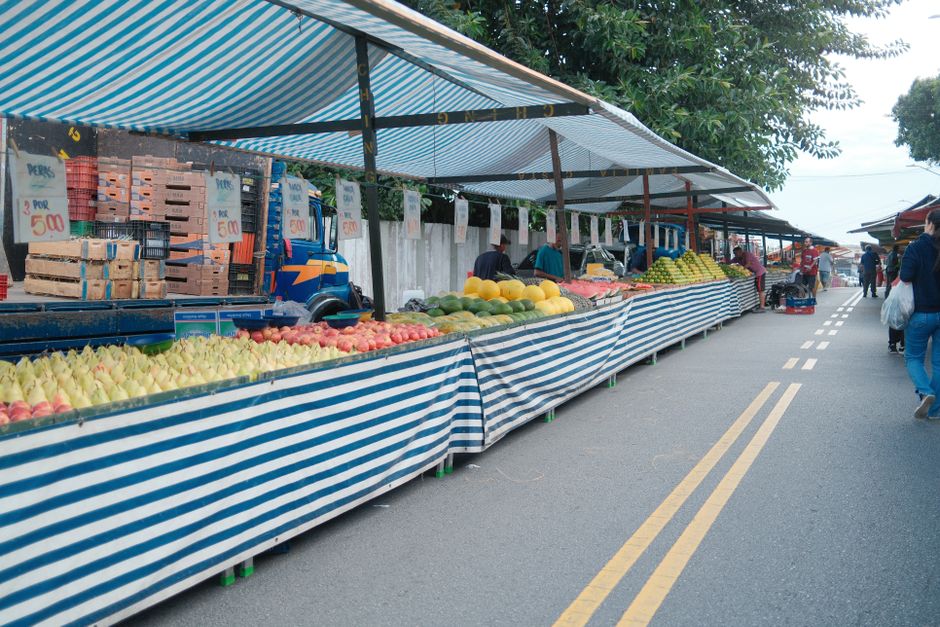
Marché de Papeete is one of the best places to get a feel for the city. Browse stalls selling tropical fruit, fish, flowers, woven crafts, pareos and souvenirs. Go early for the widest choice and a cooler, less crowded visit. Opening hours can vary, especially on Sundays and public holidays, so check locally before making a special trip.
It is a good place to buy a small gift, but compare prices and look for locally made items rather than assuming every souvenir was produced in French Polynesia.
Tip 2 – Walk the waterfront and Place Vai’ete
Follow the harbourfront promenade for views of boats, nearby mountains and the busy port. Place Vai’ete is especially lively in the evening, when food trucks known as roulottes often serve dinner. Seating and vendor hours can change, so arrive with some flexibility and bring cash as a backup.
Tip 3 – Visit Notre Dame Cathedral

Notre Dame Cathedral is a central landmark and a quiet stop while exploring downtown. Its bright exterior and island-inspired details make it easy to spot among the shops and offices. Dress respectfully if you go inside, and avoid visiting during a service unless you plan to attend.
Tip 4 – Explore the city centre on foot
Many central sights sit within a walkable area, including the market, cathedral, waterfront and shops. Walking is an easy way to notice small details and stop for a cold drink, but pavement conditions and shade vary. Wear comfortable shoes, carry water and take care crossing busy streets.
Tip 5 – Try local Polynesian food
Look for poisson cru, a popular dish of raw fish marinated with citrus and coconut milk. Menus may also include grilled fish, taro, breadfruit and other local ingredients. Ask about ingredients if you have allergies, and remember that restaurant portions and prices can vary widely.
Tip 6 – Eat at the roulottes
The roulottes offer a relaxed way to try local and international dishes, often at a more casual price than hotel restaurants. Choices may include fish, Chinese-style noodles, crêpes and grilled meat. Go early in the evening if you want to avoid the busiest period, and check that a stall is open before planning your meal around it.
Tip 7 – Learn about Tahitian culture at the Museum of Tahiti and the Islands

The Museum of Tahiti and the Islands is in Punaauia, outside central Papeete. Its exhibitions help visitors understand Polynesian history, culture and natural environment. Check the museum’s official website for current opening details and exhibitions before travelling there.
Tip 8 – Spend time in Paofai Gardens
Parc Bougainville and the larger Paofai Gardens offer green space close to the centre. They are pleasant places for a slow walk or a short break between sightseeing stops. The gardens are not a substitute for a beach day, but they provide a welcome pause from traffic and sunshine.
Tip 9 – Browse Tahitian black pearls
Papeete has shops selling Tahitian black pearls, from simple pieces to high-value jewellery. Compare several sellers, ask for clear information about grading and origin, and request a receipt. Prices depend on qualities such as shape, lustre, size and surface, so do not feel pressured to buy quickly.
Tip 10 – Take a harbour or island-view break

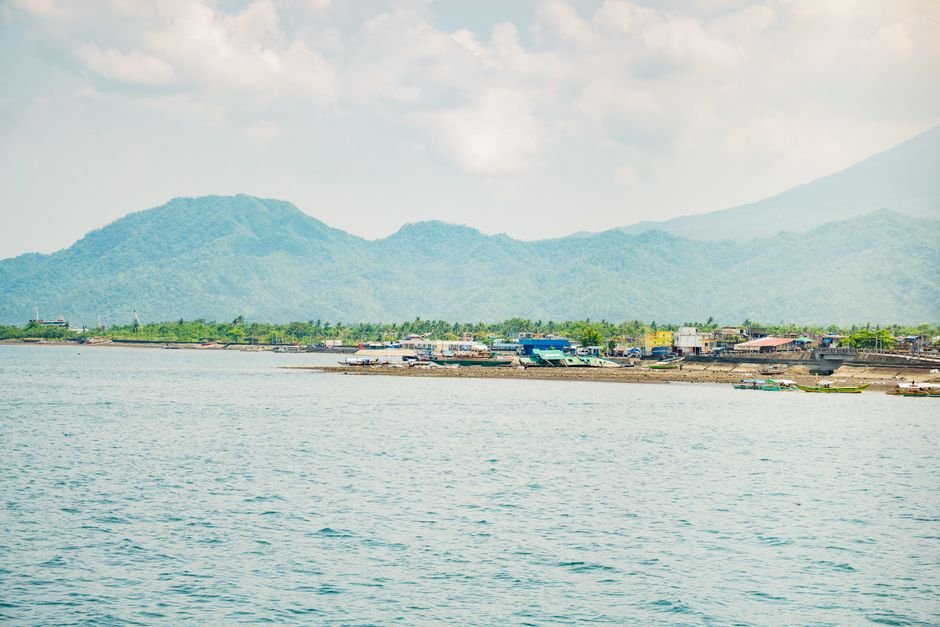
Pause along the waterfront to watch ferries and ships move through the harbour, with Tahiti’s green slopes behind the city. It is a simple activity, but it gives you a sense of Papeete as a working port as well as a visitor destination. Bring sun protection because shaded seating is not always available.
Tip 11 – Visit the Robert Wan Pearl Museum if it is open
The Robert Wan Pearl Museum has been a well-known stop for learning about pearl cultivation and the role of pearls in French Polynesia. Visitor access and opening arrangements can change, so confirm directly before you go rather than relying on an old travel listing. If it is closed, pearl shops and the market still offer chances to learn about local pearl products.
Tip 12 – Take a day trip to Point Venus
Point Venus is in Mahina, northeast of central Papeete. The peninsula is known for its lighthouse, shoreline and historical connections, and it makes a worthwhile outing if you have extra time on Tahiti. It is outside the city centre, so plan transport in advance and check the weather before setting out.
Tip 13 – Plan a ferry trip to Moorea
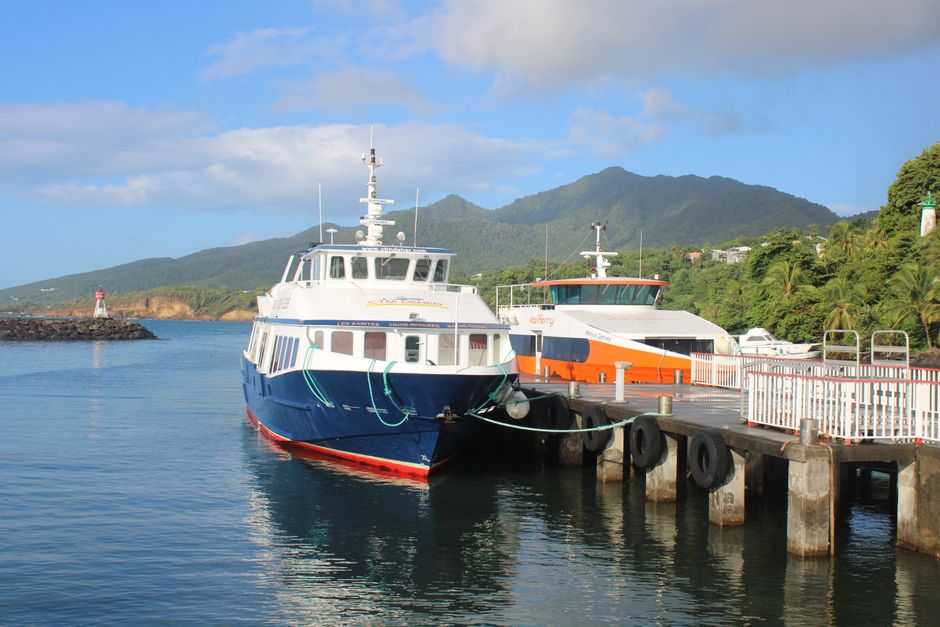
Papeete is the main departure point for ferries to Moorea, making the neighbouring island an easy addition to a Tahiti stay. Check departure times, fares and vehicle requirements with the ferry operator, and leave a comfortable buffer if you have a flight on the same day. A day trip is possible, though an overnight stay gives you more time to explore.
Tip 14 – See a performance or festival
When events are on, music and dance performances offer a memorable way to experience Polynesian culture. Heiva i Tahiti is a major annual cultural festival, usually held around July, but dates and programme details vary. Check local event listings and book ahead for popular performances.
Tip 15 – Shop for local crafts and pareos
Beyond the market, central Papeete has shops selling clothing, artwork, vanilla, monoi products and handmade gifts. Ask about the maker and materials if local origin matters to you. Pack fragile purchases carefully, and check airline baggage and customs rules before buying food products or valuable items.
Tip 16 – Take a guided tour of Tahiti
A guided island tour can help you see more of Tahiti’s coastline, viewpoints and inland scenery without arranging every stop yourself. Tours vary in route, duration and group size. Ask what is included, whether meals and entrance fees are extra, and how much time is spent travelling between stops.
Tip 17 – Find a family-friendly pace
Families can keep a Papeete day simple with the market, gardens, waterfront and an early dinner at a roulotte. Heat, humidity and limited shade can make long sightseeing days tiring for children. Plan regular breaks, carry drinking water and check whether a restaurant can accommodate young children before peak dinner time.
Tip 18 – Make room for a low-cost city day
Some of the most enjoyable things to do in Papeete cost little or nothing: walking downtown, visiting public gardens and watching harbour life. Set aside money for meals and transport, since imported goods and some activities can be expensive. If you are comparing itineraries for other lively capitals, see 20 Fun and Best things to do in Colombo for another city guide.
Tip 19 – Choose the right time of year
Tahiti has a warm tropical climate year-round. The drier months are generally from May to October, while the warmer, wetter season is usually from November to April. Rain can happen at any time, and weather conditions may affect outdoor plans. For current events and trip-planning ideas, consult Tahiti Tourisme’s official visitor information.
Tip 20 – Avoid the most common visitor mistake
A common mistake is treating Papeete as if it were a resort beach town. The city is a useful base for culture, food, shopping and transport, but swimming and beach time may require travelling beyond the centre. Plan a mix of city activities and island outings, and do not leave all your Papeete sightseeing for a rushed airport layover.
Quick reference for visiting Papeete
| Topic | Practical note |
|---|---|
| Best for | Markets, food, culture, shopping and ferry connections |
| Suggested time | Allow one full day for central sights, or longer for Tahiti excursions |
| Getting around | Walk downtown; use taxis, buses or arranged tours for farther stops |
| Useful cash | Carry some CFP francs for small purchases and food stalls |
| Weather | Warm year-round; bring rain protection and sun protection |
| Local language | French and Tahitian are widely used; English is common in many visitor services |
| Bookings | Confirm tours, ferries and event schedules in advance, especially in busy periods |
Practical tips for your Papeete visit
Getting around Papeete
The city centre is manageable on foot, but attractions outside central Papeete require another plan. Local buses serve parts of Tahiti, though routes, schedules and payment options may not suit every visitor. Check the Tere Tahiti public transport information before relying on a bus for a timed appointment or tour.
Taxis are convenient for direct trips, but agree on the fare or confirm how it is calculated before you set off. Rental cars make it easier to explore Tahiti beyond the city, while guided tours can be simpler if you prefer not to drive.
Money, connectivity and useful apps
The currency is the CFP franc, also called the Pacific franc. Cards are accepted at many hotels and larger businesses, but small vendors may prefer cash. Ask your bank about foreign transaction fees and keep a separate payment method somewhere safe.
Mobile coverage is available in populated areas, but data plans and roaming charges depend on your provider. Download maps for offline use before arrival, save hotel and tour details, and check ferry or bus information directly with operators because schedules can change.
Safety, health and emergency help
Papeete is a busy urban centre, so use ordinary city precautions. Keep valuables secure, be alert around traffic and avoid leaving bags unattended. At night, stick to well-lit areas and use a trusted taxi or prearranged ride if you are unsure of the route.
Heat and strong sun can catch visitors off guard. Drink water, use sunscreen and take breaks. For an emergency in French Polynesia, ask your accommodation or a local official for the appropriate service and current contact number. The international number 112 may connect to emergency services from a mobile phone, but do not rely on it without confirming local arrangements.
Local customs and a few useful phrases
A friendly greeting goes a long way. French is widely used in public life, and Tahitian is an important local language. Try “Ia ora na” for hello and “Māuruuru” for thank you. Ask before photographing people, respect religious spaces and follow local guidance when visiting cultural sites.
What to pack and what to book ahead
Pack light, breathable clothes, comfortable walking shoes, a reusable water bottle, sun protection and a compact rain jacket. Bring swimwear for excursions outside the city, but do not assume central Papeete is a beach destination.
Book accommodation, popular island tours and festival performances ahead during busy travel periods. Confirm ferry times close to departure and leave extra time when connecting to an international flight. The Tahiti-Faa’a International Airport website is a useful place to check airport information.
Visa & Entry Requirements
Papeete is in French Polynesia, an overseas collectivity of France. Entry rules for French Polynesia are not identical for every visitor, and requirements depend on the passport you hold and the current policies that apply to your route and length of stay. Do not assume that a rule for mainland France, another French territory or a different nationality automatically applies to your trip.
Before booking or travelling, check the official France-Visas website and the French Polynesia government website. If the information is not clear for your circumstances, contact the relevant French embassy or consulate, or the competent local government service. Official requirements can change, so check again close to departure.
Confirm whether your passport needs a particular period of validity beyond your planned stay and whether it needs blank pages. Check whether you require a visa or electronic travel authorization, including for any transit countries on your route. Rules can depend on your nationality, purpose of travel, length of stay and travel itinerary. Make sure the names on your travel documents match your tickets.
Airlines or border officials may ask for evidence of onward or return travel and details of where you will stay. Keep accommodation confirmations and travel insurance information accessible. Vaccination or health documentation requirements can change and may depend on where you have travelled before, so consult current government health guidance rather than relying on old advice.
French Polynesia has customs rules for goods entering the territory. Check official customs guidance before bringing food, plants, animal products, medicines or valuable goods, and declare items when required. These requirements can differ from rules in other destinations. Carry prescriptions or supporting documents for necessary medication where appropriate.
This is general travel information, not legal advice or a guarantee of entry. The final decision rests with the relevant authorities. Verify all visa, passport-validity, authorization, vaccination, customs and length-of-stay requirements with official sources for your own passport and circumstances before departure.
Frequently asked questions about things to do in Papeete
Is Papeete worth visiting?
Yes, especially if you enjoy markets, Polynesian culture, local food and waterfront walks. It is also a practical transport hub. Papeete has a different feel from a beach resort, so plan separate time for beaches and island scenery elsewhere on Tahiti or nearby islands.
How many days should I spend in Papeete?
One full day is enough to see several central sights at a relaxed pace. Two or more days allow time for a museum visit, a Tahiti excursion or a ferry trip to Moorea. Your ideal stay depends on whether you want to explore the city or use it mainly as a stopover.
What are the best free things to do in Papeete?
Walk around the central market area, explore the waterfront and spend time in public gardens. Browsing shops and watching harbour activity are also easy ways to experience the city without paying for a tour.
What should I eat in Papeete?
Try poisson cru, grilled fish and dishes made with local produce. The roulottes are a popular option for a casual evening meal, with a variety of local and international food. Ask about ingredients if you have dietary needs.
Can I get around Papeete without a car?
Yes, central sights are walkable, and taxis, buses and tours can help with longer trips. A car is useful for exploring more of Tahiti, but it is not essential for a short city visit. Check public transport routes and operating times before relying on them.
Is Papeete safe for tourists?
Most visits are trouble-free, but use normal precautions in busy streets and at night. Secure your belongings, watch traffic and ask your hotel for local advice about areas and transport. Heat and sun exposure are also worth taking seriously.
What is the best time to enjoy things to do in Papeete?
The drier period, generally May to October, is often comfortable for outdoor plans, though showers can occur year-round. Market mornings and evenings at the waterfront are usually more pleasant than the hottest part of the day. Check local calendars if you hope to attend a festival or performance.
Conclusion
The best things to do in Papeete combine everyday city life with Polynesian culture. Visit the market, stroll the waterfront, try a local meal and leave room for a museum or an excursion beyond the centre.
Plan for Papeete as a lively capital and transport hub rather than a resort town. With comfortable shoes, a flexible schedule and a little advance checking, you can enjoy the city and use it as a rewarding starting point for exploring Tahiti and French Polynesia.
