

Key Takeaways
- Plan ahead, map routes, and prioritize highlights to manage Pompeii’s large site.
- Wear supportive shoes, bring water, sun protection, and a charged phone.
- Use the Porta Marina entrance near the Forum and the Pompei Scavi‑Villa dei Misteri station.
- Consider adding Mount Vesuvius or Herculaneum, but allow extra time and transport.
things to do in pompeii range from walking ancient streets frozen in time to sampling local food in the modern town. Pompeii is in Campania, southern Italy, about 25 kilometres southeast of Naples.
The archaeological site is the main reason to visit, but it is only part of the experience. You can also see Mount Vesuvius, visit the nearby town, or add Herculaneum to your itinerary.
Pompeii is a large, exposed site, so a little planning makes a big difference. Choose comfortable shoes, allow plenty of time, and check the official site for current opening details before you go.
Whether you have a few hours or a full day, this guide covers practical ways to explore Pompeii, Italy, at a comfortable pace.
Quick Reference for Things to Do in Pompeii
| Plan | Useful detail |
|---|---|
| Best for | Ancient Roman history, archaeology, and day trips from Naples |
| Time needed | At least 4 hours for highlights, or a full day for a slower visit |
| Nearest rail stop | Pompei Scavi-Villa dei Misteri for the archaeological site entrance |
| Best season | Spring and autumn for milder walking weather |
| Bring | Water, sun protection, comfortable shoes, and a charged phone |
| Check before going | Opening hours, ticket rules, and which areas are open |
20 Things to Do in Pompeii
Tip 1 – Start at the archaeological park entrance

Begin your visit at the entrance nearest the places you most want to see. The Porta Marina entrance is close to the Forum and many central streets. If arriving by the Circumvesuviana train, Pompei Scavi-Villa dei Misteri station is a short walk from this entrance.
Check the Pompeii Archaeological Park official website for current tickets, opening times, access notices, and visitor rules. These details can change, and some buildings may close temporarily.
Tip 2 – Walk through the Forum
The Forum was the civic and commercial heart of ancient Pompeii. From here, you can see important public buildings and get a sense of how the city was arranged around its main square.
Look beyond the columns and imagine the everyday activity that once filled the space. Visit earlier in the day if you want time to pause, take photos, and read the on-site information without feeling rushed.
Tip 3 – Follow the stone streets and stepping stones

Walking the old streets is one of the simplest and most memorable things to do in Pompeii. Notice the raised stepping stones, which helped people cross streets while allowing water and waste to flow along the road.
The ancient paving is uneven and can be hard on ankles. Take your time, watch where you step, and avoid relying on a stroller with small wheels.
Tip 4 – Look inside the preserved houses
Pompeii’s houses reveal details that large public sites cannot. Depending on what is open, look for painted walls, inner courtyards, fountains, and rooms arranged around an atrium.
Access to individual buildings can change. Use the park’s current map and follow staff directions rather than making a fixed list of houses your only plan.
Tip 5 – Visit the Garden of the Fugitives
This area contains plaster casts made from voids left in the ash, showing the final moments of people caught in the eruption. It is a powerful and somber part of a visit, and some travelers may prefer to skip it.
Take a quiet moment here and be mindful when taking photographs. The casts represent real people, not theatrical displays.
Tip 6 – See the amphitheatre
Pompeii’s amphitheatre is among the oldest surviving Roman amphitheatres. It stands toward the eastern side of the archaeological site, so visiting it can help you explore beyond the central Forum area.
Check your map before setting off. The distance between attractions can be greater than it looks, especially in summer heat.
Tip 7 – Explore the House of the Faun if it is open
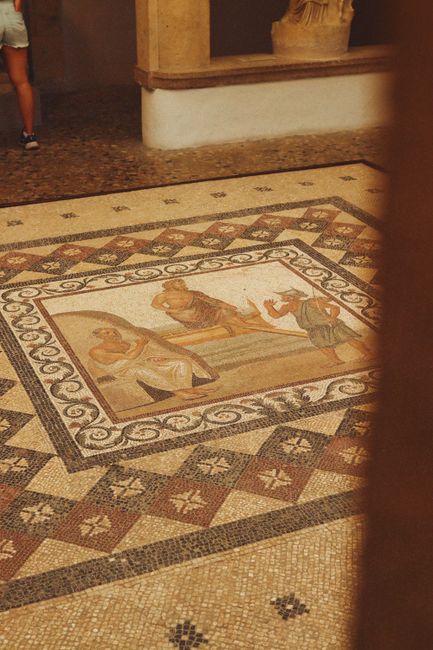
The House of the Faun is one of Pompeii’s best-known residences. Its scale and layout give a useful picture of how wealthy families lived in the city.
Rooms and routes can be affected by conservation work, so treat this as a possible highlight rather than a guaranteed stop. If it is closed, there are many other homes and public spaces to explore.
Tip 8 – Make time for the Villa of the Mysteries
Outside the main group of streets, the Villa of the Mysteries is known for its large painted room and vivid wall decoration. It is a rewarding addition if you have enough time and the route is open.
It takes extra walking to reach, so consider your energy and the weather before adding it to a short visit. A map can help you plan a route that avoids doubling back.
Tip 9 – Use the site map and plan a loose route
Pompeii is not a compact museum. It covers a broad area, and some paths are rough or exposed. Choose a few priorities, then leave room for discoveries along the way.
Download or pick up a current map and check your phone battery before entering. Do not assume that mobile service or shade will be available everywhere.
Tip 10 – Take a break in the shade and refill your water
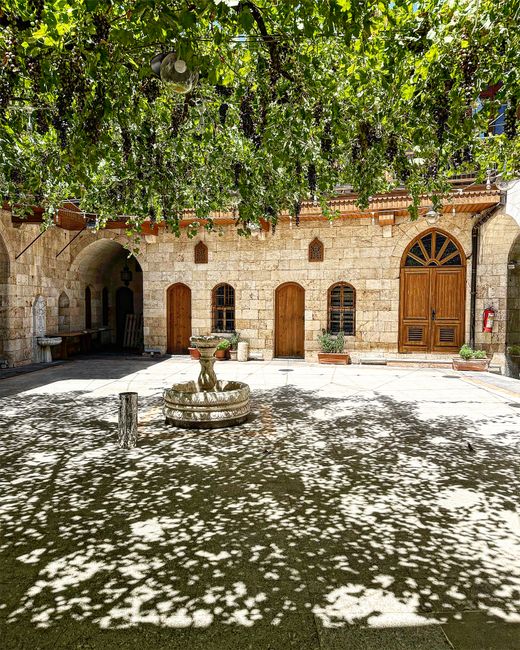
Much of the archaeological site has little shade. Bring drinking water, sun protection, and a hat, particularly from late spring through early autumn.
Take regular breaks rather than waiting until you feel exhausted. Food and drink options inside the site may be limited or busy, so check what is available and consider carrying a small snack if permitted by current rules.
Tip 11 – Take a guided tour if you want historical context
A licensed guide can connect buildings and objects to the people who lived in Pompeii. This can be especially helpful if you have limited time or are visiting the site for the first time.
Compare tour length, meeting point, group size, and what the price includes before booking. If you prefer to explore independently, use an official map and read the signs as you go.
Tip 12 – Add Mount Vesuvius if the conditions suit you
Mount Vesuvius rises above the Bay of Naples and is closely connected with Pompeii’s history. A visit can be a memorable addition, but it involves extra transport and walking and is best planned as a separate part of the day.
Check access, weather, and transport arrangements before setting out. Do not assume you can visit the volcano and explore the archaeological site thoroughly in one rushed day.
Tip 13 – Consider a separate visit to Herculaneum

Herculaneum is another Roman town preserved by the eruption of Vesuvius. Its smaller scale makes it a useful comparison with Pompeii, though it is a separate archaeological site with its own entrance and ticket arrangements.
If you want to see both, allow enough time for travel and walking. Many visitors find that giving each site its own half-day or day is more enjoyable than squeezing both into a tight schedule.
Tip 14 – Try local food in the modern town
After exploring the ruins, take time to eat in the modern town of Pompei. Look for Campanian dishes such as pizza, pasta, seasonal vegetables, and pastries, then compare menus and prices before choosing a restaurant near the busiest entrances.
For a relaxed meal, walk a little away from the main tourist flow. Ask what is made in-house and check whether a service charge or cover charge is listed on the menu.
Tip 15 – Leave time for the Sanctuary of the Madonna of the Rosary
The Sanctuary of the Madonna of the Rosary is an important place of worship in the modern town. It offers a different perspective on Pompeii beyond the ancient ruins and is easy to pair with a meal or a short walk through town.
Dress respectfully and keep your voice low if services or prayer are taking place. Check local access arrangements before visiting.
Tip 16 – Choose spring or autumn for easier walking
Spring and autumn often bring more comfortable conditions for spending hours outdoors. Summer can be very hot, while winter visits may bring rain or shorter daylight hours.
Whatever the season, check the forecast and the archaeological park’s opening information. Arriving early can mean cooler temperatures and a calmer start, especially during busy travel periods.
Tip 17 – Book important parts of your visit in advance
Review ticket and entry rules before travel, particularly during holidays and peak season. If you plan to join a guided tour or travel onward to Vesuvius, confirm the meeting point, timing, and cancellation terms before paying.
Use the official park website for archaeological site information and the EAV regional transport website to check relevant local rail and bus services. Timetables and service conditions can change.
Tip 18 – Use public transport and keep an eye on your belongings
Trains connect Pompeii with Naples and other towns in the region. Check which station serves your destination: Pompei Scavi-Villa dei Misteri is close to the archaeological park, while other services may stop at stations farther from the entrance.
Keep valuables secure in crowded stations and trains, and allow extra time for connections. If arriving by air, use the official Naples International Airport website to check current airport information.
Tip 19 – Pack for uneven paths and a full day outside
Wear supportive shoes with a good grip. The ancient roads can be uneven, and some paths may be dusty, slippery, or difficult after rain. A small day bag is easier to carry than bulky luggage.
Pack water, sunscreen, a hat, a portable phone charger, and any medication you need. Carry only what you are comfortable keeping with you throughout the visit, and check the park’s current rules on bags and permitted items.
Tip 20 – Avoid the most common Pompeii planning mistake
The most common mistake is underestimating the site’s size and trying to see every famous building in a few hours. Choose a manageable route, build in rest stops, and accept that you will not see everything in one visit.
If you are planning several trips and enjoy comparing destination guides, you may also like this guide to 20 Fun and Best things to do in coral springs. For Pompeii, though, keep the day focused on the archaeological site and nearby Campania experiences.
Visa & Entry Requirements
Pompeii is in Italy, and entry requirements depend on the passport you travel with and the government rules in force on your travel dates. Italy is part of the Schengen Area, but that does not mean the same visa or stay conditions apply to every visitor. Check the Italian Ministry of Foreign Affairs’ official visa information portal and, when needed, the Italian embassy or consulate responsible for your place of residence.
Before leaving, confirm that your passport meets the validity rules that apply to your situation and has enough blank pages for the journey. Check whether you need a visa or an electronic travel authorization, how long you may stay, and whether your planned travel dates fall within the permitted period. Authorization systems and entry rules can change, so use current government guidance rather than relying only on an old booking email or travel forum.
Border officials may ask about your return or onward journey, accommodation, travel plans, or ability to support yourself during the visit. Keep relevant booking details accessible, whether on your phone or in print. Travel insurance is also worth arranging for medical care, trip disruption, and other unexpected costs, although the policy you need depends on your circumstances.
Vaccination requirements, customs rules, and declarations depend on your passport, point of departure, items you are carrying, and current policy. Check official advice before bringing food, medicines, cash, or goods that may need to be declared. Do not assume that an allowance or rule from another country applies in Italy.
These checks are general travel guidance, not legal advice or a guarantee of admission. For the final requirements, consult the official Italian government source and the relevant embassy or consulate shortly before departure. Keep copies of key documents separate from the originals and make sure your travel plans match the conditions attached to any visa or authorization.
Frequently Asked Questions About Things to Do in Pompeii
How many hours do you need to visit Pompeii?
Allow at least four hours for a highlights visit. A full day gives you more time to see the Forum, houses, amphitheatre, and other areas without rushing. The site is large, and walking between attractions takes time.
What are the best things to do in Pompeii on a first visit?
Start with the Forum, walk along the ancient streets, and visit a selection of preserved houses and public buildings. Add the amphitheatre or Villa of the Mysteries if time and access allow. Check the current map because open areas can vary.
Can you visit Pompeii as a day trip from Naples?
Yes. Many travelers visit Pompeii from Naples by train. Check the route, station, and timetable before travelling, and leave enough time for the site itself as well as the journey.
Is Pompeii suitable for children?
It can be an engaging visit for children who enjoy history and exploring outdoors. The site has uneven ground, limited shade, and long walking distances, so bring water and plan breaks. Strollers with small wheels may be difficult on the old streets.
Can you visit Pompeii and Mount Vesuvius on the same day?
It may be possible with careful planning, but both visits need time and travel between them. If you want to explore Pompeii in depth, consider visiting Vesuvius on another day or choosing one main activity.
What should I wear to Pompeii?
Wear comfortable walking shoes with a good grip and clothing suited to the forecast. In sunny weather, bring a hat and sunscreen. The site is exposed, and the ancient paving is uneven.
Is Pompeii worth visiting without a guide?
Yes. You can explore independently with a map and the information available at the site. A guide can add context and help you use limited time well, so choose based on your interests and budget.
Conclusion: Plan a Memorable Visit to Pompeii
The best things to do in Pompeii combine its ancient streets and public buildings with time to notice the smaller details. Start early if you can, choose a realistic route, and leave room for breaks in the heat.
Check official information before your visit, wear shoes suited to rough stone paths, and decide whether you want to add Herculaneum or Mount Vesuvius. You do not need to see everything in one day to appreciate what makes Pompeii special.
With a little preparation, things to do in Pompeii can fill a rewarding day in Campania and give you a close look at one of Italy’s most remarkable historic places.
