
Key Takeaways
- Historic streets, lively markets and Portuguese architecture await in the city centre.
- Nearby natural wonders like Sete Cidades and Lagoa do Fogo are easily reachable.
- Seafood, pineapple specialties and local wines define the culinary scene.
- Family‑friendly attractions and day‑trip options suit all travel styles.
Ponta Delgada, the capital of Portugal’s Azores archipelago, blends Atlantic charm with a vibrant urban pulse. If you are searching for Things to do in Ponta Delgada, you have landed in a place where historic cobblestones meet volcanic landscapes, and fresh seafood is served alongside fragrant pineapple liqueur. This guide walks you through the city’s highlights, day‑trip possibilities and practical tips so you can plan a well‑rounded visit.
From strolling along the marina to exploring volcanic craters just a short bus ride away, the options are diverse and accessible. Whether you travel solo, as a couple, or with family, Ponta Delgada offers a welcoming base for adventure, culture and relaxation.
Explore the Historic City Centre
Walking the Streets of Baixa
The Baixa district is the heart of Ponta Delgada’s historic core. Meander along Rua de São Sebastião, a pedestrian‑only street lined with 18th‑century façades, boutique shops and lively cafés. The architecture reflects Portuguese colonial influence, with azulejo tiles adding bursts of colour. Stop at the Portas da Cidade, the old city gates, for a photo opportunity and a glimpse into the town’s fortified past.
Don’t miss the Fortaleza de São Brás, a 16th‑century military fort that now houses a museum of maritime history. Its thick stone walls and cannon displays illustrate the strategic importance of the Azores for Atlantic navigation. The surrounding gardens provide a quiet spot to rest after a busy morning.
For a deeper dive into local life, visit the Mercado da Graça. This covered market offers fresh produce, regional cheeses, and the famous bolo lêvedo (Azorean flatbread). Engaging with stall owners can lead to recommendations on hidden eateries and seasonal specialties.
Religious Heritage
The Church of São José dominates the skyline with its ornate baroque façade and twin bell towers. Inside, gilded altarpieces and intricate woodwork showcase the island’s artistic traditions. Nearby, the Convent of Our Lady of Hope provides a serene cloister garden, perfect for quiet contemplation.
Another must‑see is the Cathedral of the Holy Savior (Sé). Its simple yet elegant design reflects the early Portuguese colonial style. The cathedral’s interior houses a small museum with relics from the island’s early settlement period.
These religious sites are not only architectural gems but also cultural touchstones that host festivals throughout the year. If you time your visit during a local feast, you may witness processions, traditional music and communal meals.
Discover the Natural Wonders Around Ponta Delgada
Sete Cidades – Twin Lakes and Volcanic Craters
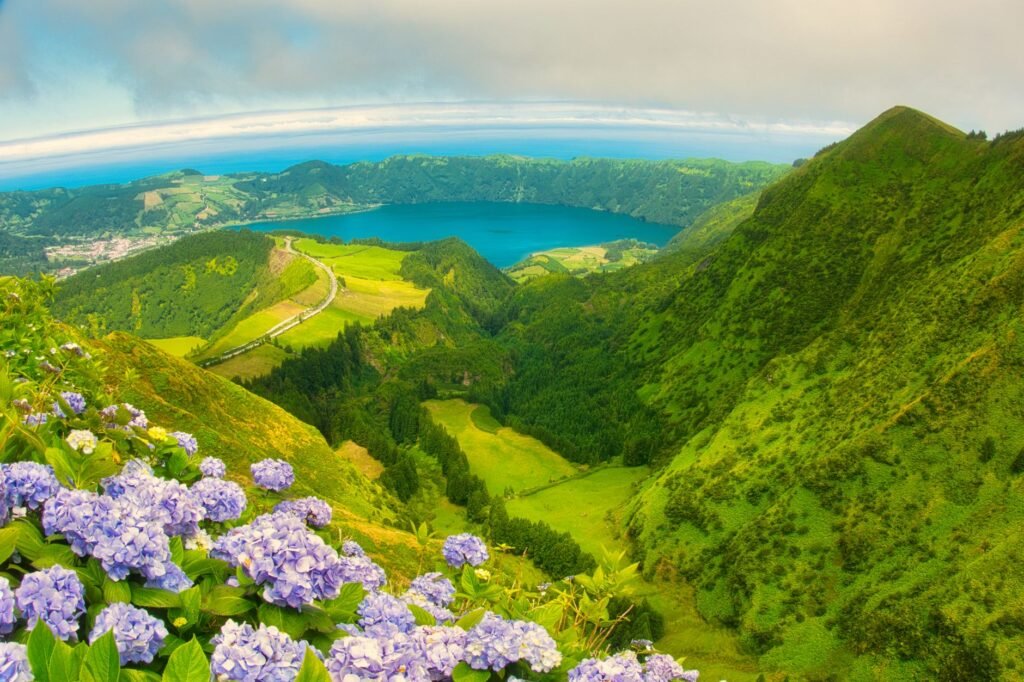
Only a 30‑minute drive from the city, the Sete Cidades basin is one of the Azores’ most iconic landscapes. Two contrasting lakes, Lagoa Verde and Lagoa Azul, sit within a massive volcanic caldera, framed by lush hills and dramatic cliffs. The viewpoint at Miradouro da Vista do Rei offers a classic postcard perspective.
Hiking enthusiasts can explore the network of trails that wind around the rim, leading to secluded viewpoints and ancient lava fields. The Trilho do Rei loop is a moderate path that takes about two hours and provides opportunities for birdwatching, especially for endemic Azorean species such as the Azores bullfinch.
For families, a short walk to the lakeside promenade provides safe, flat ground for children to play while parents enjoy the scenery. Pack a picnic and take advantage of the designated areas near the lakeshore.
Lagoa do Fogo – Pristine High‑Altitude Lake
Lagoa do Fogo sits at an altitude of roughly 950 metres, nestled in the centre of the island’s central volcanic massif. The lake’s crystal‑clear waters are fed by natural springs, and the surrounding pine forest creates a tranquil atmosphere.
Reaching the lake requires a hike of about 4 kilometres from the trailhead at Ribeira Grande. The path is well‑marked and suitable for moderate fitness levels. Along the way, interpretive signs explain the geological formation of the crater and the unique flora of the Azores highlands.
Because the lake is a protected nature reserve, swimming is prohibited, but you can enjoy the view from the designated lookout points. The experience is especially rewarding at sunrise when mist often hovers over the water.
Coastal Walks and Beaches
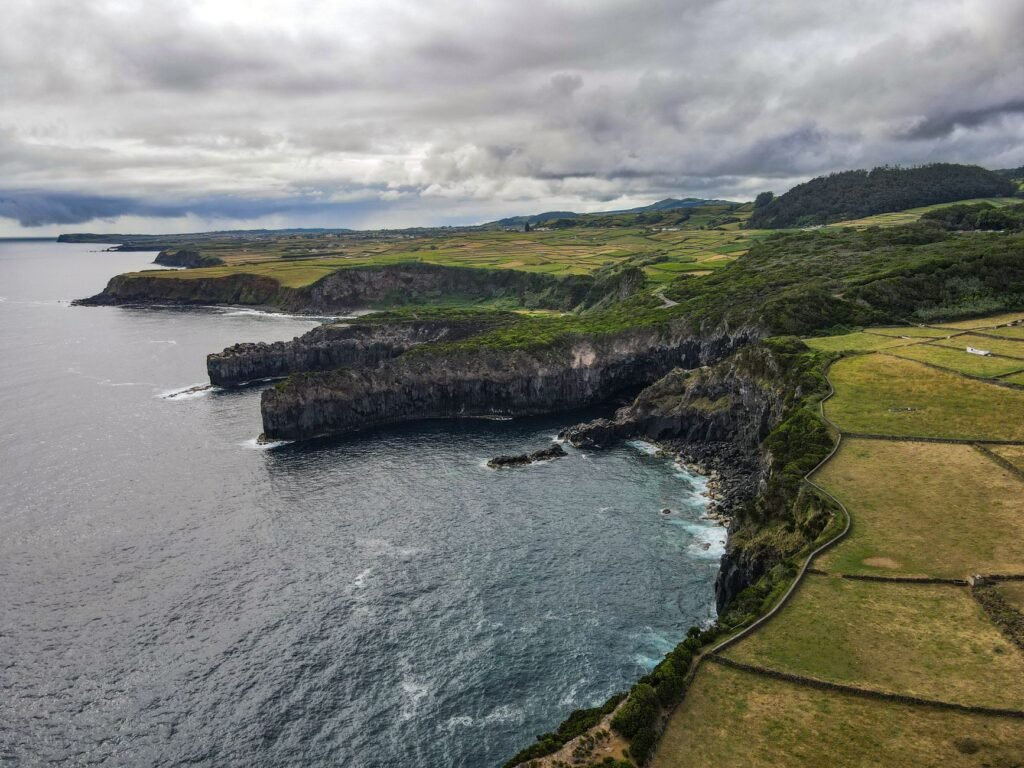
The coastline near Ponta Delgada offers several easy walks that showcase volcanic rock formations, sea cliffs and sandy coves. The Praia dos Moinhos is a small black‑sand beach ideal for a quick dip or sunset stroll. For a longer trek, the Caldeira Velha trail leads to a natural thermal pool nestled within a lush valley, perfect for a soothing soak after a day of exploring.
These coastal areas are generally safe for swimming, though currents can be strong. Always check local signage and follow lifeguard advice where available.
Below is a quick reference table for the three natural sites highlighted above:
| Site | Distance from Ponta Delgada | Best Season | Main Activity |
|---|---|---|---|
| Sete Cidades | 30 km | Spring‑Fall | Lake views, hiking |
| Lagoa do Fogo | 25 km | Summer‑Autumn | Mountain hike, photography |
| Praia dos Moinhos | 12 km | All year | Beach walk, sunset |
Enjoy the Local Food and Drink Scene
Seafood Classics
Ponta Delgada’s harbor is a natural pantry for fresh seafood. Head to the waterfront district and look for restaurants serving lapas (limpets) grilled with garlic and butter, or the beloved caldeirada, a hearty fish stew simmered with potatoes, tomatoes and herbs. These dishes showcase the Atlantic bounty and are typically enjoyed with a side of locally baked bread.
For a more upscale experience, many hotels feature tasting menus that incorporate seasonal catches such as black scabbardfish or Atlantic cod. Pair your meal with a glass of Verdelho wine, a crisp white produced on the island.
Don’t forget to try the iconic queijo São Jorge, a semi‑hard cheese with a nutty flavour that complements both wine and fruit preserves.
Unique Azorean Flavours
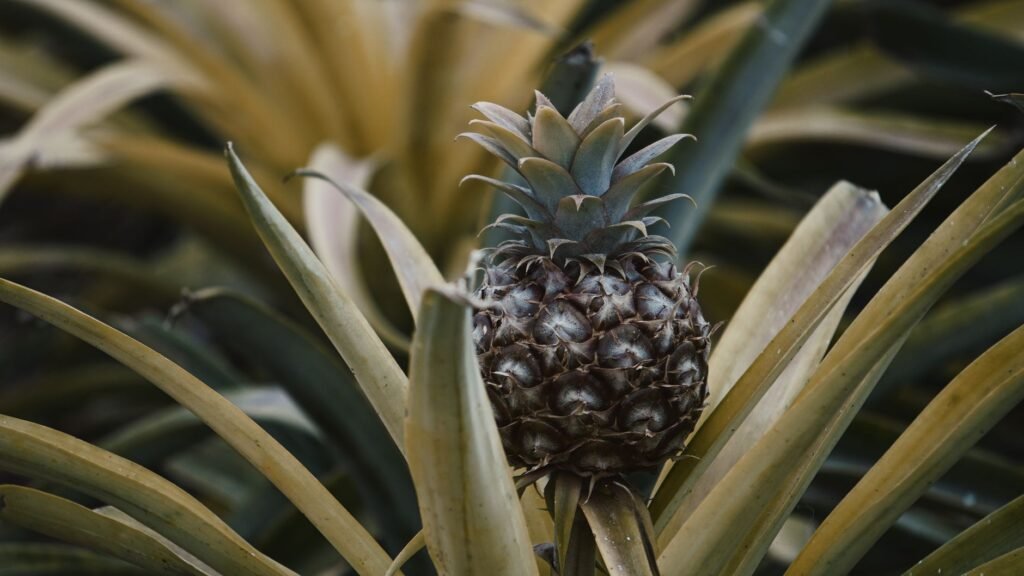
The Azores are famous for their pineapple cultivation, and Ponta Delgada offers several cafés where you can taste pineapple liqueur (known locally as pineapple aguardente) or a slice of fresh pineapple dessert. Look for the sign “Pineapple” on menus to spot these specialties.
Another local treat is bolo lêvedo, a slightly sweet, yeasted bread often served warm with butter. It’s a staple at breakfast and makes a satisfying snack during a day of sightseeing.
For coffee lovers, the island’s volcanic soil produces beans with a distinct earthy profile. Many cafés roast their own beans, offering espresso drinks that carry a subtle hint of volcanic mineral.
Markets and Food Halls
The Mercado da Graça not only sells fresh produce but also houses a food hall where you can sample a variety of local dishes in a casual setting. Try a small plate of chicharros (small fried fish) alongside a glass of locally brewed craft beer.
On Saturday mornings, the Feira da Vila market expands into the streets, featuring artisans, baked goods and live music. It’s an excellent place to pick up souvenirs such as hand‑woven blankets or ceramic tiles decorated with azorean motifs.
When dining out, remember that many establishments close for a midday break (usually between 2 pm and 5 pm). Plan your meals accordingly and consider making reservations during the high season.
Cultural Attractions and Museums
Museu Carlos Machado
Located near the city centre, the Museu Carlos Machado offers a comprehensive overview of Azorean history, from early settlement to modern day. Exhibits include traditional clothing, agricultural tools, and a collection of maritime artifacts. Audio guides are available in several languages, providing context for each display.
The museum’s temporary exhibition space often hosts art installations by local artists, giving visitors insight into contemporary Azorean creativity. Check the museum’s website before you go to see what’s on display during your visit.
Admission is modest, and families with children under 12 usually receive free entry. The museum is wheelchair‑accessible, making it a comfortable option for all visitors.
Planetário da Universidade dos Açores
The university planetarium offers shows about the night sky, astronomy and the unique position of the Azores in the Atlantic. Sessions are conducted in Portuguese, but English subtitles are often available. It’s a fun educational experience for both kids and adults.
Shows run several times a day, and tickets can be purchased at the entrance. The planetarium also hosts occasional workshops on topics such as stargazing techniques and the science behind volcanic activity.
Combine a visit to the planetarium with a walk through the nearby university gardens, which feature exotic plants and a small pond.
Traditional Music and Dance
Azorean folk music, known as chamarrita, is performed regularly in local taverns and cultural centers. The rhythmic footwork and accordion melodies reflect the islands’ Portuguese heritage. Look for scheduled performances on Thursday evenings at the Casa das Artes or during the annual Festas do Senhor Santo Cristo.
If you’re interested in learning a few steps, many venues offer short dance workshops for tourists. It’s a lively way to engage with the community and make new friends.
Live music venues often serve petiscos (small plates) alongside drinks, creating a relaxed atmosphere for an authentic night out.
Family‑Friendly Activities
Whale Watching Tours
One of the most memorable experiences for families is a boat trip to spot resident sperm whales, common dolphins and, in season, pilot whales. Several operators depart from the Ponta Delgada marina, offering tours ranging from two to four hours.
Guides are knowledgeable about marine life and provide commentary in multiple languages. Most tours provide life jackets for children and have age‑appropriate safety briefings.
Booking in advance is recommended during the summer months, as spots fill quickly. Look for operators with a good safety record and certified crew.
Terra Nostra Park
Located in the town of Furnas, about 45 minutes from Ponta Delgada, Terra Nostra Park is a botanical garden famous for its thermal pool. The pool’s iron‑rich water stays warm year‑round, making it a soothing soak for all ages.
The garden itself features exotic trees, a variety of azaleas and a historic greenhouse. Entry includes access to the pool, and towels are available for rent.
Families should bring swimwear, a change of clothes and a light jacket for the cooler garden paths. The park also hosts occasional cultural events, such as folk music performances.
Interactive Science Centre
The Centro de Interpretação da Natureza in Ponta Delgada offers interactive exhibits about volcanic geology, marine ecosystems and local biodiversity. Hands‑on activities, such as rock‑sample identification and virtual reality volcano simulations, keep children engaged while learning.
Admission is free for children under 5, and the centre provides multilingual information panels. It’s an excellent indoor option for rainy days.
Guided tours can be arranged for school groups or larger families, allowing deeper exploration of the scientific topics presented.
Day Trips and Excursions
Furnas – Geothermal Wonderland
Furnas, a picturesque village nestled in a volcanic valley, is famous for its hot springs and the traditional method of cooking food in the ground. The “Cozido das Furnas” is a stew slow‑cooked in pots buried in geothermal vents, resulting in tender meat and vegetables infused with mineral flavours.
Visit the Parque Terra Nostra for a relaxing soak, then head to the Furnas Lake for a walk along its scenic promenade. The area also features geysers, known locally as fumarolas, which release steam and sulphuric scents.
Most tours from Ponta Delgada include a stop at a local restaurant where you can taste the Cozido. Dress in layers, as the valley can be cooler than the coast.
Ribeira Grande – Northern Charm
Ribeira Grande, the second‑largest town on São Miguel, offers a quieter alternative to the bustling capital. Its historic centre showcases traditional azorean architecture, and the local market sells crafts, fresh fish and regional pastries.
Nearby, the Caldeira de Santo Cristo is a volcanic crater with a small lagoon that attracts birdwatchers, especially during migration seasons. The surrounding trails provide panoramic views of the coastline.
Ribeira Grande is easily reachable by bus or rental car, and the drive along the coastal road offers several photo‑opportunities at dramatic cliffs and sea arches.
Whale‑Watching Combined with Hiking
For active travellers, some operators combine a morning whale‑watching excursion with an afternoon hike to the Salto do Cabrito waterfall. After spotting marine mammals, you’ll be driven to the trailhead where a moderate walk leads to the cascade, surrounded by native laurel forest.
The combined tour typically lasts a full day, with a packed lunch provided. It’s a great way to experience both the ocean and the island’s interior in one itinerary.
Make sure to wear sturdy shoes for the hike and bring a wind‑proof jacket for the boat portion.
Shopping and Souvenirs
Local Handicrafts
Azorean artisans produce a range of handcrafted items that make meaningful souvenirs. Look for bordados (embroidery) featuring traditional floral motifs, as well as ceramics painted with volcanic scenes.
The Casa do Açoriano shop near the city hall offers a curated selection of these items, along with locally produced honey, tea and the famous queijo de São Jorge. Prices are reasonable, and you can often watch the artisans at work.
For a more extensive market experience, visit the Feira da Vila on Saturday, where stalls sell everything from woven baskets to wooden toys carved from native wood.
Food Products to Take Home
Azorean pineapple jam, known as compota de ananás, is a popular edible souvenir. It’s packed in glass jars and retains the fruit’s natural sweetness. Another favorite is the local honey, harvested from the island’s diverse flora, which comes in various flavours such as lavender and orange blossom.
Wine lovers can bring home a bottle of Verdelho or the richer Terrantez, both of which are protected by the EU’s geographical indication. Check customs regulations for your home country before packing alcohol.
Many shops also sell small packets of sea salt harvested from the Atlantic, ideal for culinary enthusiasts.
Practical Information for Visitors
Getting Around
The most convenient way to explore Ponta Delgada and its surroundings is by renting a car. Major rental agencies operate from the airport and city centre, offering compact cars suitable for narrow streets and larger vehicles for countryside trips. Remember to carry an International Driving Permit if your licence is not in Portuguese.
If you prefer public transport, the local bus network (operated by Viaturs) connects the city to major attractions such as Sete Cidades, Furnas and Ribeira Grande. Bus schedules are posted online and at major stops; frequencies are higher during the tourist season.
Walking is pleasant within the historic centre, as most attractions are within a short distance of each other. Wear comfortable shoes, as cobblestones can be uneven.
Accommodation Options
Ponta Delgada offers a range of lodging, from boutique hotels in restored manor houses to budget hostels and self‑catering apartments. For a central location, consider staying near the marina or the Praça do Município, where you’ll be within walking distance of restaurants, shops and cultural sites.
If you seek a quieter setting, the neighbourhood of São José provides a residential feel with easy access to the city via a short bus ride. Many accommodations include complimentary breakfast featuring local breads and fruit.
Booking in advance is advisable during July and August, when the island experiences its peak tourist influx.
Seasonal Considerations
The Azores enjoy a mild maritime climate year‑round, but there are subtle seasonal differences. Summer (June‑August) brings warmer temperatures (around 24 °C) and lower rainfall, ideal for beach visits and outdoor activities. Autumn (September‑November) offers comfortable weather and fewer crowds, making it a great time for hiking and cultural festivals.
Winter months (December‑February) are cooler (average 16 °C) and wetter, yet the islands’ lush vegetation is at its most vibrant. Many attractions remain open, and whale‑watching is still possible, especially for sperm whales.
Spring (March‑May) sees blooming flowers and the start of the agricultural harvest, including the famous Azorean pineapple season. Pack layers and a waterproof jacket regardless of the month, as weather can change quickly.
Frequently Asked Questions
What is the best time of year to visit Ponta Delgada?
While the Azores have a mild climate year‑round, the period from late spring to early autumn (May‑October) offers the most reliable weather for outdoor activities and sightseeing.
How do I get from the airport to the city centre?
The airport is only a 5‑minute drive from downtown. You can take a taxi, use a ride‑hailing app, or catch the local bus line that runs every 30 minutes during the day.
Do I need a car to explore the island?
A car provides the most flexibility, especially for reaching remote natural sites. However, the public bus network connects most major attractions, and organized tours are available for popular day trips.
Are English speakers common in Ponta Delgada?
Yes, many locals working in tourism speak English fluently. Signage in the city centre is often bilingual, and staff at hotels, restaurants and attractions are accustomed to assisting international visitors.
The Bottom Line
Ponta Delgada blends historic charm, vibrant cuisine and dramatic natural scenery into a compact, welcoming destination. Whether you’re wandering the cobbled streets, sailing with whales, or hiking volcanic craters, the city offers a rich palette of experiences for every traveller. With practical transport options, family‑friendly activities and a warm local hospitality, you’ll find plenty of reasons to return to this Atlantic gem.
