
Key Takeaways
- Stunning Adriatic and Ionian coastlines with diverse beaches
- Unique trulli architecture in Alberobello and surrounding villages
- World‑class cuisine and wine from olive oil to fresh seafood
- Rich history and festivals across historic towns and cities
Puglia, the heel of Italy’s boot, offers a surprisingly varied palette of experiences. Whether you are chasing sun‑kissed beaches, wandering through centuries‑old stone towns, or tasting the region’s famed olive oil and wine, the list of Things to do in puglia reads like a travel‑lover’s dream.
This guide pulls together practical advice, hidden gems and must‑see highlights so you can plan a trip that feels both relaxed and richly rewarding. Grab a map, a rental car, and an appetite for discovery – Puglia is ready to welcome you.
Coastal Adventures: Beaches and Seaside Towns
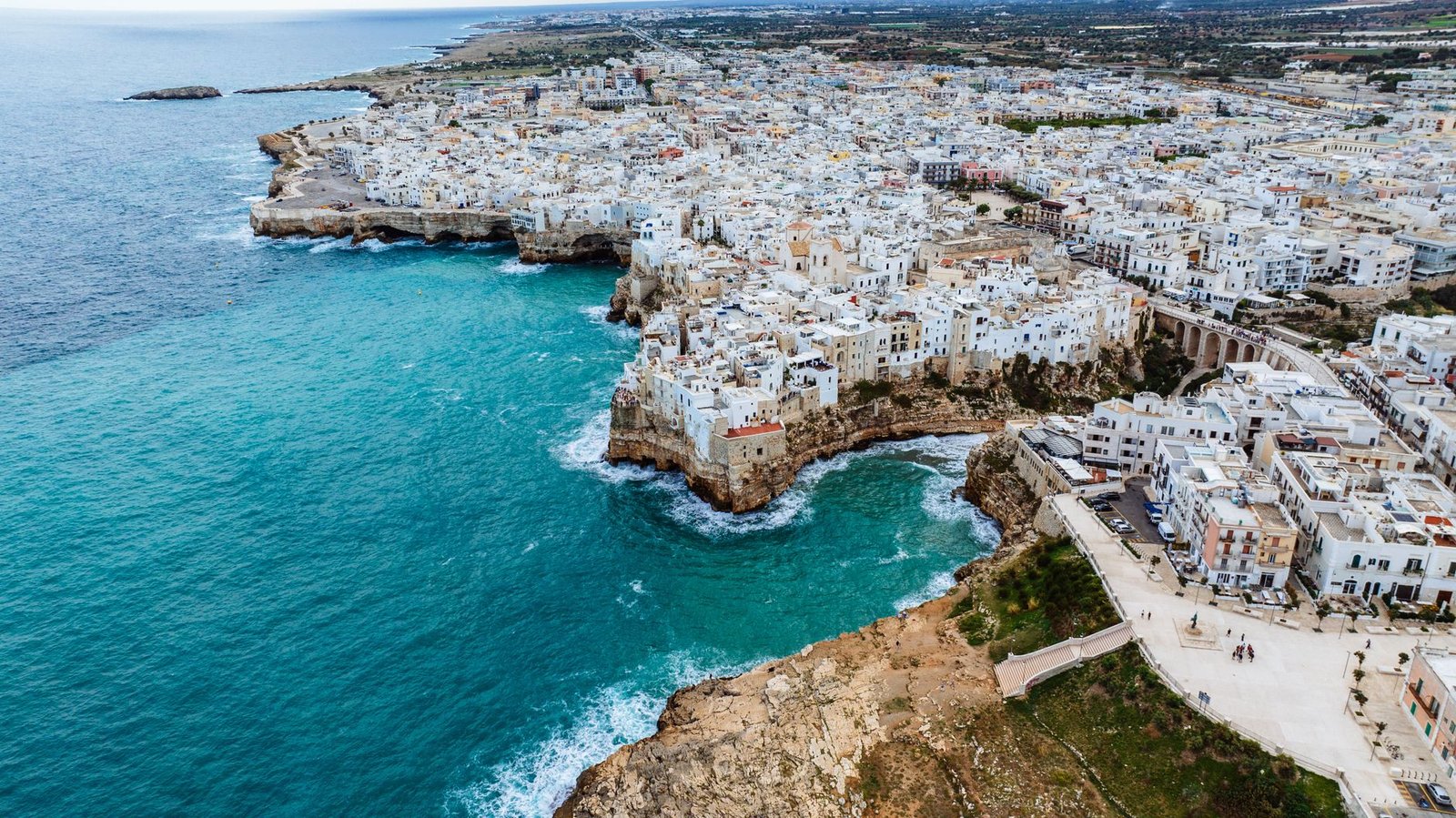
The Adriatic and Ionian seas frame Puglia with a coastline that stretches for over 800 kilometers. From the soft, white sands of the Salento peninsula to the rugged cliffs of the Gargano, each stretch has its own personality.
Top Beaches to Prioritise
Below is a quick reference for the most popular beach destinations, their nearest towns and typical travel times from Bari, the regional capital.
| Beach | Nearest Town | Travel Time from Bari |
|---|---|---|
| Baia dei Turchi | Otranto | 2.5 hours |
| Polignano a Mare | Polignano a Mare | 45 minutes |
| Porto Cesareo | Porto Cesareo | 3 hours |
| Vieste | Vieste | 2 hours |
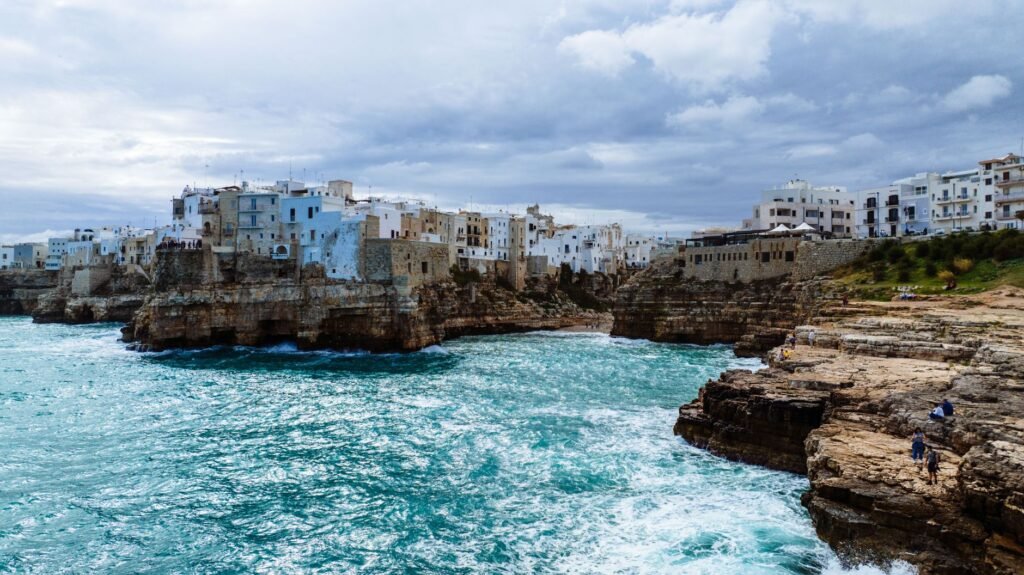
Each beach offers a distinct vibe. Baia dei Turchi is famous for its crystal‑clear water and pine‑shaded dunes, perfect for families. Polignano a Mare combines dramatic cliffs with a historic centre, ideal for a day of swimming followed by a coffee on a cliff‑side terrace.
Activities Beyond Sunbathing
Snorkelling, windsurfing and boat tours are widely available. In the Gargano National Park, you can join guided kayak trips that explore hidden coves and sea caves. For a more relaxed pace, stroll the promenades of Gallipoli and enjoy fresh fish at a beachfront trattoria.
When you plan your beach day, remember that many smaller coves are reachable only by footpaths or boat, so bring sturdy shoes and a waterproof bag for your belongings.
Historic Cities and Architectural Gems
Puglia’s towns are a living museum of Roman, Byzantine, Norman and Spanish influences. Walking through the narrow lanes feels like stepping back in time, yet each city buzzes with modern cafés and boutique shops.
Alberobello and the Trulli Landscape
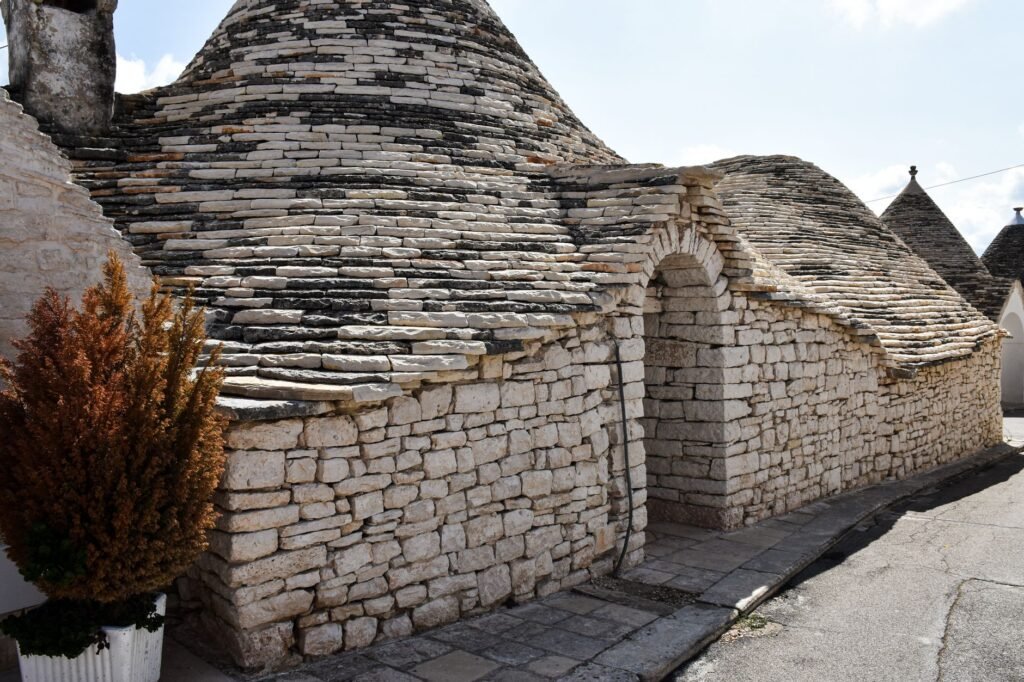
The UNESCO‑listed trulli of Alberobello are iconic conical stone houses that date back to the 14th century. Their whitewashed walls and limestone roofs create a fairy‑tale skyline that is instantly recognisable.
Beyond the central historic district, venture into the surrounding countryside where dozens of trulli are still inhabited by locals. Many have been converted into guesthouses, offering a unique overnight experience.
Matera: A Day Trip Worth the Drive
Although technically in Basilicata, Matera’s famous Sassi caves are just a short drive from the Puglian border and make a compelling day trip. The ancient dwellings, carved into limestone cliffs, have been used as film sets for epic movies and now host boutique hotels and art galleries.
Guided tours start from the main square and explain the centuries‑long evolution from prehistoric settlement to modern revitalisation.
Lecce: The Florence of the South
Lecce’s baroque architecture is a visual feast. The Basilica di Santa Croce, the Roman amphitheatre, and the ornate Piazza del Duomo are all within walking distance of each other.
Spend an afternoon sampling local pastries like pasticciotto while you admire the stone facades. The city’s vibrant university scene also means a lively nightlife with bars and live music.
Trulli Villages and Rural Charms
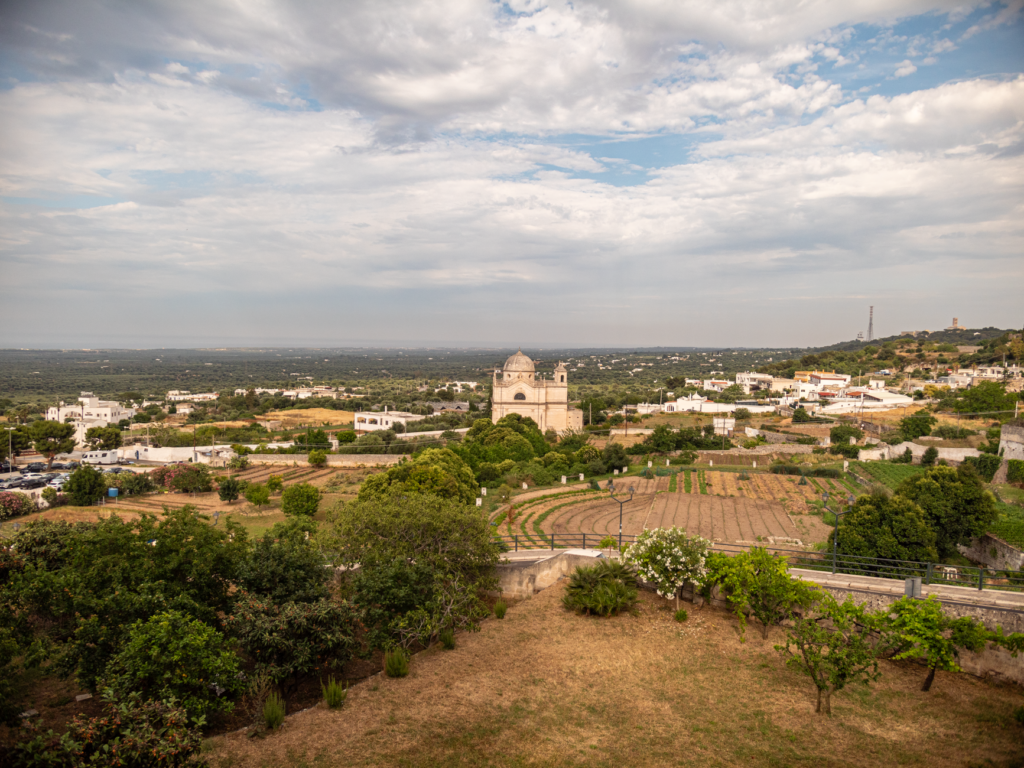
Beyond Alberobello, the Itria Valley is dotted with small villages where trulli continue to dominate the landscape. These settlements offer a slower pace and an authentic glimpse of Puglian agrarian life.
Locorotondo: Circular Streets and White Wine
Locorotondo’s circular historic centre is built on a gentle hill, providing panoramic views of the surrounding olive groves. The town is renowned for its white wine, Locorotondo DOC, which pairs beautifully with local cheeses.
Visit a family‑run winery for a tasting session that includes a short walk through vineyards. Many producers also offer tours that explain the traditional methods of grape crushing and fermentation.
Martina Franca: Baroque Splendor Meets Trulli
Martina Franca boasts an elegant baroque historic centre, yet the outskirts are filled with traditional trulli. The annual “Festival della Valle d’Itria” brings opera lovers to this charming town each summer.</n
Stroll the piazza in the evening, enjoy a glass of rosé, and listen to street musicians performing classic Italian songs.
Exploring the Countryside on Two Wheels
Renting a bicycle or an e‑bike is a fantastic way to explore the flat, sun‑drenched lanes that link the trulli villages. Many local shops provide maps and bike rentals, and the routes are generally well‑marked.
Pack a picnic of focaccia, fresh tomatoes and mozzarella, and find a shaded spot among the olive trees for a leisurely lunch.
Food and Wine Experiences
Puglia is a culinary destination where simple, high‑quality ingredients shine. From fresh seafood to hearty pasta dishes, each meal tells a story of the land and sea.
Must‑Try Dishes
- Orecchiette alle cime di rapa – ear‑shaped pasta with turnip tops, anchovies and chili.
- Frittura di pesce – a platter of lightly battered fish and shellfish, best enjoyed at a seaside trattoria.
- Panzerotti – fried dough pockets filled with mozzarella and tomato, a street‑food favorite.
- Bombette – small pork rolls stuffed with cheese and herbs, typically served in local taverns.
When you dine, ask for a glass of local Primitivo or Negroamaro wine; both are robust reds that complement the region’s robust flavours.
Wine Tours and Olive Oil Tastings
Numerous vineyards across Salento and the Valle d’Itria open their doors to visitors. A typical tour includes a walk through the vines, an explanation of the terroir, and a tasting of at least three wines.
Olive oil producers also welcome guests. You can watch the cold‑press extraction process and sample extra‑virgin olive oil straight from the mill. Look for farms that offer a “degustazione” session, which often includes a small plate of local breads and cheeses.
Farm‑to‑Table Experiences
Many agriturismi (farm stays) serve meals prepared with ingredients harvested that very day. Booking a night in a restored trullo that includes a dinner of homemade pasta, fresh vegetables and a glass of wine is a memorable way to connect with Puglian hospitality.
These experiences are especially popular in the off‑season, when the countryside is quieter and the harvest festivals are in full swing.
Nature and Outdoor Activities
Puglia’s natural diversity goes beyond its coastline. The region boasts national parks, limestone caves, and rolling hills that invite a range of outdoor pursuits.
Gargano National Park
The Gargano peninsula, often called the “spur” of Italy’s boot, is home to dense forests, limestone cliffs and the famous “Foresta Umbra”. Hiking trails range from easy walks to challenging mountain routes.
Popular hikes include the Path of the Hermits, which leads to secluded chapels, and the coastal trail that offers sweeping views of the Adriatic Sea.
Sea Caves of Polignano a Mare
Boat tours depart daily from the harbour and explore the hidden sea caves that line the coast. The crystal‑clear water inside the caves creates a spectacular play of light, perfect for photography.
For the adventurous, some operators provide snorkeling gear so you can swim among the colourful marine life.
Cycling the Adriatic Route
The “Ciclovia Adriatica” is a dedicated bike path that runs parallel to the Adriatic coast, linking towns such as Trani, Barletta and Brindisi. The route is mostly flat, making it suitable for families and casual cyclists.
Stop at local cafés along the way for a quick espresso and a slice of focaccia before continuing your ride.
Cultural Events and Festivals
Puglia’s calendar is peppered with festivals that celebrate everything from saints to food. Attending a local celebration adds colour and authenticity to your visit.
La Notte della Taranta
Held each August in Melpignano, this music festival showcases the traditional “pizzica” dance, a lively folk style that dates back to the region’s historic fight against tarantula bites. The event culminates in a massive outdoor concert that draws thousands of visitors.
Even if you arrive just for the evening, the electric atmosphere and the chance to learn a few dance steps make it a highlight.
Feast of Saint Nicholas in Bari
Every December, Bari celebrates its patron saint with a procession that winds through the historic centre, ending at the Basilica of Saint Nicholas. The streets are lit with candles and stalls sell seasonal treats like roasted chestnuts and panettone.
It’s a great opportunity to experience local religious traditions and sample winter specialties.
Wine Harvest Festivals
During September and October, many villages host harvest festivals, known as “Festa della Vendemmia”. Expect grape‑stomping demonstrations, wine tastings, and folk music performances.
These events are family‑friendly and often include games for children, making them ideal for travelers with kids.
Frequently Asked Questions
When is the best time to visit Puglia?
The shoulder seasons of May‑June and September‑October offer pleasant weather, fewer crowds and lower accommodation rates. July and August are hot and busy, especially on the beaches.
Do I need a car to explore the region?
While public transport connects major towns, a rental car gives you the flexibility to discover hidden coves, rural villages and vineyards that are not easily reachable by train or bus.
What language is spoken and will English be understood?
Italian is the official language, but many locals in tourist areas speak basic English. Learning a few Italian phrases such as “Buongiorno” and “Grazie” is appreciated and often elicits friendly responses.
Are there any health or safety concerns?
Puglia is generally safe for travelers. Tap water is drinkable in most towns, but if you have a sensitive stomach, bottled water is widely available. Sun protection is essential during summer months.
The Bottom Line
Puglia blends sun‑lit coastlines, historic architecture, delicious cuisine and warm hospitality into a single, unforgettable destination. By mixing beach time with cultural exploration and culinary indulgence, you’ll experience the full spectrum of what this remarkable Italian region has to offer.
