
Overview of Roatán: A Caribbean Gem in the Heart of the Bay Islands
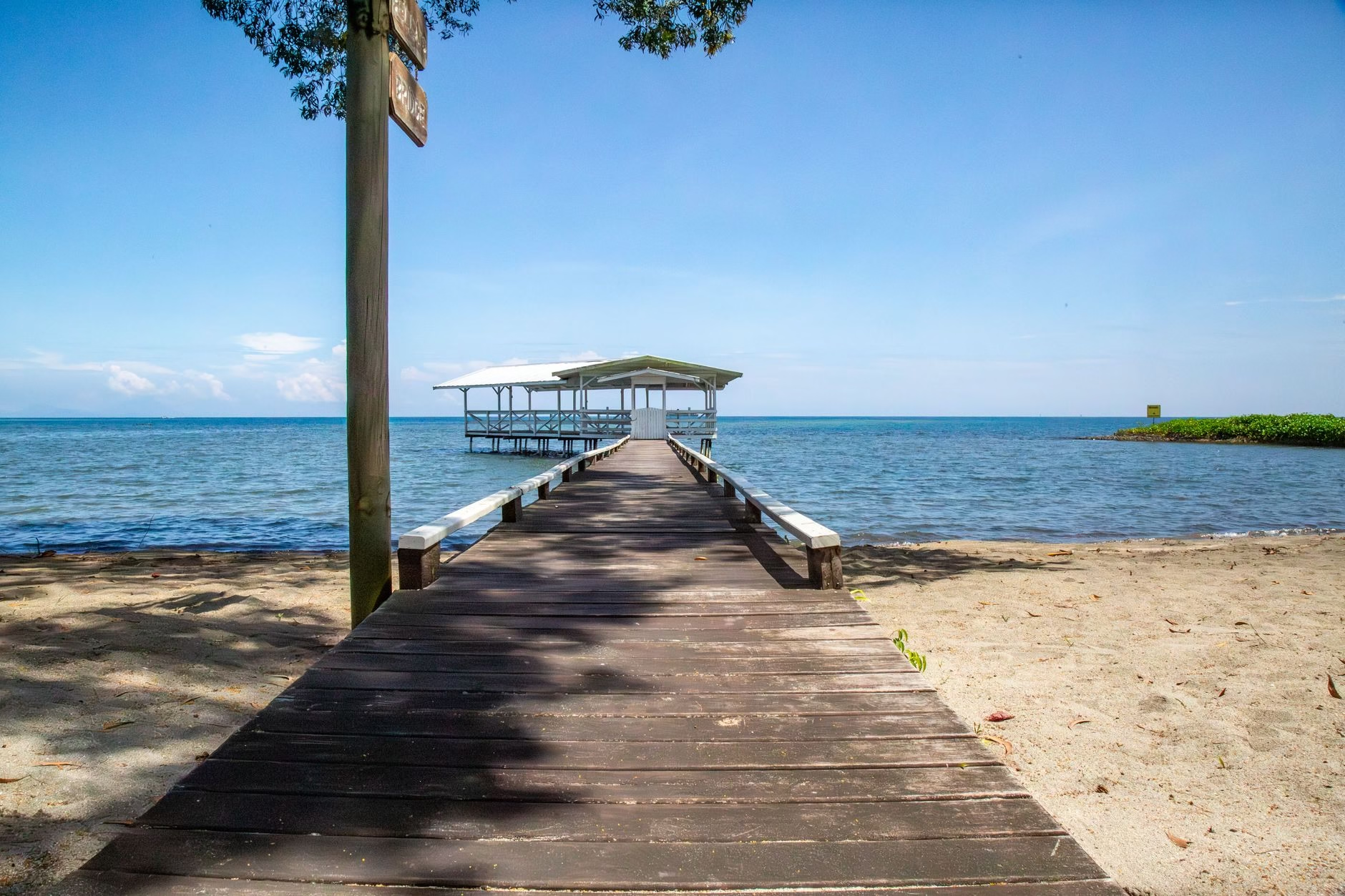
Roatán, the largest of Honduras’ Bay Islands, sits just 40 kilometres off the northern coast of mainland Central America. Its name—derived from the indigenous Paya word for “large island”—captures both its size and its reputation as a place where natural beauty and relaxed island vibes meet. The island’s landscape is a blend of white‑sand beaches, mangrove‑lined bays, limestone cliffs, and a lush interior of tropical forest. Because it lies on the Mesoamerican Barrier Reef, the world’s second‑largest coral system, Roatán has become a magnet for divers, snorkelers, and anyone who loves marine life.
While tourism has transformed the island’s economy, the local culture retains strong influences from the Garifuna, Creole, and mainland Honduran traditions. Spanish is the official language, but English is widely spoken in the hospitality sector, making navigation easy for many travelers. Whether you are chasing underwater thrills, seeking tranquil sunbathing, or exploring the island’s cultural roots, Roatán offers a diverse menu of activities that suit solo adventurers, families, and couples alike.
When to Visit: Seasons, Weather, and Crowd Levels
The tropical climate of Roatán means warm temperatures year‑round, but the island does experience distinct dry and wet periods that affect both activities and visitor numbers.
- Dry season (January – April): Clear skies, lower humidity, and calm seas make this the most popular time for beach and water‑sport enthusiasts. Expect higher occupancy in the main resorts, especially around West Bay.
- Shoulder months (May – June, November – December): Rainfall increases modestly, but mornings are often sunny. These months strike a balance between pleasant weather and fewer crowds, offering better rates on accommodations.
- Wet season (July – October): Afternoon showers become common, and the island is more prone to tropical storms. However, the rain usually falls in short bursts, and the reef remains vibrant, making diving a good option for those who don’t mind a little moisture.
Because the reef visibility can be affected by heavy rain and runoff, many divers prefer the dry season. Nonetheless, the island’s year‑round warmth means that even during the wetter months, a beach day is still possible. Planning your trip around local festivals—such as the Garifuna Settlement Day in early November—adds cultural depth to your itinerary.
Getting There and Getting Around: Flights, Ferries, and Local Transport
The most common entry point for international travelers is the Juan Manuel Gálvez International Airport (RTB) near Coxen Hole, Roatán’s capital. Direct flights operate from major U.S. hubs such as Miami, Dallas, and Houston, as well as from San Pedro Sula on the Honduran mainland. Once you land, you have several options for reaching your accommodation.
For short distances, taxis are readily available at the airport. It’s wise to confirm the fare before departure; most drivers will quote a flat rate to popular areas like West Bay or West End. For those who prefer a bit more independence, rental cars can be booked through reputable agencies at the airport or in major towns. While driving is straightforward, note that many roads are narrow and can be winding, especially when heading into the interior.
If you are staying on the eastern side of the island, a regular ferry service runs between La Ceiba on the mainland and Roatán’s eastern port of La Ceiba (Dock). The ferry schedule varies by season, so checking current timetables in advance is advisable.
Within towns, golf‑cart rentals are a popular, low‑impact way to explore at a leisurely pace. For longer journeys—such as a day trip to the interior villages—organized tours often provide a comfortable bus or van and a knowledgeable guide.
Where to Stay: Neighborhoods and Types of Accommodation
Roatán’s lodging options range from luxury beachfront resorts to modest guesthouses and eco‑lodges. Selecting a neighborhood depends on the activities you prioritize.
- West Bay: Known for its long, powder‑soft beach and clear waters, this area houses many upscale resorts and is a hub for diving schools. It’s ideal for travelers seeking beach proximity and high‑end amenities.
- West End: A more laid‑back vibe characterizes this strip of beachfront bars, dive shops, and boutique hotels. The nightlife here is lively, and the area serves as a good base for exploring the western side of the island.
- Coxen Hole: As the administrative capital, Coxen Hole offers budget‑friendly hostels, local inns, and a chance to see everyday island life. It’s also a convenient departure point for day trips to the interior.
- Southern Roatán (Sandy Bay, French Harbour): These quieter coastal villages are perfect for those who prefer a more secluded stay, often featuring small family‑run villas and beachfront bungalows.
Many accommodations emphasize sustainability, using solar power, rainwater collection, and locally sourced food. Checking a property’s environmental policies can help you align your stay with responsible tourism practices.
Top Beach Experiences: Sun, Sand, and Serenity
The island’s coastline offers a spectrum of beach experiences, each with its own character.
West Bay Beach consistently ranks among the Caribbean’s best. Its white sand and gentle surf make it perfect for swimming, paddleboarding, and simply lounging under a palm‑shaded hammock. Early morning visits grant a tranquil atmosphere before the crowds arrive.
Half Moon Bay, located near West End, is a crescent‑shaped stretch with calm, shallow water—ideal for families with young children. The bay is also a favored spot for snorkeling, as the reef is easily accessible from the shore.
For a more secluded setting, head to Playa Coral on the southern tip. The beach is less developed, offering a natural backdrop of mangroves and the occasional sea turtle nesting site during the appropriate season.
Regardless of which beach you choose, remember to bring reef‑safe sunscreen to protect the delicate marine ecosystems. Many local vendors also rent beach equipment such as snorkel gear, kayaks, and stand‑up paddleboards.
Underwater Adventures: Diving and Snorkeling on the Mesoamerican Barrier Reef
Roatán’s reputation as a diver’s paradise stems from its position atop the Mesoamerican Barrier Reef. The island boasts an array of dive sites suitable for novices and seasoned professionals alike.
Beginner-friendly locations include Mary’s Place and Paradise Reef, where gentle currents and shallow depths allow new divers to practice buoyancy and enjoy vibrant coral gardens teeming with tropical fish, lobsters, and occasional nurse sharks.
For those seeking a more thrilling experience, the El Cerro Wall offers a dramatic vertical drop and the chance to see larger pelagic species such as eagle rays and occasional hammerhead sharks during the early morning passes. The site is best accessed through a reputable dive shop that can arrange a guided descent.
Snorkelers need not venture far from shore. The reef just off West Bay is easily reachable by a short paddle or a walk on a sandy stretch during low tide. The waters are crystal clear, revealing a kaleidoscope of sponges, sea fans, and schools of neon‑colored fish.
Many dive operators on the island emphasize environmental stewardship. They often host reef‑clean‑up events and educate participants about the importance of not touching corals or disturbing marine life. Joining such an initiative adds a meaningful layer to your underwater adventure.
Land Activities: Hiking, Zip‑lining, and Wildlife Parks
While Roatán’s coastline steals the spotlight, the island’s interior is equally captivating. Lush tropical forest covers the central ridge, offering opportunities for hiking, zip‑lining, and wildlife observation.
Gumbalimba Park (the name translates to “the place where you are welcomed”) combines a botanical garden, a small wildlife sanctuary, and a zip‑line canopy tour. Walking trails wind past towering mahogany trees and exotic orchids, and the park’s resident iguanas and parrots provide delightful encounters.
For a more rugged hike, the trail to the Río Lago waterfall leads adventurers through dense vegetation, across a small river, and culminates in a refreshing plunge pool. The hike is moderate in difficulty and takes roughly two hours round‑trip, making it a suitable half‑day outing.
The Carambola Botanical Gardens, located near the town of Oakridge, showcases native flora and offers a tranquil setting for bird‑watching. The gardens are home to several species of hummingbirds, as well as the occasional howler monkey that can be heard calling from the canopy.
Adventure seekers can also try paddle‑boarding through the mangrove channels of the Southern Mangrove Reserve. Guided tours provide insight into the vital role mangroves play in coastal protection and as nurseries for many marine species.
Cultural Highlights: History, Museums, and Local Communities
Roatán’s cultural tapestry is woven from centuries of indigenous heritage, colonial influences, and Caribbean migration. Exploring this heritage adds depth to any visit.
The island’s first European contact dates back to Christopher Columbus’s fourth voyage in 1502, though permanent settlement began much later with the arrival of the British in the 17th century. The remnants of this period are visible in the Roatán Museum located in Coxen Hole, which displays artifacts ranging from pre‑Columbian pottery to 19th‑century maritime tools. The museum’s modest collection offers a concise overview of the island’s evolution.
Garifuna villages, such as Oak Ridge and Guanaja (though technically on a neighboring island), preserve a vibrant Afro‑Indigenous culture. Visiting during a community celebration—like the annual Garifuna Settlement Day festivities—allows travelers to experience traditional drumming, dance, and cuisine.
Street art has become a growing expression in Roatán’s towns. Murals depicting sea turtles, local legends, and marine conservation messages can be found adorning walls in West End and along the waterfront in Coxen Hole. These works serve both aesthetic and educational purposes, reinforcing the island’s commitment to protecting its natural assets.
Food and Drink: Sampling the Flavors of Roatán
The island’s culinary scene reflects its multicultural roots. Fresh seafood dominates menus, but you’ll also encounter influences from Caribbean, Central American, and Creole cooking.
A typical breakfast might consist of huevos rancheros—fried eggs over tortillas topped with a tomato‑onion sauce—accompanied by tropical fruit juices such as papaya or mango. For lunch, many beachside shacks serve grilled fish tacos, ceviche, or a hearty bowl of sopa de mariscos (seafood soup) made with locally caught shrimp, conch, and a fragrant broth of garlic, lime, and cilantro.
Dinner options range from upscale restaurants featuring international fusion to humble eateries offering pollo con arroz y frijoles (chicken with rice and beans). Don’t miss the chance to try a traditional Garifuna dish called hudut, which pairs a coconut‑based fish stew with mashed plantains.
Roatán’s rum production is a point of pride. Many bars and restaurants serve locally distilled rum cocktails, often infused with native fruits like guava or passionfruit. For a non‑alcoholic treat, sample a fresh coconut water straight from the husk—a refreshing way to stay hydrated after a day in the sun.
When dining out, look for places that source ingredients from local fishermen and farmers. This not only supports the island’s economy but also ensures that you’re enjoying the freshest flavors the sea and land have to offer.
Day Trips and Island Hopping: Exploring Beyond the Main Coast
Roatán’s location makes it an excellent base for short excursions to neighboring islands and coastal attractions.
Utila, a smaller island just a short ferry ride away, is renowned for its laid‑back vibe and excellent diving spots, particularly for beginners seeking affordable certification courses. A day trip to Utila allows you to experience a different pace, explore its charming town, and perhaps spot a whale shark during the seasonal migration.
Guanaja, the largest of the Bay Islands after Roatán, offers rugged terrain and a more untouched feel. Organized tours typically include a hike to the island’s central peak, which provides sweeping views of the surrounding sea and a glimpse of endemic wildlife such as the Bay Island howler monkey.
Within Roatán itself, the Southern Mangrove Reserve can be explored via a guided kayak tour that winds through narrow waterways, providing close encounters with mangrove crabs, fiddler crabs, and a variety of bird species.
Another worthwhile inland excursion is a visit to the Rio Coco village, where you can learn about traditional fishing techniques and participate in a cooking demonstration of a local seafood stew. Such experiences deepen your appreciation for the island’s reliance on marine resources.
All these day trips can be arranged through local tour operators, many of which emphasize sustainable practices such as limiting group sizes and using low‑impact transport.
Practical Logistics: Health, Safety, and Money Matters
Traveling to Roatán is straightforward, but a few logistical considerations can smooth the experience.
Health: The island has a modest medical clinic in Coxen Hole that handles routine care and minor emergencies. For more serious conditions, patients are typically transferred to hospitals on the Honduran mainland. It’s advisable to carry a basic first‑aid kit, any prescription medications, and a copy of your medical records. Mosquito‑borne illnesses such as dengue can occur, so using insect repellent and wearing long sleeves during evenings is recommended.
Safety: Roatán is generally considered safe for tourists, especially in the main resort areas. As with any destination, keep an eye on personal belongings, avoid isolated beaches after dark, and use reputable transportation services. The local police presence in Coxen Hole provides a sense of security, but it’s wise to stay informed about any travel advisories issued by your home country.
Currency: The Honduran lempira (HNL) is the official currency, but U.S. dollars are widely accepted, especially in tourist zones. ATMs dispense both currencies, and most establishments can process credit cards. When exchanging money, it’s best to use official banks or exchange bureaus to obtain fair rates.
Communication: Mobile coverage is reliable in most populated areas, and many hotels provide complimentary Wi‑Fi. Purchasing a local SIM card can be cost‑effective for data usage, especially if you plan to navigate with maps or share photos frequently.
Budget Tips for the Savvy Traveler
Roatán can accommodate a range of budgets without sacrificing the island experience.
- Travel in the shoulder months: May, June, and November often bring lower accommodation rates while still offering pleasant weather.
- Choose locally owned guesthouses: Family‑run inns provide comfortable rooms at a fraction of resort prices and often include homemade breakfasts.
- Eat where locals eat: Small “comedores” (local eateries) serve generous portions of traditional dishes for modest costs.
- Rent gear instead of buying: Snorkel equipment, paddleboards, and bicycles are widely available for daily rentals, reducing the need for transporting bulky items.
- Take advantage of free activities: Beach walks, self‑guided hikes, and exploring public markets cost nothing and offer authentic experiences.
When planning excursions, compare group tour prices with private hire options. Sometimes, negotiating directly with a guide can lead to discounts, especially for multi‑day bookings. Additionally, many dive shops offer package deals that bundle multiple dives, equipment rental, and training, providing better value than individual purchases.
Sustainable Travel: Protecting the Reef and Community
Roatán’s natural allure depends on the health of its coral reefs and surrounding ecosystems. Travelers can play a part in preserving these treasures.
First, always use reef‑safe sunscreen that avoids oxybenzone and octinoxate, chemicals known to damage coral polyps. Many dive shops sell biodegradable sunscreen options, and some hotels provide them for guests.
Second, respect marine life by never touching or collecting coral, shells, or sea creatures. When snorkeling or diving, maintain a safe distance from the reef and avoid standing on it.
Third, support businesses that engage in conservation. Several tour operators allocate a portion of their fees to reef‑restoration projects, such as coral‑outplanting initiatives. Participating in a volunteer dive or a beach clean‑up can be a rewarding way to give back.
On land, consider offsetting your carbon footprint by choosing accommodations that use renewable energy, employ water‑conservation measures, and source food locally. Simple actions—like reusing a water bottle, minimizing plastic waste, and using reusable bags at markets—contribute to a lower environmental impact.
By traveling responsibly, you help ensure that Roatán’s crystal‑clear waters, vibrant reefs, and warm community spirit remain intact for future generations of explorers.
