
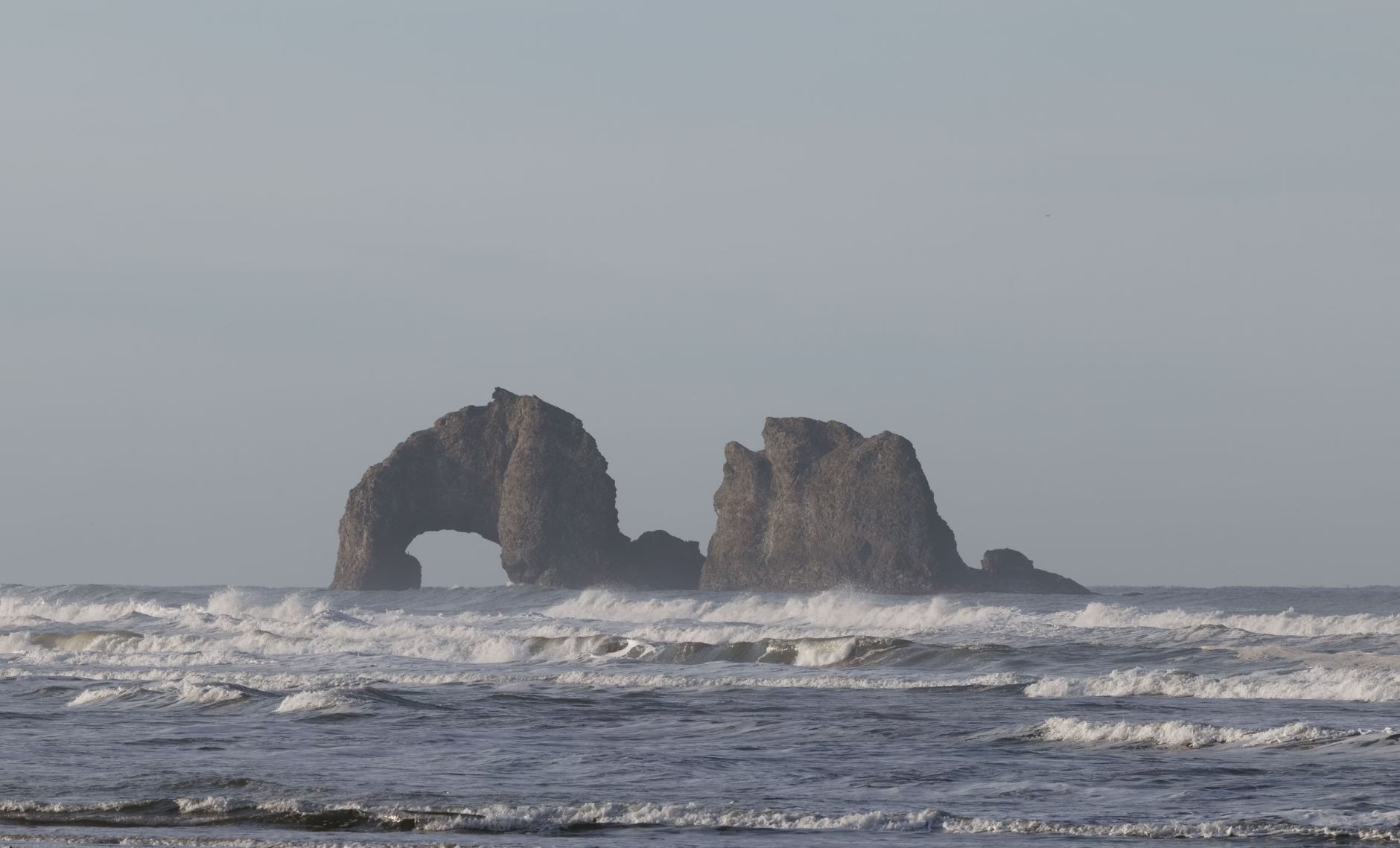
Why Rockaway Beach Deserves a Spot on Your Oregon Itinerary
Rockaway Beach, perched on the southern edge of the scenic Oregon Coast, may not have the name‑recognition of Cannon Beach or Newport, but it offers an authentic slice of Pacific Northwest life. With three miles of sandy shoreline, a charming small‑town vibe, and easy access to some of the state’s most dramatic cliffs and forests, Rockaway Beach feels like a secret garden for travelers who crave both relaxation and adventure. In this guide we’ll walk you through everything you can do, see, and taste in Rockaway Beach, and give you the practical tips you need to make the most of a visit.
Top Beach Activities: Sand, Surf, and Sun
The beach itself is the star of the show. Whether you’re a seasoned surfer, a casual swimmer, or just a sand‑castle enthusiast, there’s a spot for you along the broad, well‑maintained shoreline.
- Surfing and bodyboarding: The consistent Pacific swells create a reliable surf zone, especially near the north end of town where the sand meets the headland.
- Beachcombing: Low tide reveals tide‑pools, smooth sea‑glass, and the occasional agate. Bring a bucket for a family‑friendly hunt.
- Kayaking and paddle‑boarding: Calm mornings are perfect for gliding just offshore, where you can spot seals and, in the right season, migrating whales.
- Sunset watching: The west‑facing beach provides an unobstructed view of the sun sinking behind the horizon, often accompanied by a chorus of gulls.
All of these activities are free, though equipment rentals are available locally if you don’t have your own gear.
Exploring the Scenic Trail System
Rockaway Beach is a gateway to several world‑class coastal trails. The most popular is the Rockaway Beach Trail, a paved path that runs parallel to the ocean and connects the town’s main attractions. For hikers looking for a challenge, the Tillamook Head Trail begins just north of the beach and climbs 1,000 feet to a spectacular viewpoint overlooking the coastline.
Key highlights along the trails include:
- Interpretive signs that explain the region’s geology and native flora.
- Panoramic vistas at the Tillamook Head overlook, perfect for photography.
- Opportunities to spot bald eagles, peregrine falcons, and coastal hares.
Both trails are open year‑round and are suitable for hikers of varying abilities, though the Tillamook Head ascent is best attempted on a dry day with appropriate footwear.
Historical and Cultural Highlights
Rockaway Beach’s history is a blend of native heritage, early settler life, and 20th‑century tourism. A short walk inland brings you to the Rockaway Beach Museum, housed in a restored 1900s building. The museum’s modest collection includes photographs of the town’s development, artifacts from the local Clatsop Indian tribe, and displays about the once‑bustling fishing industry.
Another point of interest is the historic Rockaway Hotel, which has served travelers since the 1920s. Though the interior is private, the façade is a reminder of the town’s heyday as a summer resort.
Neighborhood Walks: The Heart of Rockaway
The town’s compact layout makes it easy to explore on foot. Strolling down the main thoroughfare, Pacific Avenue, you’ll encounter a mix of locally owned shops, galleries, and cafes. Highlights include:
- Art galleries: Small spaces showcasing works inspired by the coast, often featuring pieces by regional artists.
- Surf shops: A place to pick up a waxed board or a guide to local surf conditions.
- Community market: Seasonal vendors sell fresh produce, handmade crafts, and locally baked goods.
Because the streets are lined with benches and shaded by mature pine trees, you can take a leisurely pace and soak in the small‑town atmosphere.
Food & Drink: Tasting the Pacific Northwest
Rockaway Beach’s culinary scene is rooted in the sea. While you’ll find a handful of well‑known restaurants, the emphasis is on fresh, locally sourced seafood and farm‑to‑table fare. When you’re planning meals, consider these categories:
- Seafood shacks: Casual spots near the promenade serve fish‑and‑chips, clam chowder, and smoked salmon.
- Farm‑fresh eateries: Some cafés source eggs, cheese, and produce from nearby farms in Tillamook County, offering dishes like asparagus frittatas and berry cobblers.
- Brewery and taprooms: The area’s microbreweries often feature coastal‑inspired ales, such as a hoppy “Sea Breeze” or a maltier “Coastal Stout.”
Most establishments operate on a seasonal schedule, expanding hours in the summer months and trimming back during the cooler winter season. It’s always a good idea to check opening times ahead of your visit.
When to Visit: Weather, Crowds, and Special Events
Rockaway Beach enjoys a mild maritime climate, but the experience varies noticeably across the year.
- Summer (June‑August): Warmest temperatures, longest daylight, and the highest visitor numbers. Ideal for beach activities and festivals.
- Fall (September‑October): Still pleasant for hiking, with fewer crowds and spectacular autumn colors in the nearby forests.
- Winter (November‑February): Cooler, windier, and often rainy, but perfect for storm‑watching and whale‑spotting from the shore.
- Spring (March‑May): Wildflowers bloom, and the tide pools fill with marine life. A quiet time for photographers.
One of the town’s notable events is the Rockaway Beach Summer Parade in early July, which features local bands, floats, and a beachside fireworks display. If you enjoy community celebrations, timing your visit for this weekend adds a festive touch.
Getting Around: From Arrival to Local Mobility
Most travelers reach Rockaway Beach by car, but there are other options if you prefer public transit or cycling.
- By car: The town sits on U.S. Route 101, the iconic coastal highway. Ample parking is available near the beach, the state recreation site, and the downtown area.
- By bus: The Oregon Coast Rider provides limited service between larger coastal towns; schedules are seasonal, so check the latest timetable.
- By bike: The paved Rockaway Beach Trail is bike‑friendly, and many visitors rent bicycles to explore the coastline at a relaxed pace.
- Walking: With most attractions within a half‑mile radius, comfortable shoes are all you need for a day of strolling.
If you’re staying in a nearby city such as Tillamook or Seaside, a short drive of 15‑30 minutes will bring you to Rockaway Beach’s shoreline.
Budget‑Friendly Tips for the Savvy Traveler
Rockaway Beach can be enjoyed without breaking the bank. Here are a few cost‑saving ideas:
- Camping: The Rockaway Beach State Recreation Site offers a campground with basic amenities. Reservations are recommended in the summer months.
- Picnics: Pack a lunch of local cheese, fresh fruit, and a loaf of sourdough from a nearby bakery, then enjoy it on the beach or at one of the town’s picnic tables.
- Free activities: Beachcombing, tide‑pool exploration, and sunset watching require no expense.
- Off‑season travel: Visiting in September or early October often yields lower accommodation rates while still providing pleasant weather.
Day Trips and Nearby Gems
Rockaway Beach’s central location makes it an ideal base for exploring other coastal highlights.
- Pacific City: About a 15‑minute drive north, this town is known for its iconic Haystack Rock and a lively boardwalk with shops and eateries.
- Tillamook Cheese Factory: A short inland journey takes you to the famous dairy operation where you can watch cheese‑making and sample samples.
- Nehalem Bay State Park: A few miles south, the park offers bird‑watching, kayaking, and a historic lighthouse.
- Astoria: Roughly an hour’s drive north, Astoria provides maritime history, the Columbia River Maritime Museum, and a vibrant arts scene.
All of these destinations are accessible via the same coastal highway, making for easy, scenic day trips.
Practical Logistics: Where to Stay and What to Pack
Accommodations range from ocean‑front cabins to modest motels. When choosing where to stay, consider the following factors:
- Proximity to the beach: If you plan to spend most of your time on the sand, a room within walking distance saves you the hassle of daily shuttles.
- Seasonal availability: Summer sees higher occupancy, so booking a few weeks in advance is advisable.
- Pet friendliness: Several lodging options welcome dogs, but always verify any restrictions before arrival.
As for packing, the coastal climate calls for layers. Essentials include a waterproof jacket, sturdy walking shoes, a hat for sun protection, and binoculars for wildlife spotting. If you plan to surf or paddle‑board, bring a dry bag for valuables.
Wildlife Watching: From Tide Pools to Whale Seasons
The Pacific coastline is a living classroom for nature lovers. During low tide, the rocky outcrops near the beach reveal tide pools teeming with sea stars, anemones, and small crabs. Bring a small container of water if you want to gently observe the creatures before returning them to the sea.
Seasonal wildlife highlights include:
- Gray whales: From December through April, these giants migrate along the coast. You can often see spouts and flukes from the shoreline, especially during calm days.
- Seabirds: The cliffs at Tillamook Head host nesting gulls, cormorants, and occasional puffins during summer months.
- Marine mammals: Harbor seals haul out on sandbars just offshore, and occasional otters can be spotted near the mouth of the Nehalem River.
Family‑Friendly Fun: Activities for All Ages
Rockaway Beach is a welcoming destination for families. Children will love the wide open sand, the gentle surf, and the interactive tide pools. Here are a few ideas to keep the whole crew entertained:
- Sandcastle contests: Bring buckets and shovels and challenge each other to build the most creative structure.
- Junior ranger programs: The state recreation site occasionally offers short educational sessions about coastal ecology.
- Bike rides: The flat, paved trail is perfect for kids on helmets, and you can stop for a snack at a shaded picnic area.
- Local library events: The community library hosts story hours in the summer, often with a marine‑themed twist.
Photography Hotspots: Capturing the Coast’s Charms
Whether you’re a seasoned photographer or just love snapping photos on your phone, Rockaway Beach offers a variety of compelling scenes.
- Tillamook Head viewpoint: Capture sweeping panoramas of the coastline with the cliffs framing the horizon.
- Haystack Rock (via Pacific City): Its distinctive shape makes for dramatic sunrise or sunset silhouettes.
- Storm clouds rolling over the ocean: Winter storms create moody skies that contrast beautifully with the dark water.
- Wildlife close‑ups: Early morning tide pools provide opportunities for macro shots of marine invertebrates.
Because the light changes quickly on the coast, keep your camera ready and experiment with both wide‑angle landscapes and intimate details.
Staying Sustainable: Eco‑Friendly Practices on the Coast
The natural beauty of Rockaway Beach is a delicate ecosystem. Visitors can help preserve it by following a few simple guidelines:
- Leave no trace: Pack out everything you bring in, especially food scraps that can attract gulls.
- Stay on marked paths: Protect dune vegetation and nesting sites by avoiding shortcuts off the trail.
- Use refillable water bottles: There are potable water stations at the state recreation site.
- Respect wildlife: Keep a safe distance from seals, sea lions, and nesting birds. Do not feed any wildlife.
Many local businesses also support sustainability by offering biodegradable packaging and sourcing seafood responsibly. Choosing to patronize these establishments reinforces the community’s commitment to preserving the coast.
Final Thoughts: Making Rockaway Beach Your Coastal Oasis
Rockaway Beach may be modest in size, but it packs a punch of natural wonder, laid‑back charm, and outdoor adventure. From the rhythmic lull of the waves to the awe‑inspiring cliffs of Tillamook Head, every corner of this town invites you to slow down, breathe in salty air, and connect with the Pacific Northwest’s rugged coastline. By planning around the seasonal weather, embracing the free activities, and respecting the environment, you’ll walk away with memories that linger long after the tide recedes.
Family‑Friendly Adventures: Kid‑Focused Fun in Rockaway
Rockaway Beach may feel like a quiet seaside escape, but it also offers a surprisingly rich menu of activities that keep younger travelers engaged. Most of these options are free or low‑cost, making them perfect for families on a budget.
- Tide‑pool Exploration: At low tide, the rocky sections near the north end reveal shallow pools teeming with sea stars, anemones, and crabs. Bring a small bucket and a gentle hand‑guide for a hands‑on science lesson.
- Coastal Playground: A modest, well‑maintained playground sits just a short walk from the main promenade, offering swings, a climbing structure, and a sand‑box that blends into the beach environment.
- Mini‑Train Rides: During the summer months, a seasonal narrow‑gauge train runs a short loop along the beachfront, giving kids a novel view of the shoreline without the need for long walks.
- Family Picnic Areas: Designated picnic tables with nearby BBQ pits are scattered throughout the state recreation site, providing a scenic backdrop for meals and kite‑flying.
- Storytelling Sessions: Local volunteers sometimes gather at the community center or on the beach at sunset for short storytelling events that weave Native Coast legends with coastal wildlife tales.
Day‑Trip Opportunities from Rockaway Beach
The town’s central location on U.S. Route 101 makes it an ideal launching point for several memorable day trips, each offering a distinct slice of Oregon’s coastal character.
- Cape Meares Lighthouse: A 10‑minute drive north brings you to the historic lighthouse perched on a dramatic headland. The short loop trail offers spectacular ocean views and frequent eagle sightings.
- Tillamook County Cheese Region: Head south for about 30 minutes to explore the region’s dairy farms and tasting rooms. While specific brands vary, visitors can generally sample a range of artisan cheeses and learn about traditional cheese‑making processes.
- Nestucca River Estuary: A scenic drive inland leads to the estuary where kayak rentals and guided boat tours provide a gentle way to observe migratory birds, river otters, and the occasional salmon run.
- Pacific City & Cape Kiwanda: Approximately 25 minutes north, this spot features towering sand dunes, a popular surf break, and a short hike to the iconic “Haystack Rock”‑style sea stack.
- Historic Astoria: For a longer outing, the historic port town of Astoria sits roughly an hour and a half north. Its maritime museums, Victorian architecture, and riverfront promenade offer a deep dive into the Pacific Northwest’s early trade history.
Local Etiquette and Safety Tips for a Respectful Coast Experience
Enjoying Rockaway Beach responsibly ensures that its natural beauty endures for future visitors and that you stay safe while exploring the shoreline.
- Mind the Tides: Check tide charts before venturing onto rocks or exploring tide pools. Sudden incoming tides can turn a safe walk into a hazardous situation in seconds.
- Respect Wildlife: Keep a safe distance from nesting birds, especially the western gull and puffin colonies that occasionally appear on nearby cliffs. Do not feed marine life; it disrupts their natural foraging habits.
- Leave No Trace: Pack out all trash, including food wrappers and plastic bottles. Use the designated recycling bins at the recreation site, and avoid building sand castles in areas marked for dune preservation.
- Fire Safety: Open fires are only permitted in designated fire rings during the dry season. Always fully extinguish embers before leaving the site.
- Surf & Swim Caution: The Pacific can be cold and the surf unpredictable. Beginners should stay within the marked lifeguard zone during summer, and always wear a wetsuit if planning extended water time.
- Parking Etiquette: Use the designated beach and street parking areas. Do not block driveways or restrict access for local residents, especially during peak summer weekends.
