
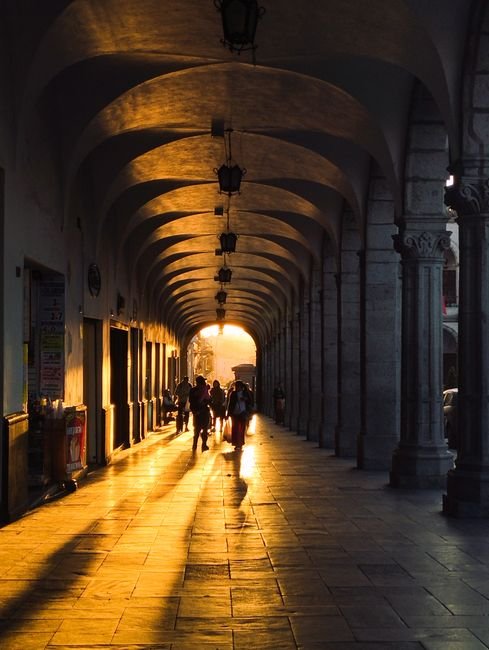
Key Takeaways
- Explore Plaza Mayor and surrounding cafés
- Visit Old and New Cathedrals and climb towers for city views
- Wander university façade, Casa de las Conchas and hidden garden
- Use walking and local buses; plan two days for relaxed pace
things to do in salamanca spain include exploring golden-stone plazas, historic university buildings, lively tapas bars, and peaceful riverside paths. This handsome city in western Spain is compact enough to enjoy on foot, yet full of places that reward a slower visit.
Salamanca is best known for its university, one of Europe’s oldest, and its sandstone architecture, which glows warmly in the late afternoon sun. The historic center is a UNESCO World Heritage Site, with major sights close together around the Plaza Mayor.
Plan at least two days if you can. One day covers the headline landmarks, but an extra day leaves time for museums, a long lunch, and a relaxed walk beyond the busiest streets. These tips for things to do in salamanca spain cover what to see, how to get around, and a few practical details for first-time visitors.
20 Things to Do in Salamanca Spain
Use this quick guide to plan your visit. Opening times and transport schedules can change, so check official websites before setting out.
| Travel detail | What to know |
|---|---|
| Best for | Architecture, history, student-city energy, and food |
| Suggested stay | Two or three days for a comfortable first visit |
| Getting around | Walk through the historic center; use local buses for longer trips |
| Good time to visit | Spring and autumn for milder weather and pleasant walking |
| Useful local phrase | “La cuenta, por favor” means “The bill, please” |
| Emergency number | 112 for emergencies throughout Spain |
Tip 1 – Start at the Plaza Mayor
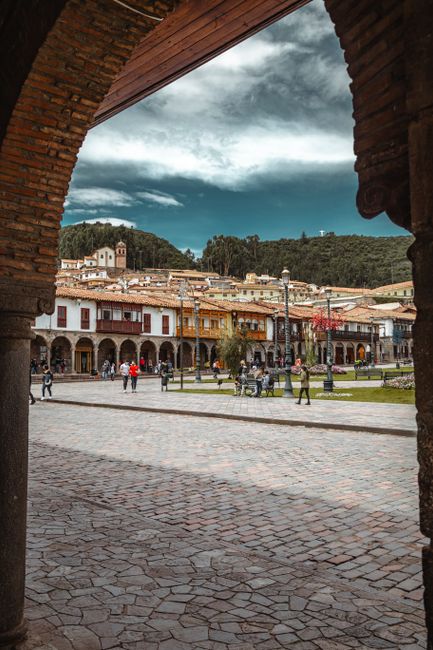
The Plaza Mayor is the natural starting point for things to do in salamanca spain. This grand, arcaded square is a meeting place for locals and visitors, with cafés and restaurants around its edges. Come early for a quieter look at the details, or return after dark when the illuminated stone gives the plaza a different feel.
Food and drinks on the square can cost more than in nearby side streets. Enjoy a coffee or a drink here for the atmosphere, then look elsewhere for a longer, better-value meal.
Tip 2 – See Salamanca’s Old and New Cathedrals
Salamanca has two connected cathedrals: the Romanesque Old Cathedral and the larger New Cathedral. Together, they show how the city’s religious architecture changed over centuries. Allow time to look closely at the carved doorways and interior details, not just the main façade.
Check current visiting hours and ticket options before you go, especially if you want to climb the towers. The Ieronimus route offers elevated views across the rooftops, but the steps and height may not suit everyone.
Tip 3 – Explore the University of Salamanca
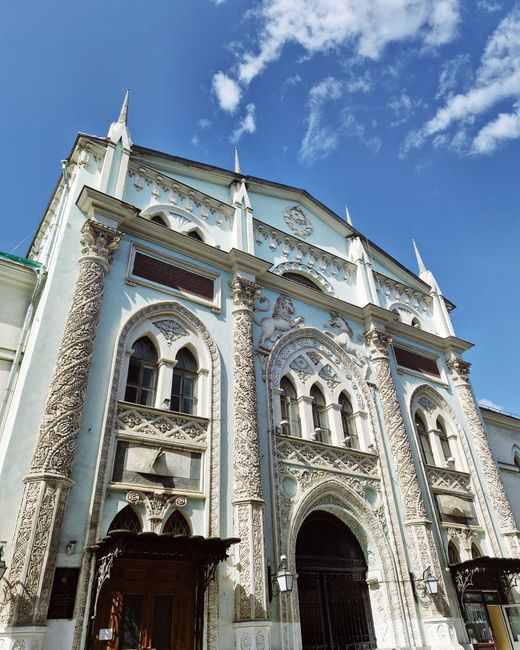
The University of Salamanca is one of the city’s defining landmarks and a highlight of any Salamanca itinerary. Its historic façade is famous for intricate stone carving. Visitors often look for the small frog hidden among the decorations, though the crowds near the entrance can make it tricky to spot.
Go early or later in the day if you want time to study the façade without a cluster of people in front of it. The university’s historic buildings and courtyard spaces help explain why Salamanca has been a center of learning for centuries.
Tip 4 – Visit Casa de las Conchas
Casa de las Conchas, or the House of Shells, is easy to recognize by the carved scallop shells covering its exterior. It sits close to the university and the cathedral, so it fits neatly into a walking route through the old town.
Step into the courtyard if it is open during your visit. The building also houses a public library, so keep voices low and be considerate of people using the space.
Tip 5 – Climb for a View from the Scala Coeli Towers
Scala Coeli is the name commonly used for the towers of the Clerecía church. The climb gives you a close look at the church’s upper spaces and a broad view over Salamanca’s rooftops. It is a good alternative if you want a different angle on the cathedral quarter.
There are stairs and narrow passages, so wear comfortable shoes and take your time. Check access times in advance, as they can vary by season or during special events.
Tip 6 – Find a Quiet Moment in the Convento de San Esteban
The Convento de San Esteban is a striking Dominican complex with a richly decorated façade and a peaceful cloister. It is a worthwhile stop for travelers who want to see more than the best-known university and cathedral buildings.
Religious sites may have service times or restricted areas. Dress respectfully, speak quietly, and check whether visitor access is available on the day you plan to go.
Tip 7 – Walk Across the Roman Bridge
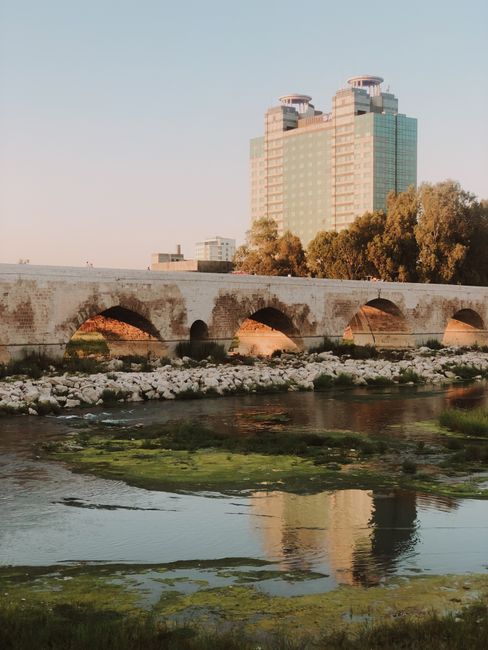
Cross the Roman Bridge over the Tormes River for a change of pace and a classic view back toward the historic center. The bridge is a pleasant stop at any time, but the light is especially attractive near sunset.
Continue along the riverbank if you want a longer walk away from the busiest streets. The route is open and exposed, so bring water in warm weather and take care on uneven sections.
Tip 8 – Visit the Art Nouveau and Art Deco Museum
Museo Art Nouveau y Art Déco, often called Casa Lis, is a colorful change from Salamanca’s medieval and Renaissance architecture. The museum is set in a glass-fronted building near the old city walls, with collections that include decorative arts and historic objects.
Check the museum’s official information for current opening hours, admission, and any photography rules. It is a useful indoor option on a hot afternoon or a rainy day.
Tip 9 – Take a Slow Walk Through the Old Town
Some of the best things to do in salamanca spain do not require a ticket. Wander through the narrow lanes between the Plaza Mayor, university, and cathedrals, where carved doorways and small squares appear around unexpected corners.
Wear comfortable shoes with a good grip. Historic paving can be uneven, and a few streets are sloped or cobbled. If you enjoy learning the stories behind the buildings, consider a guided walking tour on your first day.
Tip 10 – Try Salamanca’s Local Food

Look for local specialties such as jamón ibérico, hornazo, and chanfaina. Hornazo is a savory pastry often filled with pork products, while chanfaina is a traditional rice dish. Menus and recipes vary, so ask what is made in-house and check ingredients if you have dietary needs.
For a casual meal, explore the streets around the center rather than choosing the first restaurant beside a major landmark. A menu del día at lunchtime can be good value, though it is usually a set meal with limited choices.
Tip 11 – Enjoy Tapas and a Relaxed Evening
Salamanca has a lively student population, which gives its bars and cafés a welcoming, informal feel. Try a few small plates rather than ordering everything at once, and ask staff about regional dishes or local wines.
Spanish meal times may be later than visitors expect. Many restaurants serve dinner well into the evening, and some kitchens do not open for dinner at the early hour common in other countries. If you want an early meal, check hours before you arrive.
Tip 12 – Browse the Mercado Central
The Mercado Central, close to the Plaza Mayor, is a practical place to see everyday food shopping in Salamanca. Browse stalls selling produce, meat, fish, and other regional goods, and look for something small to take away if you are staying in self-catering accommodation.
Market hours are usually more useful in the morning and early afternoon than late in the day. Be polite when taking photos, and ask before photographing individual vendors or their stalls.
Tip 13 – Make Time for the Huerto de Calixto y Melibea
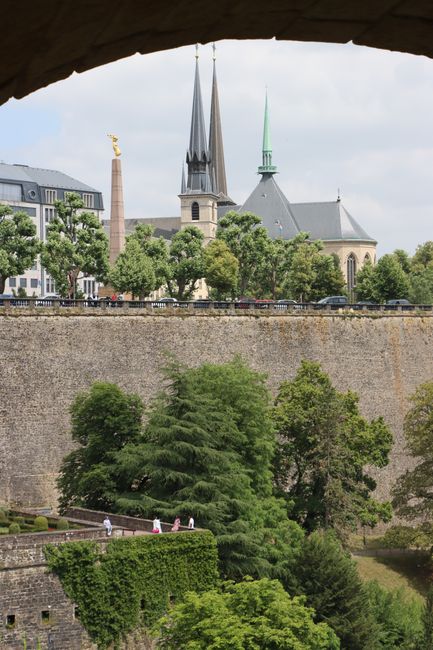
This small garden near the old city walls offers a calm pause between major sights. Huerto de Calixto y Melibea is associated with the characters in the Spanish literary work La Celestina, and it has a pleasant view toward the cathedral area.
It is a simple, low-cost stop, but the garden is not a large park. Combine it with nearby historic sites rather than planning a long visit on its own.
Tip 14 – Look for Student-City Energy
The university gives Salamanca a younger, busier feel than its historic stone streets might suggest. During the academic year, cafés and casual restaurants fill with students, and cultural events can add extra life to the center.
University calendars and public events change, so check local listings if you are hoping to catch a performance or exhibition. During major university periods, book accommodation early and expect more activity around central streets.
Tip 15 – Choose a Walkable Base
For a first visit, staying near the Plaza Mayor or historic center makes sightseeing easy. You can reach most major attractions on foot and return to your room between outings. Accommodation just outside the center may offer better value, but check the walking distance and hills before booking.
If you are arriving with heavy luggage, ask your accommodation about vehicle access. Some streets in the old town are narrow, pedestrianized, or subject to access restrictions.
Tip 16 – Use Local Buses When Walking Is Not Convenient
The historic center is compact, but local buses can help with longer trips, mobility needs, or travel between the center and areas farther out. Check the current routes, fares, and service times through Salamanca’s official transport information before you rely on a particular connection.
Keep some time in hand if you have a train or bus to catch. A taxi may be more practical with luggage or late at night, but agree on the destination clearly and use an official taxi rank or booking method.
Tip 17 – Plan Your Arrival by Train or Coach
Salamanca is connected to other Spanish cities by rail and coach services. Train journeys and schedules vary, so compare departure times and check the operator’s latest information before buying a ticket. The official Renfe website is useful for checking Spanish rail services and bookings.
The railway station is outside the tightest part of the historic center. Allow extra time to reach your accommodation, especially if you are walking with bags or arriving after dark.
Tip 18 – Pick the Right Season for Your Plans
Spring and autumn are often comfortable for walking around Salamanca, with generally milder conditions than the hottest part of summer. Summer can bring strong sun and hot afternoons, while winter days can be cold. Check the forecast close to your trip rather than relying only on seasonal averages.
For outdoor sightseeing, start early on warm days and take a break during the brightest hours. In cooler weather, layer clothing so you can adjust between outdoor walks and heated indoor spaces.
Tip 19 – Book Important Visits and Accommodation Ahead
Salamanca is easy to explore spontaneously, but advance planning helps during weekends, holidays, and major university events. Reserve your accommodation early if you want a central room, and check ticket requirements for tower access, guided tours, and popular cultural sites.
One common visitor mistake is trying to fit the whole historic center into a rushed half-day. The main sights are close together, but queues, museum visits, and meal breaks take time. Leave space in your itinerary to slow down.
Tip 20 – Use Simple Safety Habits and Travel Apps
Salamanca is a pleasant city to explore, but ordinary precautions still matter. Keep your phone and wallet secure in busy squares, be alert in crowded areas, and avoid leaving bags unattended at cafés. Save your accommodation address offline and keep an eye on your belongings on public transport.
Use a map app for walking directions and download an offline map before you arrive. Check official transport information for bus updates, and use weather and translation apps as needed. In Spain, call 112 for emergencies.
Visa & Entry Requirements
Salamanca is in Spain, which is part of the Schengen Area. Entry rules are not the same for every traveler. Visa requirements, passport validity, any electronic travel authorization, vaccination rules, customs requirements, and permitted length of stay depend on your passport and the government policies in force when you travel.
Before booking or departure, check the current information from Spain’s official authorities and the relevant Spanish embassy or consulate for your place of residence. The European Commission’s Schengen visa policy information explains the general framework, but it does not replace advice for your specific passport and circumstances.
Check that your passport meets the entry rules for your situation and has enough validity for the full trip. Some travelers may need a visa in advance, while others may be eligible for visa-free short stays. Where relevant, confirm whether an electronic travel authorization has been introduced and is required on your travel date. Do not assume that a rule you used on a previous trip still applies.
It is sensible to carry details of your return or onward journey and accommodation, as border officials may ask about your plans. Travel insurance is also worth arranging, even when it is not an entry requirement. Check whether it covers medical care, trip interruption, and activities you plan to do.
For customs, review the rules that apply to goods you are bringing into Spain, including cash, food, medicines, and restricted items. Requirements can differ depending on whether you arrive from another EU country or from outside the EU. Keep prescriptions or supporting documents for medicines when appropriate, and declare goods when required. These checks are practical guidance, not legal advice or a guarantee of admission. Use official government information for the final requirements before you travel.
Frequently Asked Questions
How many days should I spend in Salamanca?
Two days is a comfortable amount of time for a first visit. You can see the main historic sights, enjoy local food, and take a riverside walk without rushing. Add another day for more museums or a slower pace.
What are the best things to do in salamanca spain on a first visit?
Start with the Plaza Mayor, the Old and New Cathedrals, and the University of Salamanca. Then visit Casa de las Conchas, try local specialties, and walk across the Roman Bridge for a view of the old city.
Is Salamanca easy to explore without a car?
Yes. Most major attractions in the center are within walking distance of one another. Local buses can help with longer journeys, and train or coach services connect Salamanca with other destinations in Spain.
When is the best time to visit Salamanca?
Spring and autumn are good choices for comfortable sightseeing on foot. Summer can be very hot, while winter can be cold. Check the local forecast and plan outdoor walks for cooler parts of the day when needed.
Is Salamanca suitable for a family trip?
Yes. The central sights are close together, the plazas are lively, and the riverside offers space for a walk. Keep in mind that some historic buildings have stairs, uneven paving, or limited access, so check accessibility details before visiting.
What should I eat in Salamanca?
Try local specialties such as jamón ibérico, hornazo, and chanfaina. Ask restaurant staff about ingredients and portion sizes, especially if you have dietary restrictions. A lunchtime menu del día can be a good-value way to sample several dishes.
Is Salamanca a good day trip from Madrid?
It can work as a long day trip if transport times suit your plans, but an overnight stay gives you more time to explore. Staying longer also lets you see the city after day visitors have left and enjoy an unhurried evening around the Plaza Mayor.
Conclusion
Salamanca brings together landmark architecture, a lively university atmosphere, and an easy-to-explore historic center. Whether you spend your time admiring the cathedral façades, tasting regional food, or watching the evening light settle over the Plaza Mayor, the city rewards a relaxed pace.
Use these things to do in salamanca spain to plan a first visit, but leave room for spontaneous stops and quiet corners between the main sights. Check current opening hours and travel details, wear comfortable shoes, and enjoy discovering one of Spain’s most memorable historic cities.
