
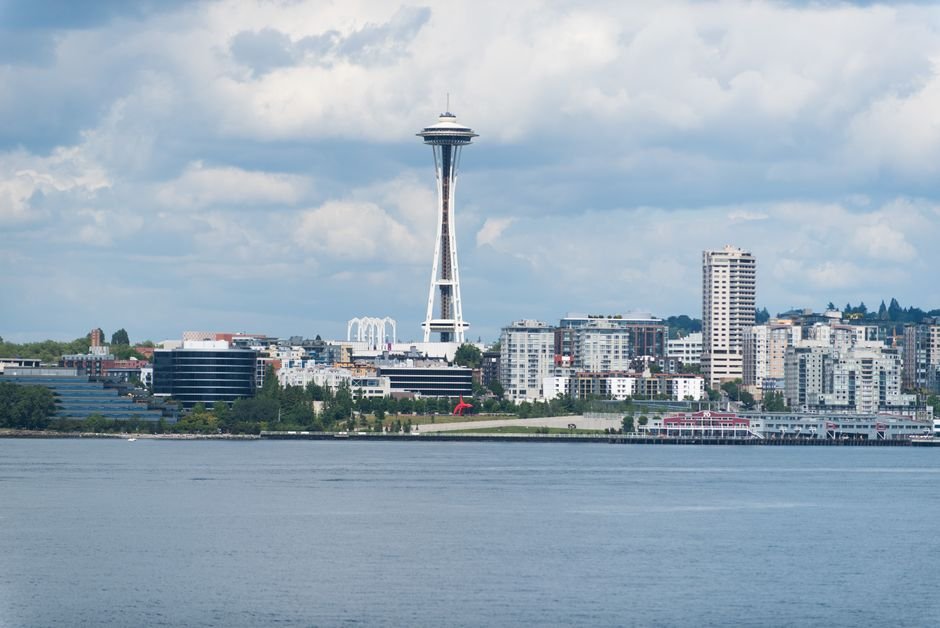
Key Takeaways
- Explore iconic spots like Pike Place Market, Space Needle, and waterfront for a full Seattle experience.
- Use public transport and plan for hills, rain, and changing weather to move efficiently.
- Pair indoor museums with outdoor parks to balance weather and budget.
- Pack layers, comfortable shoes, and a rain jacket; check schedules and seasonal closures.
things to do in seatle
things to do in seatle include browsing Pike Place Market, taking in Puget Sound views, and exploring neighborhoods with their own distinct character. Seattle, Washington, is a lively US city where waterfront walks, coffee shops, museums, and green spaces are easy to mix into one trip.
Seattle weather can change quickly, and the hills make some walks steeper than they look on a map. A little planning helps you choose the right neighborhoods, avoid unnecessary backtracking, and make the most of sunny spells.
This guide covers the best things to do in Seattle, with practical advice on local transport, food, family activities, safety, and entry requirements for travel to the United States.
20 things to do in seatle for a memorable visit
Tip 1 – Start at Pike Place Market
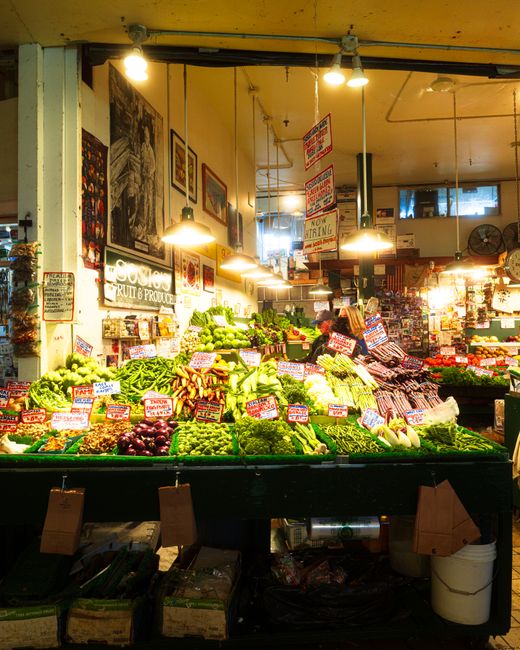
Pike Place Market is a lively introduction to Seattle, with produce stalls, seafood counters, bakeries, craft shops, and views toward Elliott Bay. Visit in the morning for a little more room to browse, or come hungry and make a meal of small bites from different vendors.
The market is spread across several levels, so look beyond the main arcade. Keep an eye on your belongings in busy areas, and be patient around popular photo spots. Check the official Pike Place Market website for current opening information and market events.
Tip 2 – Walk the Seattle waterfront
Follow the waterfront for views of ferries, working piers, and the Olympic Mountains on clear days. The area has been changing as new public spaces and paths open, so check local signs for current routes and construction before setting out.
Seattle Aquarium and the Seattle Great Wheel are popular stops nearby. The waterfront can feel crowded on sunny weekends and cruise-ship days, so visit early or later in the afternoon if you prefer a calmer stroll.
Tip 3 – See the city from the Space Needle
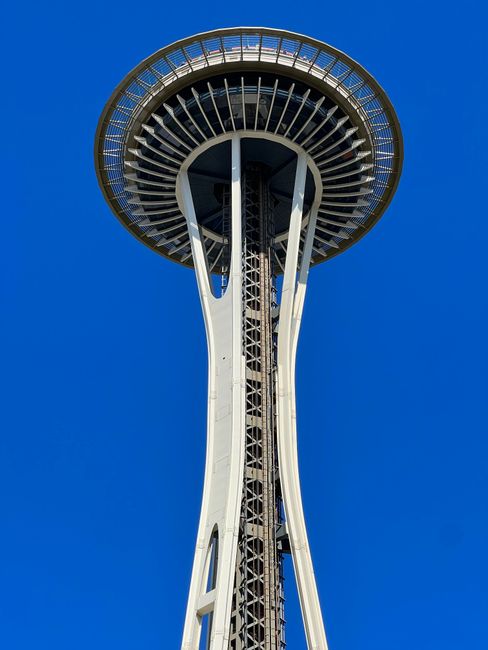
The Space Needle gives you a wide view of downtown, Puget Sound, and the surrounding mountains when the weather is clear. It is one of the city’s most recognizable attractions, but tickets can be expensive, and low clouds may limit the view.
Book a timed ticket ahead during busy travel periods, and check the forecast before choosing your visit time. The tower is part of Seattle Center, making it easy to pair with nearby museums and public art.
Tip 4 – Explore Seattle Center’s museums and public spaces
Seattle Center is home to the Space Needle, the Museum of Pop Culture, Chihuly Garden and Glass, and the Pacific Science Center. You can spend a full day here, but families and museum fans may want to choose one or two paid attractions rather than trying to see everything.
The open grounds are also worth a walk, with fountains, public art, and places to take a break. Check each attraction’s official site for ticket prices, opening hours, and any age-specific activities before you go.
Tip 5 – Browse the Museum of Pop Culture
The Museum of Pop Culture, often called MoPOP, covers music, film, gaming, and popular culture through changing exhibits and hands-on displays. Its striking building is easy to spot at Seattle Center, and the museum works well for visitors who want an indoor activity on a rainy day.
Exhibits change, so check what is on before booking. It is a better fit for pop-culture fans than for travelers looking for a traditional art museum.
Tip 6 – Visit Chihuly Garden and Glass
Chihuly Garden and Glass showcases colorful glass sculptures in indoor galleries and an outdoor garden. The displays are visually impressive and make a good pairing with the Space Needle, although buying separate admission for several Seattle Center attractions can add up.
Allow time to look around at a comfortable pace, especially if you enjoy photography. The garden is outdoors, so bring a light layer even in warmer months.
Tip 7 – Take a ferry across Puget Sound

A ferry ride is one of the simplest ways to enjoy Seattle’s maritime setting. The Seattle-Bainbridge Island route offers views back toward the city and a chance to spend time in a walkable island town. Check the schedule before you go, as sailing times and service can change.
For a short outing, walk onto the ferry and explore Bainbridge near the terminal. If you plan to take a vehicle, check fares, reservations, and vehicle loading guidance in advance. Bring a windproof layer for the deck.
Tip 8 – Find the view at Kerry Park
Kerry Park on Queen Anne is a small viewpoint with a classic panorama of downtown and the Space Needle. It is especially popular near sunset, so expect other visitors and limited room to linger.
You can reach the area by bus, rideshare, or a steep uphill walk from lower parts of the neighborhood. The view depends on the weather, so have another plan if clouds cover the skyline.
Tip 9 – Spend time in Capitol Hill
Capitol Hill is known for restaurants, cafes, music venues, nightlife, and a lively LGBTQ+ community. Browse independent shops during the day, then choose a restaurant or performance in the evening.
The neighborhood is hilly, and some streets get busy after dark. Use a well-lit route, keep track of your belongings, and plan your ride back if you are staying elsewhere.
Tip 10 – Explore Pioneer Square’s historic streets
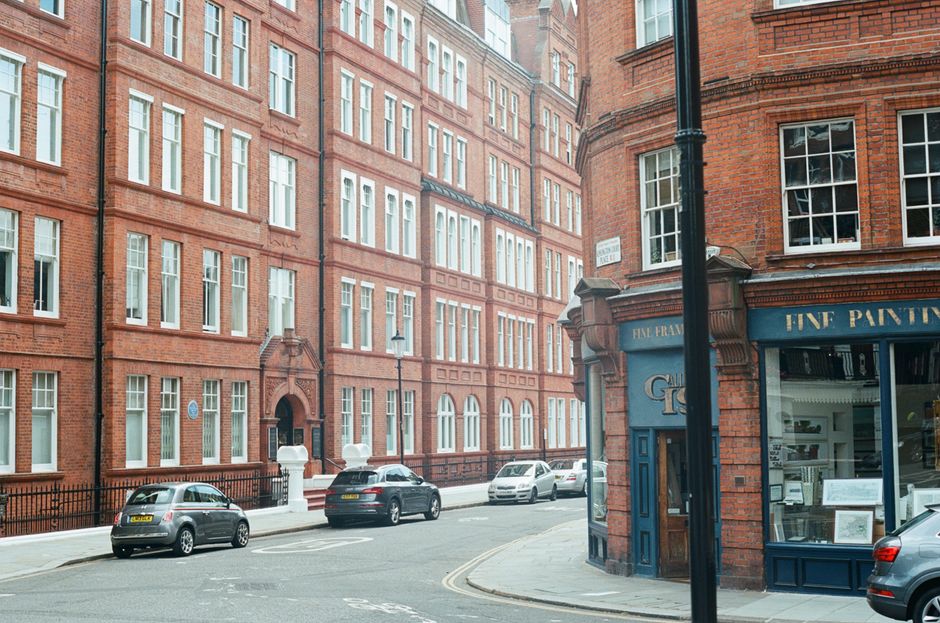
Pioneer Square has brick buildings, galleries, cafes, and some of Seattle’s oldest streets. It is a good area for architecture and local history, and guided underground tours explain how parts of the city changed after the Great Seattle Fire.
Some streets are quiet outside business hours, and conditions can vary from block to block. Stay aware of your surroundings, especially at night, and check tour schedules before arriving.
Tip 11 – Visit the Seattle Art Museum and Olympic Sculpture Park
The Seattle Art Museum downtown has collections and exhibitions spanning different places and periods. A short walk away, Olympic Sculpture Park offers large-scale outdoor art and waterfront views, with free admission to the park.
This pairing suits visitors who want a mix of indoor culture and fresh air. Check the museum’s opening days and current exhibitions, and note that the park’s paths include slopes and uneven surfaces.
Tip 12 – Make time for Seattle’s coffee and food
Seattle has a strong coffee culture, but the city’s food goes well beyond cafes. Try seafood, teriyaki, Asian cuisines, bakery treats, and locally made cider or beer. Pike Place Market and neighborhoods such as Ballard, Capitol Hill, and the Chinatown-International District offer plenty of options.
Prices vary widely, so look at menus before sitting down if you are traveling on a budget. In the United States, tipping is customary in many full-service restaurants. Check the bill for an included service charge before adding more.
Tip 13 – Walk or picnic in Discovery Park

Discovery Park is Seattle’s largest city park, with forest trails, open meadows, and views of Puget Sound. It is a welcome change of pace from downtown and a good place for a longer walk or a relaxed picnic.
The park is not right beside central attractions, so allow time for the trip and check transit options before you leave. Stay on marked trails, respect any seasonal closures, and pack out your rubbish.
Tip 14 – See the Ballard Locks and neighborhood
At the Hiram M. Chittenden Locks, you can watch boats move between fresh and salt water and visit the fish ladder when it is open. The nearby Carl S. English Jr. Botanical Garden is a peaceful addition to the visit.
Afterward, explore Ballard for restaurants, shops, and breweries. The locks are a working facility, so follow posted directions and check current hours before planning your day around them.
Tip 15 – Choose a family-friendly Seattle activity
Families can combine the Pacific Science Center, the Seattle Aquarium, the waterfront, and open spaces at Seattle Center. Choose activities that fit your children’s ages and energy levels, and leave room for snack breaks rather than filling every hour.
If you are comparing family destinations, our guide to 20 Fun and Best things to do in Santa Fe with kids offers ideas for another US city. In Seattle, check attraction age guidance and book popular timed tickets ahead when practical.
Tip 16 – Use public transport to get around
Seattle has light rail, buses, streetcars, and regional trains. Link light rail connects Seattle-Tacoma International Airport with central Seattle, but your final stop may still require a walk, bus, or rideshare. Review routes and fares through Sound Transit’s official rider information.
Transit payment options and service details can change, so check current instructions before your trip. A contactless payment card or a regional ORCA card may be useful depending on how often you plan to ride. Seattle’s hills and uneven sidewalks can make a short map distance feel longer.
Tip 17 – Pick the right season for your trip
Summer often brings the driest weather and long daylight hours, but it is also a busy and expensive time to visit. Spring and fall can offer fewer crowds, though rain and changing temperatures are more likely. Winter is generally cooler and darker, making it a good season for museums, cafes, and indoor attractions.
Seattle’s weather is not predictable enough to plan every day outdoors. Check the forecast shortly before you travel, and keep a flexible indoor option on your list.
Tip 18 – Pack for hills, rain, and changing plans
Bring comfortable shoes with good grip, a compact rain jacket, and layers you can add or remove. A small day bag is useful for water, snacks, and a portable charger. Even in summer, a light layer helps on ferries and breezy waterfront walks.
If you plan to hike or visit a larger park, carry water and check trail conditions. Pack any prescription medicine in its original packaging where possible, and keep essential items accessible during travel.
Tip 19 – Use local information and stay aware
Use official transit updates, attraction websites, and a trusted maps app to check routes and opening times. Download maps for offline use if your mobile service may be limited. For emergencies in the United States, call 911 for police, fire, or medical help.
As in any large city, stay aware of your surroundings, especially around busy transit stops and at night. Keep valuables secure, use well-lit streets, and follow instructions from local authorities. The emergency number is for urgent situations, not general travel questions.
Tip 20 – Avoid the most common Seattle visitor mistake
A common mistake is trying to cover every attraction in one day or assuming that nearby places are easy to reach on foot. Seattle’s hills, traffic, and neighborhood distances can add time, while popular attractions may require timed entry.
Group activities by area, leave breaks between plans, and check opening hours before setting off. If a clear day arrives, consider prioritizing an outdoor view or ferry ride, since the weather may not stay the same.
Quick reference for visiting Seattle
| Travel question | Practical answer |
|---|---|
| Best time to visit | Summer usually has the most reliable outdoor weather, while spring and fall can be quieter. |
| Getting around | Use light rail, buses, streetcars, and walking. Expect hills and allow extra travel time. |
| Good first stops | Pike Place Market, Seattle Center, and the waterfront make a useful introduction. |
| Budget planning | Mix free parks and public spaces with a smaller number of paid attractions. |
| What to pack | Comfortable walking shoes, layers, and a light rain jacket are useful year-round. |
| Emergency number | Call 911 for urgent police, fire, or medical emergencies in the United States. |
Visa & Entry Requirements
Seattle is in the United States, and entry rules depend on your passport, travel purpose, and current US government policy. Visa, passport-validity, authorization, vaccination, customs, and length-of-stay requirements can differ between travelers. Do not rely on another visitor’s experience as confirmation that the same rules apply to you.
Before booking or departure, check the US Department of State’s official visa information and the relevant US embassy or consulate website for your location. Some travelers may need a visa, while eligible travelers may be able to seek authorization through the Visa Waiver Program. If that may apply to you, review the official ESTA information from US Customs and Border Protection. An authorization or visa does not by itself guarantee admission at the border.
Check that your passport meets the requirements for your particular circumstances, including validity and available blank pages if required. Confirm whether you need a visa or electronic travel authorization, and allow time for application processing. Officials or carriers may ask about return or onward travel and where you will stay, so keep relevant booking details accessible. Requirements can also vary for transit through the United States.
Review current public health advice and any vaccination requirements that apply to your journey, including rules linked to recent travel or transit. Check customs guidance before packing food, plants, medicines, cash, or other restricted or declarable items. Follow the instructions on arrival and make any required declarations honestly. Travel insurance is not a substitute for entry permission, but it can help with eligible medical or trip costs.
Rules can change, and individual circumstances matter. Confirm the latest information with official US government sources shortly before travel, and contact the appropriate embassy or consulate if your situation is unclear. This is general travel information, not legal advice or a guarantee of entry.
Frequently asked questions about things to do in seatle
What are the best things to do in seatle on a first visit?
Start with Pike Place Market, walk the waterfront, and visit Seattle Center for the Space Needle or a museum. If the weather is clear, add a ferry ride or a viewpoint such as Kerry Park.
How many days should I spend in Seattle?
Two or three days is enough for several central attractions and a neighborhood visit. Four or more days gives you time for parks, museums, a ferry outing, and a slower pace.
Is Seattle expensive for visitors?
It can be, especially during summer and for popular paid attractions. Save money by visiting public parks, exploring neighborhoods on foot, using transit, and choosing a few paid experiences rather than buying tickets for everything.
Can I get around Seattle without a car?
Yes, many visitors can use public transit, walking, and occasional rideshares. Light rail is useful for the airport and central areas, but some destinations take longer to reach and hills may make walking tiring.
What should I do in Seattle when it rains?
Choose indoor options such as the Museum of Pop Culture, Chihuly Garden and Glass, the Seattle Art Museum, or the aquarium. Seattle’s rain can be light, so a waterproof layer may still let you enjoy a short walk between stops.
Is Seattle a good destination for families?
Yes. Families can choose from hands-on science exhibits, the aquarium, parks, ferries, and open spaces at Seattle Center. Check age guidance and ticket details before visiting, and plan a relaxed schedule with breaks.
What is the most common tourist mistake in Seattle?
Trying to fit too many far-apart stops into one day is a frequent planning problem. Group activities by neighborhood, account for hills and transit time, and check attraction hours before you go.
Conclusion
Seattle rewards visitors who balance its famous sights with time in its neighborhoods, markets, parks, and waterfront spaces. Start with the places that interest you most, then leave room for a ferry ride, a good meal, or a quiet walk if the weather cooperates.
With comfortable shoes, flexible plans, and a quick check of transit and attraction details, you can enjoy the best things to do in seatle without rushing. Whether you come for coffee, culture, family activities, or Puget Sound views, Seattle has plenty to fill a rewarding city break.
