

Key Takeaways
- Explore iconic palaces and castles
- Wander mystical gardens and hidden tunnels
- Enjoy local cuisine in the historic center
- Plan ahead with transport and ticket advice
Sintra, a UNESCO World Heritage town just outside Lisbon, feels like a fairy‑tale set on rolling hills. When you type “Things to do in sintra” into a search engine, you’re looking for a mix of grand palaces, lush gardens, and charming streets, all within walking distance of each other. This guide pulls together the essential sights, practical advice, and local flavors so you can craft a day (or two) that feels both magical and manageable.
The town’s micro‑climate means mist can drift through the valleys in the morning, giving the stone façades an ethereal glow. Bring a light jacket, comfortable shoes, and a sense of curiosity. Below you’ll find a step‑by‑step itinerary, insider tips, and answers to the most common questions about visiting this Portuguese gem.
Things to do in sintra: Top Attractions
Palácio Nacional de Sintra
The National Palace sits in the historic heart of Sintra, distinguished by its twin conical chimneys. Inside, you’ll find a blend of Gothic, Manueline, and Moorish styles, reflecting centuries of royal occupation. The rooms are furnished with period pieces, azulejo tiles, and intricate wooden ceilings that tell stories of Portugal’s past monarchs.
Don’t miss the Swan Room, a beautifully painted chamber that once hosted royal banquets. The palace’s location makes it a perfect first stop; you can easily combine it with a coffee break at a nearby café, watching locals stroll along the cobblestones.
Guided tours are available in several languages, but the self‑guided audio guide is thorough and allows you to linger where you wish. Allocate about 90 minutes to fully appreciate the interiors and the modest garden behind the palace.
Palácio da Pena
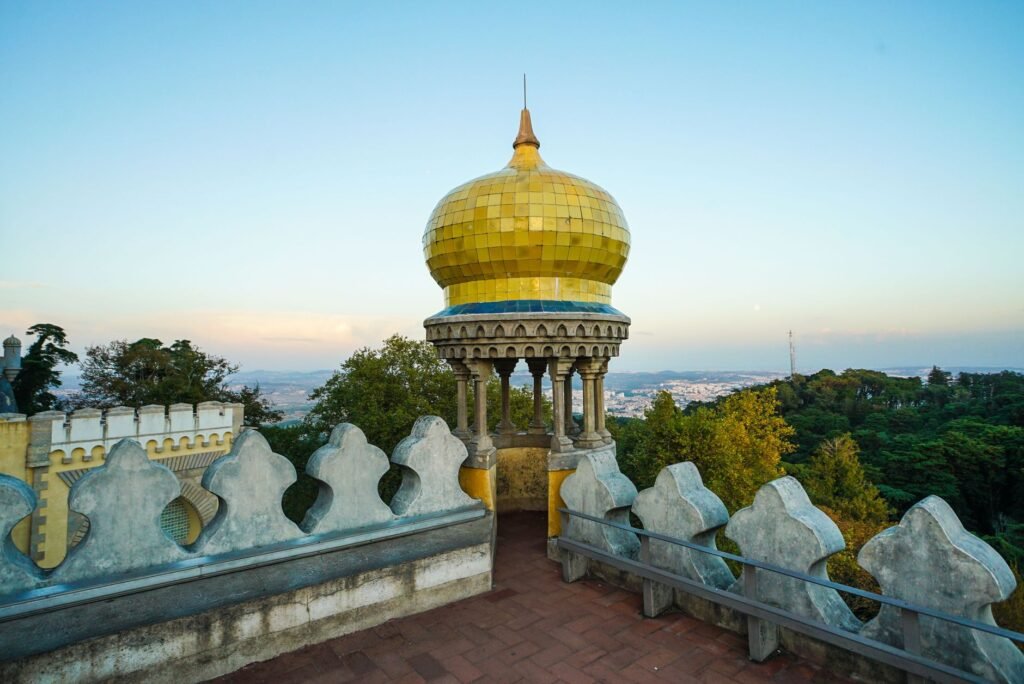
Perched atop a hill, the Pena Palace is arguably Sintra’s most iconic landmark. Its vivid colors, eclectic architecture, and sweeping terraces offer panoramic views of the Atlantic coast and the town below. The palace was commissioned by King Ferdinand II in the 19th century as a Romantic retreat, mixing Neo‑Gothic, Neo‑Manueline, and Neo‑Moorish elements.
Inside, each room is a theatrical set: the Hall of Battles displays armor and weaponry, while the Queen’s bedroom showcases lavish fabrics and period furniture. The surrounding park, spanning over 200 hectares, is a labyrinth of exotic trees, hidden fountains, and winding paths.
Because the palace is popular, arrive early or purchase tickets online to skip the longest queues. A visit typically takes two to three hours, especially if you explore the gardens and the nearby Chalet of the Countess.
Quinta da Regaleira
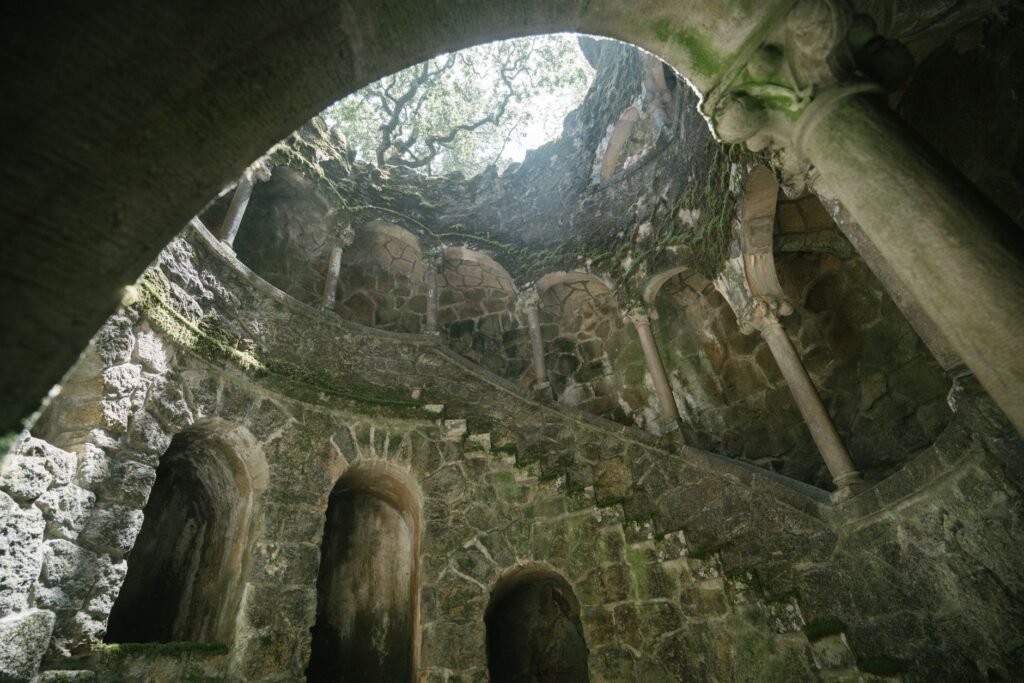
Just a short walk from the palace, Quinta da Regaleira is a UNESCO‑listed estate renowned for its symbolic architecture. The highlight is the Initiatic Well, a spiraling staircase that descends 27 meters into the earth, surrounded by grottoes and stone carvings that reference alchemy, Masonry, and the Knights Templar.
The estate’s garden is a whimsical playground of hidden tunnels, a chapel, and the famed Regaleira Palace, a blend of Gothic and Renaissance styles. Each element was designed to represent a spiritual journey, making the site both a visual delight and a contemplative space.
Guided tours often focus on the symbolism, but you can also explore at your own pace. Wear sturdy shoes for the uneven stone steps, and allow at least an hour and a half to wander the grounds thoroughly.
Castelo dos Mouros
The Moorish Castle crowns the Sintra hills, offering a tangible connection to the town’s medieval past. Built in the 8th and 9th centuries, the fortress walls stretch for nearly a kilometer, punctuated by towers that provide sweeping vistas of the surrounding landscape.
Climbing the stone ramparts is a rewarding experience; the path is steep in places but well‑maintained. From the highest points, you can see the Pena Palace, the Atlantic Ocean, and the town’s red‑tiled roofs below.
The castle is less crowded than the palace, making it a peaceful spot for photography. Allocate about an hour for the walk up and down, and consider pairing it with a visit to the nearby gardens for a full hill‑top experience.
Historic Center and Local Flavors
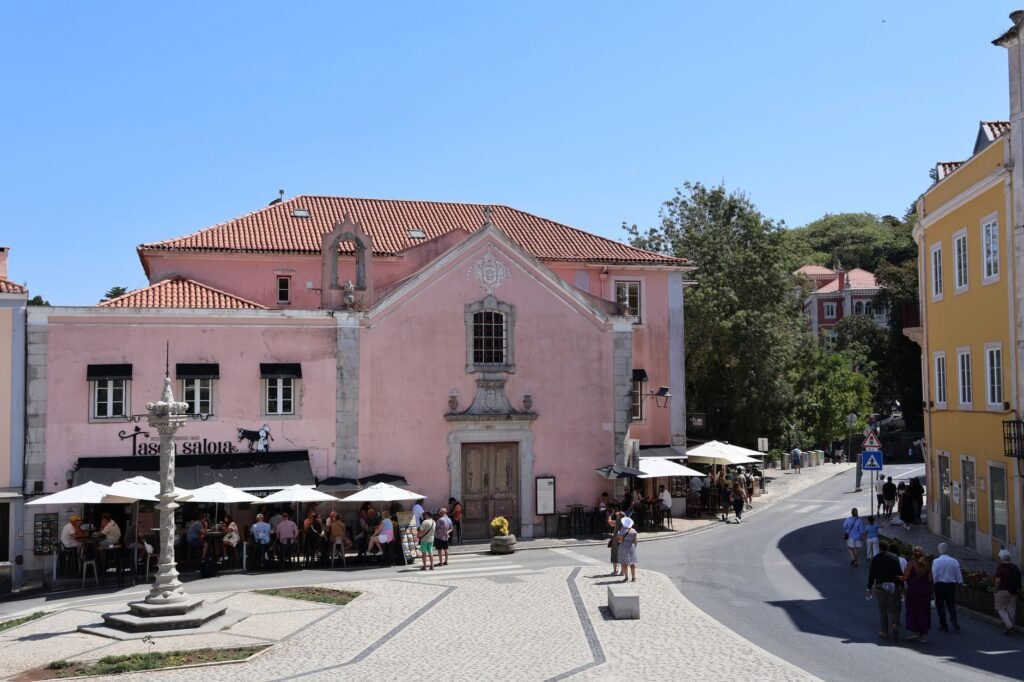
The historic center of Sintra is a maze of narrow lanes, pastel‑colored houses, and bustling squares. It’s the perfect place to pause after a morning of sightseeing and soak up the town’s relaxed vibe.
Start at the Praça da Liberdade, where you’ll find a selection of cafés serving traditional pastries. The most famous is the “travesseiro” – a pillow‑shaped puff pastry filled with almond cream – and the “queijada,” a sweet cheese tart that has been baked here for centuries.
For lunch, look for a family‑run tasca offering petiscos (small plates). Expect dishes like grilled sardines, caldo verde (kale soup), and the regional specialty, “bacalhau à lagareiro” (cod baked with olive oil and potatoes). Pair your meal with a glass of locally produced Vinho Verde for a refreshing finish.
- Try a pastel de nata from a bakery on Rua das Padarias.
- Visit the Mercado Municipal for fresh fruit and local cheese.
- Enjoy a sunset aperitif at a rooftop bar overlooking the palace silhouettes.
Nature Walks and Parks
Beyond the historic monuments, Sintra boasts a network of trails that wind through pine forests, limestone cliffs, and coastal viewpoints. The Sintra-Cascais Natural Park covers the area, offering both easy walks and challenging hikes.
One popular route is the “Trilho da Pena” which starts near the palace and leads to the Moorish Castle, passing through dense vegetation and ancient stone walls. The trail is well‑marked and suitable for most fitness levels, though some sections are steep.
If you prefer a coastal experience, head to Praia da Adraga, a rugged beach about 15 km from town. The drive itself offers dramatic cliffs, and the beach is a great spot for a picnic after a morning hike.
Day Trips from Sintra
Sintra’s central location makes it an ideal base for exploring nearby attractions. You can easily spend a full day venturing beyond the town’s borders without feeling rushed.
Cascais and the Coast
The seaside town of Cascais is a 30‑minute train ride away. Known for its golden beaches, lively marina, and the historic Boca do Inferno cliff formation, Cascais offers a contrast to Sintra’s hilltop romance. Rent a bike and follow the coastal promenade that links Cascais to the fishing village of Estoril.
Lisbon’s Historic Neighborhoods
Lisbon lies just 40 minutes south by train. If you have extra time, explore the Alfama district’s narrow alleys, the iconic tram 28 route, and the Belém tower. Returning to Sintra in the evening lets you enjoy both the capital’s nightlife and the town’s quiet charm.
Monserrate Palace
Further inland, the Monserrate Palace blends Moorish, Gothic, and Indian influences within a botanical garden of exotic plants. It’s less crowded than Pena but equally enchanting, and can be reached by a short bus ride from the town center.
Practical Information for Visiting Sintra
Planning ahead ensures you get the most out of your Sintra adventure. Below is a quick reference table that summarizes typical ticket ranges, opening hours, and transport options for the main attractions.
| Attraction | Typical Ticket Range | Opening Hours | Transport |
|---|---|---|---|
| Palácio Nacional de Sintra | €8‑€12 | 9:00‑19:00 (varies seasonally) | Walking distance from train station |
| Palácio da Pena | €14‑€20 (combined ticket with Moorish Castle) | 9:30‑19:00 (summer) | Bus 434 from Sintra centre |
| Quinta da Regaleira | €10‑€15 | 10:00‑18:00 | Walking distance from town centre |
| Castelo dos Mouros | €8‑€12 (often bundled) | 9:30‑19:00 | Bus 434 or hike from Pena |
Tickets can be purchased on‑site or online; buying ahead often provides a small discount and guarantees entry during peak season. Public transport consists of frequent trains from Lisbon’s Rossio station to Sintra, followed by local buses or a short walk to most sites.
For those who prefer flexibility, a day pass for the local bus network costs around €5 and covers the main routes between the palace, castle, and historic centre. Remember to validate your ticket before boarding.
Frequently Asked Questions
What is the best time of year to visit Sintra?
Spring (April‑June) and early autumn (September‑October) offer mild weather, fewer crowds, and vibrant foliage. Summer can be busy, and winter may bring occasional rain, but the palaces remain open year‑round.
How much walking should I expect?
Most attractions involve moderate walking on uneven surfaces, especially the hilltop sites. Comfortable shoes are essential, and you should budget at least 3‑4 hours of walking if you plan to visit the major palaces and the castle in one day.
Can I bring food into the palaces and gardens?
Outside food is generally not allowed inside the interior museum spaces, but most outdoor gardens have designated picnic areas where you can enjoy a snack. There are plenty of cafés nearby for a quick bite.
Is Sintra accessible for visitors with limited mobility?
Some sites, like the National Palace, have limited accessibility due to historic staircases. The Pena Palace offers a shuttle and elevator for certain floors, but the Moorish Castle’s steep paths are challenging. Check each venue’s official website for specific accommodations.
The Bottom Line
Sintra delivers a compact yet unforgettable mix of history, architecture, and natural beauty. By prioritising the top palaces, exploring the winding streets, and planning your transport wisely, you’ll experience the town’s magical atmosphere without feeling rushed. Whether you have a single day or a leisurely weekend, the “Things to do in sintra” list offers enough variety to keep every traveler enchanted.
