
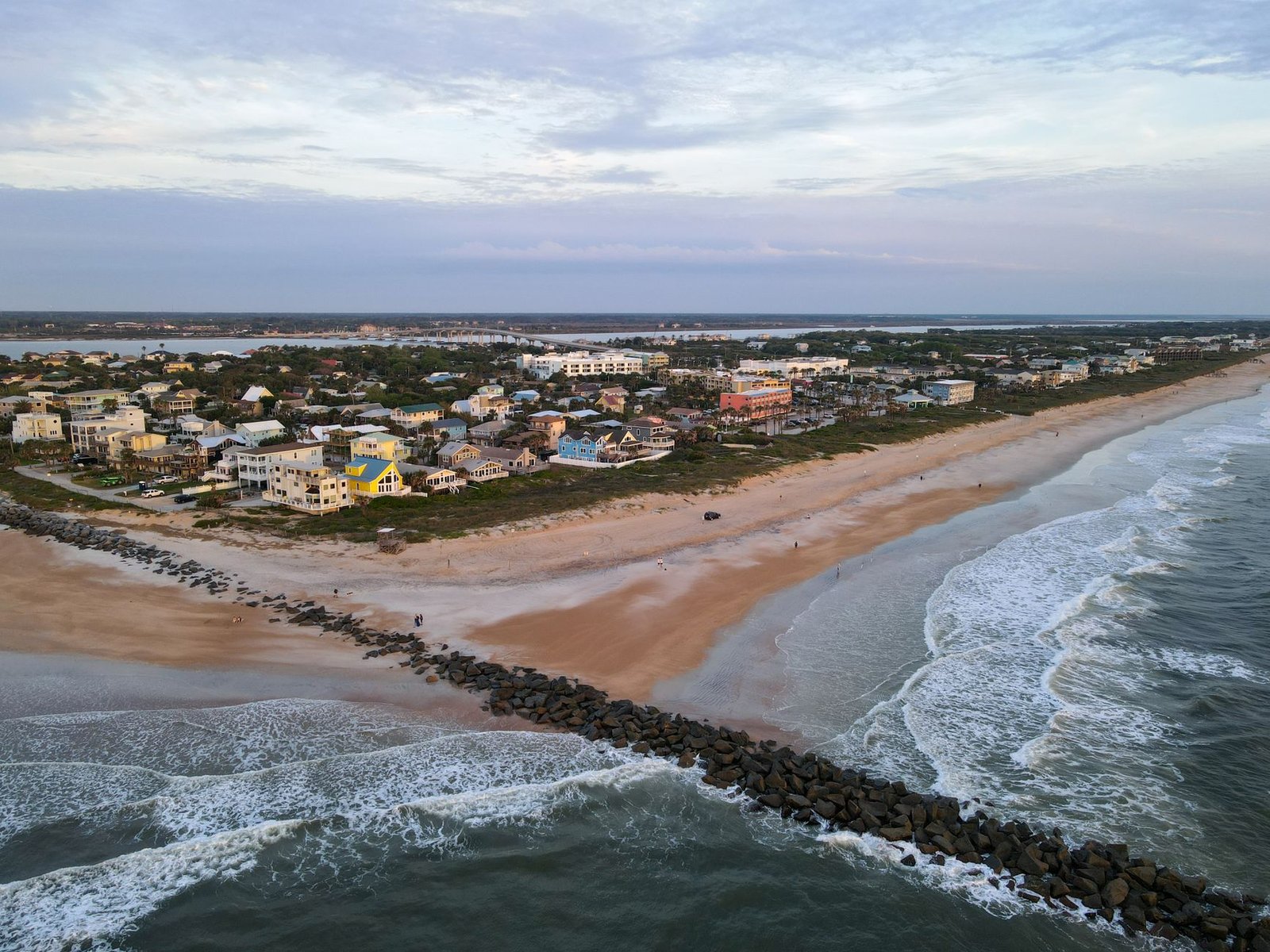
St. George Island, a thin stretch of sand and pine‑forested dunes on Florida’s Gulf Coast, feels like a secret kept between the sea and the sky. Accessible by a single causeway, the island has preserved a laid‑back, small‑town vibe while offering enough natural beauty and outdoor adventure to keep even the most seasoned travelers interested. Whether you’re chasing sunrise over the Gulf, hunting for the perfect shell‑filled beach, or simply looking to unwind with fresh seafood and a gentle ocean breeze, St. George Island delivers a mix of relaxed charm and active exploration that’s rare in today’s crowded tourist spots.
When to Visit: Seasons, Weather, and Crowds
St. George Island’s climate is typical of the Florida Panhandle: warm, humid summers and mild winters. The best time to experience the island’s full range of activities—while avoiding the peak crowds and the most intense heat—usually falls into three windows:
- Late Spring (mid‑April to early June): Temperatures hover in the upper 70s to low 80s °F (mid‑20s °C), sea breezes are steady, and the island’s flora is in full bloom. This period offers a sweet spot for beach walks, birdwatching, and early‑season fishing.
- Early Fall (late September to early November): Summer humidity eases, and the Gulf’s water remains warm enough for swimming without the intense sun of July and August. Fall also brings the occasional dolphin sighting and a chance to see migratory shorebirds.
- Winter (December through February): While temperatures dip into the 50s °F (10‑15 °C) at night, daytime highs stay comfortable in the 60s‑70s °F (15‑24 °C). Winter is prime time for turtle‑watching on the beaches, and the island’s accommodations are typically more affordable.
Summers (June‑August) can be hot and humid, with frequent afternoon thunderstorms. If you love vibrant sunsets and don’t mind occasional rain, summer still offers plenty of beach time, but be prepared with plenty of sunscreen, a hat, and a flexible schedule. The hurricane season (June‑November) does bring a higher chance of tropical weather, so keep an eye on forecasts and consider travel insurance if you plan a visit during this period.
How to Get There: Getting to St. George Island
Most visitors arrive by car, as the island is accessed via the 11‑mile George Island Causeway (U.S. Route 98) from the town of Apalachicola. Here are the primary options for reaching the causeway:
- Driving: The causeway is well‑signed from major highways, including I‑10 (which runs east‑west across the Florida panhandle). Parking is available at most public beaches and in the village of Seaside, though some spots fill early on weekends.
- Regional Airports: The nearest commercial airports are Northwest Florida Regional Airport (ECP) in Panama City (about 80 miles away) and Tallahassee International Airport (TLH) (roughly 120 miles). Both airports offer rental‑car services, which are essential for island travel.
- Bus and Shuttle Services: While there are limited public‑transport options directly to the island, a few local shuttle operators run seasonal routes from Apalachicola and Panama City. Check local tourism websites for current schedules.
Because the island has a single entry point, traffic can build up on holiday weekends, especially during spring break. Leaving early in the morning or later in the afternoon helps avoid the longest waits on the causeway.
Getting Around on the Island: Cars, Bicycles, and More
Once you’re on St. George Island, the most convenient way to explore is by car. The island’s main road, Gulf Coast Road (County Road 30), runs the length of the island, connecting beaches, parks, and the village of Seaside. Here are the most common transportation methods:
- Rental Cars: Many visitors rent a compact car or SUV in Panama City or Tallahassee. The island’s roads are narrow but well‑maintained, and a vehicle gives you the freedom to stop at lesser‑known spots.
- Bicycles: The island’s flat terrain makes it ideal for cycling. Many local outfitters provide bike rentals, and several bike‑friendly paths run parallel to the beach, offering a scenic, low‑impact way to travel between points of interest.
- Golf Carts: For short trips within the Seaside area and nearby beaches, a golf cart is a fun alternative. Some accommodations provide carts for guest use.
- Walking: The main beaches are easily walkable, and the dunes provide natural boardwalks in some areas. Pack sturdy sandals and be prepared for sand underfoot.
Public transportation on the island is minimal, so plan ahead if you prefer not to drive. Many visitors combine a rental car for longer drives with bicycles or walking for exploring specific beach sections and nature trails.
Top Attractions: Must‑See Spots on St. George Island
St. George Island’s appeal lies in its natural attractions, each offering a different facet of Gulf Coast life:
- St. George Island State Park: Spanning over 2,500 acres of dunes, forest, and shoreline, the state park is the centerpiece of island recreation. Visitors can enjoy hiking trails, a nature center, and a historic lighthouse replica.
- Seaside Park: This small, family‑friendly beach area offers a gentle surf, a playground, and easy access to nearby dining options. It’s a popular spot for sunset picnics.
- Shell Beach (also known as “Shells Beach”): As the name suggests, this stretch is famous for its abundant, naturally polished shells—perfect for collectors and photographers.
- St. George Pier: Extending into the Gulf, the pier is a favorite fishing spot and a great place to spot dolphins. Evening walks on the pier provide spectacular sunset views.
- Port St. George Village: The island’s historic fishing village retains its old‑world charm, with wooden piers, small marinas, and a few local shops.
Each of these attractions can be reached within a short drive from the main accommodation zones, allowing you to craft a flexible itinerary based on your interests.
Beaches of St. George Island: Sand, Surf, and Serenity
The island’s coastline stretches for roughly 20 miles, offering a variety of beach experiences—from wide, open dunes to secluded coves. Here are some of the most beloved stretches:
- East End Beach (near the state park’s visitor center): Wide and relatively flat, this beach is ideal for early‑morning walks and sunrise photography.
- North Beach (adjacent to Seaside Park): Calm waters and soft sand make it perfect for families with children.
- Southwest Beach (near St. George Pier): A bit windier, this area attracts anglers and kite‑boarders, and it offers some of the best sunset views on the island.
- West Beach (near the causeway): Known for its excellent shell‑collecting, the tide pools here reveal small marine life at low tide.
- Hidden Cove (accessible via a short trail in the state park): A quieter, more secluded spot where the dunes form a natural alcove, perfect for a private picnic.
All public beaches have basic amenities such as portable restrooms and trash receptacles. For a more rugged experience, the state park’s undeveloped shoreline offers primitive access points without lifeguard services.
Outdoor Activities: From Kayaking to Fishing
St. George Island’s natural setting invites a wide range of outdoor pursuits:
- Kayaking and Paddleboarding: Calm Gulf waters make for gentle paddling, while the back‑bay channels offer a more sheltered environment for beginners. Rental shops in Seaside and near the state park provide single‑person kayaks and stand‑up paddleboards.
- Fishing: The island is a renowned spot for both shore‑based and pier fishing. Species commonly caught include redfish, speckled trout, and Spanish mackerel. Early morning or late afternoon tides provide the best bites.
- Hiking: Trails in St. George Island State Park wind through maritime forest, pine dunes, and coastal scrub. The “Dunes Trail” is a short, boardwalk route that showcases the island’s fragile ecosystems.
- Birdwatching: The island sits along the Mississippi Flyway, making it a seasonal stop for migratory birds. Look for roseate spoonbills, herons, and occasionally ospreys nesting on the dunes.
- Shelling and Tide‑Pool Exploration: Low tide reveals an array of shells, small crabs, and sea stars. Bring a bucket for collecting shells responsibly—leave live creatures where you find them.
Most activities can be arranged through local outfitters, but you can also bring your own gear. Always check local regulations for protected areas and adhere to “Leave No Trace” principles to preserve the island’s pristine environment.
Wildlife and Nature: What to Look For
Beyond the obvious marine life, St. George Island supports a surprisingly diverse array of wildlife. Keep an eye out for:
- Sea Turtles: The island’s beaches serve as nesting grounds for loggerhead and green sea turtles, especially from May through October. Guided nighttime turtle‑watching tours are offered during nesting season.
- Dolphins: Bottlenose dolphins are frequent visitors to the waters around the pier and can often be spotted from the shoreline during calm mornings.
- Coastal Birds: In addition to migratory shorebirds, resident species like the American white pelican and the brown pelican can be seen hunting over the surf.
- Marine Life in the Back Bay: The shallow back‑bay habitats host flounder, catfish, and a variety of crustaceans, making it a productive area for anglers and kayak explorers alike.
When observing wildlife, maintain a respectful distance. For turtles, avoid using bright lights on the beach at night, as they can disorient hatchlings. The Florida Fish and Wildlife Conservation Commission provides guidelines for responsible wildlife viewing, which are worth reviewing before your trip.
Neighborhoods and Villages: Where to Stay and Explore
St. George Island’s settlement pattern is informal, with a few clusters of homes, vacation rentals, and small businesses. The primary areas include:
- Seaside (the village of Seaside): The most developed part of the island, offering a concentration of lodging options, grocery stores, and a few restaurants. The layout is walkable, with a central park and a small marina.
- Port St. George: A historic fishing hamlet on the western side of the island, featuring modest cottages, a small harbor, and a handful of local eateries that emphasize fresh catches.
- Southwest Cottages Area: A quieter residential stretch near the pier, favored by families who prefer a more secluded setting while still being within a short drive of amenities.
- Camping Grounds: Within St. George Island State Park there are both primitive and RV‑friendly campsites, allowing visitors to stay overnight amid the dunes.
Each neighborhood retains a low‑density, relaxed feel. The island’s limited commercial development means that you’ll often find locally owned shops rather than chain establishments, preserving an authentic coastal atmosphere.
Food and Drink: Tasting the Gulf
St. George Island’s culinary scene revolves around fresh seafood, simple preparations, and a laid‑back dining style. Here are the typical flavors and venues you’ll encounter:
- Seafood Shacks: Small, often family‑run eateries serve fried grouper, shrimp po’boys, and crab cakes straight from the Gulf. These spots are perfect for a casual lunch after a morning of beachcombing.
- Restaurants with Views: Several beachfront restaurants offer open‑air seating with unobstructed sunset vistas. Expect menus that feature local catches, seasonal vegetables, and a selection of craft beers from nearby breweries.
- Grocery Stores and Markets: The island’s main grocery outlet carries fresh produce, local honey, and a modest selection of prepared foods. It’s a convenient stop for picnics or stocking a vacation rental.
- Local Coffee Shops: A few cafés provide freshly brewed coffee, pastries, and free Wi‑Fi—ideal for a relaxed morning before heading out to explore.
- Barbecue and Picnic Supplies: If you prefer to cook your own meals, many campsites and picnic areas have grills or fire pits. Local stores often sell pre‑marinated fish and ready‑to‑cook shrimp.
Because the island’s dining options are limited in number, many visitors make reservations during the busy spring and fall periods, especially for dinner with a sunset view. Tipping follows standard U.S. practice (15‑20 % of the bill). If you have dietary restrictions, calling ahead can ensure that the kitchen can accommodate your needs.
Day Trips and Nearby Points of Interest
St. George Island’s central location on the Florida Gulf makes it a convenient launch point for a few compelling day trips:
- Apalachicola: Just a short drive east, this historic river town offers antique shops, oyster bars, and a waterfront promenade. It’s renowned for its oysters, which many consider the best in the state.
- St. Andrews State Park (Panama City Beach): About an hour north, this park features hiking trails, a nature trail, and a popular snorkeling area along the Gulf’s coral reefs.
- Gulf Islands National Seashore (Florida side): While technically across the state line, this protected area offers additional pristine beaches and historic forts.
- Kayak Excursions to the Back Bay: Guided tours launch from the island’s western side, taking you through mangrove tunnels and offering chances to see manatees and juvenile fish.
- Historic Fort Pickens (Pensacola): A longer drive (about two hours), but worth it for history buffs interested in a well‑preserved 19th‑century fort overlooking Pensacola Bay.
These trips can be done with a rental car and make for a varied vacation, allowing you to experience both the tranquil island environment and the cultural heritage of nearby coastal towns.
Budget Tips: Stretching Your Dollar on St. George Island
Traveling to a relatively remote destination can seem pricey, but there are ways to keep costs manageable without sacrificing the island experience:
- Camping: The state park’s campsites are among the most affordable lodging options, offering both tent sites and RV hookups. Reservations are recommended during peak seasons.
- Off‑Season Travel: Visiting in late fall or early winter often yields lower rates on vacation rentals and fewer crowds, while still providing mild weather for beach activities.
- Self‑Catering: Stock up on groceries at the island’s market and prepare meals in your rental’s kitchen. Fresh fish purchased from local fish markets can be grilled on a beach fire for a low‑cost, authentic dinner.
- Free Activities: Beachcombing, shell collecting, sunrise walks, and birdwatching require no fee. The state park’s nature trails and the pier are also free to access.
- Bike Rentals Over Car Rentals: If you’re staying near Seaside, a bike can replace a car for short trips, saving on fuel and parking fees.
By combining these strategies, you can enjoy a week‑long island stay on a moderate budget while still experiencing the highlights that make St. George Island special.
Practical Logistics: Essentials for a Smooth Stay
Planning a trip to an island with limited services requires a bit of foresight. Here are the logistical basics to consider:
- Internet and Connectivity: Many vacation rentals and the state park’s campgrounds offer Wi‑Fi, but speeds can be slower than on the mainland. If reliable connectivity is crucial, consider a mobile hotspot with a data plan that includes good coverage in the panhandle.
- Cash and Payments: Most larger establishments accept credit cards, but smaller beach shacks and market stalls may be cash‑only. Bring a modest amount of cash for small purchases.
- Supplies: The island’s grocery store carries a limited selection of specialty items. If you have specific dietary needs or prefer particular brands, stock up before crossing the causeway.
- Parking: Free public parking is available at most beaches and the state park. Private lot fees may apply at certain rental properties, especially during peak season.
- Medical Services: The nearest medical clinic is in Apalachicola. For emergencies, the Apalachicola Regional Medical Center (a short drive away) is the primary hospital. Bring a basic first‑aid kit for minor cuts, sunburn, and insect bites.
- Safety and Weather Alerts: Sign up for local weather alerts via the National Weather Service or a reliable app. The island’s single causeway can be temporarily closed during severe storms, so have a contingency plan if you need to evacuate.
Being prepared with these practical details ensures that your focus stays on relaxation and adventure rather than on last‑minute logistics.
Suggested Itineraries: Sample Plans for 3‑Day and 5‑Day Visits
Whether you have a short weekend or an extended getaway, these itineraries balance beach time, outdoor activities, and local culture.
3‑Day Quick‑Escape
- Day 1 – Arrival & Beach Exploration: Check in to your accommodation in Seaside. Spend the afternoon at North Beach for a gentle swim, then enjoy dinner at a beachfront seafood shack while watching the sunset.
- Day 2 – State Park Adventure: Arrive early at St. George Island State Park. Hike the Dunes Trail, then rent a kayak for a guided paddle through the back‑bay channels. Return for a casual picnic on the park’s grassy area.
- Day 3 – Fishing and Departure: Morning fishing from St. George Pier or a local charter (if you prefer deeper‑water options). Pack a light lunch of fresh shrimp from a market, then head back across the causeway, stopping in Apalachicola for an oyster tasting before heading home.
5‑Day Immersive Experience
- Day 1 – Settle In & Sunset Walk: Arrive, set up camp or settle into a rental. Explore Seaside Park and enjoy a sunset stroll along the pier.
- Day 2 – Full Day at the State Park: Combine the Dunes Trail, a bird‑watching session near the nature center, and a guided turtle‑watching walk at night (if visiting during nesting season).
- Day 3 – Kayak & Shell Beach: Morning paddle through mangroves, then spend the afternoon at Shell Beach collecting shells and exploring tide pools.
- Day 4 – Day Trip to Apalachicola & Back Bay: Drive to Apalachicola for a historic walk and oyster lunch. Return for a late‑afternoon back‑bay kayak excursion, focusing on mangrove ecology.
- Day 5 – Relaxed Beach Day & Departure: Choose your favorite beach for a final swim, pack a simple breakfast of fresh fruit and coffee, and depart with a sense of calm.
These outlines can be adjusted based on weather, personal interests, and the time of year you visit. The island’s low‑key atmosphere makes it easy to swap activities or add spontaneous beach stops without feeling rushed.
Final Thoughts: Why St. George Island Deserves a Spot on Your Travel List
St. George Island offers a rare combination of unspoiled natural beauty, simple coastal living, and a variety of low‑impact activities that appeal to families, solo adventurers, and couples alike. The island’s modest size means you can experience a full range of experiences—beach walks, wildlife encounters, fresh seafood, and quiet evenings—without the overwhelm of larger tourist destinations. With thoughtful planning around seasons, transportation, and budget, a visit to St. George Island can become a memorable escape that feels both adventurous and restorative.
