
Key Takeaways
- Explore Stirling Castle for panoramic views and historic rooms
- Walk the Old Town and visit the Church of the Holy Rude
- Visit the National Wallace Monument and the Bannockburn site for Scottish history
- Use trains or buses, pack waterproof shoes and check opening times
things to do in stirling scotland range from exploring a hilltop castle to walking beside the River Forth. This compact Scottish city is packed with history, but it also has good cafes, green spaces, and easy rail connections.
Stirling sits between Glasgow and Edinburgh, making it a convenient stop on a Scotland itinerary. You can see its main sights in a day, though staying overnight gives you more time to explore the Old Town and nearby countryside.
This guide covers historic attractions, local food, transport, practical planning, and useful tips for first-time visitors. Opening hours and ticket prices can change, so check attraction websites before setting out.
20 Things to Do in Stirling Scotland
Tip 1 – Explore Stirling Castle

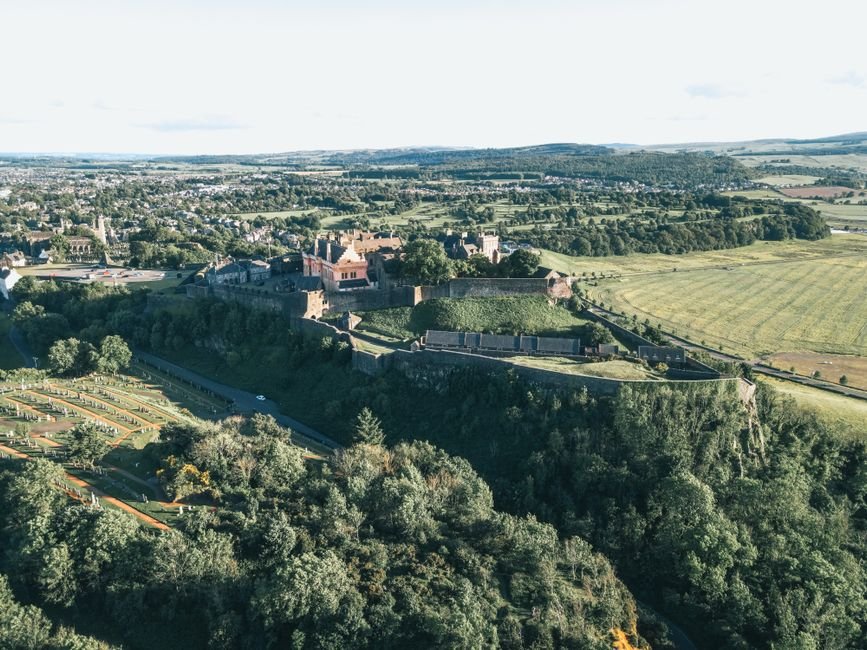
Stirling Castle stands high above the city and is the essential first stop for many visitors. Its grand halls, historic kitchens, gardens, and views across the surrounding countryside make it easy to spend several hours here.
The route uphill is steep in places, so wear comfortable shoes. Check Stirling Castle’s official visitor information for current opening times, ticket details, and accessibility information. Booking ahead is sensible during busy school holidays.
Tip 2 – Walk through Stirling’s Old Town
Stirling’s Old Town is a short walk from the castle and has narrow lanes, stone buildings, and historic landmarks. Follow the old streets downhill to see how the city centre has developed around the castle rock.
Allow time to pause at the Church of the Holy Rude and the nearby Old Town Cemetery. The ground can be uneven, and some lanes are steep, so take your time and look out for steps.
Tip 3 – Visit the National Wallace Monument

The National Wallace Monument is a striking tower on Abbey Craig, outside the city centre. Exhibitions inside tell the story of William Wallace and Scottish history, while the top offers wide views over Stirling and the surrounding landscape.
There is an uphill walk from the visitor centre to the monument, and climbing the tower involves a narrow spiral staircase. Check the National Wallace Monument visitor page for access details and seasonal hours before travelling.
Tip 4 – See the Battle of Bannockburn site
Visit the Battle of Bannockburn Visitor Centre to learn about the 1314 battle and its place in Scottish history. The experience combines interpretation with an interactive presentation, making it a useful stop for families and history fans.
The site is a few miles from the centre, so plan how you will get there. Check the visitor centre’s current schedule before making the trip, as opening arrangements and activities can vary.
Tip 5 – Walk across the Old Stirling Bridge
The Old Stirling Bridge is a handsome medieval stone bridge over the River Forth. It is a rewarding short walk and a good place to appreciate the river landscape and views back towards the city.
It is different from the modern road bridge, so check your route on a map before setting out. Combine the walk with a riverside stroll if the weather is fine, and take care on shared paths.
Tip 6 – Visit the Church of the Holy Rude
The Church of the Holy Rude is one of Stirling’s most important historic buildings and stands close to the castle. Its interior and long history make it a worthwhile visit even if you are not usually drawn to churches.
As it is an active place of worship, opening times may change for services or events. Dress respectfully, keep your voice low, and check access before visiting.
Tip 7 – Take in the views from the Old Town Cemetery

The Old Town Cemetery sits below Stirling Castle and offers a peaceful break from the busier attractions. Look for historic gravestones and views over the rooftops and surrounding countryside.
Paths can be sloped or uneven, especially after rain. Visit in daylight, stay on public paths, and be considerate of people using the cemetery to remember loved ones.
Tip 8 – Make time for the Stirling Smith Art Gallery and Museum
The Stirling Smith Art Gallery and Museum brings together local art, objects, and stories about the city’s past. It is a useful indoor option when the weather turns wet and gives context to the landmarks you have seen outdoors.
Check current opening days and exhibitions before visiting. If you are travelling with children, ask about family activities or displays that might make the visit more engaging.
Tip 9 – Browse the city centre and Thistles shopping area
Stirling’s central shopping streets are compact and easy to explore between sightseeing stops. Browse independent shops, pick up practical travel supplies, or take a break in a cafe.
The Thistles shopping centre is a convenient option for everyday shops and food. For a more characterful wander, spend more time around the Old Town and smaller streets near the castle.
Tip 10 – Follow a riverside path

A walk beside the River Forth offers a quieter change from museums and historic buildings. Choose a short route near the centre or extend your walk towards the bridge and surrounding green spaces.
Paths may be muddy after rain, so sturdy shoes are useful. Check local signs for path closures and keep a close eye on children near the water.
Tip 11 – Try local Scottish food and drink
Look for Scottish dishes on local menus, including Cullen skink, haggis, neeps and tatties, and seasonal game. Cafes and pubs in the centre are convenient for a relaxed lunch between attractions.
Ask staff about ingredients if you have allergies or dietary needs. For a low-cost meal, compare lunch menus and takeaway options rather than assuming every historic-area restaurant will fit your budget.
Tip 12 – Enjoy a slower evening in the city
Stirling is not only a day-trip destination. An overnight stay lets you enjoy dinner without rushing for a train and see the castle area after many daytime visitors have left.
Book accommodation early for summer weekends and major events. The centre is practical for walking to restaurants and the station, while accommodation farther out may offer more space but require local transport.
Tip 13 – Visit the University of Stirling campus

The University of Stirling campus has landscaped grounds around Airthrey Loch and makes a pleasant change from the historic centre. It is a peaceful place for a walk, with views towards the Ochil Hills on a clear day.
Remember that this is a working university. Respect campus signs and give students and staff space, especially during term time. Check transport options before you go, as the campus is outside the centre.
Tip 14 – Choose a day trip from Stirling
Stirling’s location makes it a useful base for exploring central Scotland. Depending on your interests and transport, you can consider nearby towns, countryside, and lochside destinations as day trips.
Check journey times carefully and avoid packing too many stops into one day. If you are planning a longer trip through Scotland, this guide to 20 fun and best things to do in Mankato offers ideas for planning a city break elsewhere.
Tip 15 – Find family-friendly activities
Families can combine the castle, the Wallace Monument, open spaces, and a relaxed riverside walk. Choose one major attraction at a time, then leave room for snacks and breaks rather than filling every hour.
Some historic sites have steep paths, stairs, or limited stroller access. Check accessibility information in advance and bring layers, since weather can change during an outdoor visit.
Tip 16 – Keep sightseeing affordable
Stirling has plenty to enjoy without buying a ticket for every stop. Walking through the Old Town, visiting public outdoor spaces, and exploring the riverside can fill much of a day.
Paid attractions can be worthwhile, but compare individual tickets with any available local offers before purchasing. A packed lunch and refillable water bottle can also help keep daily costs under control.
Tip 17 – Plan around the weather and seasons
Spring and summer bring longer daylight hours, while autumn can add colour to the surrounding landscape. Winter visits are possible too, but expect shorter days and check attraction opening schedules before travelling.
Rain and wind can affect views and outdoor plans in any season. Bring a waterproof jacket and flexible footwear, and keep an indoor attraction in mind as a backup.
Tip 18 – Use trains, buses, and your feet
Stirling is well connected by rail, and its central sights are manageable on foot for many visitors. The station is close to the city centre, but the climb towards the castle can feel strenuous with luggage or mobility needs.
For current rail services, check ScotRail’s journey planner. Local buses can help with outlying attractions, but confirm routes and return times before relying on them.
Tip 19 – Make bookings and check useful information ahead
Before travelling, check attraction opening times, ticket availability, public transport, and accommodation. Save confirmations and offline maps on your phone in case mobile coverage is limited or your battery runs low.
Useful tools include a reliable map app, the transport operator’s journey planner, and the Met Office forecast. Keep your phone charged and carry a small power bank for long sightseeing days.
Tip 20 – Stay safe and avoid the common tourist mistake
Stirling is generally straightforward to explore, but use normal city awareness: keep valuables secure, stay alert around roads, and take care on steep or slippery paths. In an emergency in the UK, call 999 or 112. For urgent health advice that is not an emergency in Scotland, call NHS 24 on 111.
A common mistake is trying to see Stirling Castle, the Wallace Monument, and Bannockburn in a rushed half-day without checking travel times. Choose your priorities, allow time for hills and queues, and check official opening information before setting off.
Visa & Entry Requirements
Stirling is in Scotland, which is part of the United Kingdom. Entry rules for the UK depend on the passport you hold, your reason for travel, and the government policy in force when you visit. Requirements can differ for visitors who need a visa, visitors who may need an electronic travel authorisation, and people who can travel without either. Do not assume that rules applying to another traveller also apply to you.
Before booking, check the UK government’s official border control and entry guidance and its visa information. If you need clarification, contact the relevant UK embassy or consulate. Recheck the information close to departure because application processes and eligibility can change. This is general travel guidance, not legal advice or a guarantee that you will be admitted.
Check that your passport is valid for your planned journey and meets the requirements for your specific circumstances. Some travellers may need a visa or electronic travel authorisation before travel. Confirm whether your documents need unused pages, and make sure your application details match your passport. Depending on your situation, border officers may ask about your return or onward journey, accommodation, or the purpose and length of your visit.
Vaccination and health recommendations depend on your circumstances and current public health advice. Travel insurance is a sensible way to prepare for unexpected medical costs, cancellations, or lost belongings, even where it is not an entry requirement. Check what your policy covers and keep its emergency contact details accessible.
Customs rules apply when bringing goods into the UK. Check current allowances and declaration requirements, particularly for restricted goods, food, alcohol, tobacco, or items you are carrying for someone else. Rules can vary by item and by where you are travelling from. Keep important travel documents available during your journey and follow instructions from airlines and border officials.
Frequently Asked Questions
What are the best things to do in Stirling Scotland on a first visit?
Start with Stirling Castle and the Old Town, then add the National Wallace Monument if you have enough time. The castle and monument are on separate sites, so plan transport and allow time for the uphill walks.
Can you visit Stirling as a day trip?
Yes. Stirling is a practical day trip by train from other Scottish cities, and its main historic sights are relatively close together. For the castle, the Wallace Monument, and Bannockburn, an overnight stay makes the schedule more comfortable.
How many days should I spend in Stirling?
One full day is enough for the central highlights if you plan ahead. Two days gives you more time for the Wallace Monument, Bannockburn, riverside walks, and a slower meal or visit to a museum.
Is Stirling easy to explore on foot?
The centre and Old Town are walkable, but the castle approach is steep and some paths have steps or uneven surfaces. The Wallace Monument and Bannockburn are farther from the centre, so check local transport or taxi options.
When is the best time to visit Stirling?
Late spring and summer usually offer longer daylight hours for sightseeing, but weather is changeable throughout the year. Winter can be quieter, though days are shorter and some attractions may have reduced opening hours.
Are the main attractions in Stirling suitable for children?
Many families enjoy the castle, the Wallace Monument, and the Bannockburn visitor experience. Check age guidance, accessibility, and current activities before visiting, and plan breaks between historic sites.
What should I pack for a trip to Stirling?
Pack comfortable walking shoes, a waterproof layer, and clothes that can be worn in layers. A small umbrella, refillable water bottle, and portable phone charger are also useful for a full day out.
Conclusion
Stirling combines Scottish history, compact city streets, and access to attractive countryside. Its castle, Old Town, and monuments provide a strong introduction to the country’s past, while riverside paths and local cafes offer time to slow down.
For the best experience, choose a few priorities, check opening hours and transport, and leave room for the steep walks and changeable weather. With a little planning, the many things to do in stirling scotland can fit into a rewarding day or an easy-going weekend.
