
Key Takeaways
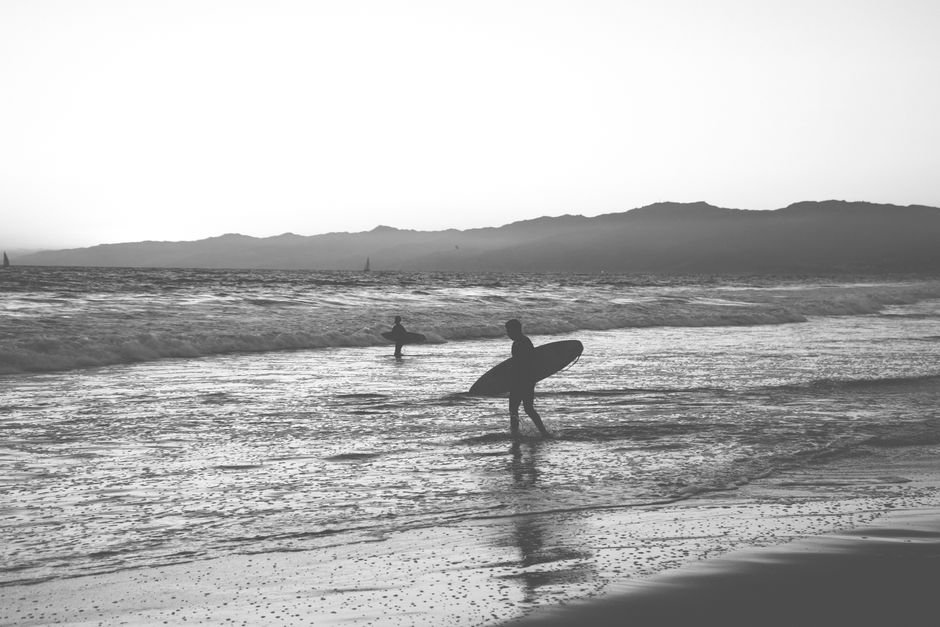
- Beginner surf lessons and beach walks are easy ways to enjoy Tamarindo.
- Sunset views and boat tours showcase the Pacific and estuary wildlife.
- Day trips to Playa Grande, Rincón de la Vieja and Palo Verde add variety.
- Pack sun protection, a reusable bottle, and a light rain layer for the green season.
things to do in tamarindo range from learning to surf on the Pacific to watching the sun set over Guanacaste’s golden beaches. This lively beach town in Costa Rica is easy to enjoy at a relaxed pace, but there are also wildlife trips, surf breaks, and day tours nearby.
Tamarindo suits first-time visitors, families, surfers, and travelers looking for a comfortable beach base. The main beach is busy and convenient, while quieter beaches and protected habitats are only a short trip away.
Use this guide to plan what to do, when to go, how to get around, and what to know before you arrive. Ocean conditions, wildlife access, and travel times can change, so check local advice before booking an activity.
Quick guide to Tamarindo
| What to know | Practical answer |
|---|---|
| Where it is | On Costa Rica’s Pacific coast in Guanacaste Province |
| Best for | Surfing, beach time, sunsets, wildlife, and easy day trips |
| Best time to visit | December to April is generally drier; May to November is greener, with more rain |
| Getting there | Most visitors use Liberia’s Daniel Oduber Quirós International Airport or travel overland from San José |
| Getting around | Walk around central Tamarindo, then use taxis, shuttles, or a rental car for farther trips |
| What to pack | Sun protection, swimwear, sandals, a reusable water bottle, and a light rain layer in the green season |
| Common mistake | Assuming every beach is safe for swimming or that nearby attractions are a short walk away |
20 things to do in tamarindo
Tip 1 – Take a beginner surf lesson at Tamarindo Beach

Tamarindo’s main beach is a popular place to try surfing, with local schools offering lessons and board rentals. A lesson is a safer, easier start than renting a board and heading straight into the water. Ask about the day’s waves, tides, and the best area for your experience level.
Book a morning class if you prefer cooler weather and a quieter beach. Conditions vary, and even beginner-friendly waves can feel tiring, so follow your instructor’s directions and take breaks.
Tip 2 – Spend a slow morning on Playa Tamarindo
Give yourself time to enjoy the town’s main stretch of sand without a fixed activity. You can swim where conditions allow, stroll along the shore, or find a shaded spot near the beach. Tamarindo is popular, so expect more people near the central access points, especially during holiday periods.
Check the surf and local conditions before swimming. Currents and waves can change quickly, and there may not be lifeguards at every section of the beach.
Tip 3 – Watch sunset from the Pacific shore

Sunset is one of the easiest things to do in Tamarindo. Walk down to the beach before dusk, bring water, and stay to watch the sky change over the Pacific. The beach can be busy at this time, but it is a memorable part of the town’s daily rhythm.
Keep an eye on your belongings and avoid leaving bags unattended while you take photos. If you are walking back after dark, use well-lit streets or arrange a ride.
Tip 4 – Take a boat tour through the Tamarindo estuary
Guided boat trips through the estuary offer a chance to see mangroves and local wildlife, including birds and, sometimes, crocodiles. Choose an operator who follows wildlife guidelines and keeps a respectful distance from animals.
Bring sun protection and ask whether the tour includes transport to the launch point. Do not feed wildlife or put your hands in the water during the trip.
Tip 5 – Explore Las Baulas National Marine Park responsibly
Las Baulas National Marine Park protects important coastal and marine habitat around Playa Grande and nearby beaches. Leatherback turtles nest in this area during parts of the year, but viewing access is controlled and can depend on current conservation rules.
For a turtle visit, arrange a tour with an authorized local guide and follow instructions about lights, noise, photography, and where visitors may walk. Wildlife sightings are never guaranteed. Check current park information with Costa Rica’s National System of Conservation Areas before making plans.
Tip 6 – Visit Playa Grande for a different beach atmosphere
Across the estuary from Tamarindo, Playa Grande has a more open, less built-up feel. It is known for surfing, and conditions can be powerful, so it is not automatically a safer swimming choice just because it feels quieter.
Plan your route before setting out. Depending on conditions and local transport, you may need to go by road rather than try to cross the estuary. Respect protected areas and keep the beach clean.
Tip 7 – Try a guided stand-up paddle or kayak outing

When the sea is calm, a guided paddleboarding or kayaking trip can be a fun way to see the coastline. Some operators offer estuary trips, which are often more sheltered than open-water routes. Ask about tides, equipment, life jackets, and the level of effort involved.
Choose a tour suited to your ability and do not head out alone if you are unfamiliar with local currents. A guide can also help you spot wildlife without disturbing it.
Tip 8 – Visit Playa Langosta for a quieter coastal walk
Playa Langosta lies south of central Tamarindo and offers a quieter setting for a walk or a relaxed beach stop. Parts of the coast are rocky, and the surf may be strong, so check conditions before entering the water.
Take care around rocks and changing tides. If walking from town, wear shoes that are comfortable on both pavement and sand, and bring drinking water for the return trip.
Tip 9 – Book a sunset sailing trip
Several local operators offer sailing or catamaran trips along the coast, often with time to swim or snorkel when conditions permit. These outings are a comfortable way to see the shoreline from the water and enjoy the evening light.
Ask what the price includes, whether food and drinks are provided, and how the operator handles rough seas. Snorkeling visibility is not guaranteed, and some days are better for sailing than swimming.
Tip 10 – Take a day trip to Rincón de la Vieja

For a change from the coast, plan a full-day trip to Rincón de la Vieja National Park. The area is known for volcanic landscapes, forest trails, and geothermal features. Travel times depend on your starting point, road conditions, and which park sector you visit, so confirm details before leaving Tamarindo.
Check park opening information and trail conditions through SINAC’s official park information. Wear sturdy shoes, carry water, and do not enter closed areas or touch geothermal features.
Tip 11 – Take a wildlife and wetland tour near Palo Verde
Palo Verde National Park is a rewarding option for travelers interested in wetlands and birdlife. It is farther from Tamarindo than nearby beaches, so a guided day trip or a planned overnight stop may make more sense than trying to fit it into a short visit.
Ask about transport, boat conditions, and what wildlife is commonly seen in the season you are visiting. Bring binoculars if you have them, but remember that animals may be harder to spot during some periods.
Tip 12 – Taste Costa Rican food in town
Look for casado, a filling plate usually served with rice, beans, salad, and a choice of protein. Gallo pinto is a familiar breakfast, while fresh fruit and seafood are common options around the coast. Menus and prices vary, so check before ordering if you are on a tight budget.
Try a local soda, meaning a casual Costa Rican restaurant, for a straightforward meal. For seafood, ask what is fresh and where it comes from.
Tip 13 – Enjoy a relaxed evening in central Tamarindo
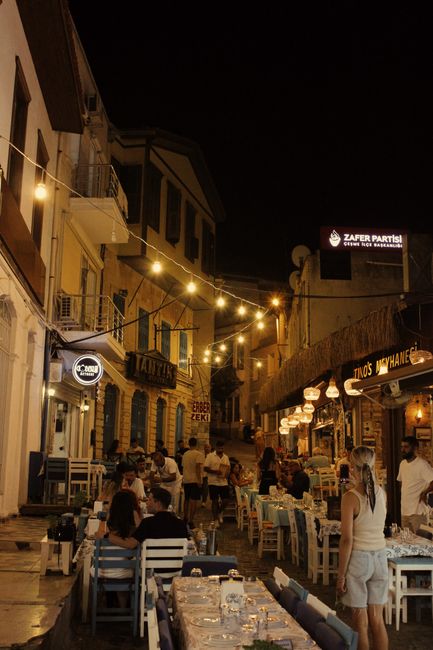
Central Tamarindo has casual restaurants, cafes, small shops, and places to listen to music. It is an easy area to explore on foot, especially after a beach day. Prices can be higher than in smaller inland towns, so compare menus if you are watching your spending.
For a quieter evening, choose a restaurant away from the busiest streets or eat early. Keep valuables secure and arrange transport if your accommodation is outside the walkable center.
Tip 14 – Shop for local crafts and beach essentials
Browse the small shops and market stalls for souvenirs, clothing, and practical beach items. If you are buying a locally made craft, ask about the maker and materials. Bargaining is not expected everywhere, so be polite and accept the listed price when it is fixed.
Bring a reusable bag and avoid buying products made from protected wildlife or restricted materials. A lightweight rash guard or sun shirt can be a useful purchase if you plan to spend long hours outside.
Tip 15 – Plan a family-friendly beach day
Families can keep the day simple with beach time, an early meal, and a short activity such as a beginner surf lesson or a guided estuary trip. Choose an operator that provides suitable equipment and clear safety instructions for children.
Beach conditions are not the same every day. Stay close to children near the water, use sun protection, and take regular shade breaks. A pool at your accommodation can be a useful alternative when waves are too strong.
Tip 16 – Choose activities that fit your budget
Some of the best things to do in Tamarindo cost little or nothing: walk the beach, watch sunset, browse town, or relax with a book. Guided tours and transport to farther parks add to the budget, so pick one or two paid activities that matter most to you.
Ask whether a quoted tour price includes taxes, meals, equipment, and hotel pickup. Carry some Costa Rican colones for small purchases, while noting that some businesses also accept US dollars.
Tip 17 – Travel between Tamarindo and Liberia with a plan
Liberia’s Daniel Oduber Quirós International Airport is a common arrival point for Guanacaste trips. You can arrange a shuttle, private transfer, rental car, or other transport depending on your budget and schedule. Check journey time and pickup details with the provider rather than relying on a generic estimate.
For flight information and airport services, use the official Guanacaste Airport website. If you are arriving late, confirm in advance that your accommodation can receive you and that your transfer is arranged.
Tip 18 – Get around town and nearby beaches safely
Central Tamarindo is walkable, but roads can be uneven and some nearby places require a taxi, shuttle, or rental car. Use licensed transport where available, agree on the fare or confirm the meter before setting off, and avoid walking along unlit roads late at night.
Waze and Google Maps can help with navigation, but mobile coverage and road conditions vary. Download offline maps before a longer drive and allow extra time during heavy rain.
Tip 19 – Check the season and book key plans ahead
Guanacaste’s dry season generally runs from December through April, while the green season usually brings more rain from May through November. Weather patterns can vary, and rain may affect road travel or outdoor plans. The green season can also bring lush scenery and fewer visitors at some times.
Reserve accommodation and popular activities ahead during holidays and busy travel weeks. For park visits and wildlife tours, check current schedules and access rules rather than assuming they stay the same all year.
Tip 20 – Avoid the most common Tamarindo travel mistake
The biggest mistake is treating every beach, road, and activity as if it were equally easy and safe. Surf can be strong, travel between nearby places may take longer than expected, and wildlife visits follow conservation rules. Check conditions and transport before you set out.
Pack reef-conscious sun protection, a reusable water bottle, insect repellent, and a light rain layer if you are visiting in the green season. Learn a few Spanish phrases such as “por favor” for please, “gracias” for thank you, and “¿Cuánto cuesta?” for how much does it cost?
Visa & Entry Requirements
Entry requirements for Costa Rica depend on the traveler’s passport, travel history, and current government policy. Visa rules, passport-validity requirements, any electronic authorization, vaccination rules, customs procedures, and permitted length of stay can differ by nationality and may change. Do not assume that the rules for another visitor apply to you.
Before booking or traveling, check the latest guidance from Costa Rica’s official immigration authority, the General Directorate of Migration and Foreigners, and consult a Costa Rican embassy or consulate when you need clarification. Use official government information for your specific passport and route. This is practical travel information, not legal advice, and it cannot guarantee admission.
Check that your passport meets the validity rules that apply to your situation and has enough blank pages for travel formalities. Confirm whether you need a visa or an electronic travel authorization before departure. If you are transiting through another country, check that country’s separate requirements as well.
Border officials may ask for evidence of onward or return travel, accommodation details, or enough funds for your stay, depending on the rules that apply. Keep a copy of your hotel booking and onward itinerary accessible. Travel insurance is a sensible precaution for medical care, cancellations, and lost belongings; review the policy to make sure it covers the activities you plan, including surfing or other adventure sports.
Vaccination requirements can depend on where you have recently traveled or transited, so review current official health guidance before departure. Declare goods when required and check restrictions on food, plants, wildlife products, medication, and cash. Keep receipts for valuable purchases and do not carry items made from protected species. If you are unsure about a customs item, confirm the current instructions with Costa Rican authorities before packing it.
Frequently asked questions about things to do in Tamarindo
Is Tamarindo worth visiting?
Yes, especially if you want an easy Pacific beach base with surfing, restaurants, sunset walks, and access to wildlife or nature trips. It is a developed and popular town, so travelers seeking a very quiet or remote beach may prefer to stay elsewhere and visit for the day.
How many days should I spend in Tamarindo?
Two or three days allow time for the beach, a surf lesson, and one guided activity. Stay longer if you want to add a national park day trip, take lessons over several days, or keep your schedule relaxed.
When is the best time to visit Tamarindo?
December to April is usually the drier period and is popular with visitors. May to November is generally greener and wetter, though conditions vary. Check the forecast and ask local operators about roads and ocean conditions for your dates.
Can beginners surf in Tamarindo?
Many beginners take lessons at Tamarindo Beach, but wave and tide conditions change. Book with a qualified local instructor, listen to the beach safety briefing, and avoid surfing alone if you are new to the sport.
Is Tamarindo safe for swimming?
Conditions vary by beach, tide, and day. Some areas have strong waves or currents, and lifeguard coverage is not universal. Ask a local operator or accommodation about current conditions and follow posted warnings.
Do I need a car in Tamarindo?
You can manage without a car if you stay near central Tamarindo and book tours with transport. A rental car can help with independent day trips, but road conditions, rain, parking, and driving after dark should all factor into your decision.
What are some free things to do in Tamarindo?
Walk along the beach, watch sunset, explore central streets, and enjoy the coastal scenery. Keep in mind that some beaches are protected areas or have specific access rules, especially during wildlife nesting periods.
Is Tamarindo good for families?
It can work well for families because there are restaurants, accommodation choices, surf schools, and guided activities. Check the suitability of each beach and tour for children, and plan shade, water, and breaks into outdoor days.
Conclusion: Make the most of Tamarindo
The best things to do in Tamarindo balance beach time with a few well-chosen activities. Try a surf lesson, watch sunset, sample local food, and consider a guided estuary or national park trip if you have extra time.
Plan around the weather, check ocean and wildlife conditions, and allow more time for transport than a map may suggest. With a little preparation, Tamarindo makes a welcoming base for exploring Costa Rica’s Guanacaste coast.
Whether you want a busy surf beach or a slower coastal escape, choose activities that suit your pace and respect local conservation rules. For another beach destination idea, see 20 Fun and Best things to do in culebra puerto rico.
