
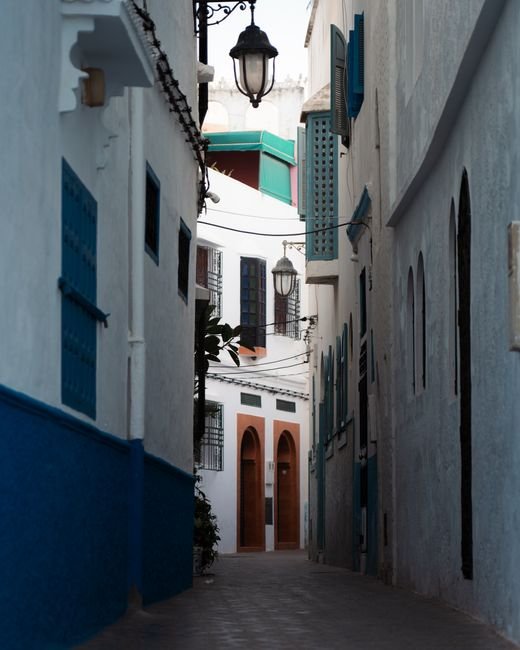
Key Takeaways
- Explore the medina and Kasbah for history, architecture, and sea views
- Visit the American Legation and Kasbah Museum for culture and art
- Take day trips to Cap Spartel and the Caves of Hercules for coastal scenery
- Use taxis wisely, plan for hills, and keep safety basics in mind
things to do in tangier morocco range from wandering the old medina to watching the Strait of Gibraltar from a seaside café. Tangier, in northern Morocco, is a lively port city with a mix of Moroccan, Spanish, and international influences.
It is easy to fill a weekend here, but Tangier also works well as a slower stop on a longer trip around Morocco. The city has historic streets, beaches, museums, and good connections to other destinations, though its hills and busy traffic can take some getting used to.
This guide covers the best places to visit, local food to try, practical transport advice, and simple ways to plan a comfortable first stay.
20 Things to Do in Tangier Morocco
Use this quick-reference table to match Tangier attractions with your available time. Opening hours and transport schedules can change, so check current details before setting out.
| Experience | Best for | Time to allow |
|---|---|---|
| Explore the medina and Kasbah | History, architecture, and first-time visits | 2 to 4 hours |
| Visit the American Legation | Art, history, and a quiet museum visit | 1 to 2 hours |
| Walk the seafront promenade | Sea views and an easy evening outing | 1 to 2 hours |
| Take a day trip to Cap Spartel and the caves | Coastline and scenic viewpoints | Half a day |
| Browse the Grand Socco and local markets | People-watching and shopping | 1 to 2 hours |
Tip 1 – Get your bearings in the medina
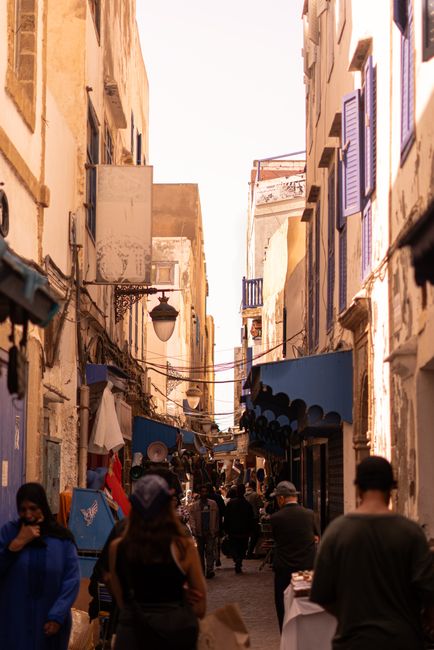
Tangier’s medina is a rewarding place to start, with narrow lanes, small shops, cafés, and glimpses of daily life. Enter through the Grand Socco or another easy-to-find gate, then explore at a relaxed pace.
The lanes can be confusing, especially on a first visit. Save your accommodation location offline, and do not worry if you need to retrace your steps. A licensed local guide can help with history and orientation, but you can also explore independently.
Tip 2 – Explore the Kasbah and its viewpoints
The Kasbah sits above the medina and rewards the uphill walk with sea views and atmospheric streets. Allow time to look around the historic quarter rather than treating it as just a viewpoint.
The route includes slopes and uneven paving, so wear comfortable shoes. If you prefer not to climb, take a taxi part of the way and explore the upper area on foot.
Tip 3 – Visit the Kasbah Museum
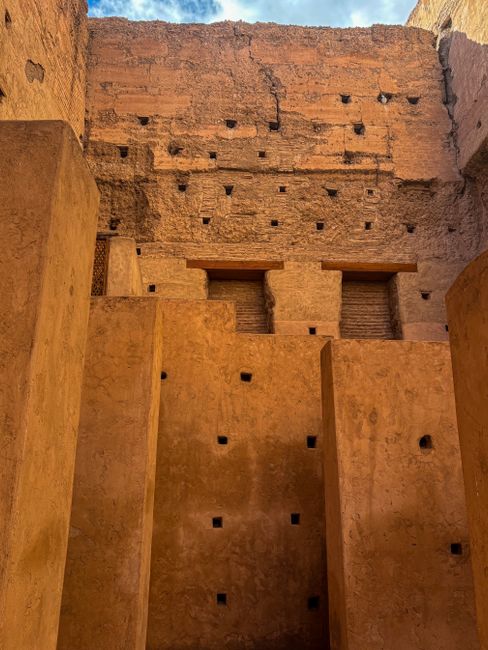
The Kasbah Museum, housed in a former sultan’s palace, offers an introduction to the region’s history and art. It is a useful stop if you want more context for the buildings and cultures you see around the old city.
Check the current opening hours before making a special trip, as museum schedules can vary. Pair the visit with a walk through the Kasbah lanes and nearby viewpoints.
Tip 4 – Step inside the American Legation
The Tangier American Legation Museum is a distinctive historic site and cultural center in the medina. Its exhibitions connect Morocco and the United States, and the peaceful rooms offer a welcome break from the busy lanes.
Give yourself time to see the building as well as the exhibits. Confirm opening arrangements on the museum’s official channels, particularly around holidays.
Tip 5 – Pause at the Grand Socco
The Grand Socco, also called Place du 9 Avril 1947, is a natural meeting point between the medina and the newer parts of Tangier. Sit for a drink, watch the movement around the square, and use it as a landmark when planning your walks.
The square is busy and lively, especially later in the day. Keep your belongings secure and agree on a taxi fare or confirm the meter before starting a ride.
Tip 6 – See the Petit Socco and its cafés
The Petit Socco is a smaller square inside the medina with cafés and a long history as a meeting place. It is a good stop for mint tea or a short rest between sightseeing.
Prices and atmosphere vary from one café to another. Check the menu before ordering, and choose a seat that suits you rather than feeling obliged to accept the first offer from a tout.
Tip 7 – Walk along the Tangier seafront
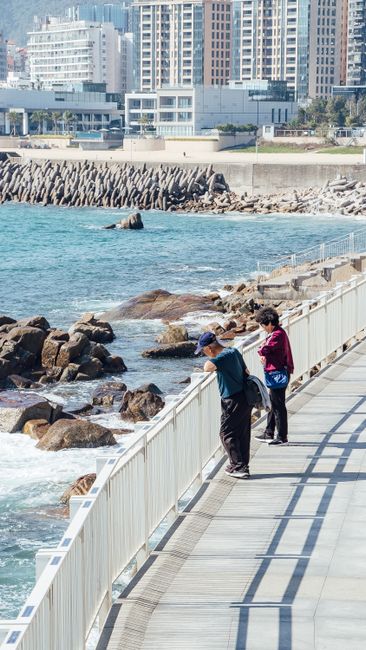
The seafront promenade is an easy way to enjoy Tangier’s coastal setting. Walk along the waterfront, take a break at a café, and watch the changing light over the bay.
This newer area feels different from the medina, with broad streets and modern buildings. It can be a pleasant contrast after several hours among the old city’s narrow lanes.
Tip 8 – Take a day trip to Cap Spartel
Cap Spartel marks the meeting point of the Atlantic Ocean and the Mediterranean region, and the surrounding coast is one of the most popular excursions from Tangier. Go for the headland views and fresh air, and allow time for the journey there and back.
You can arrange a taxi or join a local tour. Confirm the price and expected waiting time in advance, and check current access arrangements before you travel.
Tip 9 – Visit the Caves of Hercules
The Caves of Hercules are a well-known coastal attraction outside the city center. The cave visit is usually brief, so it is easiest to combine it with Cap Spartel rather than making the journey for this stop alone.
Expect visitor facilities and conditions to vary. Wear shoes with a good grip, take care on damp or uneven surfaces, and check current opening details before setting off.
Tip 10 – Make time for Tangier’s beaches
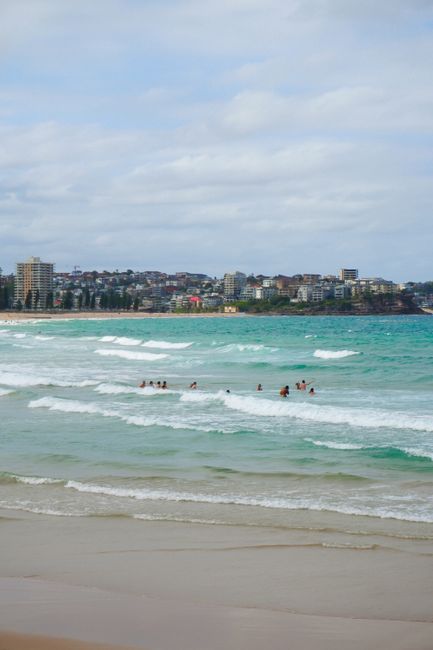
Tangier has urban beaches and coastal stretches outside the center. The main city beach is convenient for a short walk or a relaxed break, while farther-out beaches can feel less connected to the main sightseeing areas.
Swimming conditions, cleanliness, and facilities can vary by season and location. Check local advice before swimming, keep an eye on children near the water, and bring sun protection.
Tip 11 – Browse the Grand Socco market streets
Small shops and market streets around the medina are good places to look for ceramics, leather goods, textiles, and everyday items. Browsing is part of the experience, even if you do not plan to buy anything.
Compare prices and ask politely before taking photographs of people or shop interiors. Bargaining may be appropriate in some shops, but keep it friendly and be ready to walk away if the price does not suit you.
Tip 12 – Try Tangier’s Moroccan food
Look for tagine, couscous, harira, grilled fish, and fresh bread on local menus. Tangier’s northern location also means seafood is a natural choice, especially at restaurants that are busy with local diners.
Ask what is fresh and how large a portion is before ordering. If you have dietary needs, explain them clearly and confirm ingredients, as recipes and kitchen practices differ from place to place.
Tip 13 – Stop for mint tea and a slow café break
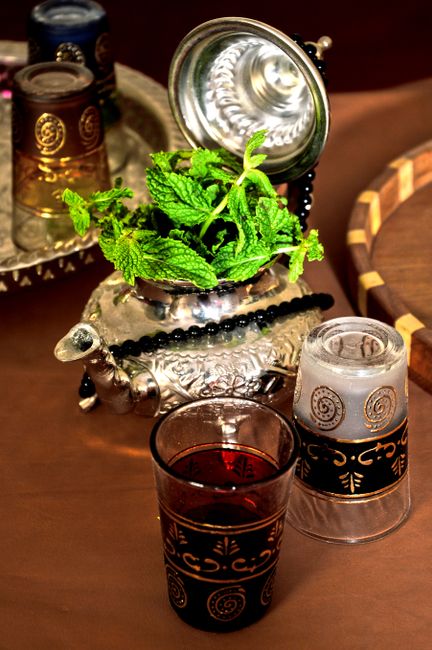
A café stop is one of the simplest ways to enjoy Tangier at a slower pace. Order Moroccan mint tea or coffee, take in the view, and give yourself time to rest between uphill walks.
Some cafés are geared toward visitors, while others are everyday neighborhood spots. Look at the menu and prices before sitting down if you are keeping to a budget.
Tip 14 – Look for Tangier’s literary and artistic side
Tangier has drawn writers, artists, and travelers for generations. Notice the historic cafés and buildings associated with the city’s international past, and look for current exhibitions or cultural events during your stay.
Venues and event schedules change, so check locally rather than relying on old listings. A museum visit or a guided history walk can help put the city’s cultural connections into context.
Tip 15 – Take a short trip by train
Tangier is a useful base for exploring other Moroccan cities by rail. The high-speed Al Boraq service connects Tangier with destinations including Kenitra, Rabat, and Casablanca, while other trains serve additional routes.
Check routes, station details, and current timetables through ONCF, Morocco’s national railway. Book ahead when traveling on busy dates, and leave extra time to reach the station.
Tip 16 – Use taxis thoughtfully
Taxis are practical for reaching places beyond a comfortable walk, including Cap Spartel and the caves. For city trips, ask whether the meter is being used or agree on the fare before you get in.
Keep your destination written down or saved on your phone, since street names and pronunciation can be tricky for visitors. Your hotel or riad can help you understand normal local options for a particular journey.
Tip 17 – Plan for hills, heat, and changing weather
Tangier’s old streets include slopes and uneven steps. Wear comfortable walking shoes, carry water, and take breaks, especially during warm weather or a full day of sightseeing.
Coastal weather can shift, and the city may feel cooler or windier than expected. Bring a light layer even in warmer months, and check the forecast before planning a beach or headland visit.
Tip 18 – Choose a neighborhood that fits your trip
Staying near the medina or Kasbah puts historic sights within walking distance, but expect hills, narrow lanes, and some evening noise. Newer central areas can be easier for taxis, restaurants, and station access.
Families or travelers with heavy luggage may find a hotel with straightforward vehicle access more convenient than a traditional property deep inside the medina. Confirm the exact location and arrival arrangements before booking.
Tip 19 – Keep safety simple and practical
Tangier is a busy city, so use the same care you would in any popular destination. Keep valuables out of sight, use a crossbody bag or secure pocket, and be attentive in crowded markets and transport areas.
If someone offers unsolicited guiding or insists on taking you to a shop, a polite, clear refusal is enough. For emergencies, ask your accommodation for the current local contact numbers and the nearest suitable police station or medical facility.
Tip 20 – Avoid the most common first-visit mistake
A common mistake is trying to fit the medina, museums, beaches, Cap Spartel, and the caves into one rushed day. Tangier’s slopes, traffic, and longer excursions make that plan tiring and difficult to enjoy.
Choose a few priorities each day and leave room for meals and unplanned stops. If you are comparing coastal city breaks, this guide to 20 fun and best things to do in Pattaya offers ideas for a very different seaside destination.
Visa & Entry Requirements
Entry requirements for Morocco depend on the passport you will travel with and the rules in force on your travel date. Visa exemptions, permitted visit lengths, and any requirement to obtain a visa or electronic authorization in advance can differ by nationality. Do not assume that a rule described for one traveler applies to everyone in your group.
Before booking or departure, check the Moroccan government’s official Morocco eVisa and travel authorization portal, and consult the Moroccan embassy or consulate responsible for your place of residence if you need clarification. Use official government sources for the final decision. Requirements can change, and this guide is not legal advice or a guarantee of admission.
Check your passport’s validity period and make sure it has enough blank pages for any required entry or exit stamps. Confirm whether you need a visa, an electronic travel authorization, or supporting documents. Depending on your circumstances, border officials may ask about your return or onward travel, accommodation, or the purpose and length of your visit.
Vaccination and health documentation rules can also depend on current policy, your travel history, and the countries you have recently visited. Ask a qualified travel-health provider about recommended vaccinations and check official guidance close to departure. Travel insurance is not a substitute for entry documents, but it can help with unexpected medical costs, cancellations, or delays.
Review customs rules before packing, particularly for restricted goods, medicines, valuable equipment, and items that may need to be declared. Keep prescriptions in their original packaging when practical and carry supporting documents for medication. At the border, answer questions accurately and follow instructions from officials. Save copies of important documents securely, and keep access to the originals during your journey.
Frequently Asked Questions About Things to Do in Tangier Morocco
How many days should I spend in Tangier?
Two full days are enough for the medina, Kasbah, a museum, and the seafront. Add another day if you want to visit Cap Spartel and the Caves of Hercules without rushing.
Is Tangier worth visiting on a first trip to Morocco?
Yes. Tangier offers a different perspective from Morocco’s inland imperial cities, with a strong coastal setting and a distinctive northern character. It is also a practical arrival or departure point for some itineraries.
What are the best free things to do in Tangier?
Walk through the medina, visit the Grand Socco, explore the Kasbah streets, and stroll along the seafront. Views and public spaces can be enjoyed without an admission ticket, though transport and refreshments may add to your costs.
Is Tangier walkable?
The central sights can be explored on foot, but the medina and Kasbah are hilly, and some routes have uneven surfaces. Use a taxi for longer distances or if you have mobility needs, and allow extra time for uphill walks.
What food should I try in Tangier?
Try Moroccan dishes such as tagine, couscous, harira, and fresh bread, along with seafood where it is available. Ask about ingredients if you have allergies or dietary restrictions.
When is the best time to visit Tangier?
Spring and autumn are often comfortable for walking and sightseeing. Summer is busier and can be hot, while coastal wind and changing conditions are possible at any time of year. Check the forecast for your travel dates.
Is Tangier suitable for families?
Yes, particularly for families who enjoy markets, museums, coastal walks, and relaxed café stops. Plan around the hills, keep children close in crowded lanes, and check beach conditions before swimming.
What local customs should visitors keep in mind?
Dress respectfully, especially when visiting religious or traditional settings, and ask before photographing people. Learn a few polite Arabic or French phrases, be courteous when bargaining, and be aware that opening hours and daily routines may change during Ramadan.
Conclusion
The best things to do in Tangier Morocco combine old-city exploring with time by the water. Start with the medina, Kasbah, and Grand Socco, then add a museum, a café break, or a coastal outing to suit your pace.
Give yourself room to navigate the hills and enjoy the city between planned stops. With comfortable shoes, sensible transport planning, and a little flexibility, Tangier makes a memorable stop in northern Morocco.
