
Key Takeaways
- Explore all nine islands for diverse landscapes
- Hike volcanic trails and swim in natural pools
- Enjoy fresh seafood, cheese, and local wines
- Plan ahead for weather and transport to make the most of your trip
When you type “Things to do in the azores” into a search engine, you are looking for a blend of raw nature, laid‑back culture, and unforgettable experiences. The Azores archipelago, perched in the middle of the Atlantic, offers volcanic craters, emerald lakes, dramatic cliffs, and a pace of life that feels both timeless and welcoming. In this guide we break down the activities, sights, and practical advice you need to craft a trip that feels both adventurous and comfortable.
The islands are small enough to explore without a rush, yet each one has its own personality. Whether you are a hiker chasing sunrise over a caldera, a foodie sampling fresh limpets, or a marine enthusiast hoping to see a pod of blue whales, the Azores deliver. Below you will find a detailed roadmap of the top experiences, practical tips, and answers to the most common questions.
Exploring the Islands
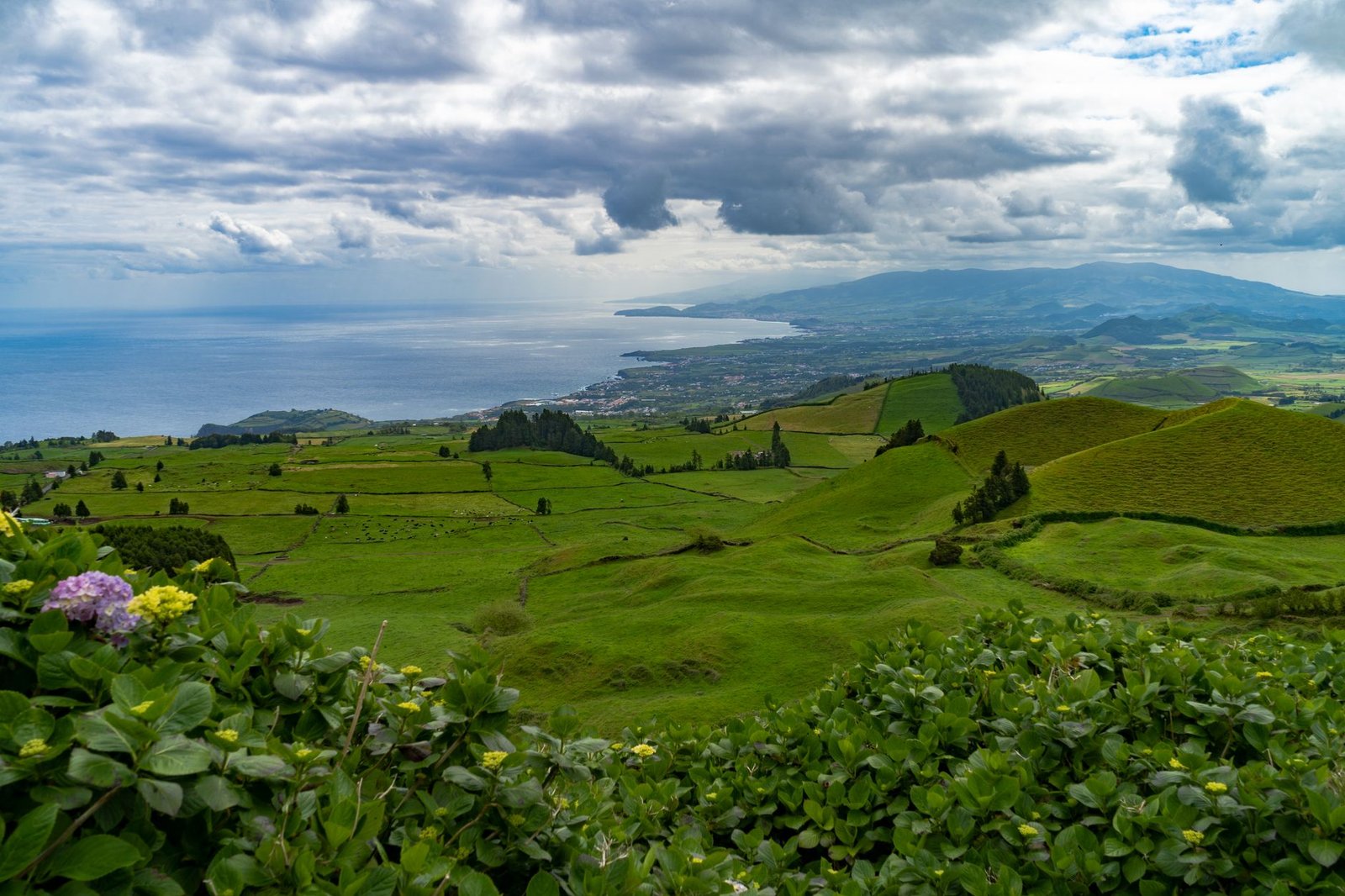
The Azores consist of nine volcanic islands, each offering a distinct mix of scenery, culture, and activities. São Miguel, the largest, is known for its lush green hills, tea plantations, and the iconic twin lakes of Sete Cidades. Pico, dominated by Portugal’s highest mountain, is a haven for climbers and wine lovers. Terceira boasts a UNESCO‑listed historic centre in Angra do Heroísmo, while Faial is famed for its blue hydrangeas and the bustling marina of Horta.
Start your island‑hopping adventure by choosing a base island that matches your interests. São Miguel is ideal for first‑time visitors because of its airport connections, variety of accommodations, and the concentration of must‑see sites. If you prefer rugged landscapes and a quieter pace, consider staying on Pico or São Jorge, where you can walk along the famous fajãs (coastal plains) and taste the famed Verdelho wine.
Inter‑island travel is straightforward thanks to regular flights and ferries. A typical itinerary might spend three days on São Miguel, two on Pico, and two on Faial, allowing enough time to hike, swim, and explore historic towns without feeling rushed.
São Miguel Highlights
São Miguel is the most visited island, and for good reason. The Sete Cidades crater lake, with its contrasting blue and green waters, offers several trail options ranging from easy walks to challenging hikes that reward you with panoramic vistas. The geothermal hot springs at Furnas provide a relaxing soak after a day of trekking, while the tea plantations of Gorreana let you see Europe’s only tea production in action.
Pico Adventures
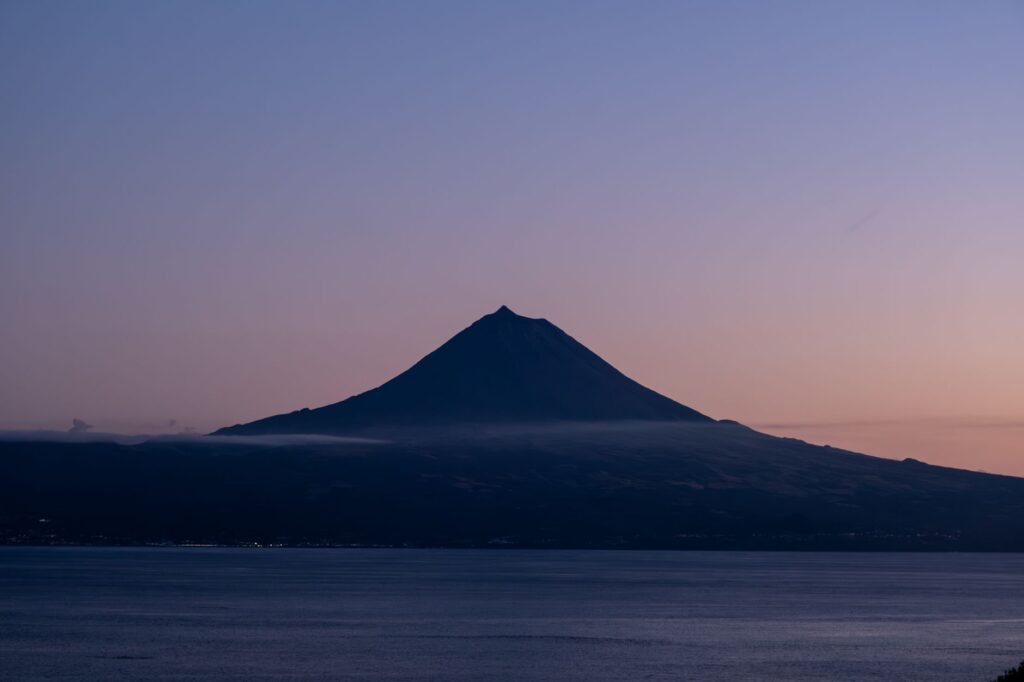
Pico’s centerpiece is Mount Pico, a 2,351‑meter stratovolcano that towers over the surrounding sea. The climb is a full‑day endeavor, but the summit offers an unrivaled 360‑degree view of the archipelago. Below the mountain, the UNESCO‑listed Pico Vineyard Landscape is a patchwork of stone walls and vines that produce the island’s distinctive white wine.
Faial and Horta
Faial’s capital, Horta, is a pilgrimage spot for sailors crossing the Atlantic. The famous Peter Café Sport is a meeting place for yachtsmen, and the wall of paintings left by visitors creates a vibrant mosaic of travel stories. Nearby, the volcanic caldera of Caldeira do Faial offers gentle trails that wind through pine forests and offer spectacular sunrise views.
Outdoor Adventures
The Azores are an outdoor playground. With over 2,000 km of coastline, countless trails, and abundant marine life, you can fill each day with a new activity. The islands’ mild climate means you can hike, surf, or kayak year‑round, though the best weather for most activities falls between May and October.
Hiking is the most popular way to experience the volcanic terrain. Trails vary from short, family‑friendly loops to multi‑day treks across remote fajãs. The trail to the summit of Mount Pico is a challenging, but well‑marked route that takes most hikers 6‑8 hours round‑trip. For a gentler option, the trail around Lagoa do Fogo on São Miguel offers stunning lake views and wildflower meadows.
Marine adventures are equally rewarding. The Azores sit on a major migratory route for cetaceans, making whale watching a must‑do activity. Sperm whales, fin whales, and even occasional blue whales can be spotted from boats departing from Ponta Delgada, Horta, or Lajes do Pico. If you prefer to stay underwater, the clear waters around the islands are perfect for scuba diving, with sites featuring volcanic walls, shipwrecks, and vibrant marine life.
Whale Watching Tips
Choose a reputable operator that follows sustainable guidelines, such as keeping a safe distance from the animals and limiting noise. Tours typically last 3‑4 hours and include a brief educational talk about the species you may encounter. Dress in layers and bring a waterproof jacket, as the Atlantic can be breezy even on sunny days.
Surfing and Kayaking
The north coast of São Miguel, especially around Santa Bárbara, offers consistent waves suitable for both beginners and experienced surfers. Kayaking along the caldera walls of Faial or the lagoon of Sete Cidades provides a unique perspective of the volcanic cliffs and is a peaceful way to explore hidden coves.
Beaches & Coastal Relaxation
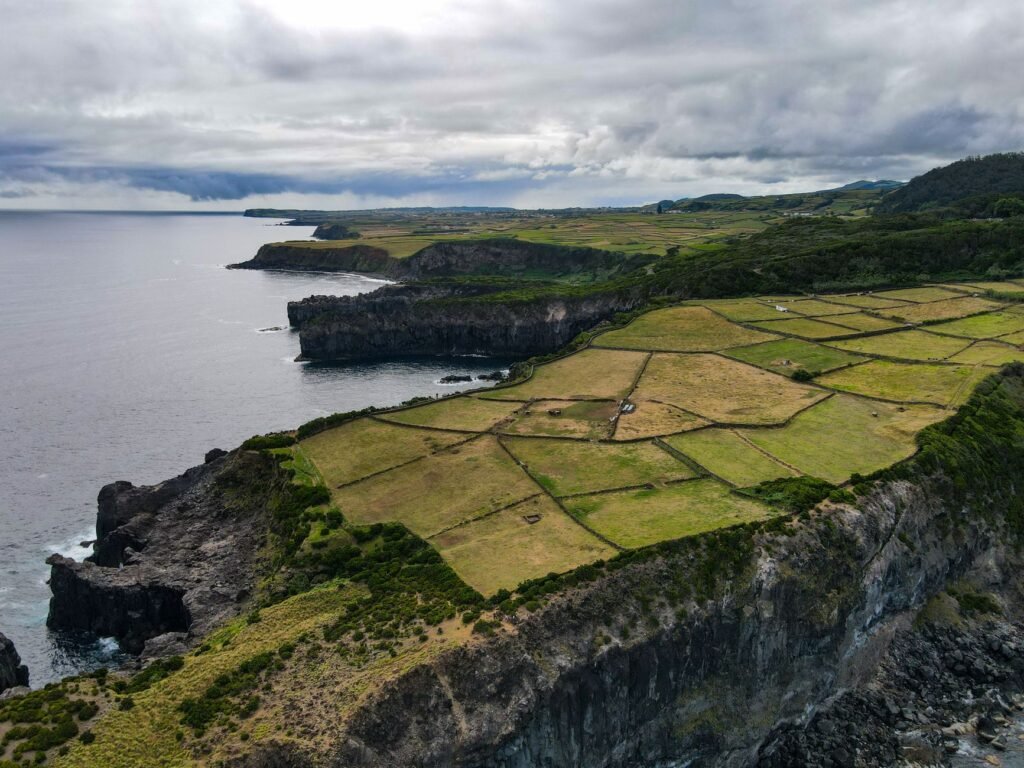
While the Azores are better known for their cliffs and craters, they also boast several beautiful beaches where you can unwind after a day of exploration. The sand varies from golden to black volcanic, and many beaches are bordered by dramatic rock formations.
On São Miguel, Praia dos Moinhos offers a long stretch of golden sand backed by dunes, perfect for sunrise walks. In contrast, the black sand beach of Praia da Vitória on Terceira provides a dramatic backdrop of basalt cliffs and is popular with local surfers.
For a more secluded experience, head to the natural pools of Biscoitos on Terceira. These lava‑formed basins fill with seawater at high tide, creating warm, calm swimming spots framed by volcanic rock. Remember to bring a towel and water shoes, as the rocks can be slippery.
- Praia de Santa Bárbara (São Miguel) – windsurfing hotspot.
- Fajã da Caldeira de Santo Cristo (São Jorge) – remote beach with fresh fish restaurants.
- Portinho da Areia (Faial) – family‑friendly, calm waters.
Cultural Experiences
The Azores have a rich cultural heritage shaped by centuries of seafaring, agriculture, and religious traditions. Visiting historic towns, attending local festivals, and exploring museums gives you insight into the islands’ unique identity.
Angra do Heroísmo on Terceira is a UNESCO World Heritage site, with cobbled streets, baroque churches, and a fortified citadel that tells stories of the islands’ strategic importance during the Age of Discovery. In Ponta Delgada, the Forte de São Brás offers panoramic views of the harbor and houses a small museum of military artifacts.
Festivals are a lively way to experience Azorean culture. The Holy Spirit festivals, celebrated throughout the summer, feature processions, communal meals, and traditional music. If you visit in August, the Sanjoaninas Festival in Angra showcases folk dances, horse parades, and fireworks.
Museums and Heritage Sites
The Museu Carlos Machado in Ponta Delgada displays natural history specimens, traditional crafts, and photographs documenting island life. On Pico, the Whalers’ Museum in Lajes tells the story of the once‑thriving whaling industry and its transition to eco‑tourism.
Traditional Crafts
Azorean embroidery, known as “renda,” is a delicate lacework often used in tablecloths and clothing. You can watch artisans at work in small workshops in Vila Franca do Campo, and purchase handmade pieces as authentic souvenirs.
Food & Drink
Azorean cuisine is a celebration of the sea, dairy, and volcanic earth. Fresh fish, limpets, octopus, and tuna dominate the menus, while the islands’ lush pastures produce creamy cheeses and aromatic tea. Pair your meals with locally produced wines for a full sensory experience.
Try the iconic “Cozido das Furnas,” a stew cooked underground by volcanic heat in the town of Furnas on São Miguel. The slow‑cooked meat and vegetables absorb a subtle smoky flavor that is truly unique. For a lighter option, sample “Lapas” (limpets) grilled with garlic and butter, a favorite in coastal taverns.
Cheese lovers should not miss Queijo de São Jorge, a robust, buttery cheese aged for several months. Visit a dairy farm on São Jorge to see the traditional hand‑molding process and enjoy a tasting session. Pair the cheese with a glass of Pico Verdelho, a crisp white wine that balances the cheese’s richness.
- Seafood dishes: grilled fish, octopus stew, limpets.
- Meat specialties: Cozido das Furnas, pork with pineapple.
- Dairy delights: Queijo de São Jorge, fresh milk yogurt.
- Sweet treats: pineapple jam, passion fruit pudding.
Practical Tips for Visiting
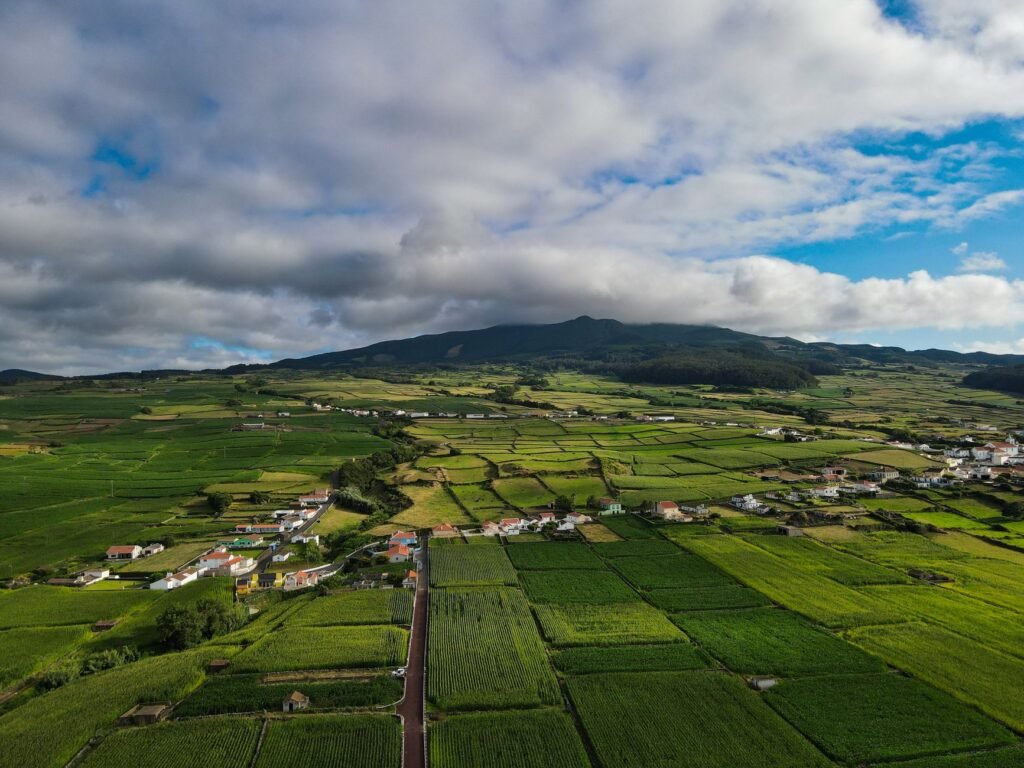
Before you set off, a few logistical details can make your trip smoother. The Azores use the Euro and Portuguese is the official language, though English is widely spoken in tourist areas. Rent a car if you plan to explore rural parts of the islands; roads are well‑maintained but narrow in places.
Public transport exists on larger islands, but schedules can be limited on weekends. Consider booking tours for activities like whale watching or guided hikes, as they often include transportation and knowledgeable guides.
Below is a quick reference table for average weather by season. Remember that conditions can change rapidly, especially in higher elevations, so pack layers and waterproof gear.
| Season | Avg High (°C) | Avg Low (°C) | Rainfall (mm) |
|---|---|---|---|
| Spring (Mar‑May) | 17 | 13 | 80 |
| Summer (Jun‑Aug) | 24 | 18 | 55 |
| Autumn (Sep‑Nov) | 21 | 15 | 90 |
| Winter (Dec‑Feb) | 16 | 12 | 110 |
Check the official tourism website for up‑to‑date information on ferry schedules, trail closures, and any travel advisories. Booking accommodations early, especially for peak summer months, ensures you get the best location and rates.
Frequently Asked Questions
What is the best time of year to visit the Azores?
The mild climate makes the islands pleasant year‑round, but May to October offers the warmest temperatures and the most reliable sea conditions for swimming and boat tours.
Do I need a visa to travel to the Azores?
The Azores are part of Portugal, so the same visa rules apply. Citizens of the EU, the US, Canada, and many other countries can enter visa‑free for short stays.
How many days should I allocate for a first visit?
A typical first‑time itinerary ranges from 7 to 10 days, allowing you to explore three islands at a comfortable pace while fitting in hikes, whale watching, and cultural visits.
Is English widely spoken?
Yes, especially in tourist areas, hotels, and restaurants. Most signs are in Portuguese, but you’ll find English menus and helpful staff in popular locations.
The Bottom Line
The Azores offer an extraordinary blend of volcanic landscapes, marine life, and warm hospitality. By planning your island hops, embracing outdoor activities, and tasting the local cuisine, you’ll create a travel story that feels both adventurous and deeply relaxing. Whether you have a week or two, the archipelago invites you to explore at your own rhythm and discover why it’s one of Europe’s best‑kept secrets.
