
Key Takeaways
- Plan for a mix of outdoor adventure and indoor relaxation.
- Choose activities that match your skill level and fitness.
- Pack layered clothing and essential gear for safety and comfort.
When the temperature drops and the world turns white, the question on every traveler’s mind becomes: what are the best Things to do in the snow? Whether you are a seasoned snow enthusiast or a first‑time visitor to a winter wonderland, there is a surprisingly wide range of experiences that go beyond simply sliding down a hill. This guide will walk you through practical options, from adrenaline‑pumping sports to quiet moments by a fire, so you can design a trip that feels both exciting and comfortable.
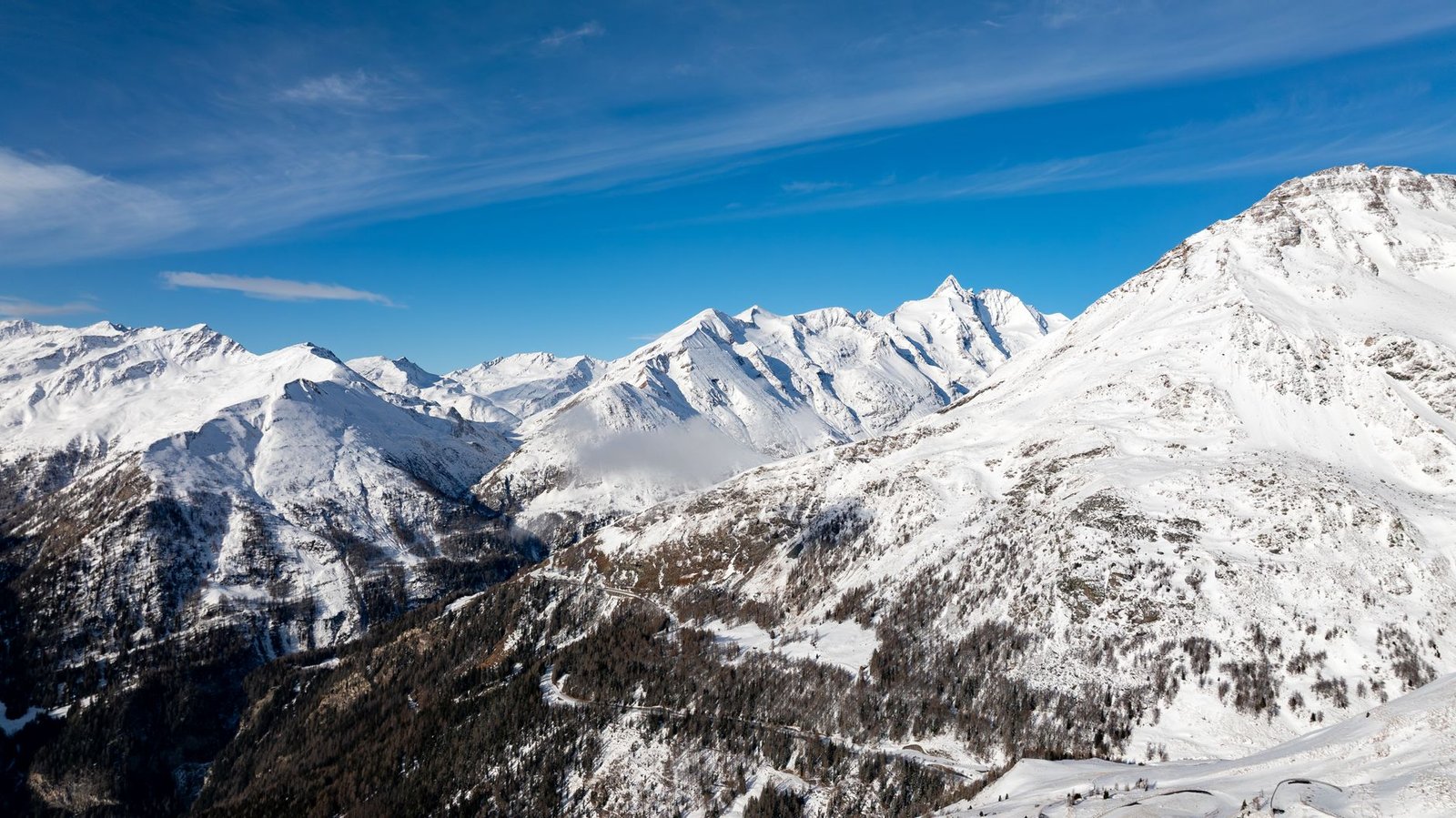
Winter landscapes offer a unique blend of natural beauty and cultural charm. From the towering Alps to the gentle slopes of New England, each region provides its own flavor of snow‑filled fun. By understanding the variety of activities available, you can match your itinerary to your interests, budget, and the amount of time you have on hand. Below you will find a step‑by‑step breakdown of the most rewarding ways to spend a snowy day, complete with safety tips, gear suggestions, and ideas for memorable meals.
Before diving into specific activities, remember that preparation is half the adventure. Checking weather forecasts, confirming trail openings, and reserving equipment rentals in advance can save you from unexpected closures or long wait times. Most mountain resorts post live updates on their websites, and local tourism boards often provide downloadable PDFs with trail maps and safety notices. By staying informed, you ensure that every hour you spend in the snow is productive and enjoyable.
Winter Sports and Adventures
Skiing and snowboarding remain the headline attractions in most snowy destinations. Whether you prefer the graceful carving of alpine skis or the freestyle thrills of a snowboard, most resorts offer a range of runs from beginner green circles to expert black diamonds. If you are new to the sport, consider a half‑day lesson with a certified instructor; the confidence boost is worth the modest cost and will keep you safe on steeper terrain.
Beyond the classic slopes, many mountains now feature dedicated terrain parks, backcountry cat‑sled tours, and even night skiing under illuminated runs. For those seeking a more serene pace, snowshoeing provides a low‑impact workout while allowing you to explore off‑track wilderness areas. Many national parks maintain groomed snowshoe trails that lead to panoramic viewpoints, frozen waterfalls, and wildlife‑watching spots.
- Alpine skiing – Ideal for speed lovers; look for resorts with a variety of lift types.
- Snowboarding – Great for park enthusiasts; many parks have half‑pipes and rails.
- Snowshoeing – Low‑tech, easy to learn; rent pairs at most trailheads.
- Cross‑country skiing – Excellent cardio; try the groomed loops in Scandinavia.
- Ice climbing – For the adventurous; seek guided trips on frozen waterfalls.
When planning a day of high‑energy sports, allocate time for warm‑up stretches and a mid‑morning snack. Energy bars, nuts, and a bottle of water keep you hydrated, even in cold weather, because the body loses moisture through breathing cold air.
Scenic Snowy Walks and Hikes
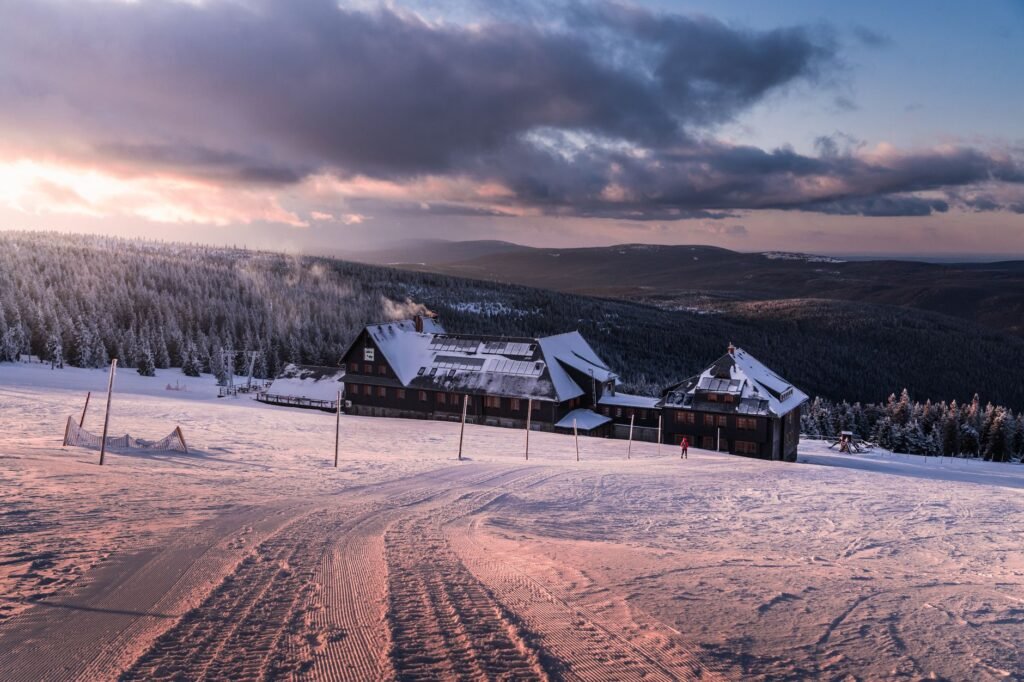
Not every snow lover wants to strap on a board. Some prefer the quiet contemplation that comes from walking through a snow‑covered forest or climbing a gentle hill to watch the sunrise. Locations like Banff National Park in Canada, the Dolomites in Italy, and the Japanese Alps offer marked winter trails that are safe for walkers of all abilities.
When you choose a trail, pay attention to its difficulty rating, length, and elevation gain. Many parks publish “snowshoe loops” that are under 5 km and have minimal ascent, making them ideal for families or casual hikers. For a more challenging experience, consider the high‑altitude routes in the Swiss Alps that lead to iconic peaks such as the Matterhorn, where the view of the surrounding glaciers is unforgettable.
Remember to bring a pair of crampons or microspikes if the trail is icy, and always carry a small emergency kit that includes a thermal blanket, a whistle, and a fully charged phone. Even short walks can become hazardous if a sudden storm rolls in.
Cultural Experiences in Snowy Settings
Winter transforms cities into festive wonderlands, and many cultures celebrate the season with unique traditions. In Europe, the famous Christmas markets of Vienna, Prague, and Strasbourg fill town squares with twinkling lights, handcrafted gifts, and aromatic mulled wine. In Japan, the Sapporo Snow Festival showcases massive snow sculptures that draw millions of visitors each February.
These cultural events provide a break from outdoor exertion and let you soak up local customs. Plan to arrive early to avoid crowds, and allocate time to sample regional specialties, think German stollen, Austrian Kaiserschmarrn, or Japanese hot sake. Many markets also offer free performances, such as choirs, brass bands, and traditional dance, adding a lively soundtrack to your snowy stroll.
For a deeper immersion, consider joining a guided walking tour that explains the history of the market or the symbolism behind the snow sculptures. Guides often speak multiple languages and can point out hidden gems like artisan workshops or lesser‑known food stalls.
Cozy Food and Drink Options
After a day of activity, warm up with hearty meals that celebrate the season. Alpine regions are famous for cheese fondue, raclette, and hearty stews that melt the chill away. In North America, you’ll find chili‑laden poutine, maple‑glazed salmon, and locally sourced craft beers served in rustic taverns.
Don’t overlook the simple pleasure of a well‑made hot chocolate. A high‑quality cocoa, topped with whipped cream or a dash of cinnamon, can be the perfect post‑snow treat. Many mountain lodges serve it alongside fresh pastries, making it an ideal spot to rest and people‑watch.
When choosing a restaurant, look for places that source ingredients locally; this not only supports the community but also ensures that flavors are fresh and seasonally appropriate. If you have dietary restrictions, most larger resorts now offer gluten‑free, vegan, and vegetarian options, though it’s wise to call ahead to confirm availability.</n
Here is a quick reference for typical winter comfort foods by region:
| Region | Signature Dish | Typical Accompaniment |
|---|---|---|
| Swiss Alps | Fondue | Crusty bread, boiled potatoes |
| French Alps | Raclette | Pickles, cured meats |
| Canada | Poutine | Gravy, cheese curds |
| Japan | Nabe (hot pot) | Rice, seasonal vegetables |
Family‑Friendly Snow Activities
Traveling with children adds a layer of planning, but snow destinations are often equipped with activities that cater to all ages. Sledding hills are ubiquitous and require little equipment, just a sturdy sled and a safe, gently sloping area. Many resorts have dedicated sledding zones with soft‑landing surfaces and bright signage.
Building a snowman or engaging in a friendly snowball fight can become a memorable family ritual. Pack a small “snow kit” that includes a carrot for the nose, a scarf, and a set of colorful buttons. If your kids are a bit older, consider a guided snowshoe trek that teaches basic navigation and winter ecology.
Ice skating rinks, both indoor and outdoor, provide a controlled environment where families can glide safely. Many towns set up temporary rinks in central squares, often accompanied by music, hot cocoa stands, and skate rentals. Look for “free skate” evenings where the cost is waived, especially in community parks.
Practical Planning and Gear
Having the right gear can make the difference between a day of fun and a day of frustration. Layering is the cornerstone of winter dressing: a moisture‑wicking base layer, an insulating mid‑layer, and a waterproof outer shell protect you from wind, snow, and sweat. Don’t forget insulated gloves, a warm hat that covers your ears, and thermal socks.
Below is a concise gear checklist that covers most snow activities. Adjust the list based on the specific sport or hike you plan to undertake.
| Category | Essential Items |
|---|---|
| Clothing | Base layer, fleece, waterproof jacket, snow pants, insulated gloves, beanie, neck gaiter |
| Footwear | Waterproof boots, snowshoe bindings, ski/snowboard boots (if renting) |
| Safety | Helmet (for skiing/snowboarding), avalanche beacon (for backcountry), first‑aid kit, map & compass |
| Accessories | Sunglasses or goggles, sunscreen (high SPF), lip balm, reusable water bottle |
Renting equipment on site can reduce luggage weight, but be sure to reserve items ahead of time during peak season. Many shops offer discounts for multi‑day rentals and provide free adjustments to ensure a proper fit.
Transportation logistics also matter. If you are driving, check that your vehicle is equipped with winter tires or chains, and keep an emergency kit in the trunk. Public transit options, such as ski‑bus services, often run from major cities directly to resort bases, saving you the hassle of parking.
Frequently Asked Questions
What should I pack for a day of skiing?
Focus on layered clothing, waterproof outerwear, insulated gloves, a helmet, and appropriate ski boots. Don’t forget sunscreen, lip balm, and a small snack for energy.
Are there snow activities for beginners?
Yes, most resorts offer beginner slopes, snowshoe trails, and gentle sledding hills. Look for “green” runs and guided introductory lessons.
Can I rent equipment on the mountain?
Nearly all ski resorts have rental shops that provide skis, snowboards, boots, helmets, and even snowshoe gear. Booking online in advance often secures better rates and ensures availability.
Is travel insurance necessary for winter trips?
Winter sports carry higher risk of injury, so a policy that covers medical evacuation and equipment loss is advisable. Review the fine print to confirm coverage for specific activities like backcountry skiing.
The Bottom Line
Whether you chase the rush of a downhill run, wander through a snow‑kissed forest, or warm up with a steaming mug of cocoa, there are countless Things to do in the snow that suit every travel style. By planning ahead, dressing properly, and selecting activities that match your skill level, you can turn a cold day into a memorable adventure that lasts long after the snow melts.
