
Why Torrance Deserves a Spot on Your Southern California Itinerary
Torrance sits comfortably in the heart of Los Angeles County’s South Bay, offering a blend of coastal charm, suburban comfort, and a surprisingly vibrant cultural scene. While it’s often eclipsed by its flashier neighbors—Manhattan Beach, Redondo Beach, and the bustling downtown of Los Angeles—Torrance provides a more relaxed pace without sacrificing access to world‑class attractions. Whether you’re a first‑time visitor, a weekend explorer, or a local looking for fresh ideas, the city’s diverse neighborhoods, parks, museums, and culinary hotspots make it a micro‑cosm of Southern California life.
Top Outdoor Attractions: Beaches, Parks, and Natural Spaces
Nature lovers will find plenty to do without straying far from the city limits. Torrance’s coastline and green spaces are perfect for a sunny day, a family picnic, or a quiet morning walk.
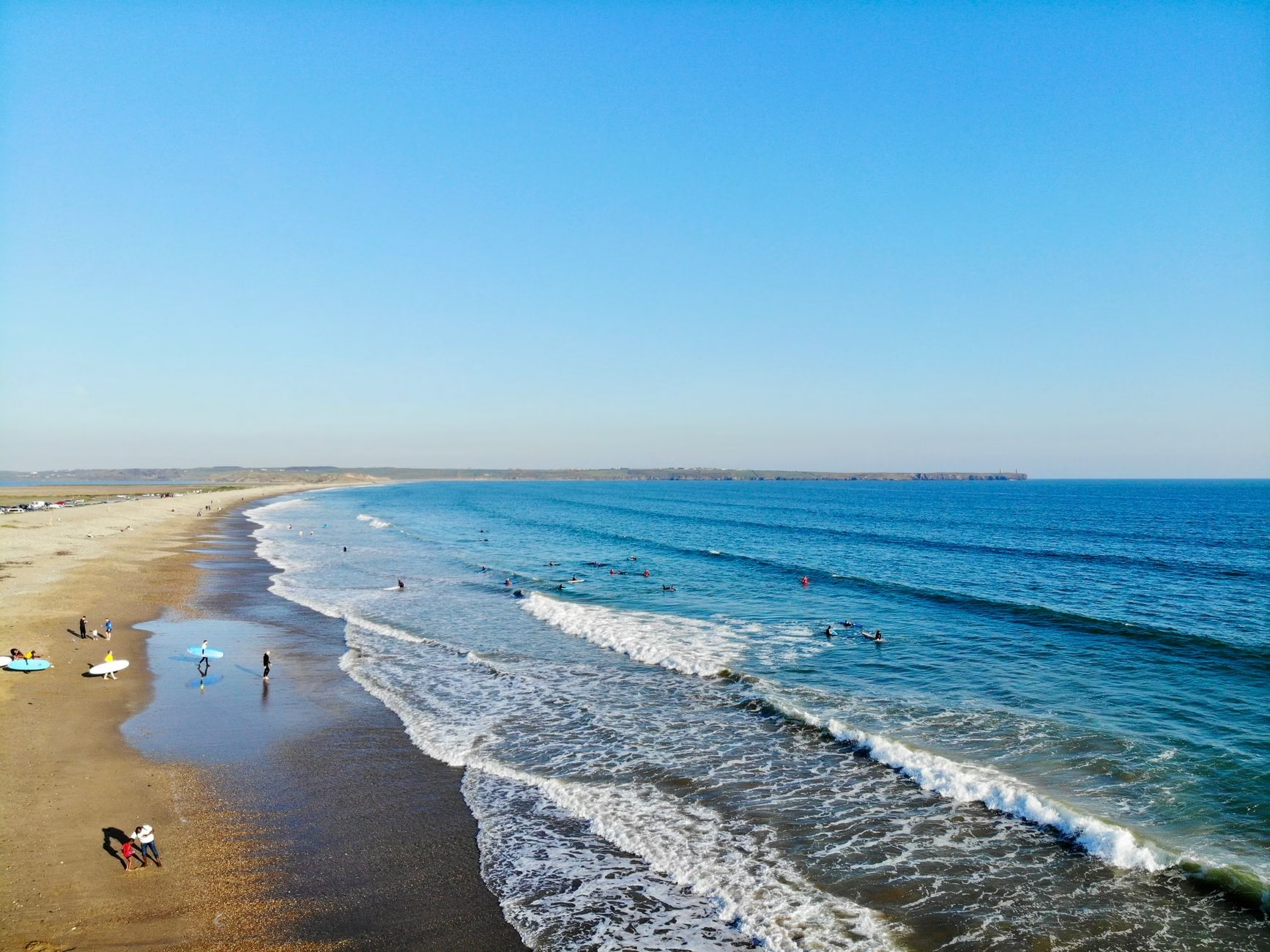
- Torrance Beach – A wide stretch of sand with gentle waves, perfect for swimming, surf lessons, and sunset photography. Parking is available along the street and in a nearby lot that fills up quickly on warm weekends, so arrive early.
- Madrona Marsh Preserve – One of the few remaining coastal marshes in the region, this 43‑acre nature preserve offers boardwalk trails, bird‑watching blinds, and a modest visitor center that explains the ecosystem’s history.
- Wilson Park – A sprawling municipal park featuring a lake, playgrounds, sports fields, and a popular skate park. The park’s walking paths are well‑maintained and ideal for joggers.
- Del Amo Park – Known for its beautifully landscaped rose garden and seasonal art installations, the park also hosts free community concerts during the summer months.
All of these outdoor sites are free to the public, making them budget‑friendly options for families and solo travelers alike.
Exploring Torrance’s Cultural Core: Museums, Galleries, and Historic Sites
Torrence’s cultural offerings might surprise visitors who think of the city only as a residential suburb. The following institutions showcase both local heritage and broader artistic trends.
- Western Museum of Flight – Housed in a historic hangar at the former United States Air Force Plant, the museum displays a range of aircraft, from World War II fighters to modern jet trainers. Admission is modest, and guided tours are offered on weekends.
- Torrance Art Museum – A contemporary space that rotates exhibitions featuring regional artists, emerging talent, and occasional traveling shows. The museum’s courtyard hosts outdoor sculpture installations during the warmer months.
- Torrance Cultural Center – Located near the downtown civic complex, the center presents theater productions, music concerts, and dance performances. Many events are free or have discounted community rates.
- Historic Torrance City Hall – Built in the 1920s, the Spanish‑Mediterranean style building is worth a quick stop to admire its architectural details. The surrounding Plaza del Sol often hosts farmers’ markets and local art fairs.
Most of these venues operate on a regular schedule, but it’s wise to check their calendars ahead of time, especially for special exhibitions or performances that may require advance reservations.
Neighborhood Walks: Discovering the Unique Character of Torrance’s Districts
Each neighborhood in Torrance has its own vibe, from bustling commercial corridors to quiet, tree‑lined streets. Walking tours—self‑guided or with a local guide—let you soak in the subtleties that make each area distinct.
- Downtown Torrance – Centered around the historic Plaza del Sol, the downtown core mixes boutique shops, cafés, and the city’s municipal buildings. The streets are pedestrian‑friendly, and the area often hosts street festivals.
- South Bay Plaza Area – A commercial hub anchored by large retail centers but also peppered with smaller eateries and specialty stores. It’s an easy place to grab a quick bite while browsing the shops.
- College Park – Home to a mix of single‑family homes and mid‑rise apartments, this residential neighborhood features quiet parks and a community garden that offers workshops on sustainable gardening.
- Old Town Torrance – Not to be confused with downtown, this area preserves a few of the city’s earliest structures and includes a small museum dedicated to the city’s founding families.
Each district can be explored on foot or by bike, and many local businesses welcome tourists with information pamphlets and maps.
Foodie Guide: What to Eat and Where to Dine in Torrance
Torrance’s culinary scene reflects the city’s multicultural roots. From Korean BBQ joints that line the boulevard to Mexican taquerías and classic American diners, there’s a dish for every palate.
- Korean Cuisine – Torrance boasts one of the highest concentrations of Korean restaurants in the Los Angeles area. Try a traditional Korean BBQ experience where you grill marinated meats at your table, or sample a bowl of hot stone bibimbap for a comforting meal.
- Mexican Street Food – Small taquerías serve up freshly made tacos, elotes (grilled corn), and aguas frescas. Look for stalls that prepare their salsas in-house for the most authentic flavor.
- Seafood – Being a coastal city, Torrance offers several seafood spots that serve locally sourced fish, shrimp, and crab. Grilled fish tacos and clam chowder are popular choices.
- Farm‑to‑Table Cafés – Several cafés emphasize seasonal, locally sourced ingredients. Expect menus that change with the harvest, featuring items like avocado toast, fresh salads, and artisan coffee.
- Classic American Diners – For a nostalgic bite, head to a mid‑century diner where you can enjoy thick‑shaken milkshakes, burgers, and fries. Many of these establishments have a retro décor that adds to the experience.
Most eateries have a range of price points, so you can enjoy a gourmet meal or a casual snack without breaking the bank. Many restaurants also offer outdoor seating, especially during the pleasant spring and fall months.
When to Visit: Seasonal Climate, Events, and Crowd Levels
Torrance enjoys a Mediterranean climate, meaning mild winters and warm, dry summers. Understanding the seasonal nuances helps you plan activities that match your preferences.
- Spring (March‑May) – Temperatures average in the mid‑60s °F to low 70s °F, making it ideal for beach walks, park picnics, and outdoor festivals. The city’s farmers’ market runs most Saturdays, featuring fresh produce from local growers.
- Summer (June‑August) – Warm to hot, with occasional coastal breezes that keep the heat comfortable near the ocean. This is peak beach season; expect larger crowds at Torrance Beach and higher demand for parking.
- Fall (September‑November) – Similar to spring, with comfortable temperatures and fewer tourists. The “Torrance Autumn Art Walk” is a popular event that highlights local artists and craftspeople.
- Winter (December‑February) – Mild, with daytime highs in the high 50s °F to low 60s °F. While rain is more common, it’s rarely severe, and the city’s indoor attractions, such as museums and theaters, remain fully accessible.
Special events to consider include the annual “Torrance Car Show” in June, the “South Bay Holiday Parade” in December, and various community concerts held in city parks during the summer evenings.
Getting Around: Transportation Options Within Torrance and the Greater South Bay
While a personal vehicle offers the most flexibility, Torrance is well‑served by public transit and alternative mobility options.
- Metro and Local Buses – The LA Metro’s Green Line has a station in Torrance, connecting you to downtown LA, Long Beach, and the wider Metro network. The Torrance Transit system operates several routes that cover the city’s neighborhoods, beaches, and shopping districts.
- Bike Paths – A growing network of bike lanes runs alongside major streets and through parks. The coastal bike trail from Torrance to nearby Redondo Beach provides a scenic ride along the shoreline.
- Ride‑Sharing Services – Services such as Uber and Lyft are widely available, offering a convenient alternative for those without a car. Surge pricing is generally modest in Torrance compared to downtown LA.
- Car Rentals and Car‑Sharing – Traditional rental agencies have locations near the freeway, while car‑sharing platforms like Zipcar have stations near the downtown area, useful for short trips.
- Parking – Street parking is plentiful in residential areas, though meter‑regulated zones operate during business hours. Larger commercial centers provide free or low‑cost surface parking.
If you plan to explore neighboring cities such as Manhattan Beach, Palos Verdes, or the broader Los Angeles area, a car remains the most time‑efficient option, but the Metro Green Line also connects you to many of these destinations with a short transfer.
Budget‑Friendly Tips: How to Experience Torrance Without Overspending
Traveling on a budget doesn’t mean missing out on the best that Torrance has to offer. Below are practical ways to keep costs low while still enjoying a rich itinerary.
- Free Outdoor Activities – Beaches, parks, and the Madrona Marsh Preserve have no admission fees. Pack a picnic and use the public grills available in many parks.
- Community Events – Keep an eye on the city’s official website or local community boards for free concerts, outdoor movie nights, and art walks that occur regularly.
- Discounted Museum Days – The Western Museum of Flight and the Torrance Art Museum occasionally offer free admission days or “pay‑what‑you‑wish” evenings. Check their calendars in advance.
- Public Transportation Passes – Purchasing a weekly pass for Torrance Transit or a multi‑day Metro pass can save money if you plan to travel extensively by bus or rail.
- Eat Like a Local – Food trucks and neighborhood taquerías provide authentic meals at a fraction of the price of sit‑down restaurants. Look for lunch specials that often include a drink and side.
- Stay in Suburban Hotels or Vacation Rentals – Lodging costs in Torrance are generally lower than in beachfront cities. Look for accommodations near the Metro Green Line for easy transit access.
By mixing free attractions with occasional splurges—such as a special dinner at a Korean BBQ joint—you’ll get a balanced experience without feeling financially strained.
Day Trips From Torrance: Exploring the Surrounding South Bay and Beyond
Because of its central location, Torrance serves as a perfect launching pad for several scenic and cultural day trips. Below are a few recommended outings that can be completed in a single day.
- Manhattan Beach – Just a short drive north, this upscale beach town offers a wide sandy shoreline, a bustling pier with an iconic volleyball court, and a charming downtown with boutique shopping.
- Palos Verdes Peninsula – A 20‑minute drive south takes you to rugged coastal cliffs, the Palos Verdes Nature Preserve, and the historic Point Vicente Lighthouse—great for whale‑watching during migration seasons.
- Los Angeles Downtown – The Metro Green Line connects to the Expo Line, which leads directly into downtown LA. Spend a day exploring museums such as The Broad, strolling through Grand Central Market, or catching a live performance at the Walt Disney Concert Hall.
- Long Beach – A 30‑minute drive east brings you to the waterfront city of Long Beach, where you can visit the Aquarium of the Pacific, ride the historic Queen Mary, or rent a paddleboard on the harbor.
- The Getty Center – While a bit farther (about an hour’s drive), the Getty’s hilltop campus offers world‑class art, spectacular gardens, and panoramic views of the Pacific Ocean.
All of these destinations are reachable by car, and many are also accessible via the Metro system with a combination of Green and Expo Line transfers. Plan your route ahead of time to make the most of your daylight hours.
Practical Logistics: Accommodations, Safety, and Essential Services
Before you set out, here are some logistical considerations to ensure a smooth stay in Torrance.
- Lodging Options – Torrance offers a range of accommodations, from mid‑scale hotels near the freeway to boutique inns in the downtown area. For longer stays, short‑term rentals provide kitchen facilities, which can help cut food costs.
- Healthcare Facilities – Torrance Medical Center is the primary hospital in the city, offering 24‑hour emergency services. Several urgent care clinics are scattered throughout the city for non‑emergency medical needs.
- Safety – Torrance consistently ranks among the safer municipalities in Los Angeles County. As with any urban area, remain aware of your surroundings at night, especially in less crowded parking lots.
- Connectivity – Free Wi‑Fi is available at many public libraries and community centers. Most cafés and restaurants also provide complimentary internet access.
- Currency and Payments – Credit and debit cards are widely accepted. Some smaller vendors and food trucks prefer cash, so keep a modest amount on hand.
- Local Resources – The Torrance Public Library system offers not only books but also travel guides, city maps, and information about upcoming events. The Visitor Center, located near the downtown plaza, provides free brochures and can help with reservation inquiries.
Family‑Friendly Activities: Keeping Kids Engaged in Torrance
Traveling with children? Torrance offers several attractions that cater specifically to younger visitors while keeping the whole family entertained.
- Kids’ Discovery Center at the Western Museum of Flight – An interactive area where children can explore flight simulators, model aircraft building stations, and hands‑on science exhibits.
- Surf and Sand Lessons – Several surf schools on Torrance Beach offer beginner lessons for kids and adults, providing a safe environment with professional instructors.
- Playgrounds and Splash Pads – Wilson Park and Del Amo Park both feature large playgrounds, and during the summer months, splash pads are open for free water play.
- Family Movie Nights – The city’s parks host free outdoor movie screenings on select Friday evenings during the warmer months. Bring a blanket, snacks, and enjoy a family‑friendly film under the stars.
- Library Story Hours – The Torrance Public Library branches conduct regular story‑time sessions for toddlers and preschoolers, often featuring local authors or themed crafts.
These activities are generally low‑cost or free, making them perfect for families who want to stretch their vacation budget while keeping kids happily occupied.
Shopping in Torrance: From High‑End Malls to Local Boutiques
If you enjoy retail therapy, Torrance offers a range of shopping experiences that suit different tastes and budgets.
- Del Amo Fashion Center – One of the largest shopping malls in the region, featuring a mix of department stores, popular chain retailers, and a food court that offers a variety of cuisines.
- South Bay Plaza – A shopping center that houses specialty stores, beauty salons, and a few local boutique retailers. It’s less crowded than the larger mall and provides a more relaxed shopping atmosphere.
- Local Artisan Shops – The downtown area hosts several independent boutiques that showcase handcrafted jewelry, home décor, and locally designed clothing. These shops often collaborate with local artists for pop‑up events.
- Farmers’ Markets – Held on Saturdays at the Plaza del Sol, the market offers fresh produce, artisanal foods, and handmade goods—great for picking up souvenirs or a fresh picnic basket.
While some stores accept credit cards only, many smaller boutiques appreciate cash, especially for small purchases. Shopping during weekday mornings often means fewer crowds and a more relaxed browsing experience.
Nightlife and Evening Entertainment: From Live Music to Relaxed Bars
Torrance’s nightlife is low‑key compared to downtown Los Angeles, but it still offers enjoyable options for an evening out.
- Live Music Venues – The Torrance Cultural Center hosts regular live performances ranging from jazz ensembles to indie rock bands. Check the schedule for free community concerts.
- Craft Breweries and Pubs – Several local breweries serve a rotating selection of craft beers brewed on site. Many have outdoor patios that are perfect for warm evenings.
- Korean BBQ Late‑Night – Some Korean restaurants stay open past midnight, allowing you to enjoy a late‑night feast in a lively atmosphere.
- Movie Theaters – The downtown cinema offers the latest releases, often with discount matinee pricing on weekdays.
- Strolls on the Beach – A simple walk along Torrance Beach at night, with the sound of waves and occasional bonfires, can be a serene way to end the day.
Public transportation runs later on weekends, but ridesharing remains a convenient option if you plan to stay out later.
Seasonal Highlights: What’s Special About Torrance Throughout the Year
Beyond the basic climate considerations, Torrance celebrates several seasonal events that give visitors a taste of local culture.
- Spring Blossom Festival – Held in March at the Torrance Rose Garden, this festival showcases blooming roses, garden tours, and horticulture workshops.
- Summer Surf Competition – A local surf contest takes place at Torrance Beach in July, drawing both participants and spectators. It’s a great opportunity to watch skilled surfers and enjoy beachside food stalls.
- Autumn Art Walk – In October, galleries and street vendors line the downtown streets, offering live painting demonstrations and craft displays.
- Holiday Lights Parade – The city’s annual parade in December features illuminated floats, marching bands, and a festive atmosphere that spreads from the downtown plaza to surrounding neighborhoods.
These events are typically free or have a nominal entry fee, and they provide a wonderful way to connect with residents and experience the community spirit.
Final Thoughts: Crafting Your Perfect Torrance Itinerary
Whether you’re seeking sun‑kissed beaches, immersive cultural experiences, or a laid‑back suburban vibe, Torrance delivers a well‑rounded Southern California adventure. By mixing free outdoor spaces with a handful of museums, sampling the city’s diverse culinary offerings, and using the accessible public‑transport network, you can enjoy a memorable trip without the overwhelm that sometimes accompanies larger metropolitan destinations.
Start your planning by choosing a season that aligns with your interests—spring for blooming gardens, summer for beach action, fall for art walks, or winter for milder crowds. Map out a mix of activities from the list above, leave room for spontaneous discoveries (a pop‑up food truck, a street performance, or a local market find), and you’ll find that Torrance is a hidden gem that rewards both the curious explorer and the relaxed vacationer alike.
