
Key Takeaways
- Car travel is essential for exploring the Upper Peninsula's spread-out attractions.
- Pictured Rocks, waterfalls, and beaches offer diverse outdoor experiences.
- Marquette serves as a convenient base for dining, lodging, and day trips.
- Seasonal weather and limited services require careful planning and safety prep.
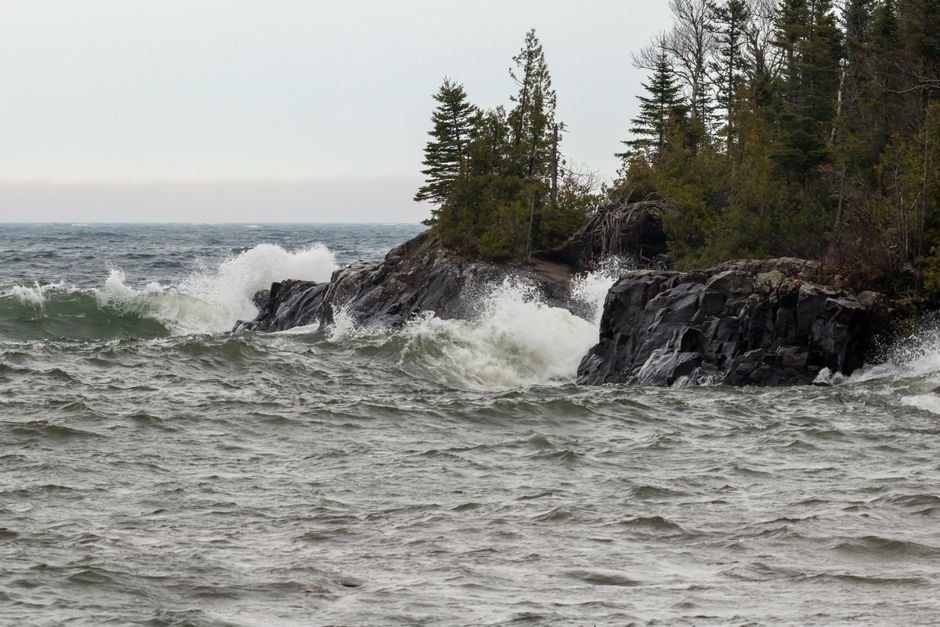
things to do in upper peninsula michigan range from hiking beside Lake Superior to exploring small waterfront towns, waterfalls, and historic sites. This wide region of the United States is often called the U.P., and Marquette is its largest city and a useful base for exploring the central shore.
The Upper Peninsula is not one compact city break. Distances are long, public transportation is limited, and weather can change quickly, so a little planning makes a big difference. A car gives you the most freedom, especially if you want to visit more than one shoreline or park.
First-time visitors can choose a small area and explore it properly rather than trying to cross the whole peninsula in a weekend. The ideas below cover well-known sights, local food, family activities, practical travel details, and quieter stops along the way.
20 Things to Do in Upper Peninsula Michigan
Use this quick-reference table to match your plans with the right area and season. Opening times and access can change, so check official sites before setting out.
| Experience | Where to go | Best for | Useful to know |
|---|---|---|---|
| Waterfall and lakeshore walks | Munising and Pictured Rocks | Hikers and photographers | Allow time for trail and weather conditions |
| Town culture and dining | Marquette | Food, shops, and a convenient base | Book busy-season lodging early |
| Historic island visit | Mackinac Island | Families and history fans | Ferries depart from the Straits area |
| Rock formations and beaches | Keweenaw Peninsula | Road-trippers and geology fans | Expect a long drive between stops |
| Wildlife and wilderness | Isle Royale National Park | Experienced outdoor travelers | Plan transportation and lodging well ahead |
Tip 1 – Explore Pictured Rocks National Lakeshore

Pictured Rocks National Lakeshore is one of the region’s signature landscapes, with sandstone cliffs, beaches, forest trails, and clear Lake Superior views. The town of Munising makes a convenient starting point. You can explore on foot, take a boat tour, or combine a short hike with a beach stop.
Conditions on the lake can affect boat schedules, and some trails are more demanding than they appear on a map. Check the National Park Service guide to Pictured Rocks for current notices, trail information, and permitted activities.
Tip 2 – Visit Munising’s waterfalls
Munising is a good base for visiting several waterfalls, including Munising Falls and nearby roadside cascades. Some have short, maintained paths, while others require a longer walk over uneven ground. Wear shoes with grip, especially after rain or during spring snowmelt.
Waterfall flow changes through the year. Spring and early summer can bring stronger flows, while autumn adds colorful forest views. Keep a safe distance from slippery edges and follow posted signs instead of climbing around barriers for a photo.
Tip 3 – Take a Lake Superior boat tour
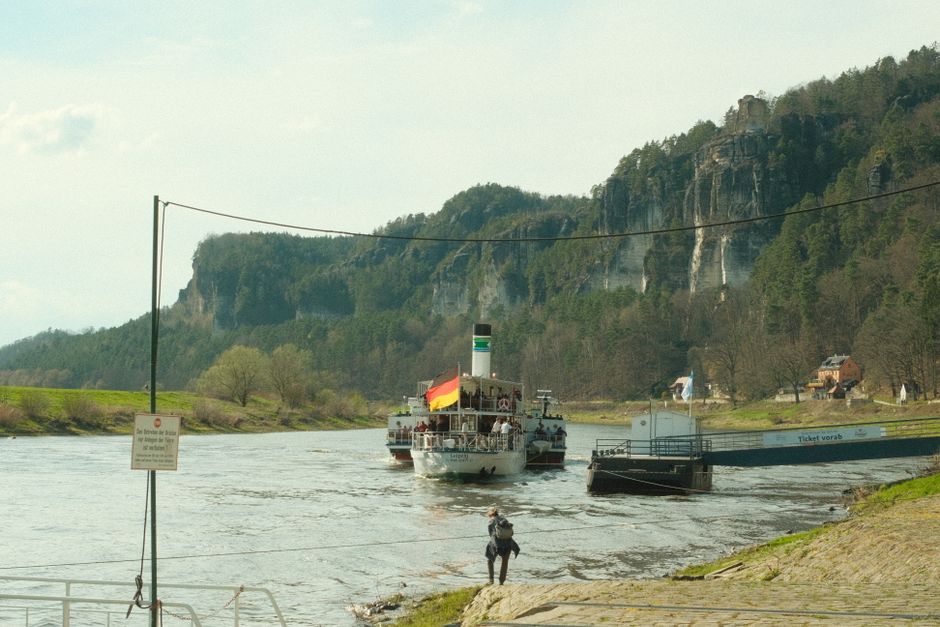
A boat tour near Munising offers a different view of Pictured Rocks’ cliffs, caves, and shoreline. Tours are a practical choice if you want to see a broad stretch of coast without hiking long distances. Choose a seat with weather protection if you are sensitive to wind or spray.
Summer departures can fill up, so reserve ahead when your dates are fixed. Bring a warm layer even on a sunny day. Lake Superior can feel chilly on the water, and tours may be adjusted or canceled when conditions are rough.
Tip 4 – Spend time in Marquette
Marquette is the Upper Peninsula’s largest city and one of its easiest places to find restaurants, shops, lodging, and services. Walk along the waterfront, see the harbor, and visit the Marquette Maritime Museum if you want context on the region’s shipping and lake history.
The city also makes a useful base for day trips to nearby beaches, forest trails, and historic sites. If you are visiting in peak summer or during a popular local event, reserve a room early. Smaller accommodation options can book up well in advance.
Tip 5 – Walk the Presque Isle Park loop
Presque Isle Park sits just north of downtown Marquette and offers wooded paths, rocky shoreline, and broad views over Lake Superior. It is an easy way to add nature to a city stay without planning a full-day hike.
Give yourself time to stop at the overlooks rather than rushing around the loop. Check local signs for seasonal access or vehicle restrictions. The shoreline is beautiful, but waves and wet rocks can be hazardous, so keep back from the water’s edge.
Tip 6 – Try a local pasty
A pasty is a baked pastry traditionally filled with meat and vegetables, and it is one of the Upper Peninsula’s best-known foods. Many shops sell them hot for lunch or frozen to take home. Menus vary, so ask about fillings if you have dietary needs.
Pasties have a strong connection to the region’s mining communities and are an easy, filling option for a road-trip day. Pair one with a simple salad or soup if you want a lighter meal. Try a local bakery or diner rather than expecting every restaurant to serve the same recipe.
Tip 7 – Follow the Keweenaw Peninsula north
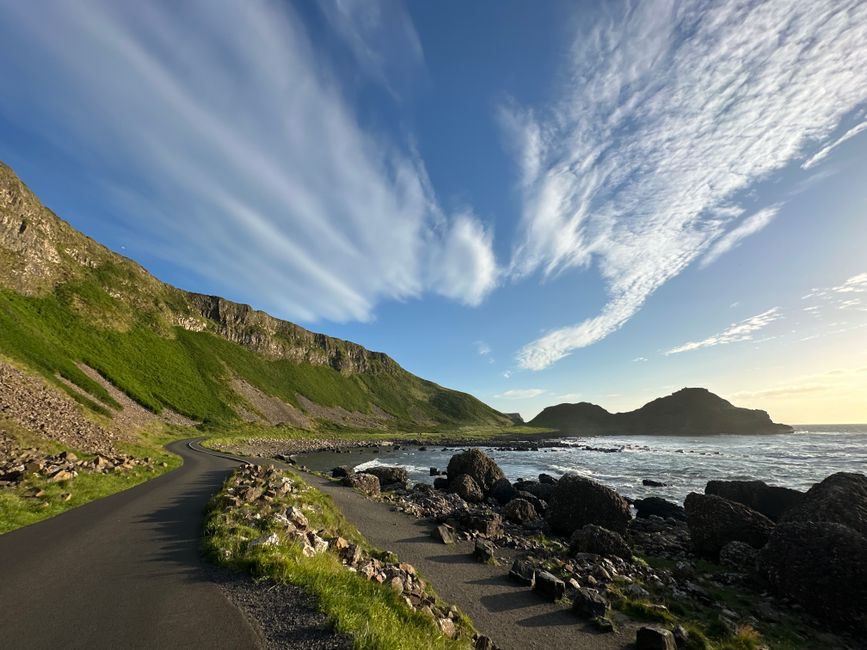
The Keweenaw Peninsula reaches into Lake Superior and rewards travelers who enjoy scenic driving, small towns, and industrial history. Copper Harbor is a popular end point, while Calumet and nearby communities offer architecture and museums linked to the area’s mining past.
Do not underestimate the driving time. Add stops for viewpoints and food, and check fuel before heading into less-developed stretches. The official Pure Michigan travel site is useful for trip ideas and destination information across the state.
Tip 8 – Learn local history in Calumet
Calumet’s historic buildings tell the story of copper mining and the communities that grew around it. Stop at the Keweenaw National Historical Park visitor information sites to learn about local heritage, architecture, and the people who shaped the peninsula.
Some historic buildings operate seasonally or have limited hours, so check schedules before making a special trip. Even a walk through the town center can be rewarding if you enjoy old commercial buildings and small-town streetscapes.
Tip 9 – Visit Mackinac Island
Mackinac Island is known for its historic buildings, waterfront views, and car-free streets. Visitors typically reach it by ferry from Mackinaw City or St. Ignace, then get around on foot, by bicycle, or by horse-drawn carriage. It works well as a day trip, though an overnight stay gives you more time.
Ferry schedules vary by season and weather, and island lodging can be costly during busy dates. If your itinerary includes other Great Lakes destinations, you could also compare it with 20 fun and best things to do in Put-in-Bay when planning a separate Ohio island visit.
Tip 10 – Discover Tahquamenon Falls State Park

Tahquamenon Falls State Park is known for its large waterfalls and forest setting in the eastern Upper Peninsula. The Upper Falls are the more famous stop, while the Lower Falls area offers a different set of viewpoints and paths. You can choose a short visit or spend longer exploring both areas.
There are stairs and uneven paths in parts of the park, so plan around your group’s mobility and energy. Bring water and check park information before traveling, particularly outside summer when weather and daylight can limit your plans.
Tip 11 – Take a peaceful beach break
The Upper Peninsula has many public beaches and quiet lakeshore access points. Sand Point near Munising is a popular place to enjoy Lake Superior views, while other communities have smaller beaches that are handy for a picnic or an evening walk.
Lake Superior water is cold even in summer, and conditions can change quickly. Check for posted swimming guidance, supervise children closely, and avoid entering the water when waves are strong. Pack a towel and a windproof layer even if you do not plan to swim.
Tip 12 – Explore the western U.P. and Porcupine Mountains
The Porcupine Mountains Wilderness State Park offers forest trails, overlooks, rivers, and Lake Superior scenery in the western part of the peninsula. It is a strong choice for hikers who want a quieter, more rugged visit than a town-based trip.
Trail lengths and difficulty vary considerably. Download or carry a map, tell someone your plans, and check current park conditions before heading out. If you are not an experienced hiker, choose a short marked route and leave enough time to return before dark.
Tip 13 – Plan an Isle Royale National Park trip
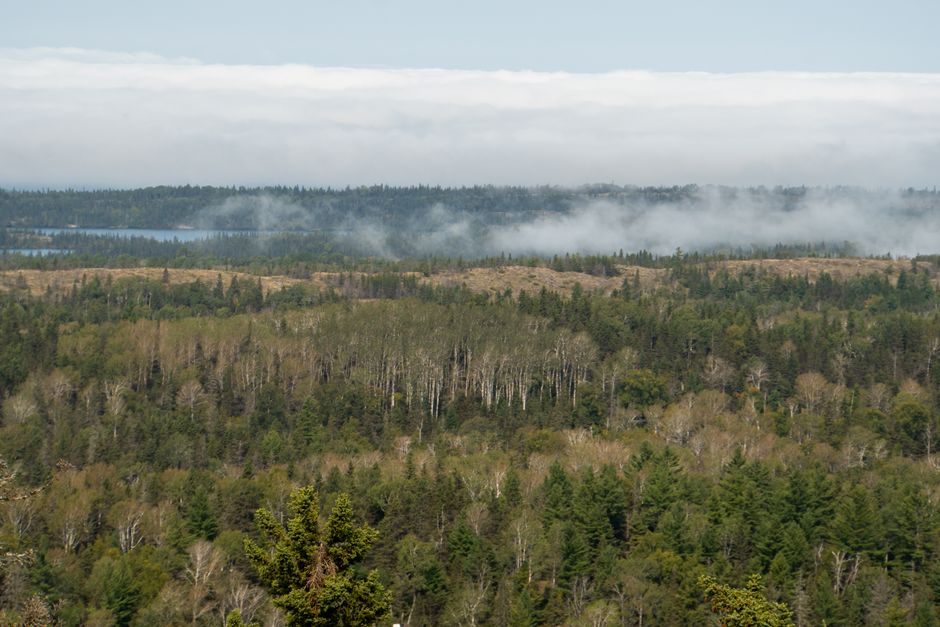
Isle Royale is a remote national park in Lake Superior, suited to visitors who want wilderness, hiking, and time away from roads. Getting there requires advance planning, and transportation options and operating seasons are limited compared with mainland attractions.
Check ferry or seaplane arrangements, park fees, camping rules, and lodging availability before committing to dates. The National Park Service information for Isle Royale explains access and trip planning. It is not usually a casual add-on to a short Upper Peninsula road trip.
Tip 14 – Look for lighthouses and maritime history
Lake Superior’s shoreline has a long maritime history, and lighthouses make memorable stops along a scenic drive. Some are visible from public land, while others offer tours during specific seasons. Read local access information before setting out, since not every lighthouse is open to visitors.
Pair a lighthouse visit with a harbor walk or local museum to understand the area’s shipping history. Keep in mind that some locations are remote and have limited services, so bring water and check your route before leaving town.
Tip 15 – Take a scenic drive, but keep distances realistic
Driving is often the simplest way to connect Upper Peninsula attractions. Routes may pass through forests, small communities, and long stretches with few services. Plan fuel and meal stops instead of assuming you will find an open business at every turn.
Build extra time into your schedule for roadwork, weather, wildlife, and unplanned viewpoints. A common visitor mistake is trying to see Pictured Rocks, Marquette, the Keweenaw, and the eastern waterfalls in just a couple of days. Choose one or two areas instead.
Tip 16 – Visit a local museum or mining heritage site
Small museums across the peninsula add useful context to its mining, shipping, and community history. The details differ from town to town, so choose a museum that matches the places you are visiting rather than trying to fit every stop into one itinerary.
Check opening hours before you go, especially outside the main summer season. A museum visit is also a practical rainy-day option and can help younger travelers understand how the region developed beyond its outdoor attractions.
Tip 17 – Sample whitefish and local dining
Lake Superior whitefish appears on many regional menus, often smoked, baked, or served as a sandwich. You will also find casual diners, cafes, and family-run restaurants in larger towns. Menus and opening hours can be limited in small communities, particularly in quieter months.
Ask about the catch and preparation if you have food allergies or preferences. In popular summer towns, eat earlier or reserve a table where possible. For budget meals, look for grocery stores and picnic spots rather than relying on restaurants for every meal.
Tip 18 – Choose a family-friendly outdoor day
Families can mix short waterfall walks, beach stops, scenic drives, and town visits without taking on a strenuous hike. Pick one main activity each day and keep a flexible backup plan in case of rain or tired children.
Bring snacks, refillable water bottles, sun protection, and an extra clothing layer. Check trail surfaces and restroom availability before promising a particular walk. Some remote attractions have few facilities, and cell service may be unreliable.
Tip 19 – Plan around the season and the weather
Summer is the easiest season for many visitors, with longer daylight and more open attractions, but it is also the busiest period. Autumn brings colorful foliage and cooler conditions. Spring can be muddy, while winter is better suited to travelers prepared for snow, cold, and seasonal closures.
Check forecasts close to departure and again each morning. Pack layers rather than relying on one heavy coat, and allow plans to change when roads or trails are affected. If visiting in a shoulder season, confirm that restaurants, tours, and lodging are operating.
Tip 20 – Make safety and local planning part of the trip
Save offline maps before leaving larger towns, as phone coverage can be patchy in remote areas. Keep a car charger, water, snacks, and a basic first-aid kit in your vehicle. For emergencies in the United States, call 911.
Respect wildlife and give animals plenty of space. Check yourself for ticks after time in tall grass or woods, and follow park guidance about bears and food storage. For road updates, consult the Michigan Department of Transportation travel information before long drives.
Visa & Entry Requirements
The Upper Peninsula is in Michigan, United States. Entry rules apply to the country as a whole, not specifically to the U.P., and they depend on the passport you hold and the government policies in force when you travel. U.S. citizens and visitors arriving from abroad may have different requirements, so do not rely on another traveler’s experience as a rule for your own trip.
Before booking, confirm whether your passport requires a U.S. visa or whether you may be eligible to travel under the Visa Waiver Program with an approved Electronic System for Travel Authorization (ESTA). Eligibility and permission to travel are not the same as a guarantee of admission. Start with the U.S. Department of State visa information and review relevant guidance from U.S. Customs and Border Protection. Use official government pages for final, current instructions.
Check that your passport is valid for the period required for your circumstances and has any necessary blank pages. Passport-validity rules, visa or electronic authorization requirements, permitted length of stay, and any vaccination or health measures can change and may vary by traveler. Check whether you should carry a return or onward ticket, accommodation details, and evidence that you can support your visit. These documents may be useful to have available, but they do not guarantee entry.
Travel insurance is worth considering for medical care, trip interruptions, and activities such as hiking or boating. Review customs rules before bringing food, plants, animal products, or other restricted items into the United States, and make any required declarations honestly. For the final answer about your situation, consult the official U.S. government sources or contact the nearest U.S. embassy or consulate. This general information is not legal advice.
Frequently Asked Questions
What are the best things to do in Upper Peninsula Michigan for a first visit?
For a first trip, consider Pictured Rocks, a waterfall stop near Munising, and time in Marquette. If you have more days, add either the Keweenaw Peninsula or the eastern U.P. instead of trying to cover every region at once.
How many days should I spend in the Upper Peninsula?
Three or four days can work for one area, such as Munising and Marquette. A week or longer gives you more time to include distant regions, take scenic stops, and adjust plans for weather.
Do I need a car to see the Upper Peninsula?
A car is strongly recommended for most visitors because attractions are spread out and public transportation is limited. Check rental availability and driving conditions before your trip, especially if traveling in winter.
When is the best time to visit?
Summer is popular for outdoor activities and open seasonal attractions. Autumn is a good option for fall colors and cooler walks. Spring and winter can be rewarding, but expect variable conditions and more seasonal closures.
Are the waterfalls easy to reach?
Some waterfalls have short paths from parking areas, while others need longer walks or stairs. Check current access details and choose stops that fit your group’s mobility, footwear, and available time.
Is the Upper Peninsula suitable for a budget trip?
It can be, especially if you travel outside peak dates, stay in one area, and pack picnic food for driving days. Fuel, lodging, tours, and ferry trips can add up, so include long distances and activity fees in your budget.
What is the most common tourist mistake?
Trying to see too much in too little time is a frequent mistake. The peninsula is large, and scenic roads take time. Base yourself in one or two areas and leave room for weather, meal stops, and slower travel.
Conclusion
The best things to do in upper peninsula michigan depend on how much time you have and what kind of trip you enjoy. You can focus on Lake Superior scenery around Munising, use Marquette as a city base, follow the Keweenaw’s historic roads, or plan a more remote national park visit.
Keep driving distances realistic, check conditions before outdoor activities, and book seasonal transport and accommodation ahead when needed. With a flexible plan and a few well-chosen stops, the Upper Peninsula makes a memorable Michigan trip for first-time visitors, families, and outdoor travelers alike.
