
Key Takeaways
- Watch sunrise from a boat on the Ganges for a unique perspective
- Explore ghats, temples and Sarnath to experience spiritual heritage
- Sample street food and Banarasi silk while navigating crowded lanes
- Plan two to three days, wear comfortable shoes, and respect local customs
things to do in varanasi range from watching sunrise over the Ganges to exploring ancient temples, lively lanes, and memorable local food. This historic city in Uttar Pradesh, India, can feel intense at first, but a little planning makes it easier to enjoy.
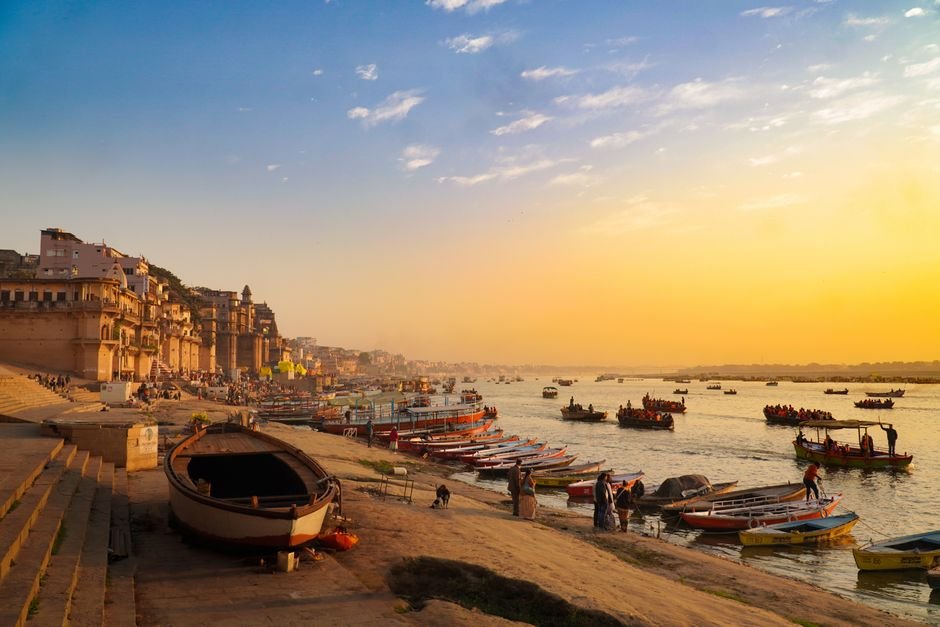
Varanasi is one of Hinduism’s most important pilgrimage destinations and one of the world’s oldest continuously inhabited cities. Its riverfront ghats, sacred ceremonies, and everyday street life sit close together, so even a short walk can offer a striking mix of sights and sounds.
First-time visitors should allow at least two full days, wear comfortable shoes, and leave room for unplanned stops. The old city is crowded and its lanes can be confusing, but the experience is rewarding when you take it at a steady pace.
Use this guide to plan the best things to do in Varanasi, including key attractions, food, local customs, transport, and practical tips for a more comfortable visit.
For official destination information, browse India’s official tourism website. If you are planning other city breaks as well, our guide to 20 Fun and Best things to do in chatham offers ideas for a very different kind of trip.
20 Things to Do in Varanasi
Varanasi rewards curious visitors, but it is not a city to rush through. These practical tips will help you balance famous landmarks with quieter moments and everyday local experiences.
Tip 1 – Watch the sunrise from a boat on the Ganges
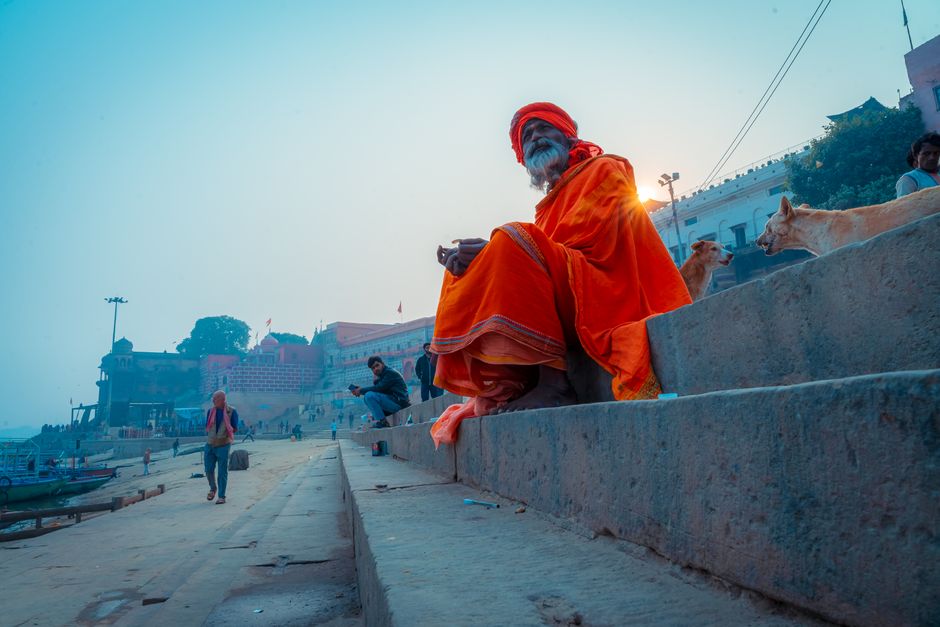
A sunrise boat ride gives you a broad view of the ghats as the city wakes up. You may see people bathing, praying, stretching, or preparing for the day along the river. The changing light is beautiful, but the riverfront is also a place of worship and daily life, so watch quietly and follow your boat operator’s guidance.
Agree on the route, duration, and total price before you set off. Boats can be shared or private, and prices vary by season and bargaining. Choose a licensed or hotel-recommended operator where possible, wear a life jacket if one is provided, and keep your phone secure over the water.
Tip 2 – Walk along the ghats
Varanasi’s ghats are stone steps leading down to the Ganges, each with its own mood and activity. Dashashwamedh Ghat is among the busiest, while Assi Ghat has a more relaxed feel and is popular with students, visitors, and morning walkers.
Walk at a comfortable pace and be prepared for uneven steps, wet patches, and sudden crowds. Some riverfront areas are associated with cremation rites. Give families privacy, do not take close-up photographs of ceremonies, and follow any signs or requests from local people.
Tip 3 – See the Ganga Aarti at Dashashwamedh Ghat
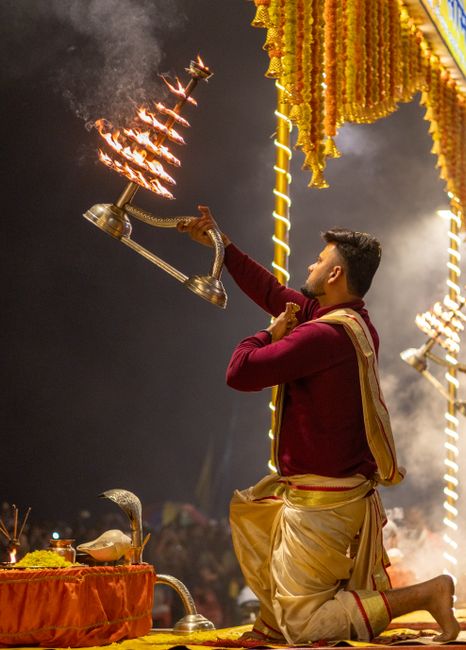
The evening Ganga Aarti is a devotional ceremony of lamps, chanting, bells, and carefully coordinated movement. Dashashwamedh Ghat draws large crowds, especially during holidays and festival periods, so arrive early if you want a place on the steps.
You can watch from the ghat or from a boat, but either option can be crowded. Keep your belongings close and avoid blocking worshippers or local residents. The ceremony is a religious practice, not a staged show, so take photos respectfully and follow the instructions of officials.
Tip 4 – Visit Kashi Vishwanath Temple
Kashi Vishwanath Temple is one of Varanasi’s most important Hindu temples and a major pilgrimage site. The temple complex is close to the old-city lanes and the riverfront. Check the temple’s official visitor information before you go, as entry procedures, timings, security checks, and access rules may change.
Allow extra time for queues and security. Carry only what is permitted, dress modestly, and follow the instructions of temple staff. Non-Hindu visitors should check current access rules in advance rather than assume every part of the complex is open to all visitors.
Tip 5 – Explore the old-city lanes
The narrow lanes behind the ghats are filled with small shrines, shops, food stalls, and everyday neighborhood activity. Getting a little lost is common, but it can also lead to a memorable tea stop or a quiet courtyard. Use a map to get your bearings, then ask a shopkeeper or guide for help when needed.
Some lanes are too narrow for cars and can be busy with scooters, handcarts, and pedestrians. Step aside when traffic approaches, keep valuables out of sight, and avoid following strangers who offer unsolicited tours or special access.
Tip 6 – Visit Sarnath, where the Buddha taught
Sarnath is about 10 kilometres from central Varanasi and makes a worthwhile half-day trip. This important Buddhist site includes the remains of ancient monasteries, the Dhamek Stupa, a museum, and peaceful grounds that feel very different from the busy riverfront.
Check opening days and ticket information before travelling, especially if you want to visit the museum. You can hire a taxi, use a local auto-rickshaw, or arrange transport through your accommodation. Agree on the fare and return plan before leaving the city centre.
Tip 7 – Spend time at Assi Ghat
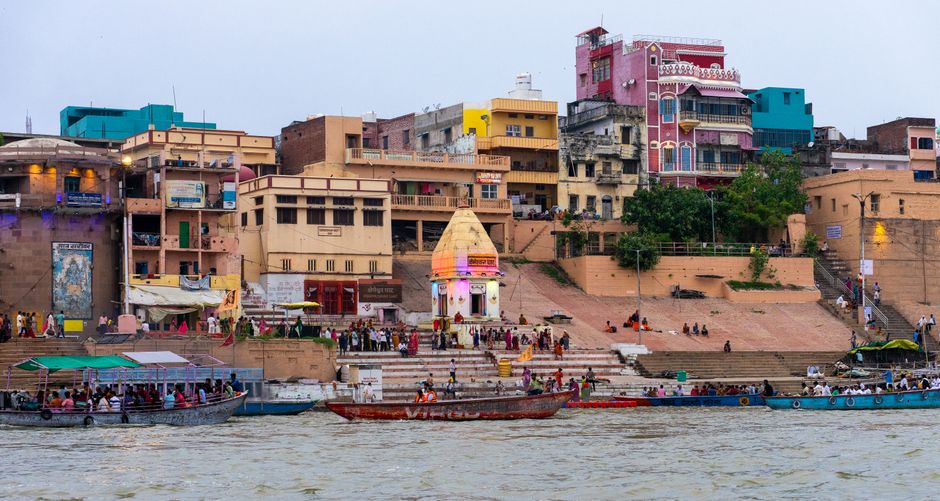
Assi Ghat is a pleasant place to begin the day, sit by the river, or take a break from the more crowded central ghats. Depending on the day and season, you may find morning yoga, music, small ceremonies, and tea sellers nearby.
Arrive early for cooler air and a calmer atmosphere. Activities and event schedules can change, so treat organized performances as a bonus rather than a certainty. Keep the riverfront clean and take your rubbish with you.
Tip 8 – Try a guided heritage walk
A knowledgeable local guide can explain the history, religious traditions, architecture, and daily customs that are easy to miss when walking alone. A good walk may include selected ghats, temple exteriors, historic houses, and local markets without rushing through them.
Choose a guide recommended by your hotel, a recognized tour operator, or a trusted visitor service. Confirm the route, length, price, and what is included before starting. A small-group walk can be a useful option for first-time visitors who feel unsure about navigating the old city.
Tip 9 – Sample Varanasi street food
Local specialties include kachori sabzi, tamatar chaat, baati chokha, seasonal sweets, and a range of snacks sold in busy markets. Lassi shops are also popular, while Banarasi paan is a well-known local treat for those who want to try it.
Choose busy food stalls where dishes are cooked fresh and served hot. If you have a sensitive stomach, start with small portions and avoid tap water, ice of uncertain origin, and raw foods that may have been washed in untreated water. Ask about ingredients if you have allergies or dietary restrictions.
Tip 10 – Make time for a Banarasi silk shop
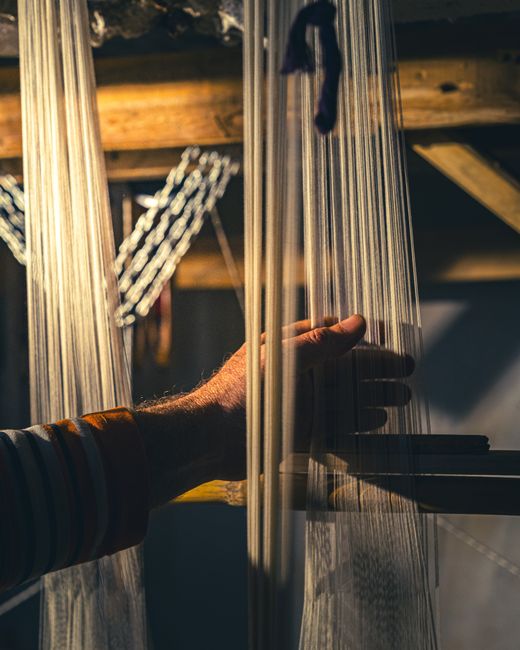
Varanasi is known for Banarasi silk weaving and richly patterned saris. A visit to a reputable shop or weaving centre can help you learn how different fabrics and designs are made, even if you are not planning to buy.
Prices vary widely by material, workmanship, and design. Ask clearly whether an item is pure silk, a blend, or a different fabric, and request a receipt. Take your time comparing options rather than feeling pressured to make a purchase.
Tip 11 – Visit Ramnagar Fort
Ramnagar Fort stands across the river from the main city and offers a change of pace from the crowded lanes. The historic complex is associated with the former rulers of Varanasi and includes a museum collection. Its condition and displays may feel less polished than those at major national museums, so visit for the setting and local history rather than expecting a modern exhibition.
Check current opening times before making the trip. Travel by road or river depending on conditions and availability, and confirm your return transport before you leave the city centre.
Tip 12 – See the collections at Bharat Kala Bhavan
Bharat Kala Bhavan, located within Banaras Hindu University, has collections of art, textiles, sculpture, and historical objects. It is a good choice for visitors who want to understand the wider cultural history of the region beyond the ghats and temples.
Opening arrangements can vary, so check ahead before travelling to the university campus. Leave enough time for entry procedures and the journey across the city, particularly during busy traffic periods.
Tip 13 – Take a quiet break at Banaras Hindu University
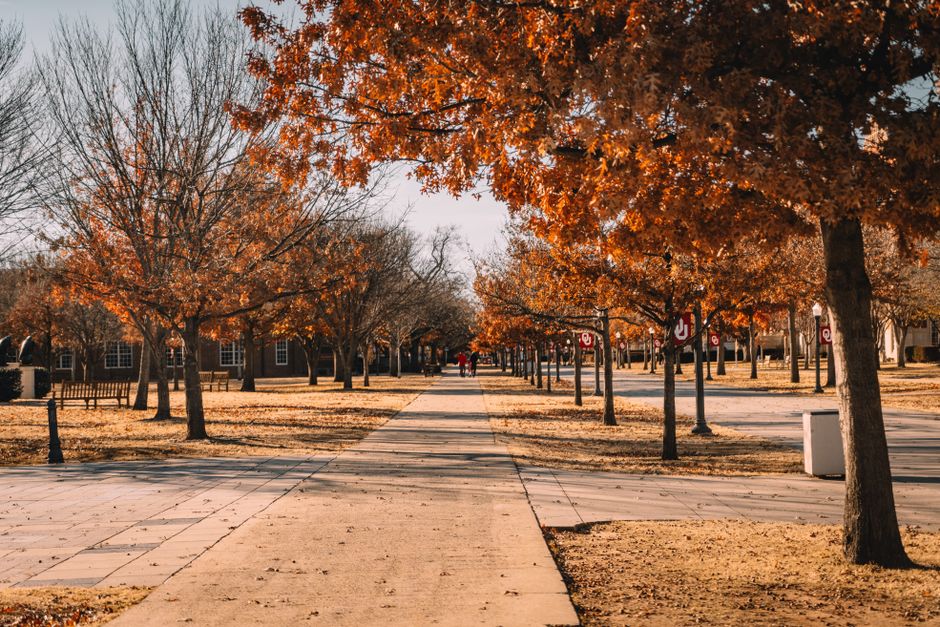
Banaras Hindu University, often called BHU, has a large campus with broad roads and a calmer atmosphere than the old city. A visit can be paired with Bharat Kala Bhavan or a walk around the university area. Remember that this is an active educational campus, so be considerate of students and staff.
Use an auto-rickshaw or taxi to reach the campus, and allow for traffic on the way back. The campus is large, so plan the places you want to see instead of expecting to cover it all on foot.
Tip 14 – Explore the markets near Godowlia
The busy shopping lanes around Godowlia and the old city sell textiles, sweets, religious items, brassware, and everyday goods. Even if you do not plan to shop, the area offers a close look at the city’s commercial life.
Expect crowds and narrow walkways, especially in the evening. Keep bags zipped and close to you, agree on prices before buying, and step into a shop entrance if you need to check your route without blocking foot traffic.
Tip 15 – Try a traditional breakfast
Start early with kachori sabzi or another local breakfast, followed by chai. Many food shops are busiest in the morning, and trying breakfast in a neighborhood market can be a simple way to experience the city’s daily rhythm.
Ask your accommodation for a nearby place with fresh turnover. If you are not used to spicy food, say so when ordering, though dishes may still have some heat. Carry drinking water from a sealed bottle.
Tip 16 – Choose the right season for your visit
October to March is generally the most comfortable period for exploring Varanasi, although winter mornings can be cool and fog may affect visibility or transport. April to June can be very hot, making early starts and midday rest important. The monsoon months bring rain and humidity, and river levels or boat services can be affected.
Check the forecast close to your trip and be flexible with boat plans. Major festivals can make the city especially lively, but also much busier, with higher demand for rooms and transport.
Tip 17 – Get around with a little planning
Walking is often the best way to explore the ghats and old-city lanes, but distances can be longer than they look and the ground is uneven. Auto-rickshaws and cycle-rickshaws are useful for reaching areas beyond the lanes. Taxis and app-based rides may be more convenient for longer journeys, depending on availability.
Confirm fares before starting a trip if the vehicle has no meter or the price is not shown in an app. Keep your accommodation address saved offline, and allow extra time for traffic when travelling to the airport, railway station, or Sarnath.
Tip 18 – Plan a comfortable and respectful visit
Wear light, modest clothing that is comfortable in the heat and suitable for visiting religious places. Choose shoes that are easy to remove when required, and take a small day bag with water, sun protection, hand sanitizer, and any personal medication.
Ask before photographing people, especially during prayer or private ceremonies. Follow temple and ghat rules, avoid touching religious objects without permission, and do not leave offerings or rubbish in the river. These small choices make your visit more respectful.
Tip 19 – Prepare for crowds and protect your belongings
Varanasi is generally busy, and large gatherings can become particularly dense around Dashashwamedh Ghat, major temples, and festivals. Keep your phone and wallet secure, use a cross-body bag or money belt, and carry only what you need for the day.
Use a trusted guide or arranged transport if you feel uncomfortable navigating after dark. Keep your hotel address and a charged phone with you. For urgent emergencies in India, call the national emergency number 112.
Tip 20 – Avoid the most common Varanasi travel mistake
The most common mistake is trying to fit the entire city into one rushed day. Varanasi is noisy, crowded, and emotionally powerful, and visitors often need time to rest and process what they see. Plan one or two main activities each day and leave gaps between them.
Book your accommodation and major transport ahead during busy festival periods, but keep your daily schedule flexible. If you want a boat ride or guided walk, confirm the details in advance and keep a backup plan in case weather or river conditions change.
Quick Reference for Visiting Varanasi
| Topic | Practical guidance |
|---|---|
| Location | Varanasi is in Uttar Pradesh, northern India. |
| Suggested visit | Allow two or three days for the ghats, temples, food, and a trip to Sarnath. |
| Best season | October to March is generally more comfortable for walking, though winter mornings may be cool or foggy. |
| Getting around | Walk in the old city and use auto-rickshaws, taxis, or app-based rides for longer journeys. |
| Local food | Try kachori sabzi, tamatar chaat, baati chokha, lassi, and Banarasi sweets from busy, clean vendors. |
| Useful preparation | Carry comfortable shoes, modest clothing, sun protection, a charged phone, and a saved hotel address. |
| Emergency number | Call 112 for urgent emergencies in India. |
Visa & Entry Requirements
Varanasi is in India, and entry requirements depend on the passport you travel with and the rules in force at the time of your trip. Visa exemptions, visa-on-arrival arrangements, and electronic travel authorizations are not the same for every nationality. Check the official Indian visa website and the Indian embassy or consulate responsible for your place of residence before booking or travelling. Do not rely only on airline summaries or old travel articles.
Check that your passport will remain valid for the period required by the Indian authorities and that it has enough blank pages for entry and exit stamps, if applicable. Confirm whether you need a visa, an e-Visa, or another authorization, and make sure your travel dates and permitted length of stay match your plans. If you are entering India more than once, check that your authorization allows the intended number of entries.
Keep copies of your return or onward ticket and accommodation details. Border officials may ask about your plans or supporting documents, although the exact checks can vary. Travel insurance is sensible for medical costs, delays, and lost belongings, but it does not replace any government entry requirement.
Vaccination recommendations and any health-related entry measures can change. Check current advice from official Indian government sources and a qualified travel health professional, especially if you have a medical condition or are arriving from a country affected by a specific health rule. Rules for medicines, food, cash, valuable goods, and other customs declarations also depend on the item and current policy. Review official customs guidance before packing anything that may be restricted or require declaration.
Keep digital and printed copies of important documents, and make sure your name and passport details match across bookings. Requirements can change without much notice, so recheck them shortly before departure. This is general travel information, not legal advice, and only the relevant Indian government authority can confirm the rules that apply to your circumstances.
Frequently Asked Questions
How many days should I spend in Varanasi?
Two full days is a good starting point for seeing the ghats, attending the Ganga Aarti, visiting Kashi Vishwanath Temple, and trying local food. Add another day if you want a relaxed visit to Sarnath or time to explore museums and markets.
What are the best things to do in Varanasi for first-time visitors?
Take an early boat ride, walk along the ghats, watch the Ganga Aarti, explore the old-city lanes, and try a local breakfast. If you have more time, visit Sarnath for a quieter change of pace.
Is Varanasi safe for tourists?
Many visitors travel to Varanasi without problems, but the busy lanes and crowds call for ordinary precautions. Keep valuables secure, use trusted transport, take care on wet or uneven steps, and be respectful around religious ceremonies. Solo travelers may prefer a well-reviewed guide for their first walk through the old city.
When is the best time to visit Varanasi?
October to March is usually the most comfortable season for sightseeing. Summers can be extremely hot, while monsoon rain and high humidity may affect walking and boat plans. Winter fog can also delay flights or trains, so leave extra time for connections.
Can visitors take a boat ride on the Ganges?
Yes, sunrise and evening boat rides are common, but availability and river conditions vary. Agree on the price and route before departure, use an operator you trust, and follow safety instructions. Do not assume a boat service will run in every weather condition.
What should I wear in Varanasi?
Choose breathable, modest clothing and comfortable shoes that are easy to remove at religious sites. A light scarf can be useful, and shoes with good grip help on uneven steps. Bring sun protection in warmer months and a light layer for cool winter mornings.
What is the most important local custom to remember?
Treat the ghats and temples as active places of worship, not just visitor attractions. Ask before photographing people, never intrude on private rites, and follow posted or spoken guidance. Keep the riverfront clean and dress respectfully when visiting religious sites.
Conclusion
The best things to do in Varanasi are not limited to a checklist of temples and landmarks. A boat ride at sunrise, an evening by the ghats, a walk through the old lanes, and a simple local breakfast can together give you a fuller sense of the city.
Plan around the heat and crowds, leave time to rest, and approach religious places with care. Varanasi can be demanding, but a thoughtful visit makes room for its history, daily life, and remarkable riverfront setting.
Whether you stay for a weekend or several days, use these things to do in Varanasi as a flexible guide rather than a strict schedule. Take your time, follow local guidance, and let the city unfold at its own pace.
