
Key Takeaways
- Explore Burlington waterfront and Church Street for easy lake and city experiences.
- Hike Green Mountain trails and visit covered bridges for scenic outdoor adventures.
- Enjoy Lake Champlain swimming, paddling, and island visits, with safety checks.
- Use a car as base, plan realistic travel times, and pack for changing weather.
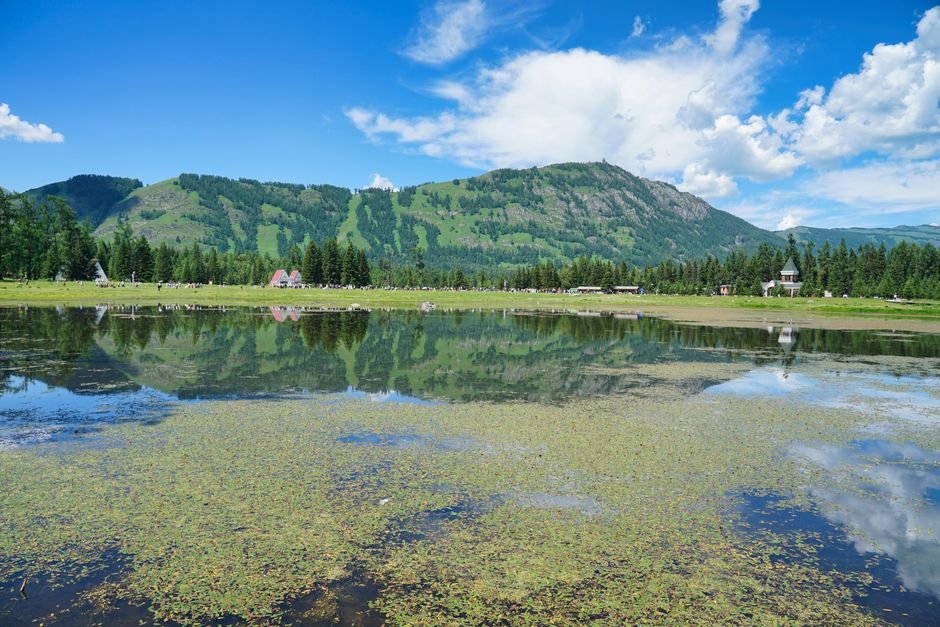
things to do in vermont in summer range from swimming in Lake Champlain to hiking Green Mountain trails and tasting fresh maple treats. Vermont is a small state in the northeastern United States, and Burlington is its largest city and a useful base for exploring.
Summer brings long daylight hours, farmers markets, mountain views, swimming spots, and busy village greens. The season is also popular, so reserve lodging and activities early in peak weeks, especially around July and August.
Vermont is rural, and getting between towns can take longer than the map suggests. A car makes it easier to visit trailheads, lakes, and small communities, while Burlington and some resort areas offer walkable places to stay. This guide covers statewide highlights, with practical advice for planning a first visit.
20 Best Things to Do in Vermont in Summer
Use these ideas to build a relaxed itinerary around the Green Mountains, Lake Champlain, and Vermont’s small towns. Choose a region or two rather than trying to cover the whole state in a short trip.
Tip 1 – Explore Burlington’s waterfront
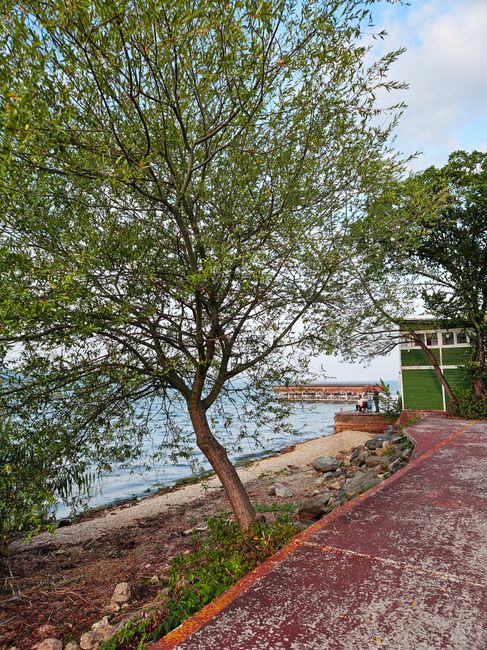
Burlington’s Lake Champlain waterfront is an easy place to start. Walk the lakeside paths, relax at Waterfront Park, or watch the light change over the water. The area is close to downtown restaurants and Church Street Marketplace, so you can combine a stroll with a meal or shopping.
Summer evenings can be busy, especially when events are scheduled. Check local listings before you go, and leave time to find parking if you are driving.
Tip 2 – Walk Church Street Marketplace
Church Street is a pedestrian-friendly stretch in central Burlington, with independent shops, cafés, street performers, and restaurants. It is a comfortable introduction to the city and works well for a casual afternoon or dinner.
Expect more crowds at lunchtime and on weekends. If you want a quieter visit, arrive earlier in the day or explore the side streets nearby.
Tip 3 – Get out on Lake Champlain

Lake Champlain is one of the signature summer landscapes in Vermont. Depending on the location and weather, you can swim, paddle, sail, or take a boat cruise. Burlington-area beaches and parks offer convenient access, while quieter shoreline spots can be found farther from town.
Water conditions, beach facilities, and seasonal boat schedules vary. Check local advisories and operator hours before setting out, and use a life jacket for boating and paddling.
Tip 4 – Hike in the Green Mountains
Vermont’s Green Mountains have trails for many experience levels, from short woodland walks to steep summit climbs. Popular areas include the Green Mountain National Forest and state parks, but trail conditions can change after rain.
Wear sturdy shoes, carry water, and bring a paper map or an offline map on your phone. Choose a route that fits your fitness and the day’s weather. The U.S. Forest Service shares information about the Green Mountain National Forest.
Tip 5 – Visit a Vermont farmers market
Farmers markets are an enjoyable way to sample local produce, baked goods, flowers, cheese, and prepared food. Markets take place in towns across Vermont, often on a weekly schedule during the warmer months.
Bring a reusable bag and some cash, though many vendors also accept cards. Check each town’s current schedule because market days and vendor lists can change from week to week.
Tip 6 – Taste maple treats and local food
Maple is part of Vermont’s food culture, and summer is a good time to try maple creemees, a soft-serve ice cream treat, or maple-flavored baked goods. You will also find farm cheeses, seasonal berries, cider, and menus built around local ingredients.
Some sugarhouses are most active during the spring sugaring season, so check opening hours before making a special trip. For a simple meal, look for a farm stand or a casual local café along your route.
Tip 7 – Spend a day in Stowe
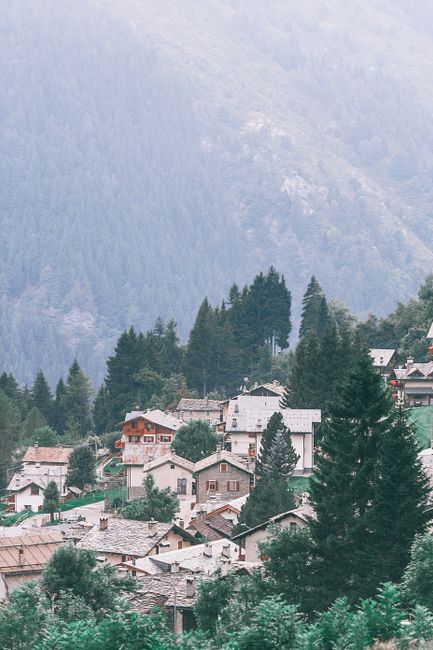
Stowe is a popular base for mountain scenery, outdoor activities, and a walk through a classic Vermont village. In summer, visitors come for hiking, biking, scenic drives, and mountain-resort activities. The village is compact, but attractions and trailheads are spread across the area.
Book accommodation early for summer weekends. If you plan to hike, check trail access and weather on the day, and avoid assuming that a short distance on the map means a quick drive on mountain roads.
Tip 8 – See a covered bridge
Covered bridges are a familiar part of Vermont’s rural scenery. They make a pleasant stop on a scenic drive, especially when paired with a village visit or a picnic. Quechee and the Woodstock area are common places to include on a central Vermont route.
Use designated parking and do not stop in the roadway to take photos. Some bridges are still used by local traffic, so give vehicles and pedestrians room.
Tip 9 – Explore Woodstock and nearby historic sites
Woodstock is known for its village center, historic buildings, independent shops, and access to nearby countryside. Billings Farm & Museum offers a look at Vermont’s agricultural history, while nearby trails provide options for a longer outdoor day.
Check opening dates and hours before visiting, since seasonal schedules can vary. The National Park Service has visitor information for Marsh-Billings-Rockefeller National Historical Park.
Tip 10 – Visit a swimming hole or state park
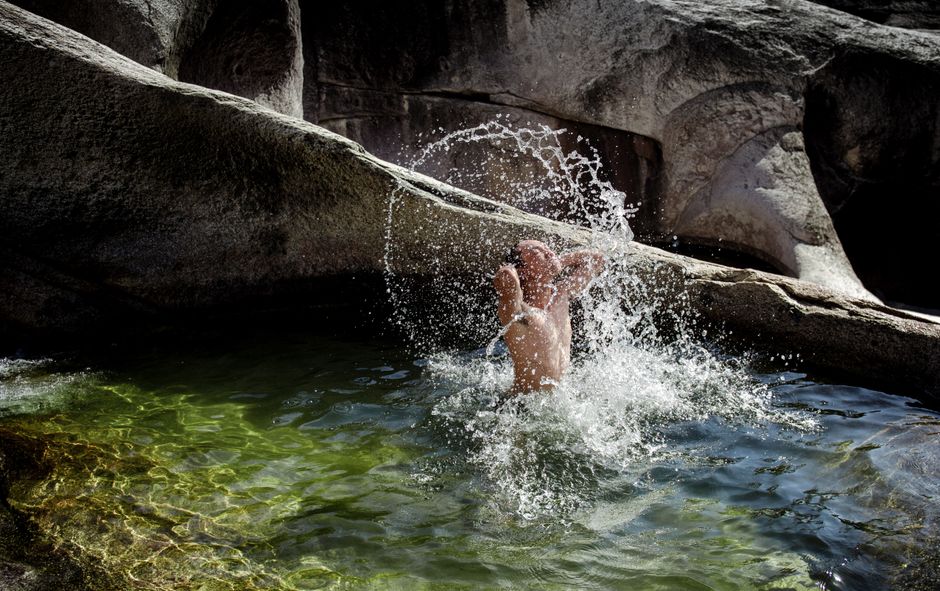
Vermont state parks and local swimming areas offer a refreshing break on hot days. Some sites have lifeguards, restrooms, and picnic areas, while natural swimming holes may have limited facilities and slippery rocks.
Follow posted rules, avoid jumping into unfamiliar water, and take all rubbish with you. Check the Vermont State Parks website for current access, fees, and facility details before you travel.
Tip 11 – Take a scenic drive through the countryside
Rural roads connect mountain views, small towns, farms, and covered bridges. Plan a scenic drive through one region rather than trying to cross the state in a day. Routes around the Champlain Valley, Mad River Valley, and central Vermont offer different landscapes.
Allow extra time for narrow roads, roadwork, and photo stops. Fill up the tank before heading into less populated areas, where fuel stations may be farther apart.
Tip 12 – Try a local brewery or cider tasting
Vermont has a strong craft beverage scene, including breweries, cider makers, and tasting rooms. Many are in small towns or countryside settings, so check transport options before you go and choose a designated driver if your group is sampling drinks.
Some tasting rooms require reservations or have limited hours. Non-alcoholic drinks and food options vary, so check the venue’s current details if those matter to your plans.
Tip 13 – Visit the Champlain Islands

The Champlain Islands, north of Burlington, are a quieter option for lakeside scenery, cycling, farm stands, and relaxed picnics. The landscape is flatter than the Green Mountains, making it appealing for an easy drive or a leisurely bike ride.
Bring sun protection and water, and check ferry or bridge arrangements if your route includes an island crossing. The Lake Champlain ferry service lists routes and operating information, but schedules can change by season and weather.
Tip 14 – Go cycling on quiet country roads
Vermont’s back roads can be scenic for cycling, particularly around the Champlain Valley and rural village areas. Riders should be comfortable sharing narrow roads with cars, farm equipment, and occasional gravel sections.
Wear a helmet, use lights when visibility is low, and plan a route that matches your ability. On a hot day, carry more water than you think you need and identify places to refill along the way.
Tip 15 – Choose a family-friendly outdoor day
Families can combine an easy nature walk, a beach visit, and a stop for ice cream without trying to pack too much into one day. Look for parks with restrooms and picnic tables if you are traveling with young children.
Keep a flexible plan for rainy weather. A small-town museum, farm visit, or indoor activity can be a useful backup, but check age suitability, reservations, and opening hours first.
Tip 16 – Make room for a rainy-day activity
Summer weather can shift quickly, especially in the mountains. Keep one indoor option in mind, such as a museum, local gallery, historic site, or café in the town where you are staying.
Do not start a long hike if storms are forecast. Check the forecast before leaving and be ready to change plans rather than waiting out severe weather on an exposed trail.
Tip 17 – Plan a budget-friendly Vermont day
A low-cost day can include a short hike, a picnic from a grocery store or farm stand, and a walk through a village or public park. Many scenic drives and public outdoor spaces do not require a paid tour, though parking or park entry fees may apply at some sites.
Accommodation is often the largest trip expense in peak summer. Staying outside the busiest resort areas and traveling on weekdays can help, but compare the added driving time before booking.
Tip 18 – Use Burlington as a practical base
Burlington works well for travelers who want restaurants, shops, lake access, and a lively downtown within a compact area. It can also serve as a starting point for day trips, although driving to mountain towns or other regions takes time.
For a small-town-focused itinerary in another part of the United States, you can also read this guide to 20 Fun and Best things to do in hastings mn. It is a separate destination, so plan it as an additional trip rather than a nearby Vermont stop.
Tip 19 – Get around with realistic transport plans
A rental car is the most flexible way to reach many Vermont trailheads, lakes, and villages. Burlington has local bus service, but public transport is limited in many rural areas. Do not assume a bus or rideshare will be available at a remote trailhead.
Download maps for offline use, check road closures, and confirm parking details. If you are visiting without a car, stay near the places you plan to see and arrange any tours or transfers in advance.
Tip 20 – Pack for changing weather and avoid the common mistake
Bring layers, a light rain jacket, comfortable walking shoes, sun protection, insect repellent, and a refillable water bottle. A warm layer is useful even in summer, especially for early mornings, evenings, and higher elevations.
A common tourist mistake is trying to visit Burlington, Stowe, Woodstock, and the Champlain Islands in a single day. Distances, winding roads, meals, and stops add up. Choose one area each day and leave room for a weather change or an unexpected local discovery.
Quick Reference for a Vermont Summer Trip
| Plan | Useful details |
|---|---|
| Best overall season | June to early September for warm-weather activities, with busy periods around holidays and summer weekends |
| Good first base | Burlington for Lake Champlain, restaurants, and city amenities |
| Mountain base | Stowe or another resort town for hiking and mountain activities |
| Getting around | A car is helpful for rural areas; local transit is more useful in Burlington than in the countryside |
| Book ahead | Summer lodging, popular tours, and activities with limited daily capacity |
| Bring | Layers, rain protection, comfortable shoes, water, sun protection, and offline maps |
Practical Summer Travel Advice for Vermont
When is the best time to visit?
June through August is the warmest and busiest period for hiking, lake activities, outdoor dining, and village events. September can bring cooler days and early fall color, although it is outside the main summer season. Weather varies, so check a forecast close to your travel dates.
What should you book in advance?
Reserve accommodation early for July and August, holiday weekends, and popular resort towns. Book boat trips, guided activities, and special dining experiences ahead when possible. Always confirm cancellation policies and seasonal operating dates.
How do you get around Vermont?
Driving is the easiest way to reach many outdoor attractions and small towns. Burlington offers local public transportation, but rural routes and late-evening service are limited. Use a navigation app for driving, download maps for offline use, and check road conditions before heading into the mountains.
Is Vermont safe for visitors?
Vermont is generally a comfortable destination for travelers, but outdoor safety needs attention. Tell someone your hiking plan, carry water and a charged phone, and turn back if conditions worsen. On rural roads, drive carefully around cyclists, wildlife, and farm vehicles. Call 911 for an emergency in the United States.
What local customs and phrases are useful?
English is the main language. A friendly “hello,” “please,” and “thank you” are appreciated, and tipping is customary at sit-down restaurants and for many service workers in the United States. Ask before entering private land, since countryside scenery does not mean that a field or driveway is public access.
What are useful apps and services?
Use a reliable maps app for directions, but download offline maps before rural drives or hikes. Check official park and attraction pages for current hours and closures. Weather apps are useful, but conditions in the mountains can differ from those in Burlington, so look at the forecast for the specific area you plan to visit.
Visa & Entry Requirements
Vermont is part of the United States, so international travelers must meet U.S. entry requirements before traveling. Visa, passport-validity, authorization, vaccination, customs, and length-of-stay rules depend on the traveler’s passport and current government policy. Requirements can change, so do not rely on advice written for a different nationality or an earlier trip.
Check the U.S. Department of State’s official U.S. visa information and the U.S. Customs and Border Protection website before booking. These government sources explain visa categories, visa-waiver travel, admission procedures, and border requirements. If you are unsure which rules apply, contact the nearest U.S. embassy or consulate for guidance specific to your circumstances.
Before departure, confirm that your passport is valid for the period required for your travel circumstances and that it has any blank pages required by your passport issuer or destination process. Check whether you need a visa or an electronic travel authorization, and complete any application through an official government channel. An approved travel authorization is not the same as a guarantee of admission.
Keep details of your return or onward travel and accommodation available in case officials ask about your plans. Travel insurance is not a substitute for required entry documents, but it can help with unexpected medical or trip costs. Review current U.S. rules for medications, food, agricultural products, and other goods you plan to bring, and make customs declarations when required. Vaccination and other health rules should also be checked against current official guidance. Confirm permitted length of stay and any conditions attached to your admission. This is general travel information, not legal advice; official government sources are the final reference.
FAQs About Things to Do in Vermont in Summer
What are the best things to do in Vermont in summer for a first visit?
Combine Burlington’s waterfront and Church Street with a Green Mountain hike, a small-town visit, and time beside Lake Champlain. Pick one or two regions so you are not spending the whole trip in the car.
Is Vermont worth visiting in summer?
Yes, especially if you enjoy outdoor activities, small towns, scenic drives, and local food. Summer brings warm-weather access to trails and lakes, though popular areas can be busy and accommodation may cost more.
Do you need a car to visit Vermont?
A car is useful for exploring beyond Burlington because many villages, trailheads, and swimming areas have limited public transport. Travelers without a car can base themselves in Burlington and arrange tours or transfers in advance.
How many days should you spend in Vermont?
Three or four days can cover one region at a relaxed pace. A week gives you more time to combine Burlington, the mountains, and a few rural towns without making every day a long drive.
What are some free things to do in Vermont in summer?
Walk village centers, enjoy public waterfront paths, visit some public parks, and explore hiking trails where access is free. Check parking rules and park fees, since costs vary by location.
What should I pack for a summer trip to Vermont?
Pack layers, a rain jacket, comfortable shoes, sun protection, insect repellent, and a reusable water bottle. Add hiking gear if you plan to take longer trails, and bring a warm layer for cool mornings and evenings.
Conclusion: Enjoy the Best Things to Do in Vermont in Summer
Vermont rewards travelers who leave room for both well-known stops and slower days. Walk Burlington’s waterfront, hike a suitable mountain trail, sample local food, and spend time in the villages and lake areas that interest you most.
For a smoother trip, book busy-season accommodation early, check current schedules, and plan around realistic driving times. With a flexible itinerary and weather-ready packing, the best things to do in Vermont in summer can fit into a trip that feels relaxed rather than rushed.
