
Key Takeaways
- Walk the lakefront and see the iconic Wanaka Tree for easy scenic views.
- Hike Roys Peak or Mount Iron for alpine panoramas, planning for weather and time.
- Enjoy lake activities, island trips, vineyards and family-friendly attractions throughout summer and ski seasons.
- Pack layers, check road and track conditions, and book accommodation early during busy periods.
things to do in wanaka range from walking beside a clear alpine lake to climbing a mountain with wide views of New Zealand’s Southern Alps. This small town on the South Island is a rewarding stop for outdoor adventures, relaxed meals and scenic day trips.
Wānaka sits in the Otago region, about an hour’s drive from Queenstown. It feels quieter than its famous neighbour, but summer and ski seasons can still bring busy roads and full accommodation. A little planning helps you enjoy the lake and mountains at your own pace.
This guide covers the best activities, practical transport advice, seasonal tips and local details to help you plan your stay in Wānaka, New Zealand.
20 Things to Do in Wanaka
Tip 1 – Walk the Wānaka lakefront

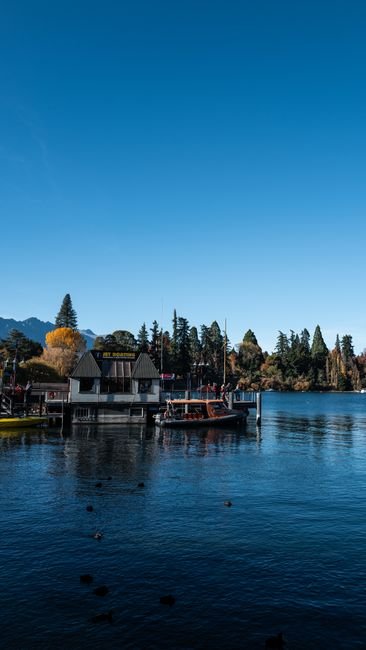
The lakefront path is an easy way to get your bearings. Start near the town centre and follow the shore for views of Lake Wānaka and the mountains. You can make it a short stroll or continue along the water for a longer walk.
Early morning and late afternoon are lovely times to visit, when the light changes across the lake. Bring a warm layer, even on a sunny day, as the breeze can feel cool near the water.
Tip 2 – See That Wānaka Tree
The famous willow tree grows in the lake near the southern end of the Wānaka waterfront. It is an easy walk from town and a popular place for photographs, especially around sunrise and sunset.
Expect other visitors at busy times, and keep to the shore rather than entering the water or climbing on the tree. The view is attractive from several spots along the path, so you do not need to crowd the closest viewpoint.
Tip 3 – Hike Roys Peak for a big alpine view
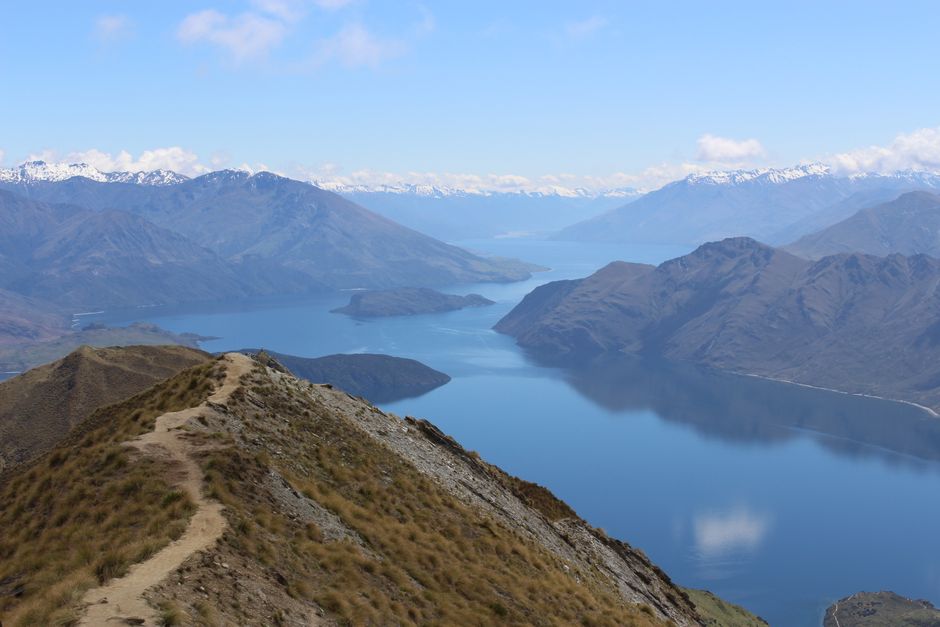
Roys Peak Track is one of the area’s best-known hikes. The steep climb rewards prepared walkers with sweeping views over Lake Wānaka and the surrounding ranges. Allow most of a day for the return walk, including breaks and travel to the trailhead.
The track is exposed, with little shade, and can be challenging in hot, windy or icy conditions. Check current track information before leaving, carry water, food and layers, and start early. Seasonal closures may apply during lambing, so confirm access with the Department of Conservation (DOC) before setting out.
Tip 4 – Take the shorter climb up Mount Iron
Mount Iron is a useful option if you want a hilltop view without committing to a full-day hike. The loop track climbs through open tussock and offers views across Wānaka, the lake and the Clutha River basin.
Allow around one to two hours, depending on your pace and how long you stop at the top. The path is steep in places, so wear shoes with a good grip and take water.
Tip 5 – Get out on Lake Wānaka
Seeing the town from the water gives you a different view of the mountains and shoreline. In summer, you can look for guided kayaking, paddleboarding, boat trips and scenic cruises from local operators.
Conditions can change quickly on the lake. Check the forecast, use a life jacket and follow the operator’s advice. If you are not experienced on the water, a guided trip is a sensible choice.
Tip 6 – Visit Mou Waho Island
Mou Waho is a predator-free island in Lake Wānaka, known for native wildlife and a small lake on the island itself. Boat trips usually include time to walk uphill to a viewpoint, making this a memorable half-day outing.
Trips depend on weather and availability, so book ahead in busy periods. Wear walking shoes and bring a windproof layer. Follow biosecurity instructions and do not carry food or gear that could introduce pests to the island.
Tip 7 – Cycle a lakeside or river trail

Wānaka has cycling options for different fitness levels, from relaxed rides near town to longer routes along the lake and the Clutha River. Rent a bike locally, ask about the trail surface and distance, and choose a route that suits your group.
Carry water and a phone, and be considerate around walkers and other riders. Conditions can be rough or muddy after rain, so check local trail updates before you go.
Tip 8 – Spend time at Puzzling World
Puzzling World is a popular indoor and outdoor attraction with illusion rooms, visual puzzles and a large maze. It is an easy option for families, rainy afternoons or anyone taking a break from hiking.
Allow a couple of hours if you want to try the maze and explore the exhibits. Tickets and opening hours can change, so check the attraction’s current information before making a special trip.
Tip 9 – Book a ski day in winter
In winter, Wānaka is a base for skiing and snowboarding at nearby Cardrona and Treble Cone. Both offer mountain scenery, but conditions, terrain and travel time differ. Compare the current snow report and transport options before choosing a resort.
Book accommodation and rental equipment early for school holidays and peak ski periods. Mountain weather can affect roads and lifts, so allow flexibility in your schedule and carry chains if required by road conditions.
Tip 10 – Explore the Wānaka area with a day trip

Use Wānaka as a base for exploring nearby lakes, valleys and mountain roads. Lake Hāwea is a short drive away, while the route over the Crown Range connects the area with Queenstown. The drive is scenic, but the road is winding and winter conditions can be demanding.
If you plan to visit the West Coast, the route through the Haast Pass is beautiful but long. Check road conditions and fuel stops before leaving, and avoid trying to fit too many distant stops into one day.
Tip 11 – Visit a local vineyard or cellar door
The Central Otago region is known for pinot noir, and several wineries are within reach of Wānaka. A tasting is a relaxed way to spend an afternoon, particularly if you arrange a designated driver or book a local tour.
Check opening hours and tasting policies in advance, as not every cellar door accepts walk-ins. If you are driving, keep alcohol out of your plans or use a transport service.
Tip 12 – Try local food in town
Wānaka has cafés, bakeries, casual restaurants and spots for a slower dinner after a day outside. You will find familiar options as well as local produce and wines. Ask staff what is seasonal, and consider booking dinner on busy summer and winter weekends.
For a simple picnic, pick up supplies in town and enjoy them at a public lakeside spot. Take all rubbish with you and check local rules before lighting any kind of fire.
Tip 13 – Make room for a slower afternoon

Not every day needs a major hike or a long drive. Browse the town centre, take a coffee break, sit by the lake or watch the changing mountain light. This slower pace is part of what makes Wānaka enjoyable between bigger outings.
If your wider travel plans also include France, you can use this guide to 20 Fun and Best things to do in montpellier to plan a city break for a different kind of trip.
Tip 14 – Visit Wānaka Lavender Farm
Wānaka Lavender Farm is a seasonal attraction with gardens, animals and a café. It can be a pleasant stop for families and garden lovers, especially when the flowers are in bloom.
Flowering times vary with the season, and the experience changes throughout the year. Check the farm’s current opening dates and admission information before travelling there.
Tip 15 – Choose a family-friendly lakeside day
Families can combine an easy lakefront walk with time at a playground, a picnic or a short boat trip. The town centre makes it straightforward to find food and facilities, while nearby beaches offer space to relax when conditions are suitable.
Lake water can be cold, and shorelines may be rocky. Keep children close to the water, check local conditions and use suitable flotation gear for boating activities.
Tip 16 – Look for wildlife and native plants
Keep an eye out for birdlife around the lake and on island or bush walks. Wānaka’s natural setting is a major part of its appeal, but wildlife should be observed from a respectful distance. Do not feed birds or leave food behind.
Stay on marked tracks to protect native plants and reduce the risk of getting lost. DOC’s Wānaka area visitor information is a useful place to check track details and conservation guidance.
Tip 17 – Plan a low-cost day outdoors
Many of the best things to do in Wānaka cost little or nothing. Walk the waterfront, hike Mount Iron, explore public trails or watch the sunset from the lake shore. Bring snacks and a refillable water bottle to keep spending down.
Some attractions and activities have admission or equipment costs, so check prices before you go. If you are visiting for several days, balance paid experiences with free walks and time around town.
Tip 18 – Pick the right season for your plans
Summer brings long days for hiking, cycling and water activities, but it is also a popular time to visit. Autumn often brings cooler days and colourful landscapes. Winter is the main ski season, while spring can offer changeable weather and quieter trails.
There is no single best time for every visitor. Choose dates based on the activities you care about, then check seasonal closures, snow conditions and accommodation availability before booking.
Tip 19 – Get around Wānaka safely
The town centre is easy to explore on foot, but a car is helpful for many trailheads, ski fields and day trips. Local transport choices can be limited compared with a large city, so check shuttle schedules and tour transfers if you will not be driving.
New Zealand drives on the left. Roads around Wānaka can be narrow, winding or affected by snow and ice. Take breaks, drive to the conditions and check updates from official road information sources before setting off.
Tip 20 – Pack for changing mountain weather
Even in summer, pack a warm layer, a waterproof jacket, sun protection and comfortable walking shoes. For longer hikes, bring enough water and food, a charged phone, a map and a small first-aid kit.
Check the local forecast before outdoor activities and tell someone your route if you are heading into the mountains. Download useful maps in advance in case mobile coverage is weak outside town.
Quick Reference for Visiting Wānaka
| Plan | Useful detail |
|---|---|
| Where it is | Otago, on New Zealand’s South Island, beside Lake Wānaka |
| Best for | Lake activities, hiking, cycling, skiing and mountain scenery |
| Getting around | Walk around the centre; use a car, shuttle or tour for many activities outside town |
| Popular hikes | Mount Iron for a shorter climb; Roys Peak for a demanding full-day outing |
| Busy periods | Summer holidays and the winter ski season |
| Pack | Layers, waterproof clothing, sun protection and sturdy footwear |
Practical Travel Tips for Wānaka
When to book ahead
Reserve accommodation early for summer, ski season and school holidays. Book guided lake trips, ski equipment and popular restaurant tables ahead when your dates are fixed. Always check cancellation policies, especially for weather-dependent activities.
Useful apps and local information
Download an offline map before leaving town for a hike or rural drive. Check the New Zealand weather forecast and local road updates on the day, rather than relying only on a forecast saved earlier. Keep booking details and emergency contacts available offline where possible.
Safety and emergency help
Call 111 in New Zealand for police, fire or ambulance emergencies. For non-urgent health needs, ask your accommodation host or a local pharmacy for current options. On hikes, check track conditions, carry enough supplies and turn back if weather or energy levels make continuing unsafe.
Local customs and a helpful phrase
Wānaka is a small community, so be considerate on trails, roads and around residential areas. Follow signs, give way where required and take rubbish away with you. “Kia ora” is a friendly Māori greeting that can mean hello or thank you. Place names may include macrons, as in Wānaka and Hāwea.
The most common visitor mistake
A common mistake is trying to fit Roys Peak, a lake activity and a long scenic drive into the same day. Distances can look short on a map, but mountain roads, parking and changing conditions take time. Choose one main activity each day and leave space for weather and rest.
Visa & Entry Requirements
Entry rules for New Zealand depend on the passport you travel on, your reason for visiting and the policies in force when you arrive. Some visitors need a visa before travel, while eligible travellers from visa-waiver countries may need a New Zealand Electronic Travel Authority (NZeTA). Do not assume another traveller’s requirements apply to you. Check the official Immigration New Zealand website for the rules that match your passport and plans.
Check your passport’s validity well before departure. The validity period required can depend on your circumstances, so confirm the current rule with Immigration New Zealand or the nearest New Zealand embassy or consulate. Make sure your passport has enough unused pages for your journey and any onward destinations. Confirm whether you need a visa or electronic travel authorization, how long you may stay, and whether your intended activities are allowed under your permission to travel.
Airlines or border officials may ask about return or onward travel, accommodation and funds for your stay. Keep booking details accessible, and consider travel insurance that covers medical care and the outdoor activities you plan to do. Insurance is not a substitute for checking visa conditions.
Vaccination and health-related entry requirements can change, so consult official government guidance before departure. New Zealand has strict biosecurity controls to protect its environment and agriculture. Declare food, plant and animal products, outdoor equipment and other items when required, and clean hiking boots or camping gear before arrival. Read the latest instructions from New Zealand Customs Service and follow border staff directions. Complete any required traveller declaration honestly. These are practical checks, not legal advice or a guarantee of entry; final decisions and requirements are set by New Zealand authorities.
Frequently Asked Questions About Things to Do in Wanaka
How many days should I spend in Wānaka?
Two or three days is a good starting point for the lakefront, one or two walks and a local activity. Stay longer if you want a ski day, a boat trip or a relaxed visit to nearby lakes and trails.
What are the best free things to do in Wānaka?
Walk the lakefront, see That Wānaka Tree, hike Mount Iron and explore public trails. These outdoor activities are among the best things to do in Wānaka without paying for a tour or attraction.
Is Roys Peak suitable for beginners?
It is a steep and demanding hike, so it is not an easy first walk for everyone. Less experienced hikers may prefer Mount Iron or a shorter lakeside trail. Check conditions and be realistic about your fitness before choosing a route.
Do I need a car in Wānaka?
You can walk around the town centre, but a car makes it easier to reach many trailheads, ski areas and nearby lakes. If you do not drive, look into shuttle services and guided tours before finalising your plans.
When is the best time to visit Wānaka?
Summer suits hiking and water activities, while winter is best for visitors focused on skiing and snowboarding. Autumn and spring can be quieter, but weather and activity availability vary. Choose the season that fits your plans and check current conditions.
Is Wānaka good for families?
Yes. Families can enjoy the lakefront, Puzzling World, gentle walks and seasonal attractions. Check activity age and safety guidance in advance, especially for hikes, boating and swimming.
Conclusion: Make the Most of Wānaka
The best things to do in Wānaka combine outdoor adventure with time to enjoy the town’s lakeside setting. Walk the waterfront, choose a hike that suits your ability, and add a boat trip, bike ride or relaxed meal if it fits your schedule.
Plan around the season, check mountain and road conditions, and leave room for weather changes. Wānaka is most enjoyable when you avoid rushing between distant attractions and give yourself time to appreciate the lake and the Southern Alps.
With sensible preparation and a flexible plan, Wānaka makes a memorable South Island stop for first-time visitors, families and outdoor travellers alike.
