
Why Visit Westerly, Rhode Island?
Westerly sits on the southern tip of Rhode Island, where the Atlantic meets the Narragansett Bay. It is a place where classic New England charm blends with a laid‑back beach‑town vibe, making it an ideal destination for a weekend getaway, a family vacation, or a longer stay to explore the quieter side of New England. The town offers a surprisingly diverse menu of experiences: miles of sandy beaches, historic downtown streets, a lively arts scene, and easy access to the broader attractions of Rhode Island and neighboring Connecticut. Whether you are a nature lover, a history buff, a foodie, or simply someone who enjoys a stroll along a pier at sunset, Westerly provides a welcoming canvas for discovery.
Top Outdoor Attractions
The natural landscape around Westerly is one of its biggest draws. The town is framed by a series of protected coastal areas and parks that allow visitors to soak up sun, surf, and sea‑air while also offering opportunities for hiking, birdwatching, and quiet contemplation.
Misquamicut State Beach is perhaps the most famous of Westerly’s shoreline gems. Stretching for over a mile, its soft sand and gentle surf make it perfect for swimming, sandcastle building, and evening bonfires (where permitted). During the summer months the beach is bustling with families, while off‑season visitors enjoy a more tranquil setting.
Ocean Road Beach offers a slightly more secluded experience. Nestled between cliffs and dunes, it is a favored spot for photographers and sunrise watchers. The beach’s proximity to the historic Watch Hill lighthouse provides a dramatic backdrop for early‑morning walks.
Wilcox Park in downtown Westerly is a beautifully landscaped Victorian‑era park. Its central pond, historic bandstand, and a collection of marble statues make it an excellent place for picnics or a leisurely stroll. In the summer, the park’s band shell hosts free concerts that draw both locals and visitors.
For wildlife enthusiasts, the Napatree Point Conservation Area is a must‑see. This peninsula extends into the Atlantic and provides a mosaic of salt marshes, dunes, and maritime forest. It is a prime spot for spotting shorebirds, especially during migration periods in spring and fall. Well‑marked trails guide walkers through the diverse habitats without disturbing the fragile ecosystem.
The Northwest Wildlife Sanctuary—a 100‑acre preserve managed by a local conservation group—offers additional trails that wind through woodland and meadow, perfect for those who prefer a forested setting over the beach.
- Misquamicut State Beach – family‑friendly, lifeguarded, seasonal activities.
- Ocean Road Beach – sunrise views, quieter shoreline.
- Wilcox Park – historic park in downtown, free concerts.
- Napatree Point – birdwatching, dune walks, lighthouse vistas.
- Northwest Wildlife Sanctuary – woodland trails, seasonal events.
Historic Sites and Museums
Westerly’s history stretches back to the 17th‑century colonial era, and the town preserves this legacy through a network of historic buildings, museums, and interpretive sites. Walking through the downtown district feels like stepping into a living museum, where original storefronts sit alongside adaptive‑reuse projects.
The Westerly Historical Society & Museum occupies a former 19th‑century schoolhouse and houses a modest collection of artifacts, photographs, and documents that chart the town’s development from a farming community to a bustling textile hub. Guided tours, often led by knowledgeable volunteers, highlight stories of early shipbuilders, the rise of the textile mills, and the town’s role in the American Revolution.
Just a short drive east, the Hood Museum of Art (part of a nearby college campus) presents rotating exhibitions that showcase both regional artists and traveling shows, offering a cultural counterpoint to the outdoor attractions.
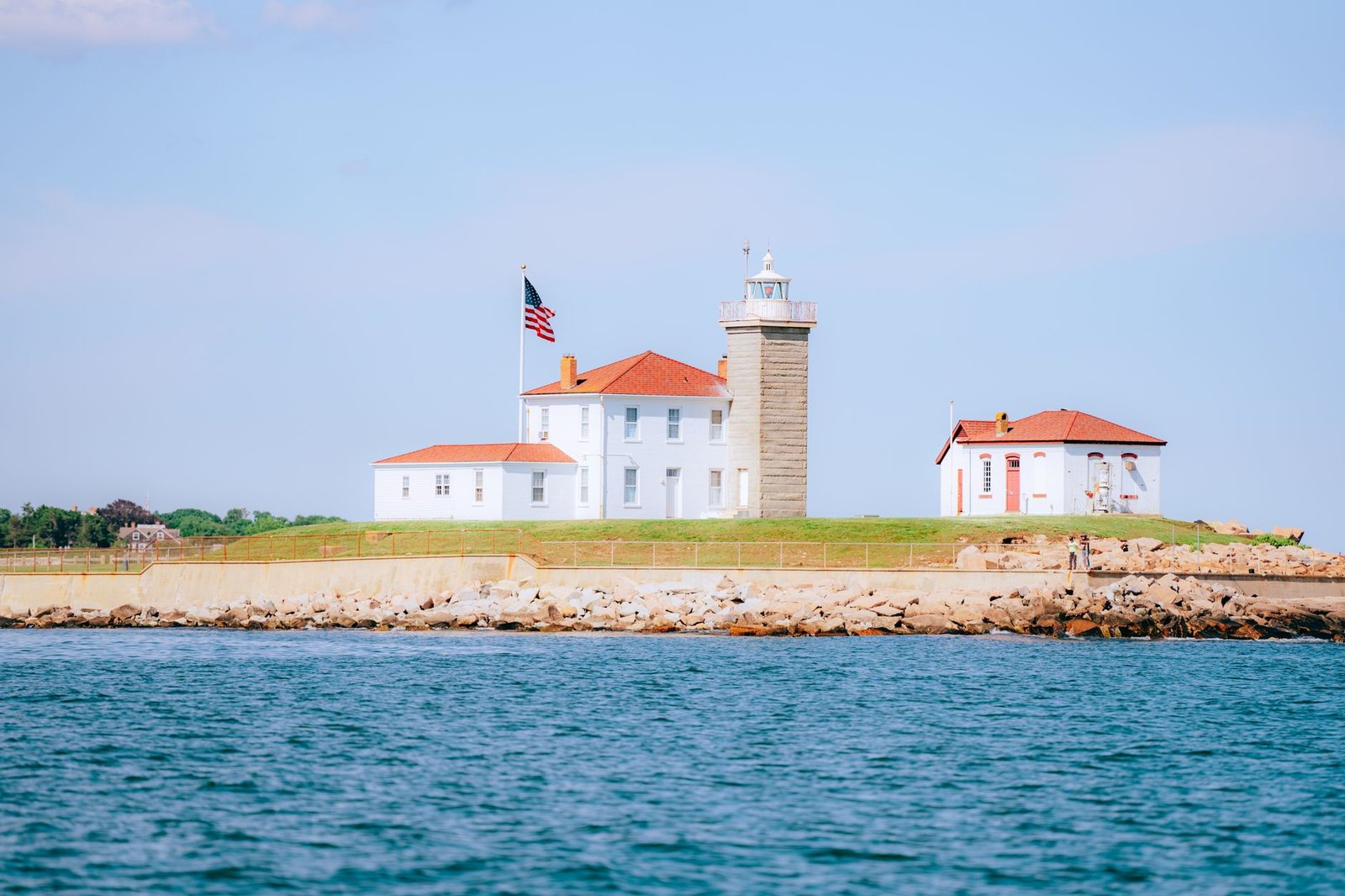
For a glimpse of maritime heritage, the Watch Hill Lighthouse—still active and maintained by the U.S. Coast Guard—offers tours of its historic tower. Its original Fresnel lens, restored in recent years, is a marvel of 19th‑century engineering.
Another notable landmark is the Old Town Hall, an elegant Greek‑Revival building that now houses the town’s municipal offices. Its clock tower, illuminated at night, has become a beloved visual anchor for both residents and visitors.
Neighborhoods to Explore
Westerly’s charm is amplified by its distinct neighborhoods, each offering its own flavor and set of activities. While the town is relatively compact, wandering beyond the central business district reveals hidden gems and quieter streets.
Downtown Westerly is the historic core, centered around Main Street and the River Road commercial corridor. Brick‑paved sidewalks, antique shops, and locally owned boutiques line the streets. The area is also home to a small farmers market that runs on Saturday mornings during the growing season, where you can purchase fresh produce, artisanal cheeses, and handmade crafts.
The Westerly Center district, located a short walk north of the waterfront, is a residential area known for its tree‑lined streets and well‑preserved Victorian homes. Strolling here provides a glimpse into the town’s architectural legacy, and the occasional open‑house event allows visitors to peek inside these historic residences.
Watch Hill is the most upscale enclave, perched on a peninsula that juts into the ocean. The neighborhood is famous for its pristine beach, iconic lighthouse, and a handful of elegant inns that date back to the late 1800s. Although Watch Hill is often associated with a more affluent crowd, its public beach and promenade are open to all, and its small gallery scene is accessible without reservation.
For a more contemporary vibe, the South Westerly area offers a blend of newer residential developments and commercial spaces, including a strip of eateries and a small marina. This part of town is convenient for those who prefer to stay close to the water but still want easy access to grocery stores and other amenities.
Food & Drink: Local Flavors
Seafood is, of course, the culinary cornerstone of any coastal New England town, and Westerly is no exception. The town’s dining scene is a mix of long‑standing clam shacks, family‑run diners, and newer farm‑to‑table concepts that celebrate the region’s bounty.
On a sunny afternoon, a visit to a classic clam shack for a steaming bowl of clam chowder or a platter of steamed clams is practically a rite of passage. Many of these establishments source their shellfish from local waters, ensuring a fresh taste of the Atlantic. For those who prefer a sit‑down experience, several historic inns in Watch Hill serve dinner menus that highlight locally caught lobster, scallops, and fish, often paired with seasonal vegetables from nearby farms.
Westerly’s farmers market (held on Saturdays from June through October) is an excellent place to sample fresh produce, honey, baked goods, and artisanal cheeses. The market also features small food stalls where you can try lobster rolls, fried dough, or locally brewed cider.
The town’s craft beverage scene is modest but growing. A couple of microbreweries have opened in the past decade, offering a selection of IPAs, lagers, and seasonal ales that incorporate local ingredients such as honey and blueberries. The local coffee houses, many of which occupy renovated historic buildings, provide cozy spaces to enjoy a latte while watching the world go by on the main street.
Vegetarian and vegan travelers will also find options, especially in the downtown area where several cafés emphasize plant‑based dishes using locally sourced produce.
Arts and Culture
Beyond its natural beauty, Westerly nurtures a vibrant arts community. The town’s cultural calendar is packed with festivals, performances, and exhibitions that celebrate both local talent and broader artistic movements.
The Theatre at the Babcock, a historic performing‑arts venue dating back to the early 20th century, hosts a range of productions—from classic plays and contemporary dramas to musical concerts. Its intimate seating and acoustic design make it a favorite among theatre enthusiasts.
Gallery spaces scattered throughout downtown showcase the work of regional painters, photographers, and sculptors. Many of these galleries feature rotating exhibitions, often highlighting artists who draw inspiration from the coastal landscape.
One of the town’s most beloved annual events is the Westerly Summer Festival. Over several weeks, the festival offers live music on the waterfront, open‑air art shows, and family‑friendly activities such as sandcastle competitions and kite‑flying demonstrations. The festival’s schedule is typically posted on the town’s official website well in advance.
For literary lovers, the Westerly Public Library runs regular author talks, book clubs, and children’s story hours. Its historic reading room, with high ceilings and original woodwork, provides a quiet retreat for readers of all ages.
Family‑Friendly Activities
Westerly is a welcoming destination for families, offering a range of activities that keep children engaged while allowing adults to relax.
Beaches such as Misquamicut and Ocean Road have lifeguard stations, gently rolling surf, and designated play areas with sand pits and swings. Many families bring beach toys, kites, and picnic baskets to enjoy a full day by the sea.
The South County Museum (located a short drive away in nearby Narragansett) provides interactive exhibits focused on regional history, including a recreated 19th‑century schoolroom and a hands‑on “ship‑building” workshop for kids.
During the summer, the downtown area hosts free outdoor movie nights on the lawn of Wilcox Park, where families can bring blankets and watch classic family films under the stars.
For a more educational outing, the Coastal Ecology Center offers guided nature walks and tide‑pool explorations at Napatree Point, teaching children about marine life and the importance of shoreline conservation.
Seasonal Highlights: When to Go
Westerly’s appeal shifts with the seasons, each offering its own set of experiences.
Summer (June–August) is the peak beach season. Warm temperatures, low humidity, and vibrant community events make this the busiest time. If you enjoy lively boardwalks, fireworks, and bustling farmers markets, summer is ideal. Booking accommodations early is advisable.
Fall (September–October) brings milder weather and a dramatic change in foliage. The coastline takes on a golden hue, and the crowds thin out, allowing for a more relaxed beach experience. Fall also marks the start of the harvest season, with the farmers market offering pumpkins, apples, and locally made cider. Seasonal festivals celebrate the bounty of the land and sea.
Winter (November–March) is quiet, with fewer tourists and cooler temperatures. While beach activities are limited, the town’s historic charm shines through holiday lights, and the downtown area hosts a small winter market featuring handmade gifts. Coastal walks during this time are peaceful and can be especially photogenic during sunrise.
Spring (April–May) is a sweet spot for nature lovers. Migratory birds return to the Napatree Point and Northwest Wildlife Sanctuary, making it a prime time for birdwatching. Wildflowers begin to bloom in local parks, and the first warm days herald the opening of seasonal eateries and outdoor patios.
Overall, the best time to visit depends on your priorities: choose summer for beach‑centric fun, fall for scenic tranquility, spring for wildlife and blossoms, and winter for a calm, reflective escape.
Getting Around: Transportation Tips
Westerly’s compact size makes it easy to navigate, but a few transportation tips can help you maximize your time.
Car is the most convenient way to explore the area, especially if you plan to visit the surrounding beaches, wildlife sanctuaries, or take day trips to nearby towns. Rental agencies are available in nearby cities such as Providence and New London, and many visitors drive in from these locations.
Biking is a popular option for locals and tourists alike. The town has a network of bike lanes that connect downtown with the beachfront and park areas. Several bike‑share programs operate seasonally, providing a low‑cost alternative for short trips.
Public Transit is limited but functional. The regional bus system runs a few routes that connect Westerly with neighboring towns like Charlestown and South Kingstown. Schedules are posted online and at the main bus stop near the downtown library.
During the summer, a shuttle service runs between the downtown area and the main beach sections, making it easy to avoid parking hassles during peak beach days.
For those who prefer walking, the downtown core is pedestrian‑friendly, with crosswalks, short distances between attractions, and plenty of benches for resting.
Budget‑Friendly Options
Traveling to Westerly doesn’t have to break the bank. The town offers a range of cost‑effective choices for accommodations, dining, and activities.
For lodging, consider budget inns or campgrounds located just outside the most popular beach zones. The state park campground near Misquamicut provides basic facilities at a modest nightly rate and places you within walking distance of the beach.
Many of Wester’s beaches, including Misquamicut, are free to access, though a seasonal parking fee may apply during peak months. Parking in the town’s public lots is generally inexpensive, and some beachside parking is free during the off‑season.
Free activities abound: explore the trails at Napatree Point, wander through Wilcox Park, attend a free concert on the park’s band shell, or browse the Saturday farmers market (no purchase required to enjoy the atmosphere).
For meals, look for local seafood shacks that serve generous portions of clams, fried fish, and lobster rolls at modest prices. Many diners and cafés also offer “daily specials” that showcase seasonal ingredients at lower cost.
Finally, keep an eye out for community events such as beach clean‑ups, free art walks, or seasonal fireworks displays, which provide entertainment without a price tag.
Day Trips from Westerly
Westerly’s location makes it an excellent base for exploring the broader region of Southern Rhode Island and neighboring Connecticut. Here are a few day‑trip ideas that can be easily reached by car.
- New London, Connecticut – Just a 30‑minute drive north, New London offers a historic seaport, the Custom House Maritime Museum, and a vibrant waterfront promenade.
- Block Island – Accessible via a short ferry ride from nearby Point Judith, Block Island is known for its dramatic cliffs, bike trails, and the historic Southeast Lighthouse.
- Providence, Rhode Island – About an hour’s drive west, the state capital boasts a thriving arts district, the renowned WaterFire installation, and a diverse culinary scene.
- Stonington, Connecticut – A charming New England fishing village with historic homes, boutique shops, and waterfront dining, perfect for a relaxed afternoon.
- South County Beaches – The coastline stretches eastward toward Narragansett and Charlestown, offering additional sandy spots such as Narragansett Town Beach and the historic Fort Nathaniel Greene site.
Each of these destinations can be reached within a reasonable driving distance, allowing you to experience a variety of coastal and inland attractions without staying overnight.
Practical Logistics: Where to Stay, Safety, and Amenities
When planning a trip to Westerly, a few practical considerations can help ensure a smooth experience.
Accommodations range from historic inns in Watch Hill and boutique hotels in downtown to budget motels and campgrounds near the state beach. Booking early for summer travel is recommended, as rooms fill quickly during peak season.
Healthcare services are readily available. The Westerly Hospital, part of a regional health network, provides emergency care and a range of outpatient services. Several urgent‑care clinics operate in the downtown area for minor injuries or illnesses.
Safety in Westerly is generally high. The town maintains a visible police presence, especially in tourist‑heavy areas during the summer. Beach lifeguards are on duty at Misquamicut during peak hours, and visitors are encouraged to follow posted signage regarding swimming conditions and wildlife (particularly during nesting season for shorebirds).
Connectivity – Free Wi‑Fi is offered at many public libraries, cafés, and some beachfront restaurants. Cellular coverage is strong throughout the town, but signal strength may dip in remote dune areas.
Utilities – Public restrooms are available at major beach parking lots, Wilcox Park, and the downtown visitor center. Water fountains and refill stations for reusable bottles have become increasingly common in public areas, supporting eco‑friendly travel practices.
Finally, the Westerly Visitor Center (located near the downtown library) provides maps, brochures, and up‑to‑date information on events, trail conditions, and any seasonal advisories. Staff are happy to answer questions and can recommend hidden local spots that may not appear in guidebooks.
Insider Tips for an Authentic Westerly Experience
To truly feel the pulse of Westerly, consider these local‑focused suggestions.
Timing the tide – Many of the best beach experiences, especially for shell‑collecting and tide‑pooling, happen at low tide. Check the local tide chart (available at the visitor center or online) and plan early‑morning or late‑afternoon beach visits accordingly.
Explore the lesser‑known coves – While Misquamicut draws the crowds, a short walk east along the shoreline leads to smaller coves such as South Beach and East Beach, where you can enjoy a quieter stretch of sand.
Seasonal fruit picking – In late summer, a few farms just outside town open their fields for public berry picking. This is a great way to sample fresh fruit, support local agriculture, and perhaps enjoy a homemade pie at a farm stand.
Attend a local high school football game – Community spirit runs high on Friday nights during the fall. Catching a game at the local high school offers an authentic glimpse into New England small‑town culture, complete with marching band music and concession stands serving classic “ballpark” fare.
Sunset at Watch Hill – For a memorable evening, head to the tip of the Watch Hill peninsula just before sunset. The lighthouse, the ocean, and the sky’s changing colors create a picturesque scene that many photographers consider a must‑capture.
By weaving these small, thoughtful experiences into your itinerary, you’ll go beyond the typical tourist checklist and leave with a deeper appreciation for Westerly’s unique character.
