
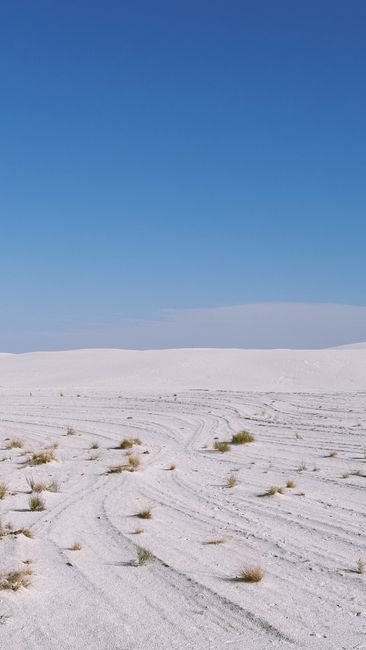
things to do in white sands national park include sledding down bright gypsum dunes, walking desert trails, and watching the sun set over New Mexico. The park is near Alamogordo, in the United States, and makes an unforgettable stop in the Tularosa Basin.
White Sands is a national park, not a city, so plan around the park entrance and nearby Alamogordo, the closest city for hotels, restaurants, fuel, and groceries. The dunes are remote, and there is no food or fuel inside the park.
This guide covers the best things to do in white sands national park, plus practical advice on timing, transport, safety, and what to bring. Check official park updates before setting out, since temporary closures can affect access.
20 Things to Do in White Sands National Park
Tip 1 – Start with a drive along Dunes Drive
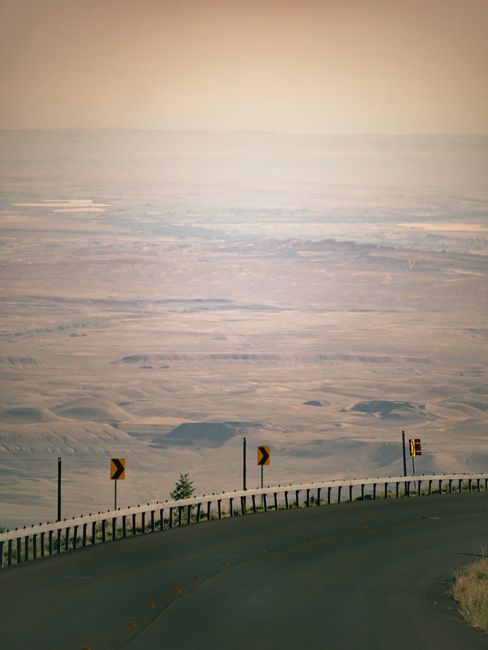
Dunes Drive is the main route into the park. The paved road leads from the entrance toward the heart of the dune field, with pullouts and trailheads along the way. Take it slowly and stop only in signed areas, since soft sand beside the road can trap a vehicle.
Before you go, check the National Park Service visitor information for current access, hours, fees, and closures. White Sands can close during nearby missile range testing, sometimes with little notice.
Tip 2 – Try sledding on the gypsum dunes
Sledding is one of the most memorable things to do in white sands national park. You can bring a plastic sled or check whether sleds are available for purchase near the visitor area. Wax the bottom if recommended, choose a clear slope, and make sure the runout is free of people and plants.
Gypsum sand can feel softer than snow, so not every hill gives a fast ride. Be ready to walk back up, and avoid steep slopes if you are with small children.
Tip 3 – Walk the Interdune Boardwalk

The Interdune Boardwalk is a short, accessible route through the dunes. Interpretive signs explain how plants and animals survive in this changing landscape. It is a good choice for visitors who want a close look at the gypsum without walking far across loose sand.
Use the boardwalk rather than stepping on fragile plants. Even short routes can feel hot and exposed, so bring water and sun protection.
Tip 4 – Hike the Alkali Flat Trail
Despite its name, Alkali Flat Trail crosses rolling dunes rather than a level surface. The marked route is about five miles round trip and can be strenuous because you repeatedly climb and descend soft sand. Follow the trail markers carefully, since wind can soften tracks and change the landscape.
Start early, carry more water than you expect to need, and do not begin if you are short on time or energy. This is a demanding walk, not a casual stroll.
Tip 5 – Look for wildlife on the Dune Life Nature Trail
This short interpretive trail introduces the plants and animals that live around the edge of the dune field. Signs help explain the desert ecology, and the route is a manageable option for families who want an easy walk before exploring deeper into the park.
Wildlife can be difficult to spot in the heat. Look quietly, keep a respectful distance, and never feed animals.
Tip 6 – Take the Playa Trail for a gentler walk
The Playa Trail is a short route across a flat basin that can hold water after rain. Its appearance changes with the weather, so the experience may range from dry and open to damp with seasonal pools. Follow the marked path and avoid walking through muddy areas.
Check conditions before leaving Alamogordo, especially after storms. The trail is exposed, and there is little shade.
Tip 7 – Plan your visit around the sunset

Sunset softens the light on the dunes and brings out changing shades of cream, pink, and gold. Find a legal parking area well before the sky changes, then enjoy the view without walking so far that you lose track of the route back.
Check the park’s closing time and any sunset program details before you go. Do not assume you can stay after the gates close.
Tip 8 – Join a ranger-guided walk or program
Ranger programs can add context to the landscape, local history, and desert wildlife. Program schedules vary by season and staffing, so check the park’s current calendar rather than relying on an old listing.
Bring water even for a short guided walk. The sun can be intense, and there may be little shade along the route.
Tip 9 – Visit the White Sands visitor area
Start at the visitor area to learn about the park, ask staff about trail conditions, and check for current notices. The historic adobe buildings and exhibits offer useful background before you head into the dunes.
This is also a practical stop to use the restroom and confirm that you have enough water, food, and fuel for your visit.
Tip 10 – Photograph the dunes in changing light

The bright gypsum can make photos look washed out in harsh midday sun. Early morning and late afternoon usually bring softer shadows and more texture. A phone camera works well, but check exposure on the screen because the white ground can confuse automatic settings.
Protect cameras and phones from fine dust, and avoid setting equipment directly in the sand. Stay on durable ground when possible and do not disturb plants for a better angle.
Tip 11 – Pack a picnic and plenty of water
There are no restaurants or shops inside the park, so bring snacks or a picnic from Alamogordo. Carry water for everyone in your group, including children, and keep extra supplies in the vehicle. Do not rely on finding drinking water once you are out among the dunes.
Pack out every wrapper and leftover. The park’s open landscape has few places to dispose of rubbish away from visitor facilities.
Tip 12 – Make time for Alamogordo
Alamogordo is a useful base, with places to sleep, eat, refuel, and pick up supplies. If you have extra time, consider the New Mexico Museum of Space History or a meal in town. These stops offer a change of pace from the exposed, quiet dunes.
Allow driving time between town and the park entrance, and check opening hours for local attractions before setting out.
Tip 13 – Consider a trip to Oliver Lee Memorial State Park

Oliver Lee Memorial State Park, south of Alamogordo, has a different desert setting, with mountain scenery and trails near Dog Canyon. It is a worthwhile addition if you have a second day and want to see more of the Tularosa Basin area.
Conditions, fees, and trail access can change. Check the New Mexico State Parks information for Oliver Lee before driving there.
Tip 14 – Choose your season with care
Spring and fall are popular for comfortable daytime outings, while summer brings strong heat and winter can be cold, especially after sunset. Conditions vary from day to day, so check the forecast and plan strenuous walks for cooler hours.
November can be a pleasant time to explore the dunes, but nights may be chilly and daylight is shorter. For more seasonal inspiration, see this guide to things to do in November.
Tip 15 – Get around by car and plan for limited services
A private car is the most practical way to reach White Sands and explore the surrounding area. Public transport options to the park are limited, and rideshare availability around Alamogordo may not be dependable. Arrange your return ride in advance if you are not driving.
Fill the tank before leaving town, download directions for offline use, and remember that mobile service may be unreliable in parts of the region.
Tip 16 – Check for temporary closures before you leave
The park can close temporarily when the adjacent White Sands Missile Range carries out operations. These closures can affect the entrance road and visitor access. Review the official White Sands National Park website on the day of your visit and follow any posted signs.
Build flexibility into your schedule, particularly if you are making a long drive or have a flight to catch later that day.
Tip 17 – Keep children comfortable and safe
For families, the boardwalk, visitor area, and short walks are easier to manage than a long dune hike. Set a meeting point, keep children within sight, and make sure each person has water, a hat, and suitable footwear.
Sand can be hot underfoot, and the landscape can look similar in every direction. Do not let children wander out of view, even for a quick photo.
Tip 18 – Eat and shop in Alamogordo, not in the park
Alamogordo is the convenient place to find restaurants, groceries, fuel, and basic supplies before or after your visit. Options may be limited compared with a large city, so check opening times if you arrive late or travel on a holiday.
There is no need to expect a resort-style dining scene at the park. Bring what you need for the dunes and enjoy a relaxed local meal back in town.
Tip 19 – Use simple desert-safety habits
Wear a hat, sunglasses, sunscreen, and closed shoes. Bring more water than you think you need, keep a charged phone, and tell someone your plan if you are hiking. Turn back if anyone feels unwell, confused, unusually tired, or dizzy.
For weather information, check the National Weather Service Albuquerque forecast office. In an emergency, call 911. Do not rely on a phone signal being available everywhere in the park.
Tip 20 – Learn a few useful local phrases and respect the landscape
English is widely used in the area, and Spanish is also common in New Mexico. A friendly “Hola” means hello, “por favor” means please, and “gracias” means thank you. A little courtesy goes a long way in shops and restaurants.
Stay on marked routes where provided, do not remove gypsum or other natural objects, and leave plants and wildlife undisturbed. The dunes are a fragile environment, even when they appear empty.
Quick Reference for White Sands National Park
| Plan | Useful details |
|---|---|
| Nearest city | Alamogordo, New Mexico |
| Getting around | A car is the most practical option; services inside the park are limited. |
| Top activities | Sledding, Dunes Drive, short nature walks, hiking, and sunset viewing. |
| Best timing | Visit during cooler morning or late-afternoon hours; check seasonal weather. |
| Bring | Water, food, sun protection, closed shoes, and a charged phone. |
| Check before you go | Park hours, fees, road access, weather, and possible range-related closures. |
Visa & Entry Requirements
White Sands National Park is in the United States, so international visitors must meet U.S. entry requirements. The rules are not the same for every traveler. Visa eligibility, passport-validity requirements, electronic travel authorization, vaccination guidance, customs procedures, and permitted length of stay can depend on your passport, travel purpose, route, and current government policy.
Before booking, check the U.S. Department of State’s official U.S. visa information and, if relevant to your situation, the government’s ESTA application site. A visa or travel authorization does not by itself guarantee admission. Final decisions are made by U.S. border officials.
Check that your passport is valid for the period required for your trip. Rules can differ by nationality, and some travelers may need a passport with blank pages available. Confirm whether you need a visa or electronic authorization before departure, and allow time for applications or appointments. Keep copies of your travel itinerary, return or onward travel details, and accommodation information in case officials ask about your plans.
Review current health guidance from official U.S. sources before traveling. Vaccination and health-document requirements can change, and should not be assumed from advice written for another traveler or an earlier year. Travelers entering the United States must also follow applicable customs and agriculture rules, including declaring items when required. Check the current instructions for food, plants, medicines, and other goods you plan to bring.
Travel insurance is worth considering for medical care, trip interruption, and transport problems, though it is not a substitute for entry permission. Use the official U.S. government, embassy, or consulate website for your final checks. Requirements can change, and this information is general travel guidance, not legal advice.
Frequently Asked Questions
How much time should I spend at White Sands National Park?
A half day is enough for Dunes Drive, a short walk, and sledding. Allow a full day if you want to hike, take your time with photography, or enjoy sunset. Add travel time from Alamogordo.
What are the best things to do in white sands national park with children?
Sledding, the Interdune Boardwalk, and short walks near the visitor area are good family options. Bring plenty of water and sun protection, and keep children close because the dunes can make it hard to judge direction.
Can I visit White Sands without a car?
It is possible to reach Alamogordo by some regional travel services, but getting from town to the park and around the area is difficult without a car. Public transport and rideshare options may be limited, so arrange transport before your trip.
Is White Sands National Park open every day?
Opening hours and access can vary, and temporary closures may occur during nearby missile range testing. Check the National Park Service website on the day you plan to visit before driving to the entrance.
Can I take gypsum sand home as a souvenir?
Do not remove natural material from the park. Choose a permitted souvenir from the visitor area instead, and leave the landscape as you found it.
What should I wear to White Sands?
Wear comfortable closed shoes, light layers suited to the forecast, sunglasses, and a hat. Bring sunscreen and extra water. Conditions can be hot in the daytime and much cooler after sunset.
Conclusion
The best things to do in white sands national park range from an easy boardwalk stroll to a demanding hike across the dunes. Sledding, photography, and sunset views are memorable, while Dunes Drive makes it simple to see more of the landscape at your own pace.
Use Alamogordo as your practical base, bring food and water, and check weather and closure updates before leaving town. With a little planning, a visit to White Sands can be a rewarding New Mexico stop for first-time visitors, families, and road-trippers alike.
