
Key Takeaways
- Explore the Market Square and hunt the hidden dwarf statues throughout the Old Town.
- Visit Ostrów Tumski and St. Elizabeth's tower for historic architecture and city views.
- Spend a day at Wrocław Zoo, Afrykarium or Hydropolis for family-friendly interactive experiences.
- Use trams, walk the river islands, and try local milk bars for authentic, budget-friendly food.
things to do in wroclaw range from spotting tiny bronze dwarfs to wandering riverside islands and tasting Polish comfort food. This lively city in southwestern Poland is compact enough to explore on foot, but its museums, gardens and neighborhoods reward a longer stay.
Wrocław is pronounced roughly “Vrots-wahf.” It has a handsome Market Square, a web of bridges over the Oder River and a relaxed café culture. The city has also been shaped by a complicated history, which you can explore in its museums and architecture.
For a first visit, allow at least two full days. Three or four days gives you time to see the main sights without rushing, enjoy a slower meal and visit a museum or garden. The guide below covers the best things to do in Wrocław, with practical tips for transport, food, families and planning.
20 Things to Do in Wrocław
Use this quick guide to choose what suits your trip. Opening times and seasonal access can change, so check official information before setting out.
| Experience | Best for | Useful to know |
|---|---|---|
| Market Square and Old Town | First-time visitors | Easy to explore on foot |
| Ostrów Tumski | Architecture and evening walks | Visit near sunset for a lovely riverside stroll |
| Wrocław Zoo and Afrykarium | Families and animal lovers | Allow several hours |
| Hydropolis | Families and interactive exhibits | Check timed entry and opening hours |
| Centennial Hall and nearby parks | Architecture and outdoor time | Combine with the Japanese Garden when open |
| Nadodrze | Cafés, street art and local atmosphere | Leave time to browse at an easy pace |
Tip 1 – Start at Wrocław Market Square

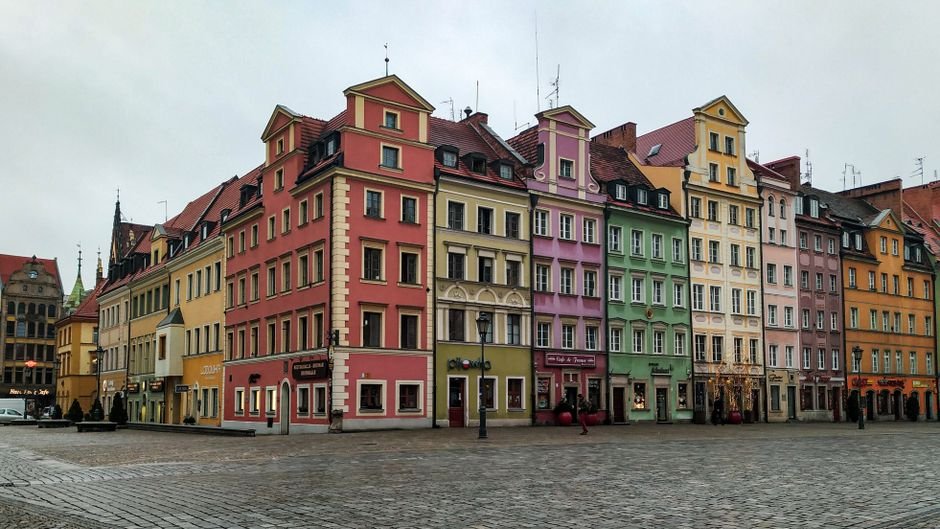
Rynek, Wrocław’s central Market Square, is the easiest place to get your bearings. Colorful historic townhouses frame the square, while the Gothic Old Town Hall stands at its center. Take a slow lap, notice the different building details and pick out a café for a break.
The square is busy and can feel touristy, especially on sunny weekends. That is part of its appeal, but prices at the most central terraces may be higher. Wander one or two streets away for more choice and often better value.
Tip 2 – Look for the Wrocław dwarfs
Small bronze dwarf figures, known locally as krasnale, are scattered around the city. Some are beside famous landmarks, while others are tucked near shops, doorways and tram stops. Spotting them turns a simple walk into a fun scavenger hunt.
There are many more than you can reasonably find in one visit, so do not treat the hunt like a checklist. Pick a few around the Old Town, or use a dwarf map or a local app to make a family walk more engaging.
Tip 3 – Walk across the bridges to Ostrów Tumski
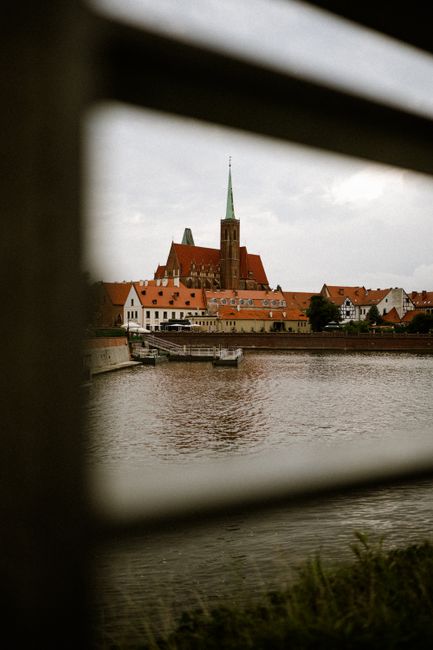
Ostrów Tumski, or Cathedral Island, is one of Wrocław’s most atmospheric areas. Cross one of the footbridges, explore the historic streets and visit the Cathedral of St. John the Baptist if it is open. The route beside the river makes a pleasant change from the busy center.
Come in the early evening for softer light and a quieter mood. The area is still a place of worship, so dress respectfully and keep your voice low inside churches. The traditional lamplighter may be seen lighting the gas lamps around dusk, but appearances are not guaranteed.
Tip 4 – Take in the view from St. Elizabeth’s Church
If the tower is open, climbing St. Elizabeth’s Church gives you a memorable view over the Market Square and red rooftops. The climb is steep, and the narrow steps are not suitable for everyone, so consider your comfort before buying a ticket.
Opening arrangements can change, and access may close in bad weather or for maintenance. Check locally on the day rather than building your entire schedule around the climb.
Tip 5 – Visit the University of Wrocław and its Aula Leopoldina
The University of Wrocław is a landmark on the north side of the Old Town. Its richly decorated Aula Leopoldina is a highlight for visitors interested in historic interiors, art and academic history. Check which rooms are open and whether a ticket is needed before you go.
You can combine the visit with a stroll along the nearby riverfront. It is a good choice when you want an indoor attraction close to the center, particularly on a rainy day.
Tip 6 – Explore the National Museum or Panorama Racławicka
For Polish art and history, consider the National Museum in Wrocław. Its collections offer useful context for the region and the country, and the building is close to the river. The nearby Panorama Racławicka is a large circular painting depicting the Battle of Racławice, presented as an immersive historical scene.
Check ticket availability and entry arrangements in advance, especially for the Panorama, where access may be scheduled. If you only have time for one, choose based on your interests rather than trying to squeeze both into a rushed visit.
Tip 7 – Spend time at Centennial Hall and the Japanese Garden
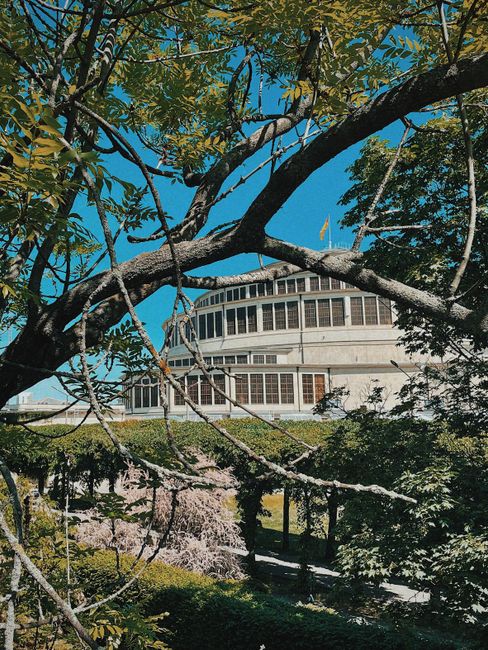
Centennial Hall is a landmark of modernist architecture and a UNESCO World Heritage Site. The complex sits east of the city center, beside open green spaces and the Multimedia Fountain. It is a worthwhile change of scene after several hours among Old Town streets.
When open, the nearby Japanese Garden is a peaceful place to wander, particularly in spring and early summer. Garden access and fountain schedules can vary by season, so check before making the trip. You can reach this area by public transport or combine it with a longer walk through Szczytnicki Park.
Tip 8 – Make time for Wrocław Zoo and Afrykarium
Wrocław Zoo is one of the city’s best-known family attractions. The Afrykarium, an aquarium and animal exhibit focused on African ecosystems, is a major draw and can take time to explore. Plan for at least half a day if you want to see more than the headline exhibits.
It is a large site, so wear comfortable shoes and check the map, feeding times and ticket details before arrival. At busy times, buying entry online can help you plan, though it does not remove queues at every exhibit.
Tip 9 – Explore Hydropolis
Hydropolis is an interactive center devoted to water, with exhibits on science, nature and the role water plays in daily life. Its hands-on displays make it a strong option for families, but adults can enjoy it too. It is also a useful rainy-day choice.
Check the official visitor information for current hours and ticket options. If you are visiting with children, allow time for them to explore the exhibits rather than trying to rush through on a tight schedule.
Tip 10 – Follow the river paths and visit the islands

The Oder River and its smaller channels give Wrocław a distinctive feel. Walk along the riverbanks, cross a few bridges and pause on the islands around the center. Słodowa Island is a popular place to sit outdoors, especially on warm days.
Paths can be busy with cyclists and walkers, so keep an eye out and avoid blocking narrow bridges. River cruises operate seasonally, but schedules depend on weather and water conditions. Treat a boat trip as a bonus rather than a guaranteed part of your plan.
Tip 11 – Wander through Nadodrze
Nadodrze, north of the Old Town, has independent cafés, small galleries, street art and a more residential atmosphere. It is a good neighborhood for seeing a less polished, everyday side of the city while still being close to the center.
Go during the day to browse at an easy pace, then stop for coffee or lunch. Some small businesses keep shorter or irregular hours, particularly outside peak tourist seasons, so have a second option in mind.
Tip 12 – Try Polish food at a local milk bar
A milk bar, or bar mleczny, is a casual canteen serving traditional Polish dishes at generally modest prices. Look for pierogi, soups, potato pancakes or a daily set meal. The menu may be in Polish, but staff or a translation app can usually help you order.
Menus and opening hours differ from place to place. Some milk bars are very simple and practical rather than polished dining rooms, which is part of the experience. For a more leisurely meal, book a table at a traditional restaurant in or near the Old Town.
Tip 13 – Sample local pastries, coffee and Polish drinks

Make room for a café stop and try Polish baked goods such as drożdżówka, a sweet yeast bun, or a slice of sernik, Polish cheesecake. Wrocław also has plenty of specialty coffee shops, particularly around the Old Town and in Nadodrze.
For an evening drink, you will find Polish beer and regional spirits in bars around the center. Alcohol is not part of every traveler’s plans, and there are plenty of cafés and restaurants with non-alcoholic options. Drink responsibly and check how you will get back to your accommodation.
Tip 14 – See a performance or visit a local market
Check the listings at Wrocław’s opera, concert venues and theaters for performances during your stay. A show can add a memorable evening to a sightseeing-heavy itinerary, but productions may be in Polish, so review the program before booking.
Markets and seasonal events can also be enjoyable, particularly around holidays. Dates and locations vary, so confirm current details through official city information rather than relying on an old event listing.
Tip 15 – Use trams and buses for longer journeys
The center is walkable, but trams and buses are useful for reaching the zoo, Centennial Hall, the airport area and neighborhoods farther out. Check routes, fares and ticket validation rules using the current information from Wrocław’s official city website and the local transport operator.
Buy or activate the correct ticket before travel and validate it as instructed. Fare systems can change, and ticket machines may offer different payment options, so do not assume that a ticket bought earlier is automatically valid for every journey.
Tip 16 – Choose a comfortable base and book key attractions
Staying near the Old Town is convenient for first-time visitors who want to walk to many major sights. Areas around the main railway station can also be practical for train arrivals, while Nadodrze may suit travelers seeking cafés and a more local feel.
Compare the full cost, including transport and late-night return options, rather than choosing accommodation on room price alone. Reserve popular timed-entry attractions ahead when your dates are fixed, especially during summer weekends and holiday periods.
Tip 17 – Plan around the season and the weather
Late spring and early autumn often bring comfortable conditions for walking, though weather can still change quickly. Summer has long days and lively outdoor spaces, but popular attractions can be busy. Winter brings shorter daylight hours and cold weather, with festive events in some years.
Check opening hours before you travel, as gardens, fountains, river cruises and some attractions operate seasonally. A flexible plan helps if rain interrupts an outdoor day.
Tip 18 – Keep your plans family-friendly and budget-aware
Families can mix the dwarf hunt and riverside walks with larger attractions such as the zoo or Hydropolis. Build in snack stops and downtime, since the zoo and other big sites require plenty of walking. If you are gathering ideas for a wider family trip, this guide to 20 Fun and Best things to do for kids in vegas offers more ideas for keeping children engaged while traveling.
To manage costs in Wrocław, choose a few paid attractions and fill the rest of the day with free walks, parks and architecture. Check whether a museum offers reduced admission on particular days, but verify its current policy before planning around it.
Tip 19 – Use simple safety habits and keep useful apps ready
Wrocław is a popular city for visitors, but normal city awareness still matters. Keep your phone and wallet secure in crowded areas, watch belongings on public transport and use a licensed taxi or a reputable ride service when needed. If you have an urgent emergency in Poland, call 112.
Download an offline map before you arrive, and keep your accommodation address saved in Polish as well as in your preferred language. A translation app, a public transport route planner and your airline’s app can make everyday logistics easier. Check roaming charges or arrange mobile data before your trip.
Tip 20 – Learn a few Polish phrases and avoid the common tourist mistake
A few words can make small interactions warmer. Try “dzień dobry” for hello, “dziękuję” for thank you, “proszę” for please or you’re welcome, and “przepraszam” for excuse me. English is common in tourist areas, but it is not universal, so speak clearly and be patient.
A common mistake is trying to fit every major attraction into one day and spending the trip rushing between them. Wrocław is best enjoyed at a gentler pace. Group nearby sights together, leave room for a café stop and check seasonal opening times before you set off.
Visa & Entry Requirements
Wrocław is in Poland, which is part of the European Union and the Schengen Area. Entry rules are based on your passport and the policies in force when you travel, so requirements are not the same for every visitor. Some travelers need a visa before departure, while others may be able to visit for a short stay without one. Rules and permitted stay periods depend on individual circumstances.
Before booking, check the Polish government’s official visa information and, where relevant, the immigration or embassy website responsible for your passport country. The EU’s official guidance for non-EU visitors entering the Schengen Area can also help explain the general framework. Use the official sources for your final check, because policies can change.
Confirm that your passport meets the validity rules for your route and intended stay, and make sure it has any required blank pages. Check whether you need a Schengen visa or an electronic travel authorization, including any application deadline or supporting documents. If a visa or authorization is required, allow enough time for the process and do not assume that an application guarantees approval.
Have your return or onward travel details and accommodation information available if officials request them. Consider travel insurance that suits your plans and covers medical needs. Vaccination and health documentation requirements, if any, depend on current government policy and your travel history, so check official advice rather than relying on old forum posts.
Customs rules also vary according to what you bring, where you are traveling from and applicable EU rules. Check requirements for cash, food, medicines, alcohol, tobacco and restricted goods before departure, and make any required declarations. Keep copies of important documents separately from the originals. This is practical travel information, not legal advice, and the relevant Polish authorities or embassy are the final source for your situation.
Frequently Asked Questions
How many days do you need for things to do in Wrocław?
Two full days are enough for the Old Town, Ostrów Tumski and a couple of major attractions. Three or four days gives you time for the zoo, Hydropolis, Centennial Hall, neighborhood cafés or a slower pace.
What are the best things to do in Wrocław for first-time visitors?
Start with the Market Square, look for the bronze dwarfs, walk to Ostrów Tumski and spend time beside the Oder River. Add a museum or attraction such as the Panorama Racławicka, Hydropolis or the zoo based on your interests.
Is Wrocław easy to explore without a car?
Yes. Much of the historic center is walkable, and trams and buses connect it with attractions farther away. A car is usually unnecessary for a city visit and can add parking costs and hassle.
Is Wrocław a good destination for families?
Yes. Children often enjoy the dwarf hunt, the zoo and Afrykarium, Hydropolis, parks and river walks. Plan breaks into the day because the larger attractions involve a lot of walking.
What should I eat in Wrocław?
Try pierogi, Polish soups, potato pancakes and traditional baked goods such as sernik. A milk bar is a casual way to sample local dishes, while cafés and restaurants offer plenty of other choices.
When is the best time to visit Wrocław?
Late spring and early autumn are often pleasant for walking. Summer offers long days and outdoor events but can be busy, while winter is colder and has shorter days. Check seasonal hours for gardens, fountains and river cruises.
Is Wrocław safe for tourists?
Most visitors have a straightforward stay, but use normal city precautions. Secure valuables in crowded places, pay attention on public transport and save the emergency number 112 in your phone.
Conclusion
The best things to do in Wrocław combine well-known landmarks with slower local experiences. Walk the Market Square, cross the bridges to Ostrów Tumski, hunt for dwarfs and leave time to enjoy the riverfront, neighborhood cafés and Polish food.
Plan around your interests rather than trying to see everything at once. Check current opening times and transport information, book timed attractions when useful and keep a flexible option for rainy weather. With a little preparation, Wrocław makes a rewarding city break in Poland for couples, families and independent travelers.
