
Key Takeaways
- Walk the historic streets and soak up authentic Italian atmosphere.
- Taste classic dishes like pizza, pasta, and cannoli at legendary eateries.
- Visit cultural landmarks such as the Museum of Italian Americana.
- Enjoy easy access to nearby parks, waterfront, and guided tours.
Little Italy is one of New York City’s most beloved neighborhoods, and it offers a compact yet vibrant mix of history, food, and culture. If you’re searching for “Things to do in little italy nyc,” you’ve landed in the right place. This guide walks you through the essential experiences, practical tips, and hidden corners that make a visit unforgettable.
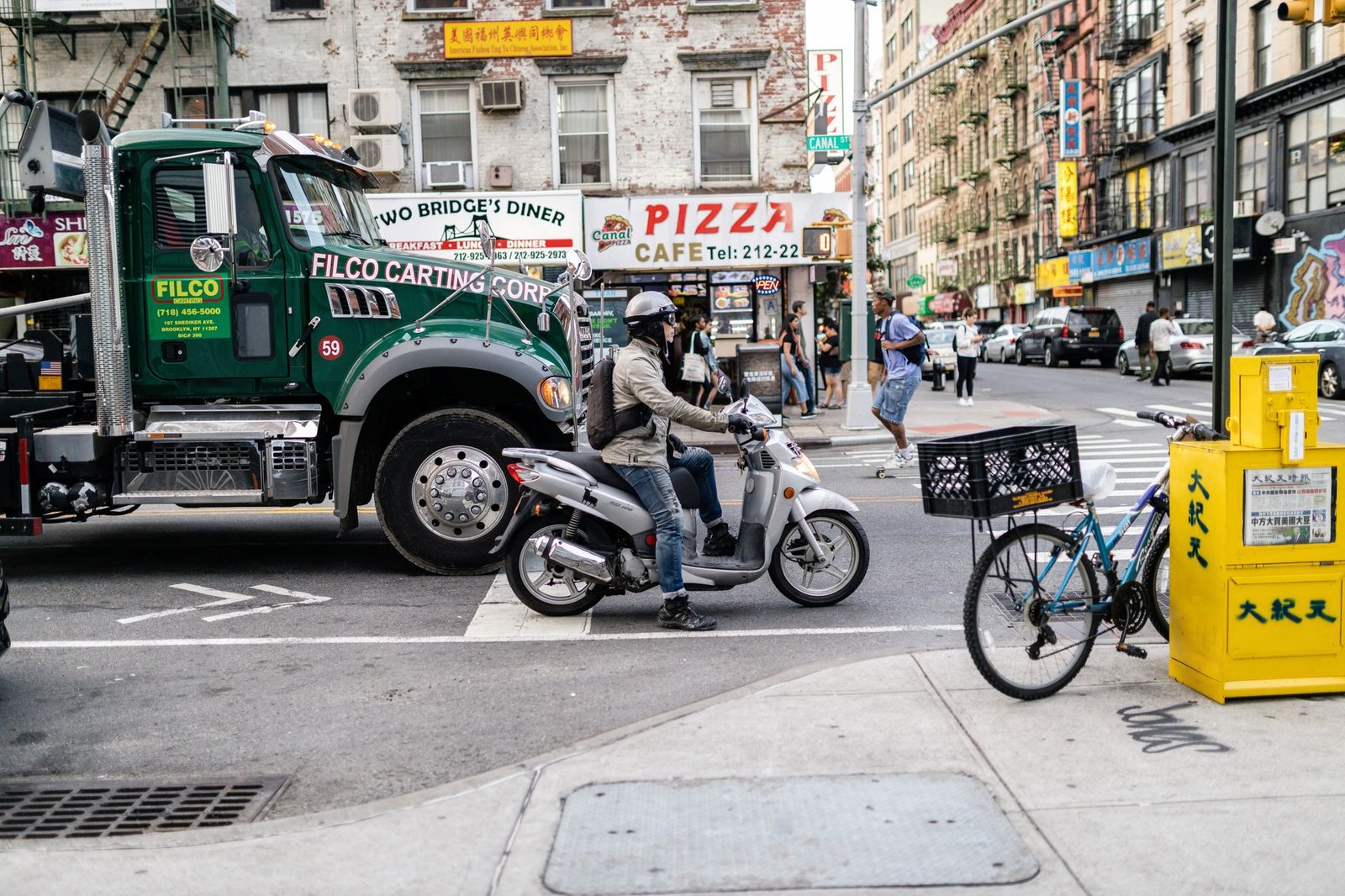
The enclave sits just a few blocks north of Chinatown, bordered by Canal Street, Broome Street, and the Bowery. Its narrow streets are lined with family‑run bakeries, bustling cafés, and colorful storefronts that echo the old world. Whether you’re a first‑time visitor or a returning fan, there’s always something new to discover.
Exploring the Historic Streets
Walking the Main Corridor
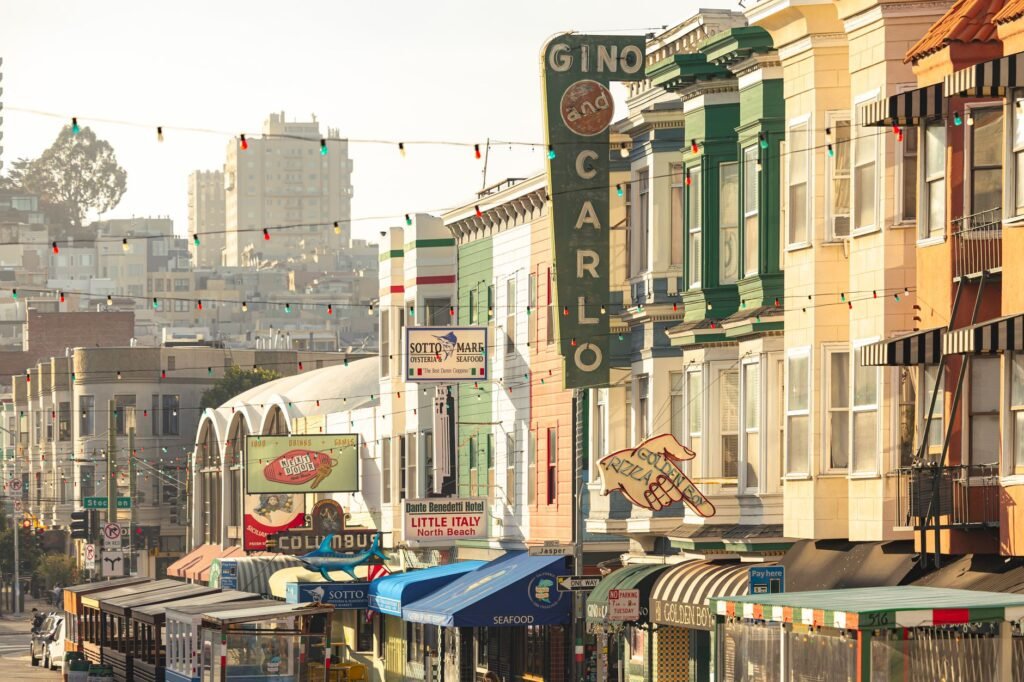
Start your adventure on Mulberry Street, the heart of Little Italy. The street is a living museum of Italian immigration, with plaques marking historic sites and murals celebrating community heroes. As you stroll, take time to admire the wrought‑iron balconies and the classic signage that harks back to the early 20th century.
Turn onto Bayard Street to find the iconic Ferrara Bakery & Café, a family‑owned institution since 1892. Even if you don’t plan to eat there, the storefront is worth a photo. Continue west to explore the tiny side alleys where you’ll discover hidden art installations and boutique shops that blend old‑world charm with modern design.
Don’t miss the annual San Gennaro Festival in September, when the streets fill with music, carnival rides, and food stalls. The festival transforms the neighborhood into a lively celebration of Italian heritage and is a perfect example of community spirit.
Architectural Highlights
The Church of the Most Precious Blood, located on Centre Street, showcases beautiful stained‑glass windows and a richly decorated interior. It serves as both a place of worship and a cultural landmark, often hosting concerts and art exhibits.
Another noteworthy building is the former Little Italy Post Office on Canal Street, now repurposed as a gallery space. Its marble façade and historic lettering remind visitors of the neighborhood’s longstanding presence in the city’s fabric.
Take a moment to appreciate the subtle differences between the classic Italianate facades and the newer mixed‑use developments that have risen in recent years. This blend tells the story of a neighborhood that respects its roots while evolving with the times.
Iconic Food Experiences
Classic Restaurants
Food is the soul of Little Italy, and no visit is complete without sampling its legendary dishes. Begin with a slice of thin‑crust pizza at Lombardi’s, often billed as America’s first pizzeria. The coal‑oven baked pies are crisp, smoky, and topped with fresh mozzarella.
For pasta lovers, Il Cortile on Mulberry Street offers a menu of house‑made pastas served in a romantic, candle‑lit setting. The rigatoni alla vodka and the seafood linguine are crowd favorites, and the wine list features selections from Italy’s lesser‑known regions.
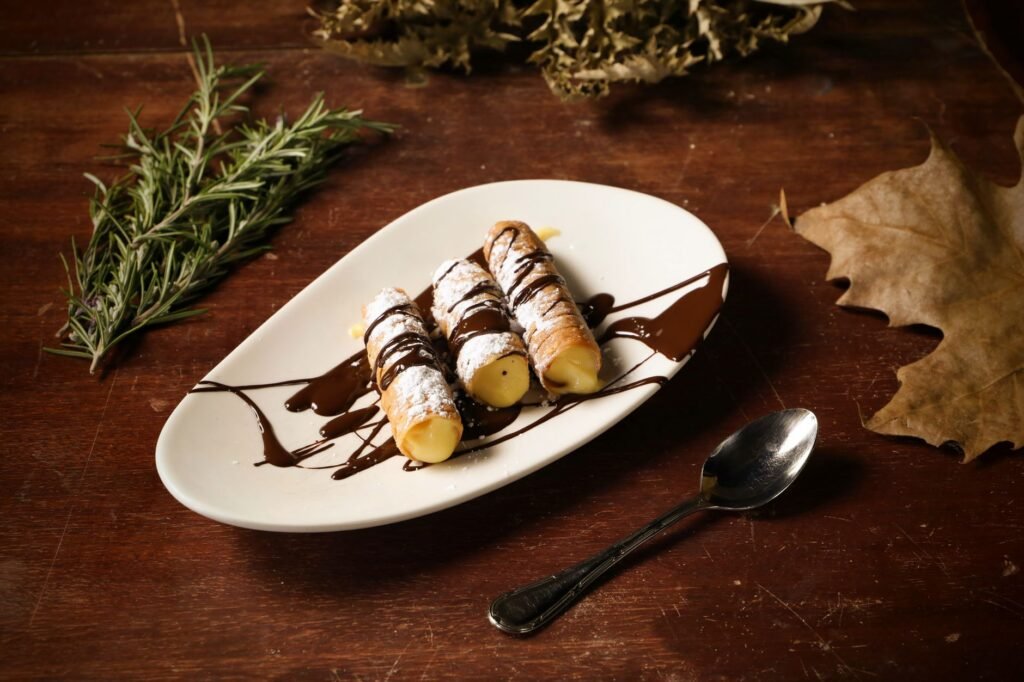
End your meal with a sweet treat from Ferrara Bakery. Their cannoli, filled with ricotta and chocolate chips, are a benchmark for authenticity. Pair it with an espresso for the perfect finish.
Sweet Treats and Cafés
Beyond the famous cannoli, Little Italy boasts a variety of pastry shops. Caffe Palermo serves up flaky sfogliatelle and tiramisu that melt in your mouth. The café’s outdoor seating lets you watch the neighborhood’s lively street life.
For a quick bite, grab a gelato from the colorful stand on Canal Street. Their pistachio and stracciatella flavors are especially popular during summer evenings.
Don’t overlook the espresso bars scattered throughout the area. A strong, velvety espresso is a daily ritual for locals and a great way to recharge during a day of exploring.
Cultural Attractions
Museum of Italian Americana
The Museum of Italian Americana, located on Broome Street, celebrates the contributions of Italian immigrants to American culture. Exhibits include historic photographs, personal artifacts, and interactive displays that tell stories of perseverance and creativity.
Temporary exhibitions often focus on topics such as Italian cinema, fashion, and culinary traditions. Admission is modest, and the museum frequently hosts lectures and workshops that deepen your understanding of the community’s heritage.
Plan to spend at least an hour here; the museum’s layout encourages a relaxed, reflective visit.
Performance Venues and Art
The historic Teatro di San Marco, though modest in size, offers live music, theater, and dance performances that showcase both local talent and touring acts. Check the schedule ahead of time for special events during your stay.
Street art is another vibrant component of Little Italy’s cultural scene. Murals depicting famous Italian figures and scenes of everyday life can be found on the sides of buildings along Mulberry and Hester Streets. A self‑guided walking tour map is available from the local visitor center.
For a deeper dive, consider joining a storytelling night at the community center, where elders share anecdotes about the neighborhood’s evolution over the decades.
Shopping in Little Italy
Specialty Food Shops
Little Italy is a treasure trove for food enthusiasts. Visit the historic Salumeria for cured meats, imported cheeses, and artisanal olive oils. The shop’s knowledgeable staff can recommend pairings for a home‑cooked Italian dinner.
Another must‑visit is the Italian bakery “Pasticceria Napoli,” where you can purchase traditional biscotti, panettone, and fresh focaccia to take home.
For coffee lovers, the boutique roasters on Canal Street offer freshly ground beans sourced from sustainable farms in South America and Africa, providing a global coffee experience within the Italian enclave.
Unique Boutiques and Souvenirs
Hand‑crafted leather goods, such as wallets and belts, are available at the family‑run shop “Cavallo Leather.” Their products are made using traditional techniques and make for elegant souvenirs.
For home décor, check out “Casa di Bella,” a boutique featuring hand‑painted ceramics, vintage glassware, and decorative plates that echo Italian design aesthetics.
Don’t forget to browse the small bookshop on Mulberry Street, which specializes in Italian literature, cookbooks, and travel guides. It’s an excellent spot to pick up a culinary tome or a novel set in Italy.
Nearby Parks and Waterfront
Washington Square Park
Just a short walk north of Little Italy, Washington Square Park offers a green oasis with iconic arch, playgrounds, and frequent street performances. It’s an ideal place to relax after a day of walking.
The park’s central fountain provides a cool backdrop for photos, and the surrounding benches are perfect for people‑watching. On weekends, you’ll often find musicians, dancers, and chess players occupying the space.
Take advantage of the park’s proximity to the neighborhood by planning a picnic with treats you’ve purchased from local delis.
Hudson River Park
Head west toward the Hudson River to discover Hudson River Park, a waterfront promenade that stretches for miles. The park features bike lanes, jogging paths, and stunning views of the Manhattan skyline.
During the warmer months, the park hosts outdoor movie nights and food festivals that complement the Italian culinary scene. You can rent a bike from a nearby Citi Bike station and ride along the riverfront.
The park’s piers also house pop‑up markets where local artisans sell handmade goods, offering a pleasant extension of the Little Italy shopping experience.
Guided Tours and Walking Paths
Historical Walking Tours
Many local companies offer guided walking tours that focus on the neighborhood’s immigration history, culinary traditions, and architectural landmarks. These tours typically last two hours and include stops at key sites such as Ferrara Bakery, the Church of the Most Precious Blood, and the Museum of Italian Americana.
Guides are often native New Yorkers of Italian descent, providing personal anecdotes and insider knowledge that enrich the experience. Booking in advance is recommended, especially during peak tourist seasons.
For a budget‑friendly option, download a free audio guide from the official Little Italy website. The self‑paced tour allows you to linger at spots that interest you most.
Food‑Focused Tours
Food tours are a popular way to sample multiple eateries in a short time. A typical itinerary includes a slice of pizza, a bite of arancini, a tasting of cured meats, and a dessert cannoli, all paired with espresso or wine.</n
These tours often include a brief history of each establishment, giving context to the flavors you’re tasting. Expect a moderate walking pace and a lively group atmosphere.
Some tours also incorporate a cooking demonstration where you learn to make fresh pasta or tiramisu under the guidance of a local chef.
Practical Tips for Visiting
Little Italy is best explored on foot, so wear comfortable shoes and be prepared for cobblestone streets in some areas. The neighborhood is compact, and most attractions are within a ten‑minute walk of each other.
Public transportation options include the B, D, F, M, and J trains, which stop at the Canal Street and Bowery stations. Buses also run along Canal and Lafayette Streets, providing easy access from other parts of Manhattan.
Peak visiting times are weekends and holidays, when the streets can become crowded. If you prefer a quieter experience, consider visiting on a weekday morning.
Frequently Asked Questions
What is the best time of year to visit Little Italy?
The neighborhood is charming year‑round, but spring and early fall offer pleasant weather and fewer crowds. The San Gennaro Festival in September adds a festive atmosphere if you enjoy lively events.
Are there vegetarian or vegan options?
Yes, many restaurants now feature vegetarian pasta dishes, vegan pizza crusts, and plant‑based desserts. Ferrara Bakery also offers a vegan cannoli made with almond milk ricotta.
Is Little Italy safe for solo travelers?
Little Italy is a safe, family‑friendly area with a strong community presence. As with any urban setting, stay aware of your surroundings, especially at night, and keep personal belongings secure.
Can I find authentic Italian groceries?
Absolutely. Specialty shops like Salumeria and the Italian market on Canal Street stock imported cheeses, cured meats, olives, and fresh pasta, making it easy to assemble an authentic Italian meal.
The Bottom Line
Little Italy offers a compact yet rich tapestry of history, cuisine, and culture. Whether you’re savoring a cannoli, admiring historic murals, or strolling along the Hudson River, the neighborhood provides a memorable slice of New York that feels both timeless and vibrant. Use this guide to plan your itinerary, and you’ll experience the very best of what Little Italy has to offer.
