
Key Takeaways
- Mix major sights with gardens and gelato breaks for a balanced family day.
- Keep museum visits short and focused; book timed tickets in advance.
- Use parks like Boboli Gardens and Parco delle Cascine for outdoor play and rest.
- Plan transport, water, sun protection, and rainy‑day indoor options for smooth travel.
things to do with kids in florence include famous art, shady gardens, hands-on museums, and plenty of gelato breaks. Florence, in Italy’s Tuscany region, is compact enough to explore on foot, but its busy streets and summer heat make a little planning useful for families.
You can mix major sights with open spaces and simple local experiences. A short visit to a museum may work better than trying to see everything, especially with younger children. Build in time for snacks, water, and unhurried stops along the way.
This guide covers family-friendly attractions, food, transport, safety, and practical planning. Use it to choose a pace that suits your children and make the most of your time in Florence.
20 things to do with kids in florence
Tip 1 – See the Duomo area at a family-friendly pace

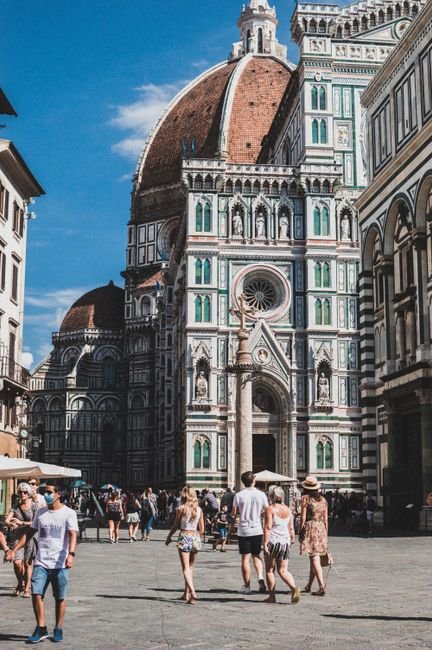
Florence’s cathedral, the Cathedral of Santa Maria del Fiore, is an impressive first stop. Let children admire the patterned marble exterior and look for details in Piazza del Duomo before deciding whether to go inside.
Climbing Brunelleschi’s Dome involves many stairs and is not suitable for every child. Timed tickets are required for the climb, and the route can feel tiring or crowded. Check the official Duomo complex website for current access details and ticket information.
Tip 2 – Turn Piazza della Signoria into an outdoor art stop
Piazza della Signoria is a lively square where kids can spot statues and watch the city go by. The Loggia dei Lanzi is an open-air sculpture gallery, so it offers an easy art experience without asking children to stay quiet in a museum.
Make this a short visit rather than a long lesson. The square is busy, and the stone paving can be uneven, so keep an eye on little ones and strollers.
Tip 3 – Choose one focused visit to the Uffizi

The Uffizi Gallery is a major art museum, but a full visit can be a lot for young children. Choose a few works to look for, such as Botticelli’s The Birth of Venus, and keep the visit short enough that everyone still has energy afterward.
Book ahead when possible, check family ticket and entry information, and arrive with a simple plan. The Uffizi Galleries official website publishes visitor information and current museum details.
Tip 4 – Meet Michelangelo’s David at the Accademia
The Galleria dell’Accademia is home to Michelangelo’s David. Children who have heard the story of David may enjoy seeing the enormous sculpture in person, but the museum is relatively focused, which can make it easier to manage than a sprawling collection.
Reserve timed entry if available for your dates. Explain in advance that the gallery is a museum, not a place to run or touch the art, and plan a snack stop for afterward.
Tip 5 – Let kids roam in the Boboli Gardens
Boboli Gardens offer paths, fountains, sculptures, and room to take a break from Florence’s busy center. The gardens are a good change of pace after museums, though the paths include slopes and steps.
Bring water and sun protection, especially in warm weather. Check current opening details before you go, and remember that the gardens are large enough to tire small children if you try to cover every path.
Tip 6 – Watch the sunset from Piazzale Michelangelo
Piazzale Michelangelo has a wide view across Florence, including the Arno River and the cathedral dome. It is a memorable place for family photos, especially in the evening when the light softens.
The viewpoint is uphill from the historic center. You can walk up if your family is comfortable with the climb, or take a local bus and check the current route before setting out. It can be crowded near sunset, so keep children close.
Tip 7 – Make science and history hands-on at Museo Galileo
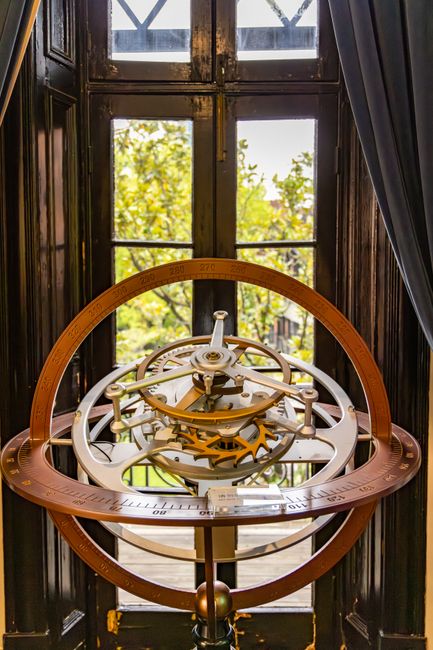
Museo Galileo displays historic scientific instruments and offers a different kind of museum visit from Florence’s art galleries. Older children may enjoy hearing about Galileo and looking closely at globes, telescopes, and other objects.
Some displays are more interesting with a little explanation, so choose a few sections rather than expecting children to absorb every room. Check the museum’s current visitor information and opening hours before you go.
Tip 8 – Take a spin on the carousel in Piazza della Repubblica
The old-fashioned carousel in Piazza della Repubblica is a simple treat for younger children. It is an easy stop while walking between central sights, and the surrounding cafés make it convenient for a drink or snack.
It is a small attraction, not a full activity, and rides cost extra. Treat it as a fun pause rather than a reason to plan your whole day around the square.
Tip 9 – Make gelato part of the sightseeing plan
A gelato stop can help break up a warm afternoon of walking. Look for shops that display gelato in covered metal tubs or simple containers, and choose a place away from the busiest tourist corners if you want a calmer break.
Ask about ingredients if anyone in your family has allergies. Italian phrases such as “senza latte” (without milk) or “senza frutta secca” (without nuts) can help start the conversation, but confirm allergens directly with staff.
Tip 10 – Try a family-friendly cooking class

A cooking class can give children a hands-on way to learn about Tuscan food. Some local providers offer family sessions focused on making pasta, pizza, or other simple dishes. Check the minimum age, class length, and whether the meal is included before booking.
Choose a class that fits your family’s schedule and dietary needs. It is usually best to reserve in advance, particularly during school holidays and the busy summer season.
Tip 11 – Browse the artisan workshops of Oltrarno
Oltrarno, across the river from the Duomo, is known for craft workshops and a more neighborhood feel in some streets. Walk slowly and let children look at shop windows, handmade paper, leather goods, or restoration work where workshops welcome visitors.
Keep expectations flexible: some businesses are working studios rather than attractions, and opening hours can vary. Be respectful about taking photographs and ask before entering a workshop space.
Tip 12 – Cross Ponte Vecchio and follow the Arno
Ponte Vecchio is one of Florence’s best-known bridges, lined with shops and busy with visitors. Children may enjoy watching the river from the bridge, then continuing along the Arno for a quieter stretch.
The bridge can become crowded, especially in the middle of the day. Hold hands with younger children and avoid stopping in the busiest flow of foot traffic for photos.
Tip 13 – Find room to play at Parco delle Cascine

Parco delle Cascine is Florence’s large riverside park and a welcome change from narrow central streets. Families can walk, cycle where permitted, or simply let children stretch their legs in a more open setting.
The park is some distance from the main historic sights, so plan your route and check local transport options. Bring water and snacks, and keep normal city awareness around quieter or less busy areas.
Tip 14 – Take a short outing to Fiesole
Fiesole sits on a hill above Florence and makes a pleasant half-day trip for families who want a change of scenery. The town has views over the city and an archaeological area with Roman remains.
Check local bus times and the archaeological site’s current opening details before travelling. The journey and walking may be less convenient with a stroller, so consider your children’s ages and energy levels.
Tip 15 – Sample Tuscan food at Sant’Ambrogio Market
Sant’Ambrogio Market is a local market where families can look at seasonal produce and find casual food options. It offers a less formal way to introduce children to Tuscan ingredients and everyday market life.
Markets are busiest around lunchtime and may have different hours on different days. Check before you go, and bring cash as a backup even if many stalls accept cards.
Tip 16 – Keep a rainy-day option ready
Florence has enough museums and indoor attractions to fill a wet afternoon, but children may not want another long art visit. Museo Galileo, the Museo degli Innocenti, and smaller museum collections can offer a change of subject. Check age suitability, current exhibits, and opening times before choosing.
If you are used to planning family outings around indoor activities, this guide to 20 Fun and Best indoor things to do in austin offers another example of how to keep a rainy-day plan varied.
Tip 17 – Balance sightseeing with a playground break
Children often enjoy Florence more when the day includes time to play rather than one attraction after another. Add a park or playground stop between major sights, or return to your accommodation for a quiet break during the hottest part of the afternoon.
Some central public spaces are better for sitting than active play. Ask your accommodation about nearby playgrounds and check the route before heading out.
Tip 18 – Walk when it works, and use buses for longer hops
Many central sights are within walking distance, but cobbled streets and long days can be tiring. Florence’s local buses can help with uphill journeys or trips farther from the center. Check current routes, fares, and ticket-validation rules through the local transport operator before travel.
Strollers are useful, but narrow pavements and uneven paving can make some routes awkward. A lightweight stroller is often easier to manage than a large one, and comfortable walking shoes matter for everyone.
Tip 19 – Book the most popular sights before your trip
Timed tickets can make visits to the Uffizi, Accademia, and the Duomo complex easier to plan. Book through official channels where possible, check what the ticket includes, and read the arrival instructions carefully.
Leave open space in your itinerary. A family day can take longer than expected, and a missed timed entry may be difficult to rearrange during busy periods.
Tip 20 – Avoid the common mistake of packing too much into one day
The most common family travel mistake in Florence is trying to fit several major museums, the cathedral, a long walk, and a late dinner into one day. Choose one or two main activities, then add a nearby square, garden, or meal rather than crossing the city repeatedly.
Keep bags zipped in crowded areas, watch for bicycles and scooters, and agree on a meeting point if your group gets separated. Save the local emergency number, 112, in your phone, and ask your accommodation for help finding the appropriate local service if needed.
Quick reference for a family visit to Florence
| Plan | Helpful approach |
|---|---|
| Best pace | One major attraction plus a park, square, or relaxed meal |
| Good outdoor breaks | Boboli Gardens, Parco delle Cascine, and Piazzale Michelangelo |
| Indoor options | Uffizi, Accademia, Museo Galileo, and Museo degli Innocenti |
| Getting around | Walk central routes and use local buses for longer or uphill trips |
| Useful booking tip | Check official museum and Duomo websites for timed entry and current rules |
| Pack | Comfortable shoes, refillable water bottles, sun protection, and a light rain layer |
Practical tips for visiting Florence with children
Choose the right time of year
Spring and early autumn often bring comfortable sightseeing weather, though popular sights can still be busy. Summer can be hot and crowded, so plan outdoor walks for earlier or later in the day and take a midday rest. Winter visits may be quieter, but check opening hours and pack layers for cool or wet weather.
Use local information and transport tools
Check the official Florence tourism website for visitor information, city events, and ideas for exploring the city. For public transport, use current information from the local operator and confirm routes and ticket rules before boarding.
Download maps for offline use before you leave your accommodation. Save your hotel address, ticket confirmations, and emergency contact details on your phone, and carry a portable battery if you rely on digital tickets or navigation.
Plan meals around children’s routines
Florence has plenty of family-friendly places to eat, including pizzerias, cafés, and casual trattorias. Lunch is often a convenient time for a substantial meal, while dinner may start later than some families are used to. Check restaurant hours and consider booking for a group.
Children can try familiar dishes such as pasta, pizza, bread, and seasonal fruit. Learn a few useful phrases: “per favore” means please, “grazie” means thank you, and “il conto, per favore” means the bill, please.
Know local customs and everyday safety basics
Dress respectfully when entering churches. Shoulders and knees may need to be covered, and staff can refuse entry if clothing does not meet the site’s rules. Keep voices low in places of worship and do not touch artworks or historic surfaces.
Florence is a busy city, so use the same care you would in any popular destination. Keep valuables secure, watch children closely near roads and crowded bridges, and use marked pedestrian crossings. If you need urgent help in Italy, call 112.
Visa & Entry Requirements
Florence is in Italy, which is part of the Schengen Area. Entry requirements depend on each traveler’s passport, purpose of travel, length of stay, and current government policy. Some visitors need a short-stay visa before travelling, while others may be able to visit without one for a limited period. Do not assume that rules for one nationality apply to your family.
Before booking, check Italy’s official Visa for Italy portal and the relevant Italian embassy or consulate. These sources can help you confirm whether you need a visa and what documents to prepare. Requirements can change, so check again close to departure. This information is a practical starting point, not legal advice or a guarantee of entry.
Check that each traveler’s passport meets the rules that apply to their situation. Depending on nationality and travel status, authorities may require a particular amount of passport validity beyond the planned departure date, as well as available blank pages. Confirm whether a visa or electronic travel authorization is required, and whether children need their own documents or additional paperwork.
Be prepared to show a return or onward ticket, proof of accommodation, and evidence that you can support your stay if requested. Travel insurance is strongly worth considering for medical costs, cancellations, and lost belongings, even where it is not a specific entry requirement. Vaccination rules and health documentation depend on current policy and the traveler’s circumstances, so consult official guidance before departure.
Check customs allowances and declaration rules for items you are carrying into Italy, especially food, medicines, cash, and goods purchased outside the European Union. Rules vary by item and origin. If your trip includes other Schengen countries, check how your itinerary affects the permitted stay. Keep copies of important documents separate from the originals and confirm the latest information with official government sources before travelling.
FAQs about things to do with kids in florence
Is Florence good for a family trip?
Yes. Florence has world-famous sights, walkable central areas, gardens, markets, and family-friendly food. It is easiest with children when you plan a relaxed schedule and allow breaks between major attractions.
What are the best things to do with kids in florence if we only have one day?
Choose one major sight, such as the Duomo area or a short museum visit, then spend time in a nearby square and enjoy a gelato stop. Avoid trying to see several large museums in a single day.
Do I need to book Florence attractions in advance?
Advance booking is useful for popular museums and attractions with timed entry, including the Uffizi, Accademia, and parts of the Duomo complex. Check official websites for current ticket arrangements and entry conditions.
Can you explore Florence with a stroller?
Yes, but some streets have cobbles, narrow pavements, and steps. A lightweight stroller is generally easier to manage, and it helps to plan routes with fewer stairs where possible.
What are some free things to do with kids in florence?
Families can walk through Piazza della Signoria, admire the Duomo from outside, cross Ponte Vecchio, explore public squares, and spend time in parks. Some gardens and museums charge admission, so check before you go.
When is the best time to visit Florence with children?
Spring and early autumn can offer pleasant conditions for walking. Summer has longer days but often brings heat and crowds, so schedule outdoor activities for cooler hours and take regular water breaks.
What should families pack for Florence?
Bring comfortable walking shoes, refillable water bottles, sun protection, a light rain layer, and any needed medicines. If you plan to enter churches, pack clothing that covers shoulders and knees.
Conclusion: things to do with kids in florence
The best things to do with kids in florence are not limited to museums. A family day can include a famous view, a short art visit, a garden break, a market lunch, and a gelato stop without feeling rushed.
Choose activities that suit your children’s ages and interests, and book the most popular sights ahead when needed. Keep water and comfortable shoes close, check current opening information, and leave room in the plan for an unplanned square or snack break.
With a steady pace and a few practical preparations, Florence can be a rewarding destination for the whole family. Pick a couple of highlights each day and enjoy the city between them.
