
Key Takeaways
- Old Montreal offers centuries‑old architecture and cobblestone charm.
- Montreal’s food scene blends classic poutine with world‑class restaurants.
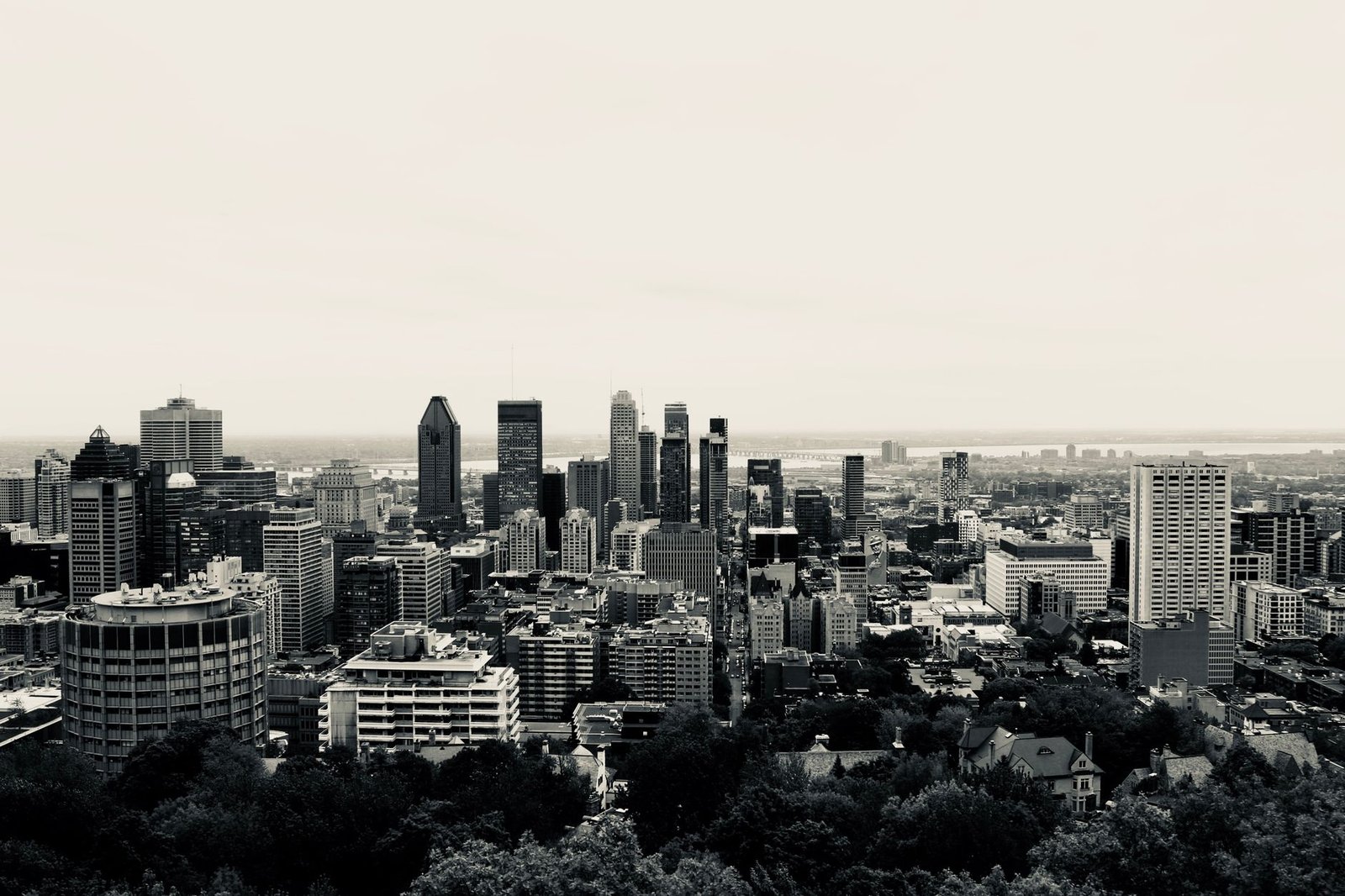
- Mount Royal provides city‑wide views and year‑round outdoor activities.
- Neighborhoods like Plateau and Mile End showcase local art, cafés, and culture.
Montreal is a city that effortlessly blends European charm with North‑American energy. Whether you’re wandering the narrow lanes of Old Montreal, tasting the iconic poutine, or hiking up Mount Royal for a skyline view, the Top things to do in montreal are as diverse as the city’s cultural mosaic. This guide walks you through the must‑see sites, neighborhoods, and seasonal events so you can plan a trip that feels both relaxed and unforgettable.
From world‑class museums to bustling food markets, Montreal offers experiences that suit history buffs, food lovers, outdoor enthusiasts, and art seekers alike. Each section below provides practical tips, recommended spots, and insider advice to help you make the most of your visit.
Explore Old Montreal
Historic Sites
Old Montreal (Vieux‑Montréal) is the city’s historic heart, with stone buildings dating back to the 17th century. Start at the iconic Place Jacques‑Cartier, where street performers and cafés create a lively atmosphere. Nearby, the Notre‑Dame Basilica impresses with its soaring Gothic Revival interior and stunning stained‑glass windows. A short walk brings you to the Old Port, where you can see the historic clock tower and enjoy riverfront promenades.
Don’t miss the Bonsecours Market, a former 19th‑century marketplace now housing boutique shops and artisan stalls. The building’s grand dome and ironwork are photo‑worthy, and the interior offers local crafts, souvenirs, and seasonal food items. For a deeper dive into the city’s past, the Pointe-à-Callière Museum sits on the archaeological site of Montreal’s original settlement.
- Visit the Château Ramezay for a glimpse of colonial life.
- Take a guided walking tour to learn about the hidden courtyards and stories.
- Enjoy a coffee at one of the many cafés lining Rue Saint‑Paul.
Walking Tours
Self‑guided walking tours are a flexible way to explore Old Montreal at your own pace. Download a free map app, or pick up a printed guide from the tourist office on Rue Saint‑Paul. Look for the distinctive iron lanterns and the cobblestone streets that have survived centuries of change.
For a thematic experience, join a Ghost Tour in the evening. Guides share spooky legends about the city’s early days, while you stroll past historic sites illuminated by lantern light. If you prefer a culinary focus, a Foodie Walk highlights bakeries, chocolate shops, and the famous Montreal bagel spots.
- Start at Place d’Armes and work east toward Rue de la Commune.
- Pause at the Bonsecours Market for a snack.
- Finish with a sunset view from the Old Port’s waterfront.
Café Culture
Old Montreal’s cafés are perfect for people‑watching and savoring a croissant or espresso. The historic Café Olimpico on Rue Saint‑Paul has been serving strong coffee since the 1970s, while Le Central offers a modern brunch menu in a sleek setting.
Many cafés feature outdoor seating, allowing you to soak up the European‑style ambience. Pair your drink with a local pastry such as a pain au chocolat or a freshly baked bagel from the nearby St‑Viateur Bagel shop.
Take advantage of the slower pace in the morning, when the streets are less crowded and the aroma of fresh coffee fills the air.
Savor Montreal’s Food Scene
Iconic Dishes
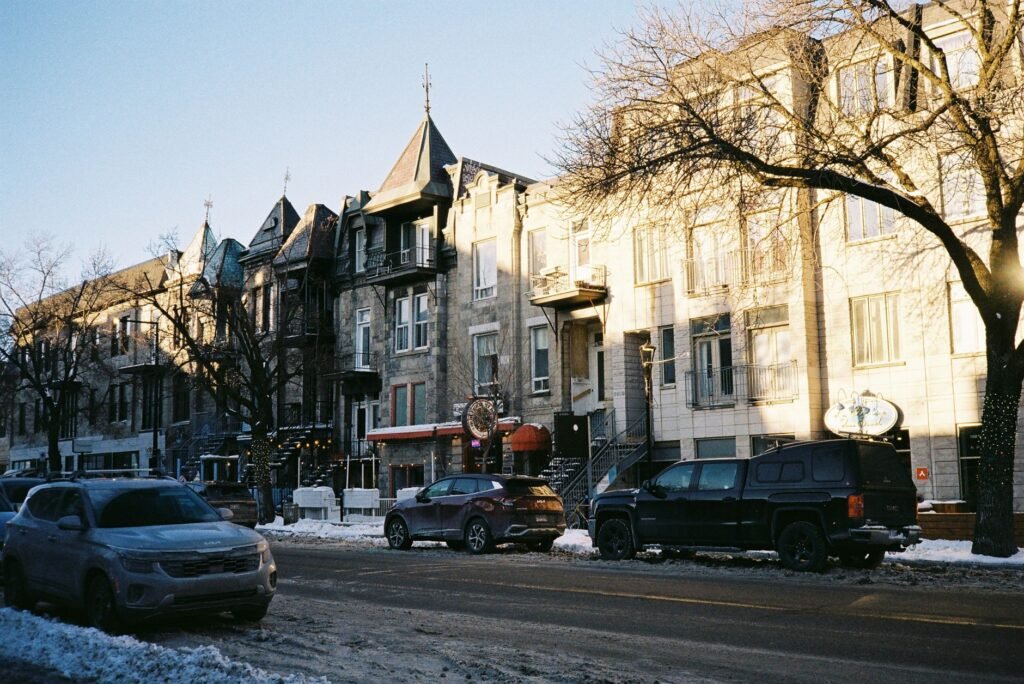
Montreal is famous for its comfort foods that reflect the city’s French‑Canadian roots. The most celebrated is poutine, golden fries smothered in cheese curds and rich gravy. Classic spots like La Banquise serve dozens of variations, from smoked meat to vegetarian versions.
Another must‑try is the Montreal bagel, which is smaller, denser, and sweeter than its New York counterpart. Head to St‑Viateur or Fairmount Bagel for a warm, boiled‑then‑baked bagel, typically enjoyed with cream cheese or smoked salmon.
Don’t overlook the smoked meat sandwich at Schwartz’s Deli. The hand‑sliced, peppery meat piled on rye bread is a culinary institution, and the line outside is part of the experience.
Food Markets
The Jean‑Talon Market in Little Italy is a bustling hub of fresh produce, local cheeses, and artisanal goods. Open year‑round, the market’s seasonal stalls showcase strawberries in summer, pumpkins in fall, and hearty root vegetables in winter.
For a more eclectic vibe, visit the Atwater Market. Its riverside location offers a mix of gourmet shops, butcher stalls, and a lively Sunday brunch scene. Grab a croissant and a coffee, then stroll along the Lachine Canal for a relaxing afternoon.
- Try the maple‑infused pastries at Maison Christian Faure.
- Sample local cheese at Fromagerie le Détour in the Mile End.
- Enjoy fresh seafood at Le Bremner on the Old Port.
Restaurant Neighborhoods
The Plateau Mont‑Royal area is a hotspot for trendy eateries, ranging from upscale bistros to casual brunch spots. Streets like Saint‑Laurent and Mont‑Royal Avenue host a mix of cuisines, Japanese, Lebanese, and modern Canadian.
Mile End, known for its artistic vibe, offers a concentration of coffee shops, vegan cafés, and innovative bakeries. Don’t miss St‑Viateur Bagel for a late‑night snack, or Bagel Etc. for a creative spin on the classic bagel.
Little Italy’s Saint‑Laurent Boulevard features family‑run trattorias serving homemade pasta, wood‑fired pizza, and gelato. The annual Italian Week in June brings street festivals and special menus.
Art and Culture Highlights
Museums
Montreal’s museum scene rivals any major city. The Montreal Museum of Fine Arts (MMFA) houses an extensive collection ranging from European masters to contemporary Canadian artists. Its multiple pavilions, including the historic Michal and Renée building, provide varied exhibition spaces.
The Pointe‑aux‑Trembles Museum focuses on Indigenous art and history, offering insight into the First Nations communities of Quebec. Interactive displays make it suitable for families.
For a quirky experience, visit the McCord Museum, which showcases the social history of Montreal through artifacts, photographs, and immersive installations.
Street Art
Montreal’s streets double as open‑air galleries. The Plateau neighborhood is especially known for vibrant murals that celebrate local musicians, cultural icons, and social movements. Walking along Boulevard Saint‑Laurent, you’ll encounter large‑scale works by artists like Ricky and Rococo.
Guided street‑art tours, often led by local artists, provide context about the pieces and the neighborhoods they inhabit. Many tours also include stops at independent galleries and art cafés.
Don’t miss the Graffiti Alley behind the Saint‑Joseph’s Oratory, where ever‑changing tags and large‑scale paintings create a dynamic visual experience.
Performance Venues
The Place des Arts is Montreal’s premier performing‑arts complex, hosting opera, ballet, theatre, and the famous Jazz Festival. Its modern architecture and multiple concert halls make it a cultural hub.
For indie music, head to Casa del Popolo in Mile End. This intimate venue showcases emerging local bands and occasional international acts. The atmosphere is relaxed, with a small bar serving craft beers.
Comedy lovers can enjoy English‑language shows at The Comedy Nest or French‑language performances at Théâtre Saint‑Denis. Both venues offer a mix of stand‑up, improv, and sketch comedy.
Parks and Outdoor Spaces
Mount Royal Park
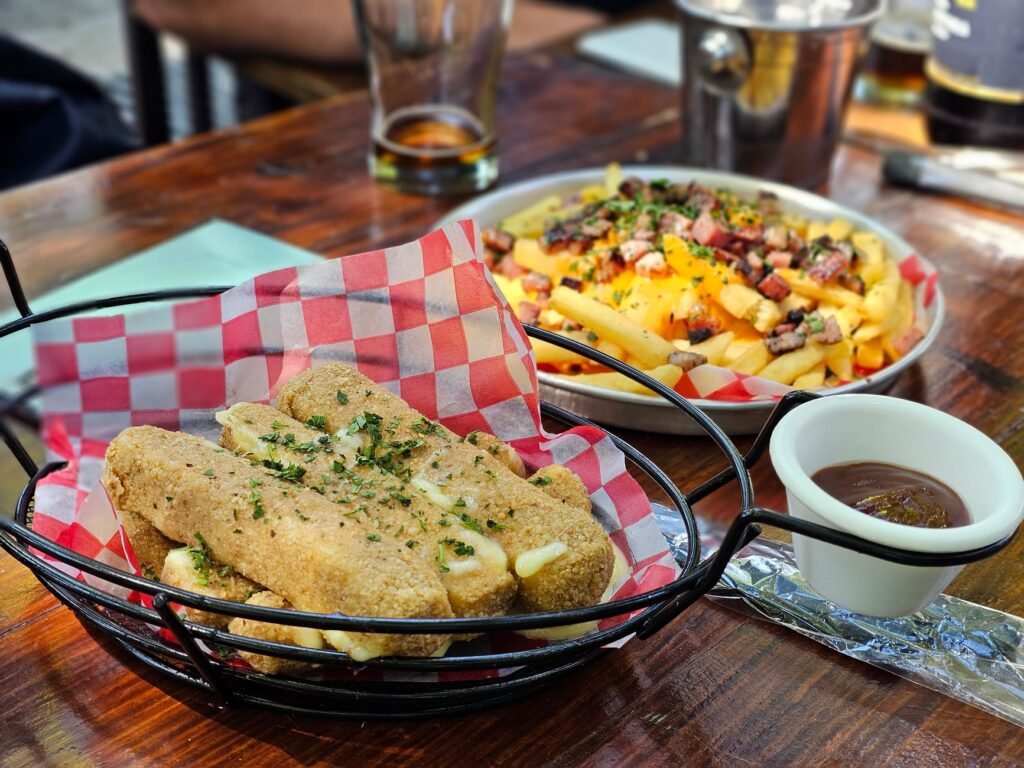
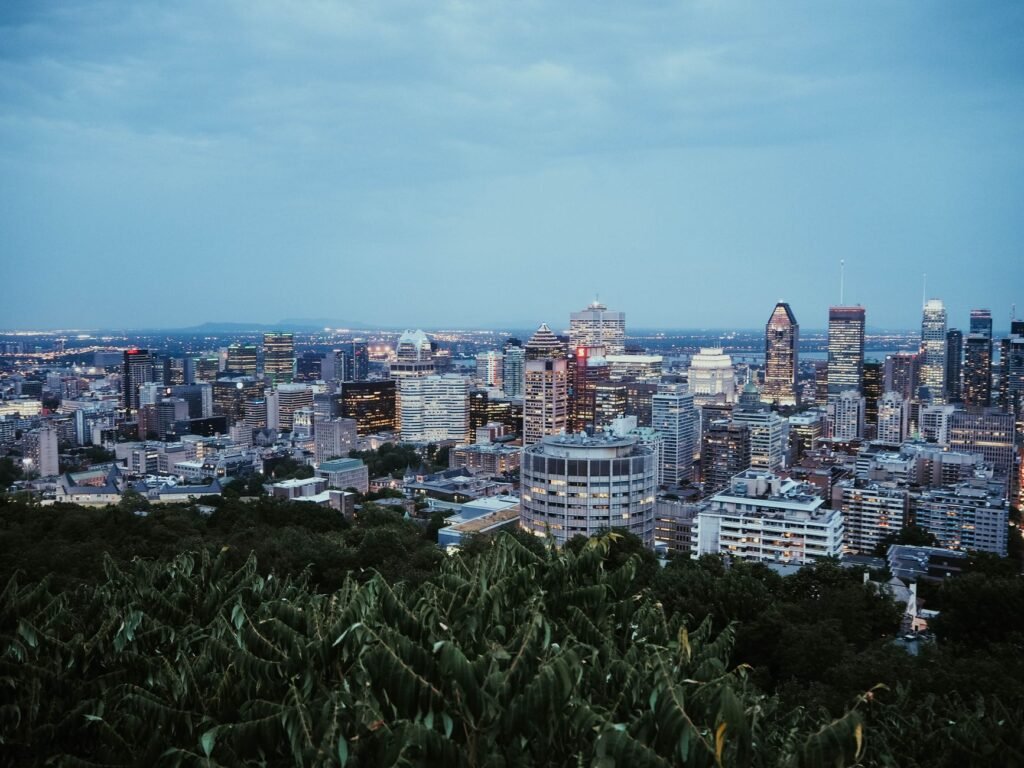
Designed by Frederick Law Olmsted, the same landscape architect behind New York’s Central Park, Mount Royal Park offers 200 hectares of forested trails, lookout points, and recreational facilities. The iconic Mount Royal Chalet provides panoramic views of the downtown skyline.
In summer, locals picnic on the grassy knolls, jog along the winding paths, or rent a paddle‑boat on Beaver Lake. Winter brings cross‑country skiing, snowshoeing, and the famous “Tam‑Tam” hill for sledding.
For a short, family‑friendly hike, follow the Olmsted Trail to the Kondiaronk Belvedere, where you can capture a postcard‑perfect photo of the city.
Botanical Garden
The Montreal Botanical Garden is one of the world’s largest, featuring themed gardens such as the Japanese Garden, Chinese Garden, and the impressive Insectarium. Seasonal flower displays draw photographers and nature enthusiasts alike.
Each garden is meticulously designed, offering quiet pathways, educational signage, and seasonal events like the Spring Orchid Show. Families appreciate the interactive children’s garden, which includes a mini‑farm and water play area.
Plan at least a half‑day visit to fully explore the 22 thematic gardens and the extensive greenhouse complex.
Lachine Canal
The historic Lachine Canal stretches 14.5 km, providing a scenic waterfront trail for cyclists, walkers, and rollerbladers. Rent a bike from one of the many stations and follow the path past industrial heritage sites and modern cafés.</n
During summer, the canal’s calm waters invite kayaking, paddle‑boarding, and small‑boat tours. Picnic spots line the banks, making it a perfect spot for a relaxed afternoon with a view of the city’s skyline.
Even in winter, the canal’s towpath is groomed for cross‑country skiing, offering a unique way to experience Montreal’s snowy landscape.
Neighborhoods to Wander
Plateau Mont‑Royal
The Plateau’s colorful row houses, spiral staircases, and vibrant street art make it a photographer’s dream. Stroll along Avenue du Mont‑Royal to discover boutique shops, vintage stores, and an eclectic mix of cafés.
Foodies love the Plateau for its brunch culture, places like L’Avenue and Café Olimpico serve inventive dishes and strong coffee. The area’s nightlife includes bars with live music, craft cocktails, and a relaxed vibe.
Don’t miss the iconic St‑Laurent Boulevard mural wall, where local artists continuously refresh the artwork.
Mile End
Mile End is a cultural melting pot known for its indie music scene, artisanal bakeries, and vibrant Jewish heritage. The neighborhood’s streets are lined with small bookstores, record shops, and hip cafés.
Try the famous bagels at St‑Viateur and pair them with a coffee from Café Olimpico. For a sweet treat, stop by St. Viateur’s for a fresh croissant or the renowned La Diperie for rolled ice cream.
Evenings in Mile End often feature live music at venues like Casa del Popolo or intimate jazz sets at Le Petit Lounge.
Little Italy
Little Italy’s Saint‑Laurent Boulevard offers a slice of Italy in the heart of Montreal. Family‑run trattorias serve homemade pasta, fresh mozzarella, and authentic espresso.
The annual Italian Week in June transforms the neighborhood with street festivals, live music, and special menus highlighting regional Italian dishes.
For a quick snack, grab a cannoli from Casa Italia or a gelato from Gelato Mondo. The neighborhood’s relaxed vibe makes it perfect for an evening stroll.
Seasonal Activities
Winter Festivals
Montreal’s winter calendar is packed with festivals that celebrate the cold. The Montreal en Lumière festival combines gastronomy, arts, and outdoor light installations, turning the city into a luminous wonderland.
Another highlight is the Igloofest, an outdoor electronic music festival held on the Old Port’s frozen river. Attendees bundle up in creative winter costumes while dancing to international DJs.</n
Don’t forget the Christmas Markets at Place Jacques‑Cartier, where you can shop for handcrafted gifts, sip mulled wine, and enjoy festive music.
Summer Festivals
Summer in Montreal bursts with music and culture. The world‑renowned Montreal International Jazz Festival spans three weeks, featuring over 3,000 artists on dozens of stages across the city.
Another must‑see event is the Just for Laughs comedy festival, which attracts top comedians from around the globe. Street performances, improv shows, and stand‑up sets fill venues from the Old Port to the Plateau.
For family‑friendly fun, the Montreal Fireworks Festival (L’International des Feux Loto‑Québec) lights up the night sky over the Saint‑Lawrence River with synchronized pyrotechnics and music.
Spring Blossoms
Spring brings a burst of color to Montreal’s parks and gardens. The Botanical Garden’s cherry blossom festival draws crowds who come to admire pink and white blooms across the grounds.
Mount Royal’s trails become lush with new foliage, making it ideal for hiking and bird‑watching. The city’s many outdoor cafés open their terraces, inviting visitors to enjoy the milder weather with a coffee.
Spring is also the start of the Montreal International Film Festival (Festival du Nouveau Cinéma), showcasing innovative films and interactive installations.
| Attraction | Type | Best Time to Visit |
|---|---|---|
| Old Montreal | Historic district | Spring to Fall |
| Mount Royal Park | Outdoor recreation | All seasons |
| Montreal Jazz Festival | Music festival | July |
| Jean‑Talon Market | Food market | Year‑round |
| Plateau Mont‑Royal | Neighbourhood | Spring to early Fall |
Frequently Asked Questions
What is the best time of year to visit Montreal?
Montreal is enjoyable year‑round, but many travelers prefer late spring (May‑June) and early fall (September‑October) for mild weather, vibrant festivals, and fewer crowds.
How do I get around the city?
The city’s public transit system, operated by STM, includes a comprehensive metro network and bus routes. An OPUS card offers unlimited rides and can be purchased at metro stations.
Do I need to speak French?
While French is the official language, most Montrealers are bilingual. English signage is common in tourist areas, and most staff in hotels, restaurants, and attractions speak English.
Are credit cards widely accepted?
Yes, major credit cards (Visa, Mastercard, American Express) are accepted at most hotels, restaurants, and shops. Some smaller cafés or market stalls may prefer cash, so having a modest amount of Canadian dollars is helpful.
The Bottom Line
Montreal offers a rich tapestry of history, food, art, and outdoor adventure. From strolling the cobblestones of Old Montreal to savoring a plate of poutine, the city’s diverse attractions ensure every traveler finds something to love. Use this guide to plan your itinerary, stay flexible, and enjoy the vibrant culture that makes Montreal a must‑visit destination.
