
Key Takeaways
- Sedona’s red‑rock trails offer options for every fitness level.
- Vortex sites provide a unique spiritual experience.
- Scenic drives give unparalleled photo opportunities.
- A vibrant arts scene and diverse dining round out the visit.
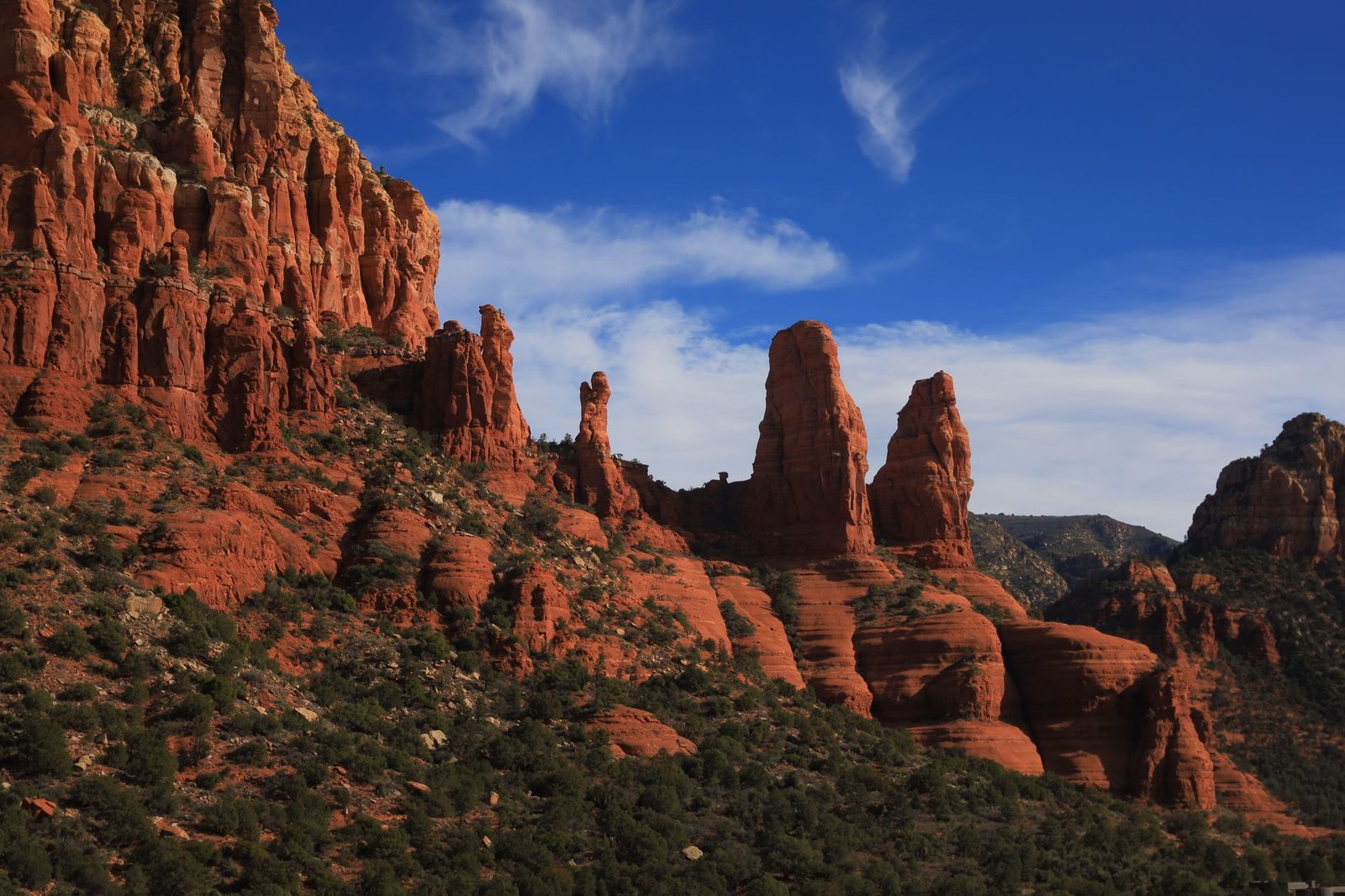
When you type Top things to do in sedona into a search engine, you’re looking for a mix of adventure, natural beauty, and a touch of mystique. Sedona, Arizona, delivers on all of those fronts with its towering sandstone formations, crystal‑clear skies, and a welcoming small‑town vibe. Whether you’re a seasoned hiker, a spiritual seeker, or a family looking for easy fun, this guide breaks down the best experiences so you can plan a trip that feels both unforgettable and doable.
In the pages that follow, you’ll find practical advice on when to visit, how to navigate the popular sites, and where to refuel after a day of exploration. The suggestions are rooted in real, well‑known attractions, and we’ve kept the tone warm and enthusiastic while staying honest about effort, crowds, and seasonal quirks. Let’s dive into the Top things to do in sedona and start shaping your itinerary.
Top things to do in sedona: Outdoor Adventures
Red Rock Hiking Trails
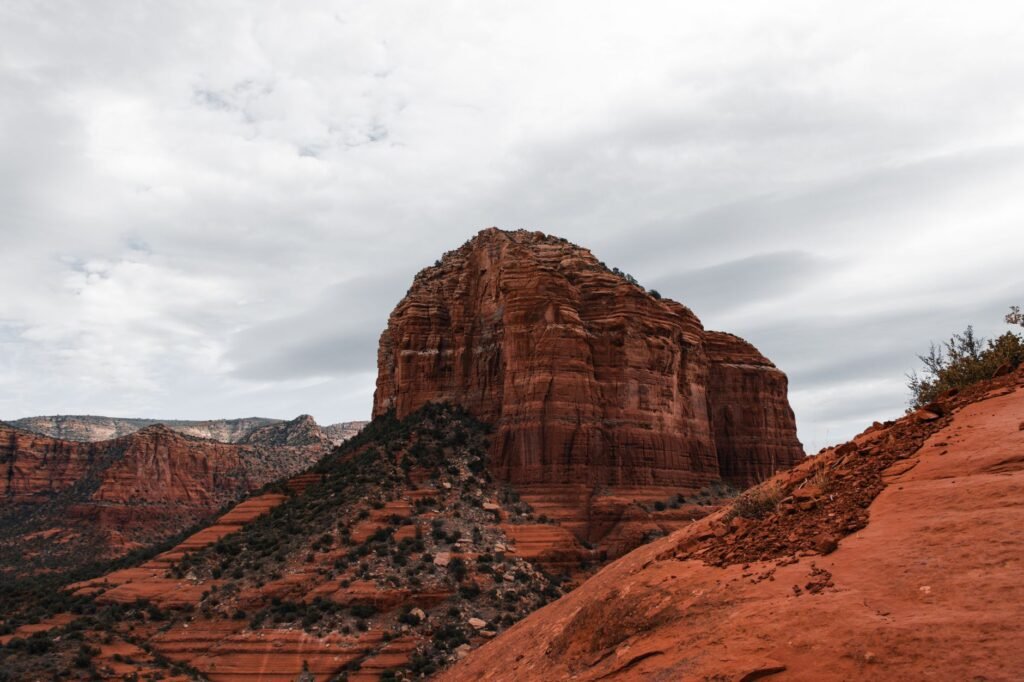
Hiking is the heart of Sedona’s appeal, and the area boasts a network of trails that wind through crimson cliffs, pine forests, and hidden canyons. For beginners, the Bell Rock Pathway offers a gentle climb with rewarding views of the eponymous bell‑shaped formation. The trail is well‑marked and typically takes 1-2 hours round‑trip, making it perfect for a morning warm‑up.
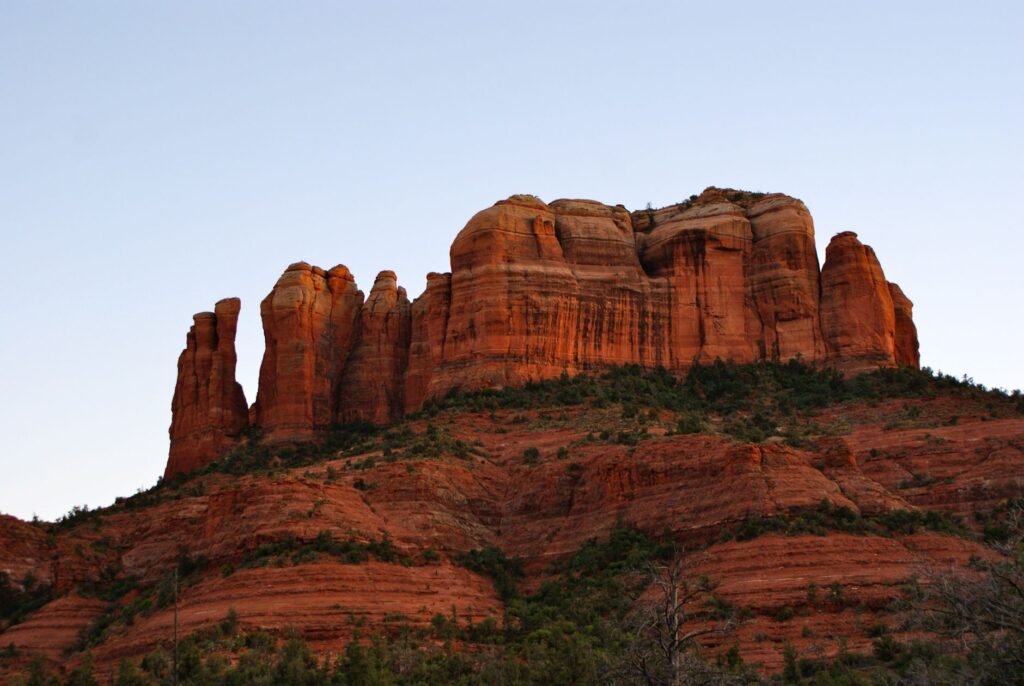
Intermediate hikers often gravitate toward Cathedral Rock. The ascent is short but steep, with a scramble near the summit that provides a dramatic backdrop for photos. Expect a 1.5‑hour hike that leaves you breathless from the climb and the scenery. Bring water, wear sturdy shoes, and consider starting early to avoid the midday heat.
For those seeking a full‑day challenge, the West Fork Trail in Oak Creek Canyon is a favorite. This 6‑mile out‑and‑back route follows a cool creek, passes through towering sycamores, and offers multiple side‑trail options. The trail’s length and varied terrain make it a solid choice for an all‑day adventure, especially in the cooler months of October through April.
Scenic Drives and Lookouts
The Red Rock Scenic Byway (SR 179) is a designated All‑American Road that showcases Sedona’s most photographed cliffs. The drive is only a few miles long, but it includes pull‑outs at Airport Mesa, Schnebly Hill, and Red Rock Crossing, each offering a different perspective of the landscape. Stop often, take short walks, and let the light change the colors of the stone.
Another must‑see route is the Oak Creek Canyon Drive (AZ‑89A). This winding road follows the creek through a forested canyon, with occasional vistas that reveal the juxtaposition of green and red. The drive is especially beautiful in fall when the foliage adds gold and amber tones.
For a panoramic experience, head to Airport Mesa Overlook. A short paved path leads to a platform where you can see Sedona spread out below, framed by the iconic red formations. The view is especially striking at sunset, when the sky turns pink and the rocks glow.
Table: Popular Trails Comparison
| Trail | Length (mi) | Difficulty | Highlights |
|---|---|---|---|
| Bell Rock Pathway | 1.5 | Easy | Iconic bell rock views, family‑friendly |
| Cathedral Rock | 1.2 | Moderate | Steep scramble, sunrise photo spot |
| West Fork Trail | 6.0 | Moderate‑Hard | Creekside walk, shaded canyon, wildlife |
| Doe Mountain | 1.8 | Moderate | Flat summit, 360° views, vortex energy |
Spiritual Vortex Sites
What Is a Vortex?
Sedona is famed for its “energy vortices,” locations where the Earth’s magnetic field is thought to be especially strong. Visitors report feelings of clarity, calm, or heightened intuition when standing in these spots. While the scientific community remains skeptical, the experience is real for many travelers and adds a mystical layer to the visit.
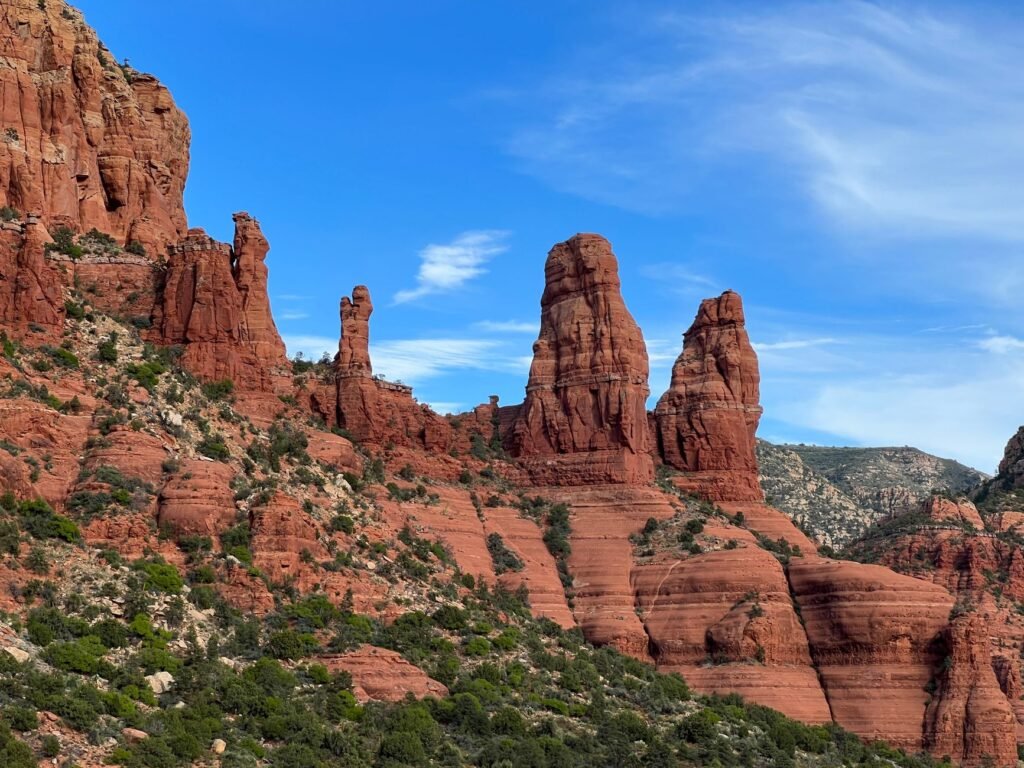
The most popular vortexes are Airport Mesa, Bell Rock, and Boynton Canyon. Each offers a slightly different vibe: Airport Mesa is often described as “up‑flow,” Bell Rock as “balanced,” and Boynton Canyon as “down‑flow.” Whether you’re a skeptic or a believer, the scenery makes the stop worthwhile.
To make the most of a vortex visit, arrive early, walk slowly, and take a few minutes of quiet meditation. Bring a journal if you like to note any thoughts or sensations that arise. Many local shops sell crystal pendants and guidebooks that explain the history and folklore surrounding the sites.
Guided Vortex Tours
If you prefer structure, several local outfitters offer guided vortex tours. These tours typically combine short hikes with a brief talk on the history, geology, and spiritual significance of each location. Guides often include a short meditation session and may provide a small crystal as a keepsake.
Group tours usually last 2-3 hours and can be booked online or at visitor centers. Prices are modest, often ranging from $30 to $50 per person. Check recent reviews to ensure the guide’s style matches your interests, some focus on geology, while others emphasize spirituality.
Even if you opt out of a formal tour, you can create your own vortex itinerary by visiting the three main sites in a single day. Start at Airport Mesa for sunrise, head to Bell Rock for mid‑day, and finish at Boynton Canyon for sunset. The changing light will enhance the sense of energy at each spot.
Art Galleries and Cultural Experiences
First Friday Art Walk
Every first Friday of the month, downtown Sedona’s galleries open their doors for an evening art walk. Local artists display paintings, sculptures, and jewelry inspired by the surrounding red rocks. The event is free, family‑friendly, and a great way to meet creators and learn about the region’s artistic spirit.
Popular galleries on the walk include Exposures Gallery, Sedona Arts Center, and Goldenstein Gallery. Each offers a slightly different focus, from contemporary abstract works to traditional Native American crafts. Many galleries also host live music or short artist talks during the walk.
Because the event draws both locals and tourists, it’s a good idea to arrive early to avoid crowds and to have time for a relaxed conversation with the artists. Bring a small amount of cash if you wish to purchase a piece; many artists prefer cash or mobile payments.
Native American Heritage
Sedona sits within the traditional lands of the Yavapai and Hopi peoples. The Chapel of the Holy Cross and the nearby Palatki Heritage Site offer insight into the area’s ancient history. At Palatki, you can see well‑preserved cliff dwellings and rock art dating back over 800 years.
Guided tours of Palatki are led by certified interpreters who explain the cultural significance of the petroglyphs and the daily life of the ancestors. Reservations are required, especially during peak season, and tours typically last about two hours.
Another cultural highlight is the Sedona Heritage Museum, which showcases artifacts, photographs, and stories from the early settlers and indigenous peoples. The museum’s small size makes it easy to explore in an hour, and the staff are happy to answer questions about the region’s layered history.
Family‑Friendly Attractions
Slide Rock State Park
Located a short drive north of Sedona in Oak Creek Canyon, Slide Rock State Park offers a natural water slide formed by smooth red‑rock slabs. The park is a hit with families during the warmer months, providing a refreshing way to cool off after a hike.
The park has designated swimming areas, picnic tables, and easy walking trails. Lifeguards are on duty during peak season, and the water depth varies, so younger children should be supervised at all times. Admission is modest, with a day‑use fee for vehicles.
Because the park can become busy on weekends, consider arriving early in the morning or on a weekday. The surrounding picnic area is shaded, making it a comfortable spot for a family lunch.
Pink Jeep Tours
For a guided off‑road adventure, Pink Jeep Tours offers a range of options, from the classic “Broken Arrow” trail to the “Sedona Vortex” tour. The rugged vehicles can navigate steep, rocky terrain while the knowledgeable guides share stories about geology, flora, and local folklore.</n
Each tour lasts about 2-3 hours and includes several stops for photo opportunities. The “Broken Arrow” tour is especially popular with families because it balances excitement with safety, and the guides often point out wildlife such as javelinas and rattlesnakes.
Reservations are recommended, especially during holiday periods. While the tours are not cheap, they provide a unique perspective on the red‑rock landscape that’s difficult to achieve on foot.
Dining and Local Flavors
Southwest Cuisine
Sedona’s culinary scene reflects its desert surroundings, with many restaurants featuring locally sourced ingredients, cactus‑infused dishes, and classic Southwest flavors. A standout is The Hideaway House, a family‑run spot known for its homemade pastas topped with prickly pear sauce and a view of the red rocks.
Another favorite is Elote Café, where the menu blends Mexican street food with upscale twists. The roasted corn soup and the blue‑corn enchiladas are crowd‑pleasers, and the restaurant’s outdoor patio offers a relaxed atmosphere.
For a quick bite, try the Wildflower Bread Company. Their salads incorporate fresh desert greens, and the bakery items, especially the almond croissant, are baked daily. Most places in Sedona have vegetarian and gluten‑free options, but it’s wise to ask staff about specific dietary needs.
Wine and Craft Beer
Although not a major wine region, Sedona is close to the Verde Valley, which produces notable Arizona wines. Page Springs Cellars offers tastings in a beautiful garden setting, with a selection of reds, whites, and rosés that pair well with the desert heat.
Beer enthusiasts can visit Oak Creek Brewing Company, a local microbrewery that crafts seasonal ales using regional ingredients like mesquite and sage. The taproom has a relaxed vibe and often hosts live music on weekends.
Many restaurants feature local wine lists, so you can enjoy a glass while taking in the sunset over the red rocks. Ask servers for their recommendations based on the dish you’re ordering.
Seasonal Events and Festivals
Sedona International Film Festival
Held each February, the Sedona International Film Festival showcases independent films from around the world. Screenings take place in various venues, including the historic Rialto Theatre. The festival draws filmmakers, actors, and film lovers, creating a vibrant cultural atmosphere.
Tickets can be purchased for individual screenings or as a pass for the entire weekend. Early‑bird pricing is available, and many events include Q&A sessions with directors. The festival also offers workshops for aspiring filmmakers.
Because February is one of Sedona’s cooler months, the festival is a great excuse to explore indoor attractions while still enjoying the crisp desert air.
Red Rock Music Festival
During the summer months, the Red Rock Music Festival brings together local and regional bands for a series of outdoor concerts. The festival is held at Red Rock State Park, where the natural acoustics enhance the listening experience.
Family‑friendly activities, such as craft booths and food trucks, accompany the music. The event usually runs on weekends in June and July, so it’s wise to bring a hat and sunscreen.
Tickets are affordable, and many performances are free to the public. Check the official website for the current lineup and any COVID‑related updates before you travel.
Practical Tips for Visiting Sedona
When planning your trip, keep these practical considerations in mind to maximize enjoyment and minimize stress.
- Altitude: Sedona sits at about 4,500 feet, so stay hydrated and give yourself time to acclimate.
- Weather: Summer can exceed 100°F, while winter mornings may drop below freezing. Dress in layers and bring sun protection.
- Parking: Popular trailheads often have limited parking. Arrive early or consider using the free shuttle service that runs along the Red Rock Scenic Byway during peak season.
- Leave No Trace: Pack out all trash, stay on marked trails, and respect wildlife.
Finally, remember that Sedona’s charm lies in its blend of natural wonder and laid‑back hospitality. Take time to pause, breathe, and let the scenery sink in. A well‑planned itinerary that balances activity with relaxation will give you the most rewarding experience.
Frequently Asked Questions
When is the best time of year to visit Sedona?
Spring (March to May) and fall (September to November) offer mild temperatures, fewer crowds, and vibrant colors in the desert flora. Summer is hot but ideal for early‑morning hikes, while winter provides cooler days and occasional snow on the higher elevations, creating a striking contrast with the red rocks.
Do I need a permit for hiking or photography?
Most day‑use trails and scenic spots do not require permits. However, certain backcountry areas, such as the West Fork Trail during peak season, may have a limited number of daily permits. Photography is unrestricted, but commercial shoots often need a permit from the Coconino National Forest.
Are dogs allowed on the trails?
Dogs are welcome on many trails as long as they are leashed (6 feet maximum) and owners clean up after them. Trails like Bell Rock and Doe Mountain are dog‑friendly, while some canyon trails restrict pets to protect wildlife and preserve delicate ecosystems.
What are the transportation options within Sedona?
Renting a car is the most convenient way to explore Sedona’s spread‑out attractions. The town also operates a seasonal shuttle that connects major trailheads, galleries, and downtown. Ride‑share services are available, but coverage can be limited in the more remote areas.
The Bottom Line
Sedona’s blend of dramatic red‑rock scenery, spiritual vortex sites, vibrant arts, and welcoming eateries makes it a destination that satisfies a wide range of interests. By prioritizing a few key hikes, exploring the town’s cultural offerings, and timing your visit for optimal weather, you’ll experience the very best of what Sedona has to offer.
