
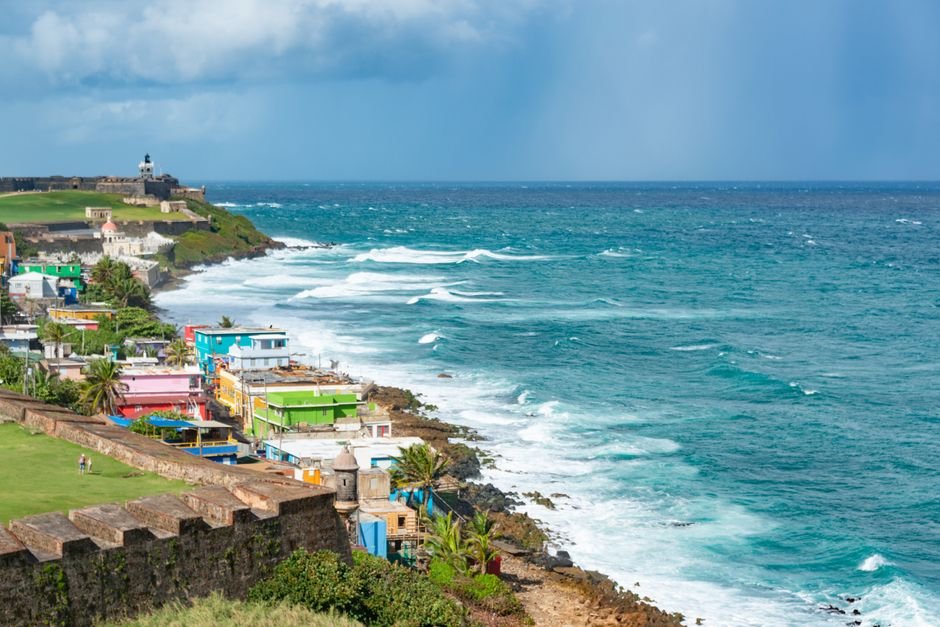
unique things to do in aruba range from exploring Oranjestad’s colorful streets to swimming in quiet coves and crossing the island’s dry interior. Aruba is a small Caribbean country, and its capital, Oranjestad, makes a handy base for seeing both local life and the coast.
Beyond the resort beaches, you can find rugged national park trails, historic ruins, colorful street art, and food shaped by Caribbean, Dutch, and Latin American influences. The island is compact, but some sights are remote, so a little planning helps you make the most of your days.
This guide covers memorable places and practical details for first-time visitors, including transport, safety, family-friendly stops, local customs, and what to book ahead. Aruba has plenty of easy beach days, but the island’s character comes into sharper focus when you venture beyond the hotel strip.
Quick Reference: Unique Things to Do in Aruba
| What to know | Practical detail |
|---|---|
| Best base | Oranjestad for city access and buses; Noord for resort beaches and restaurants |
| Getting around | Use Arubus for major routes, taxis for direct trips, or rent a suitable vehicle for remote areas |
| Best time to visit | Aruba is a year-round destination; December to April is busier, while other months can offer quieter stays |
| Local currency | Aruban florin; US dollars are also widely accepted, but check the exchange rate for any change |
| Pack | Reef-conscious sun protection, water shoes, a reusable bottle, and light layers for breezy evenings |
| Plan ahead | Reserve popular park tours and rental vehicles early, especially during busy travel periods |
20 Unique Things to Do in Aruba
Tip 1 – Explore Oranjestad beyond the cruise port

Oranjestad is more than a place to catch a tour or shop for souvenirs. Walk along the pastel-colored downtown streets, notice the Dutch-influenced architecture, and stop at small cafés or local shops. The area is easiest to explore on foot, though the sun can feel strong even on a short walk.
For background on the island’s attractions and visitor services, start with the official Aruba tourism website. It is useful for checking current visitor information before you head out.
Tip 2 – Visit Fort Zoutman and the Historical Museum
Fort Zoutman is one of Aruba’s oldest surviving buildings and a compact way to get a sense of the island’s past. The adjoining Historical Museum has exhibits on Aruba’s history and culture. Check opening hours before you go, as schedules can change, and allow extra time to explore the surrounding streets in central Oranjestad.
This is a good stop for a hot or rainy part of the day. It also pairs easily with downtown shopping or lunch, so you do not need to arrange a separate trip across the island.
Tip 3 – See the island’s wild side in Arikok National Park

Arikok National Park covers a large part of Aruba’s rugged interior. Its dry hills, cacti, coastal views, caves, and historic sites feel very different from the resort beaches. Some areas are accessible by standard vehicle, but rough tracks and remote attractions often call for a 4×4 or a guided tour.
Check park conditions, access details, and current visitor guidance on the Arikok National Park website. Bring water, sun protection, and sturdy shoes, and do not assume a phone will have reliable signal throughout the park.
Tip 4 – Make the trip to the Natural Pool with a plan
The Natural Pool, also called Conchi, is a rocky ocean pool on Aruba’s northeast coast. Reaching it is part of the adventure: the route is rough, and conditions can make access difficult. Many visitors book a guided 4×4 or UTV tour rather than trying to drive there themselves.
Ocean conditions change, and the pool is not always safe for swimming. Follow your guide’s instructions, wear shoes with grip, and do not climb over wet rocks to get a better photo. If access is closed or the sea is rough, enjoy other park stops instead.
Tip 5 – Visit the Alto Vista Chapel and the north coast
Alto Vista Chapel is a small, peaceful landmark set in Aruba’s open landscape. It is often included in north-coast sightseeing trips, along with stops at the California Lighthouse or nearby viewpoints. Go early or later in the day if you want softer light and a cooler walk around the chapel grounds.
Keep the visit respectful. It is a place of worship as well as a popular stop, so speak quietly and avoid interrupting anyone who is praying.
Tip 6 – Snorkel at Mangel Halto
Mangel Halto is known for clear water, mangroves, and spots for snorkeling. The shoreline is less like a broad resort beach, so bring water shoes and take care entering the water. Conditions vary, and currents can be stronger than they look from shore.
Use reef-conscious sun protection, do not touch coral or marine life, and never snorkel alone. If you are new to snorkeling, ask a local operator about conditions and suitable entry points before getting in.
Tip 7 – Spend a slow morning at Baby Beach
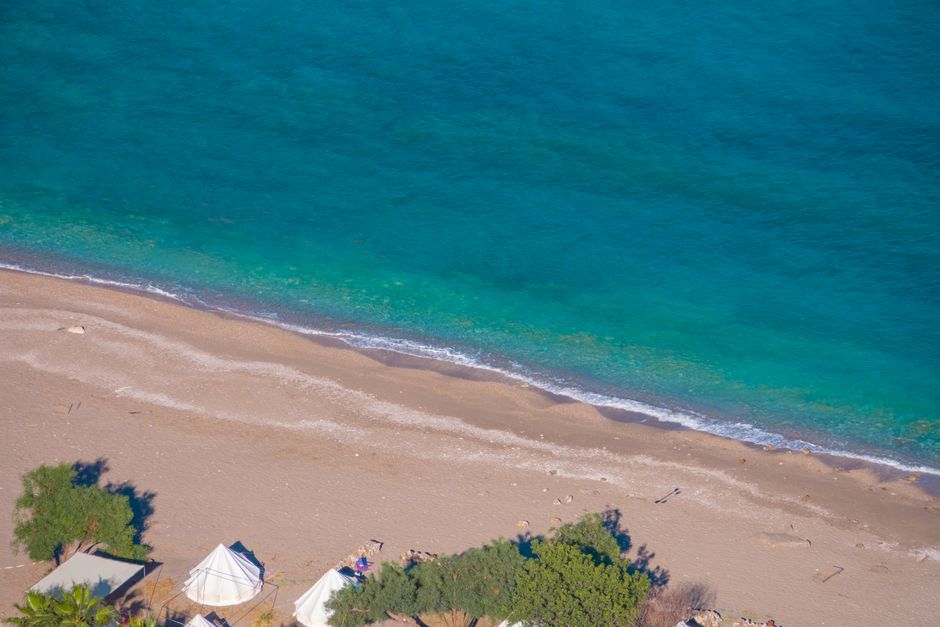
Baby Beach in the southeast is popular with families because parts of the bay are sheltered and the water can be relatively calm. It is still an open-water environment, so watch children closely and pay attention to posted warnings and local conditions.
It takes longer to reach than Palm Beach or Eagle Beach, so plan transport and bring the basics you need for several hours. Facilities and food options can be more limited than at the main resort beaches.
Tip 8 – Look for murals and local culture in San Nicolas
San Nicolas, in the island’s south, is known for colorful murals and a distinct local character. Spend time walking through the town, looking at the public art, and supporting a local café or shop. It makes a worthwhile stop on the way to Baby Beach.
Be considerate when taking photos. The murals are part of a living community, not a theme park, so avoid blocking doorways or photographing residents without permission.
Tip 9 – See the Ayo or Casibari rock formations
Ayo and Casibari are striking clusters of large boulders set in Aruba’s dry interior. Short paths and steps lead between rocks and offer broad views over the landscape. These stops are a good choice if you want a taste of the island’s inland scenery without committing to a full-day hike.
Wear shoes with a secure grip, take water, and be careful on uneven or sun-warmed rock. Visit earlier in the day when possible, as shade is limited.
Tip 10 – Visit the California Lighthouse for wide island views

The California Lighthouse stands near Aruba’s northwestern tip, with open views over the coast and the island’s interior. It is an easy landmark to add to a north-coast drive, especially near sunset. The area can be windy, so bring a light layer if you plan to linger.
Check locally for current access and visiting hours if you hope to go inside. Even if you only stop outside, allow time to enjoy the changing light rather than rushing straight back to the resort.
Tip 11 – See the Bushiribana Gold Mill Ruins
The Bushiribana Gold Mill Ruins are a reminder of Aruba’s nineteenth-century gold rush. The stone remains sit along the rugged north coast and make a quick, atmospheric stop on an island loop. There is little shade, and the rocks can be uneven, so wear sensible shoes and keep a safe distance from rough surf.
Combine the ruins with other nearby sights rather than making a long trip just for a short visit. Avoid climbing on unstable masonry or standing too close to waves breaking against the coast.
Tip 12 – Learn about Aruba’s aloe-growing tradition
Aloe has been an important local crop for generations, and an aloe farm or factory visit offers a different perspective on the island’s history and dry climate. Tours and opening times may vary, so confirm details before setting out. You can also find locally made aloe products in shops around Oranjestad and the hotel areas.
If you buy skincare products, check the ingredients and packaging if you have allergies or plan to carry liquids in hand luggage.
Tip 13 – Try a local dish instead of eating only at the resort

Look for dishes such as keshi yena, a savory baked cheese dish, pastechi, a filled pastry, or funchi, a cornmeal side. Menus vary from restaurant to restaurant, and seafood is widely available. Ask what is fresh and how spicy a dish is if you are unsure.
For better value, compare casual local restaurants and lunch spots with beachfront menus. A relaxed meal away from the busiest resort strip can be a welcome part of your Aruba experience.
Tip 14 – Take a sunset sail or small-boat trip
A boat trip offers another view of Aruba’s coastline and can be a restful break from driving. Options range from sunset sails to snorkeling trips. Read what is included before booking, especially transport, food, equipment, and time in the water.
Choose an operator that explains safety procedures and provides properly fitting equipment. If you are prone to seasickness, consider a shorter trip and ask about conditions before you pay.
Tip 15 – Visit the Donkey Sanctuary
The Donkey Sanctuary Aruba offers visitors a chance to learn about the animals and the care they receive. Check current opening times and visitor guidelines before making the drive, as these can change. A donation or purchase from the sanctuary can help support its work.
Follow staff instructions around the animals, and do not feed them anything unless the sanctuary says it is appropriate. This stop is particularly appealing to families, though young children should remain supervised.
Tip 16 – Choose a beach based on the kind of day you want
Eagle Beach is known for its open shoreline and broad stretch of sand, while Palm Beach has more hotels, watersports, and nearby dining. Smaller coves and beaches farther from the main resort zone can feel quieter but may have fewer facilities.
Check conditions before swimming, especially on exposed coastlines. Bring drinking water and shade, and take your rubbish with you when you leave.
Tip 17 – Use local buses for straightforward island trips
Arubus connects Oranjestad with major areas, including popular hotel zones. It can be an affordable way to travel between town and the main beaches, but it is less convenient for remote attractions or a packed sightseeing day. Check routes and schedules close to your travel dates.
Taxis can help with trips that do not fit the bus network. Confirm the fare or how it is calculated before setting off, and keep some cash available even if you usually pay by card.
Tip 18 – Rent the right vehicle for your itinerary
A rental car gives you more freedom to visit San Nicolas, the southeast coast, and inland sights in one day. A regular car works for many paved roads, but some rough routes require a suitable 4×4 and local knowledge. Do not drive a standard rental vehicle onto tracks that the rental company prohibits.
Before booking, check insurance terms, road restrictions, fuel arrangements, and whether your accommodation has parking. If you only plan to visit Oranjestad and the resort beaches, a car may be an unnecessary expense.
Tip 19 – Make room for local language and everyday customs
Papiamento and Dutch are official languages in Aruba, and English and Spanish are also widely understood in visitor areas. A friendly “Bon dia” means good morning, and “danki” means thank you. A few local words can make everyday interactions warmer, even if you continue the conversation in English.
Greet people politely, ask before photographing someone, and dress respectfully when visiting a church. Tipping customs can vary by business, so check whether a service charge is already included on your bill.
Tip 20 – Plan for heat, bookings, and the most common tourist mistake
Aruba is sunny and breezy, but the heat can build quickly. Carry water, apply sun protection throughout the day, and take breaks in shade. Pack light clothing, a hat, swimwear, water shoes, and a light layer for breezy evenings or air-conditioned spaces.
Reserve rental vehicles and popular guided trips in advance during busy periods. A common mistake is treating the whole island as a short hop from the hotel: remote sights take time to reach, and park roads or sea conditions can affect plans. Group nearby stops and keep a flexible backup plan.
If you are planning another trip centered on outdoor scenery, our guide to Things to do in frisco co offers ideas for a very different mountain setting.
Visa & Entry Requirements
Aruba is a constituent country within the Kingdom of the Netherlands, with its own entry procedures. Visa, passport-validity, authorization, vaccination, customs, and length-of-stay rules depend on your passport and current government policy. Requirements can also depend on where you are traveling from, any transit stops, and the purpose of your visit, so do not rely on another traveler’s experience as a rule for your own trip.
Before booking or departing, check the latest information with Aruba’s official immigration service, DIMAS, and the official Aruba ED Card website. Confirm whether you need a visa or other electronic travel authorization and complete any required online form through the official service. Avoid relying on unofficial sites that charge extra fees for forms you may be able to submit directly.
Check your passport’s expiry date and condition, and confirm whether you need a particular period of validity or blank pages. Ask the relevant authority whether you must show a return or onward ticket, proof of accommodation, sufficient funds, or travel insurance. Insurance is sensible even when it is not an entry requirement. Vaccination rules, if any, can depend on your itinerary and recent travel history, so check current official guidance rather than assuming the same rules apply to everyone.
Review customs rules before packing food, medicines, alcohol, tobacco, or goods purchased abroad. Declare items when required, and keep prescriptions with medicines that may need explanation. Also check how long you may stay under your specific entry category, since permitted stays are not universal and extensions may require approval. Keep copies of your travel documents and accommodation details accessible. These checks are practical preparation, not legal advice or a guarantee of entry. For the final requirements, use Aruba’s official government sources or contact an Aruba embassy or consular office before travel.
FAQs About Unique Things to Do in Aruba
What are some unique things to do in Aruba beyond the beaches?
Explore Arikok National Park, see the murals in San Nicolas, visit the Ayo or Casibari rock formations, and walk around central Oranjestad. These experiences show different sides of the island beyond its best-known resort shorelines.
How many days do you need in Aruba?
Three or four days gives you time for a beach day, Oranjestad, and one or two inland or coastal excursions. A week makes it easier to explore at a relaxed pace and adjust plans around weather, sea conditions, or transport.
Do I need to rent a car in Aruba?
Not necessarily. Buses and taxis can work well for Oranjestad and the main resort areas. A rental car is useful if you want to visit several distant sights, while rough park routes may require an appropriate 4×4 or a guided trip.
What is the best time of year to visit Aruba?
Aruba is visited throughout the year. December to April is a popular, busy period, while other months may feel quieter. Compare prices and availability for your dates, and remember that breezy, sunny weather does not remove the need to check local conditions for swimming and park access.
Is Aruba a good destination for families?
Yes. Families can enjoy beaches such as Baby Beach, boat trips, the Donkey Sanctuary, and short visits to Oranjestad or the rock formations. Keep children close near water, carry sun protection and drinking water, and choose excursions suited to their ages.
What should I pack for Aruba?
Pack light clothes, a hat, reef-conscious sun protection, swimwear, water shoes, and a reusable water bottle. Sturdy shoes are useful for rocky sites and park walks. Bring any essential medicines and check airline rules for liquids and medical items.
Conclusion: Make Your Aruba Trip Your Own
The most memorable unique things to do in Aruba often come from mixing easy beach time with a few trips into the island’s towns, landscapes, and local food scene. Oranjestad, Arikok National Park, San Nicolas, and the rocky north coast each offer a different sense of place.
Plan transport around the sights you want to see, check conditions before heading into remote areas, and leave room to slow down. With a little preparation, you can enjoy both Aruba’s famous coastline and the less expected experiences that make the island stand out.
