

Key Takeaways
- Explore quiet neighborhoods like Anafiotika and Psyrri for authentic local atmosphere.
- Enjoy hilltop views from Philopappos, Lycabettus, and Mount Hymettus at sunrise or sunset.
- Visit markets, gardens, and the SNFCC for everyday Athenian life.
- Use public transport, plan for uneven terrain, and stay hydrated while walking.
unique things to do in athens include wandering quiet hillside lanes, tasting local market food, and watching the sunset over ancient landmarks. Greece’s capital is known for its classical history, but its neighborhoods, gardens, food scene, and seaside connections make it rewarding beyond the famous sights.
Athens is a busy, sunlit city where ancient ruins sit beside cafés, apartment blocks, and lively squares. You can see major landmarks in a day, but a little extra time lets you experience local routines and less-visited corners too.
This guide to unique things to do in athens includes practical ideas for different budgets and interests, along with useful advice on transport, timing, safety, and entry requirements. Choose a few experiences that fit your pace rather than trying to cover everything at once.
20 Unique Things to Do in Athens
Use these ideas to plan a balanced Athens visit. Mix a major archaeological site with a neighborhood walk, a relaxed meal, and one or two experiences outside the historic center.
Tip 1 – Wander through Anafiotika
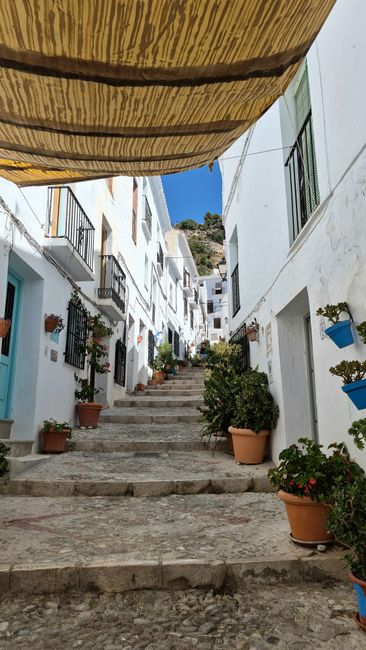
Anafiotika is a small, whitewashed quarter on the northern slope of the Acropolis, reached from the Plaka neighborhood. Its narrow stairways and island-style houses feel surprisingly different from the city streets below.
Go early or later in the day, when the lanes are cooler and quieter. People live here, so keep voices low, avoid entering private courtyards, and do not block doorways for photos.
Tip 2 – Explore the Ancient Agora beyond the famous temples
The Ancient Agora was a center of civic life in classical Athens. Walk its open grounds to see the Temple of Hephaestus, old foundations, and the reconstructed Stoa of Attalos, which houses a museum.
It is a calmer way to understand how the ancient city worked, rather than focusing only on its monuments. Wear comfortable shoes because the paths are uneven, and check current ticket details and opening times before visiting.
Tip 3 – Take in the Acropolis from the hilltop itself

Philopappos Hill offers broad views toward the Acropolis and the city, with paths passing through pine trees and rocky ground. It is a good place to pause after sightseeing, especially near sunset.
There are several routes, and some sections are uneven, so bring water and shoes with a good grip. The hill is not a substitute for visiting the Acropolis, but it gives you a memorable view of the landmark from outside its walls.
Tip 4 – Browse the Varvakios Central Market
Varvakios Market is a lively place to see everyday food shopping in central Athens. Stalls sell fish, meat, spices, olives, and other ingredients, while nearby streets have small shops and casual places to eat.
Visit in the morning for the busiest atmosphere. It is a working market, not a staged attraction, so be considerate when taking photos and expect strong smells around the fish and meat counters.
Tip 5 – Spend time in the National Garden
The National Garden is a shaded green space close to Syntagma Square and the Greek Parliament. Its paths, ponds, and benches offer a welcome break from traffic and hot pavements.
It works well for families who need a change of pace and for anyone looking for a low-cost pause between sights. Bring water in warm weather, and check the garden’s posted opening information at the entrances.
Tip 6 – See the city from Lycabettus Hill
Lycabettus is one of the highest hills in central Athens, with a chapel and wide city views near the summit. You can walk up if you are comfortable with a steep climb or use the funicular from the lower station.
Check the funicular schedule before setting out, and remember that the ride does not remove every uphill walk at the top. Sunset is popular, so arrive early if you want a relaxed spot to take in the view.
Tip 7 – Visit the Stavros Niarchos Foundation Cultural Center

The Stavros Niarchos Foundation Cultural Center, or SNFCC, brings together the National Library of Greece, the Greek National Opera, gardens, and public spaces near the coast. Its rooftop park has views toward the sea and city.
Entry to the grounds is generally free, though performances, tours, or special activities may require booking or payment. Check the center’s current program and plan your transport, as it is farther from the central archaeological district.
Tip 8 – Try a traditional hammam
A traditional bathhouse can be a relaxing change from long walks and museum visits. Athens has hammams offering different treatments, from simple steam sessions to longer packages.
Book ahead for popular times, ask what is included, and check whether you need to bring swimwear or towels. Prices and customs vary by venue, so confirm the details before you arrive.
Tip 9 – Walk through Psyrri for street art and evening cafés
Psyrri is a central neighborhood known for murals, small workshops, cafés, and a busy evening scene. Explore its side streets in daylight to notice the artwork, then return later for dinner or a drink.
Street art changes over time, and not every wall is a gallery. Keep an eye on your belongings in crowded spots, and choose a well-lit route when walking back late.
Tip 10 – Look for an open-air cinema

In the warmer months, Athens’ open-air cinemas turn an ordinary film night into a memorable local experience. Some screenings take place in atmospheric gardens or courtyards, with the city’s evening air as part of the setting.
Schedules and film languages vary by cinema. Check whether a screening has English audio or subtitles, and book ahead for a popular film or a weekend show.
Tip 11 – Ride the tram toward the Athenian Riviera
The tram connects central Athens with coastal districts such as Paleo Faliro, Alimos, and Glyfada. It gives you an easy way to see a different side of the city and spend time near the sea.
Allow extra time because the ride is not a quick trip to the beach. Check the current route and service information before leaving, and confirm local beach access and facilities for your chosen stop.
Tip 12 – Visit the Acropolis Museum after the archaeological site
The Acropolis Museum helps put the hilltop monuments into context with sculptures, objects, and displays from the site. Visiting it after the Acropolis can make details you saw outdoors easier to understand.
Allow a few hours if you enjoy museums, and check the official Acropolis Museum visitor information for current opening details and ticket guidance. The museum is popular, so consider advance planning during busy periods.
Tip 13 – Take a slow walk through Kerameikos

Kerameikos was an ancient cemetery and part of the old city’s western boundary. Its quiet archaeological grounds, surviving walls, and small museum offer a different atmosphere from the Acropolis area.
It is a good choice if you want a less crowded history stop. Check opening hours before going, as site schedules can change, and bring sun protection because much of the ground is exposed.
Tip 14 – Eat your way through a neighborhood taverna
For a relaxed meal, look for a neighborhood taverna serving shared plates such as grilled vegetables, dips, pies, and seasonal dishes. Ask about the day’s specials, and order a few items to share if that suits your group.
Menus and prices can vary even between nearby restaurants. Check the menu before sitting down, and remember that dinner often starts later than in some countries. A busy local place can be a good sign, but it is still worth checking recent reviews.
Tip 15 – Taste classic Greek street food
Try a souvlaki wrap, koulouri bread ring, or a slice of spanakopita for an easy meal between sights. These familiar local foods are often more affordable than a full sit-down lunch.
Ask about ingredients if you have allergies or dietary needs, since recipes and preparation methods vary. A simple phrase such as “χωρίς κρέας” means “without meat,” but make sure the staff understands any serious allergy clearly.
Tip 16 – Take a guided walk focused on modern Athens
A walking tour can introduce you to Athens’ changing neighborhoods, contemporary culture, and local history beyond ancient Greece. Look for a small-group tour with a clear focus, such as food, architecture, or street art.
Read what the price includes, how long the walk lasts, and whether the route has steep steps. If you prefer to explore independently, the city’s official Athens visitor guide is a useful source for current ideas and neighborhood information.
Tip 17 – Visit Piraeus for a working-port perspective
Piraeus is Athens’ major port and a useful place to see the city’s maritime side. Along with ferry terminals, it has waterfront areas, cafés, and local streets that feel distinct from the central historic neighborhoods.
Give yourself plenty of time if you are catching a ferry. Confirm the terminal and departure information with your ferry operator, since the port is large and different routes may leave from different gates.
Tip 18 – Watch the changing of the guard at Syntagma Square
The Evzones guard the Tomb of the Unknown Soldier in front of the Greek Parliament. Their ceremonial uniform and precise movements make the changing of the guard a distinctive city sight.
Arrive early for a clear view, especially on Sundays when the ceremony is more elaborate and crowds can be larger. Stay behind barriers, follow staff directions, and be respectful during the ceremony.
Tip 19 – Plan an easy walk through Plaka and Monastiraki
Plaka and Monastiraki are popular, central neighborhoods with old lanes, shops, cafés, markets, and views of ancient sites. Walk between them at an unhurried pace, then stop for a drink or a meal when you find a place that suits you.
These areas are busy, especially in peak season. Keep valuables secure, watch for uneven paving, and compare menus before choosing a restaurant near a major square.
Tip 20 – Head up Mount Hymettus for a quieter nature break
Mount Hymettus rises east of central Athens and offers walking routes, pine-covered slopes, and views over the basin. It is a useful change of scene if you have already spent several days among museums and crowded streets.
Choose a route suited to your fitness and check local conditions before setting out. Carry enough water, use sun protection, and avoid unfamiliar trails after dark. A taxi or local transport may be needed to reach your preferred starting point.
Quick Guide to Planning Your Athens Visit
| Need | Useful advice |
|---|---|
| Best time to visit | Spring and autumn are often comfortable for walking. Summer brings heat and crowds, while winter can be quieter but cooler and wetter. |
| Getting around | Use the metro, buses, tram, and walking routes. Check current fares and service updates before travel. |
| Where to stay | Choose a central area near the sights and a metro station, or stay by the coast if seaside time is a priority. |
| What to pack | Comfortable shoes, a refillable water bottle, sun protection, and a light layer for evenings or air-conditioned spaces. |
| Advance booking | Check official ticket details for popular archaeological sites, museums, and performances, especially in peak season. |
| Good value ideas | Walk through public neighborhoods and parks, enjoy market snacks, and check which museums or events offer reduced entry. |
| Useful phrase | “Kaliméra” means good morning. “Efcharistó” means thank you. |
Practical Tips for Visiting Athens
Choose the right season and pace
Spring and autumn usually make outdoor sightseeing more comfortable, though conditions vary from year to year. In summer, plan major walks early or later in the day, rest during the hottest hours, and carry water. Winter can be a quieter time to explore, but check forecasts and opening hours before building a tightly timed itinerary.
Use public transport and check for updates
Athens has a metro, buses, trolleybuses, and trams. Walking works well around the historic center, but distances can feel longer in heat or on hilly streets. Check the OASA public transport information for routes, tickets, and service updates. Keep your ticket or travel card available for inspection, and allow extra time when traveling to the airport or port.
Book key sights thoughtfully
Popular archaeological attractions can be crowded, and ticketing arrangements may change. Check official visitor information before you go, including entry times, access rules, and any limits on what you can bring. Avoid buying from unofficial sellers, and do not assume that one ticket includes every nearby site.
Know the common tourist mistake
A frequent mistake is trying to see the Acropolis, several museums, and distant neighborhoods in one hot day. Athens has hills, stairs, traffic, and busy crossings, so a short map distance may take longer than expected. Group nearby sights together and leave room for breaks.
Stay aware and keep emergency details handy
Athens is a large city, so use normal urban awareness in crowded stations, markets, and tourist areas. Keep a close hold on bags, especially on public transport, and use well-lit streets when returning late. The European emergency number is 112. Save your accommodation address and know how to contact your travel insurer.
Pack for the streets and the weather
Many historic areas have uneven stone, steps, and limited shade. Supportive shoes are more useful than dress shoes for a full sightseeing day. In warm months, pack sun protection and a water bottle; in cooler months, bring a light waterproof layer and check the forecast.
Respect local customs and everyday life
Dress appropriately when entering churches or monasteries, and ask before photographing people at close range. Tipping is not always expected in the same way as in some countries, but rounding up or leaving a small amount for good service is appreciated. A friendly “kaliméra” or “efcharistó” can make everyday interactions warmer.
Keep useful travel tools on your phone
Save offline maps and keep your hotel address accessible without a data connection. Use official transport and attraction information for current schedules and access rules. Download or note important documents, but store copies securely and keep your passport separate from everyday spending money.
If your wider itinerary includes a smaller North American destination, you might also enjoy this guide to 20 fun and best things to do in Ellicottville. It offers a very different trip style from the busy Greek capital.
Visa & Entry Requirements
Entry rules for Greece depend on the passport you will travel on, your reason for visiting, your planned stay, and the policies in force at the time of travel. Greece is part of the Schengen Area, but that does not mean every visitor has the same visa requirements or permitted length of stay. Check your own situation before booking non-refundable travel.
Review your passport’s expiry date and condition well in advance. Some travelers must meet a minimum passport-validity period beyond their intended departure from the Schengen Area, and requirements can vary by nationality and circumstances. Make sure you have any required blank pages, and check whether you need a short-stay visa or an electronic travel authorization. Authorization systems and start dates can change, so confirm the current position rather than relying on older travel advice.
Depending on your passport and travel plans, border officials may ask about your return or onward journey, accommodation, purpose of visit, or ability to support yourself. Keep booking confirmations and relevant contact details accessible. Travel insurance is a sensible safeguard, and it may be required for some visa applications. Vaccination, health, customs, and rules for carrying medicines, food, cash, or other goods also depend on current policy and your circumstances.
Check the Greek Ministry of Foreign Affairs visa information and, where relevant, the official immigration guidance for your nationality. For a broader explanation of Schengen entry rules, consult the European Union’s official travel guidance for non-EU nationals. If details are unclear, contact a Greek embassy or consulate or the appropriate government authority in your country. Rules can change, and this general information is not legal advice or a guarantee of entry.
Frequently Asked Questions
What are some unique things to do in Athens beyond the Acropolis?
Explore Anafiotika, walk through Kerameikos, visit Varvakios Market, spend time at the Stavros Niarchos Foundation Cultural Center, or take the tram toward the coast. These experiences show different sides of the city beyond its ancient hilltop monuments.
How many days should I spend in Athens?
Two or three days gives many first-time visitors time for the main historic sights and a few neighborhood experiences. Add more time if you want a slower pace, a coastal day, or excursions beyond the city.
Is Athens easy to explore without a car?
Yes. The central sights are walkable in sections, and metro, bus, and tram services connect many other areas. A car is not usually useful in the crowded center, where traffic and parking can be difficult.
When is the best time to enjoy unique things to do in Athens?
Spring and autumn are often comfortable for walking and outdoor activities. Summer can be very hot and busy, so start early, take breaks, and check attraction hours. Winter can be quieter, but some schedules may differ.
Is Athens a good destination for families?
It can be. Families can combine archaeological sites with parks, relaxed meals, and open spaces such as the National Garden or SNFCC. Plan shorter sightseeing blocks, carry water, and check access and facilities at each attraction.
What is a good low-cost activity in Athens?
Walk through Plaka, Anafiotika, or Psyrri, enjoy the public spaces at the National Garden, or visit a market and choose an affordable local snack. Check current museum and archaeological site prices before your trip, as discounts and free-entry dates may apply to some visitors.
Conclusion
Athens rewards visitors who look beyond a checklist of famous ruins. You can spend the morning among ancient stones, take a quiet break in a garden, and finish the day with a neighborhood meal or a view from a hillside.
These unique things to do in athens can fit different budgets and travel styles, from market visits and local walks to museums and coastal outings. Leave space in your schedule, check current transport and entry information, and choose experiences that match your pace.
With thoughtful planning and comfortable shoes, Athens can feel both historic and distinctly alive. Start with the places that interest you most, then let the city’s neighborhoods, food, and everyday rhythm shape the rest of your visit.
