
Key Takeaways
- Wander Old San Juan’s pastel streets and forts for historic charm.
- Explore El Yunque rainforest and Guánica dry forest for diverse nature.
- Experience bioluminescent bays, island beaches, and local food kiosks.
- Plan transport, ferry schedules, and weather to make trips smooth.
unique things to do in puerto rico range from wandering Old San Juan’s colorful streets to watching tiny lights glow in a bioluminescent bay. Puerto Rico is a Caribbean island and a United States territory, with a distinct culture, varied landscapes, and plenty of reasons to explore beyond the capital.
San Juan is a natural starting point, but the island’s rainforests, mountain towns, beaches, and smaller islands each offer a different experience. Some are easy day trips, while others need an overnight stay and advance planning.
This guide to unique things to do in puerto rico covers local experiences, practical transport advice, food, family-friendly ideas, and entry requirements. Travel times can be longer than they look on a map, so leave room in your schedule for the journey as well as the activity.
20 unique things to do in puerto rico
Tip 1 – Walk the colorful streets of Old San Juan

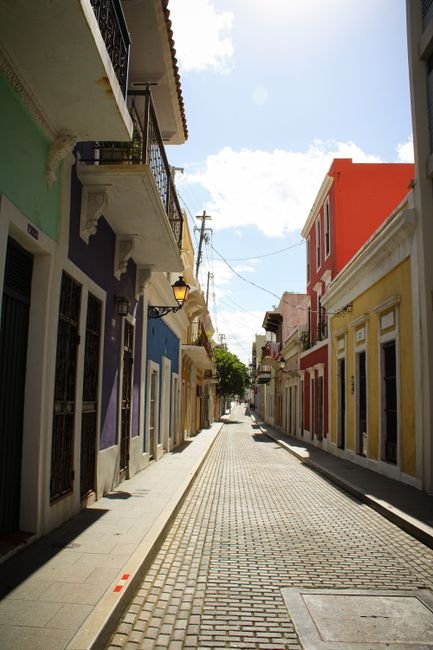
Old San Juan is a compact historic district of pastel buildings, cobbled streets, leafy squares, and sea views. Take time to wander Calle de la Fortaleza, browse independent shops, and stop for a coffee or a local pastry. The uneven streets and hills are charming but can be tiring, so wear comfortable shoes.
Go early in the day for cooler temperatures and fewer crowds. For current visitor information and trip-planning ideas, browse the official Discover Puerto Rico tourism website.
Tip 2 – Explore the forts and sea walls
Castillo San Felipe del Morro and Castillo San Cristóbal are among the most memorable historic sights in San Juan. Their broad lawns, tunnels, and coastal views make them worthwhile even if you are not usually drawn to military history. Both sites are part of San Juan National Historic Site, so check the National Park Service visitor information for current hours and access details.
Bring water and sun protection. The open grounds have limited shade, and it is easy to spend more time walking between the forts than expected.
Tip 3 – See a bioluminescent bay after dark

On a guided night tour, microscopic organisms in the water can create a soft blue-green glow when the water is disturbed. Mosquito Bay on Vieques is well known for this natural effect, while Laguna Grande near Fajardo is a more convenient option from San Juan. Tours are usually by kayak, with some options using small electric boats.
Moonlight, weather, and water conditions affect how bright the glow appears, so a strong display is never guaranteed. Reserve with a responsible local operator, follow instructions about lights and swimming, and check the moon phase before choosing a date.
Tip 4 – Hike in El Yunque National Forest
El Yunque is a lush mountain forest in the northeast, with tropical vegetation, waterfalls, and walking trails. Choose a route that matches your fitness and check official alerts before setting out, since weather and trail access can change. The National Park Service shares current details on its El Yunque National Forest page.
Bring sturdy shoes, water, insect repellent, and a light rain jacket. Rain can arrive quickly, and rocks may be slippery. Do not climb over barriers or enter closed areas to reach a waterfall.
Tip 5 – Eat your way along Piñones
Piñones, east of San Juan, is known for casual food kiosks serving Puerto Rican favorites such as alcapurrias, bacalaítos, and pinchos. It is a relaxed place to sample snacks and enjoy the coastal scenery. Some kiosks keep different hours, so do not count on every stand being open on a weekday or during quiet seasons.
Many visitors combine a food stop with a walk or bike ride along the nearby coastal route. Bring cash as a backup, and keep an eye on belongings while enjoying busy public areas.
Tip 6 – Look for street art and music in Santurce
Santurce offers a more contemporary side of San Juan, with murals, galleries, restaurants, and live music. The arts district around Calle Cerra is a good area to explore during the day, though businesses and events change over time. Check current opening hours and event listings before making a special trip.
Consider visiting with a local guide if you want more context about the artwork and neighborhood. Ask before photographing people, and be respectful around homes and businesses.
Tip 7 – Visit a coffee farm in the central mountains

Puerto Rico’s central highlands have a long coffee-growing tradition. A visit to a working farm can show how coffee is grown and processed, and often includes a tasting. Farms are spread across mountain towns, so check the location, tour language, and reservation requirements before setting off.
These trips are easier with a rental car or an organized tour. Roads can be narrow and winding, and a short distance on the map may take much longer than expected.
Tip 8 – Take a scenic trip to Cueva Ventana
Cueva Ventana, near Arecibo, is known for its cave opening and views over the Río Grande de Arecibo valley. Visits may require a guided tour, and access arrangements can change, so confirm the current operator, conditions, and booking rules before traveling. It is not a casual roadside stop.
Wear closed-toe shoes and be ready for uneven ground. If you are uncomfortable with dark spaces, heights, or steep paths, choose a different outing.
Tip 9 – See the dry landscape at Guánica
Guánica State Forest provides a striking contrast to the island’s rainforests, with dry woodland, cactus, and trails through a warm coastal landscape. Go early to avoid the strongest heat, carry enough water, and check local trail conditions. Shade can be limited, so this is not an ideal midday walk in hot weather.
Pair the forest with a visit to a nearby beach or a relaxed meal in the area. A car makes the outing much simpler than relying on public transport.
Tip 10 – Spend time in Ponce

Ponce has an elegant historic center, distinctive architecture, museums, and a strong southern Puerto Rican identity. Visit Plaza Las Delicias, see the red-and-black Parque de Bombas from outside or inside if it is open, and allow time for a museum or café stop.
Ponce is a substantial drive from San Juan, so it is better as an overnight stop or part of a wider road trip than a rushed day excursion. Check attraction schedules before you go, as hours can vary.
Tip 11 – Snorkel or relax on Culebra
Culebra is a small island off Puerto Rico’s east coast, known for clear water and beaches such as Flamenco Beach. Bring reef-safe sun protection, drinking water, and anything else you will need for the day. Facilities and food choices can be limited at some beaches.
Ferry seats and transport on the island can require planning, especially in busy periods. Check schedules and availability before building your itinerary around a same-day visit.
Tip 12 – Give Vieques more than a few hours
Vieques combines quiet beaches, small-town dining, and the famous Mosquito Bay. Staying overnight gives you more flexibility than trying to connect a beach day with a late-night kayak tour and a return trip. Book accommodation and transport early during popular travel dates.
Some areas have limited services, and getting around may take longer than expected. Confirm how you will travel from the ferry terminal or airport to your lodging before arrival.
Tip 13 – Try local snacks at the Luquillo kiosks

The Luquillo kiosks are a popular stop for casual meals and snacks near the coast. Menus often include fried treats, seafood, and familiar Puerto Rican dishes. It is an easy meal stop after El Yunque or before a beach visit, but the area can be busy on weekends and holidays.
Look over a few menus before ordering, especially if you have food allergies or dietary needs. Ask about ingredients rather than assuming a dish is suitable.
Tip 14 – Take a salsa class or enjoy live music
Salsa is part of Puerto Rico’s living music culture, and a beginner class can be a friendly way to join in without needing experience. San Juan has dance schools and venues that offer lessons or social nights. Check the schedule and dress expectations in advance, since events are not necessarily held every evening.
If you prefer to watch, look for live music at a venue with clear event information. A class or show can be a more comfortable introduction than arriving at a crowded late-night club without a plan.
Tip 15 – Learn about Puerto Rican rum
Rum tastings and distillery visits offer a closer look at an important part of the island’s food and drink history. Some experiences are outside San Juan, so check transport options and whether the tour includes a designated driver or organized transfer.
Drink responsibly and do not drive after a tasting. If you are traveling with children, confirm age rules and whether the venue has activities or space suited to families.
Tip 16 – Make room for a family-friendly museum visit
Puerto Rico has museums and cultural spaces that can be a good change of pace from beaches and outdoor trips. In San Juan, look up current exhibitions, opening hours, and family activities before choosing a venue. A museum visit also works well during a rainy afternoon or the hottest part of the day.
For families traveling between Puerto Rico and the mainland United States, this guide to 20 fun and best things to do in McLean, VA offers ideas for a different kind of US-area stop.
Tip 17 – Plan ferry trips before you reach the terminal
Ferries connect the main island with destinations such as Culebra and Vieques, but schedules and availability can change. Review the Puerto Rico Ferry booking and schedule information before making plans, and leave a buffer for delays or changes.
Do not assume that buying a ticket is the only part of the trip. You may also need transport to the terminal and a way to get around after arrival. If a ferry is essential to your plans, consider an overnight stay rather than relying on a tight connection.
Tip 18 – Choose a beach that suits your day
Puerto Rico has beaches for swimming, snorkeling, surfing, and quiet walks, but conditions differ from one coast and beach to another. Ask locally about currents and surf before entering the water, and pay attention to posted warnings. A beautiful view does not mean the water is safe for every swimmer.
Families may prefer a beach with lifeguards or nearby facilities, where available. Bring shade, drinking water, and a way to carry rubbish back with you.
Tip 19 – Use transport that matches your itinerary
In San Juan, taxis and ride-hailing services can help with trips between popular areas, while some central sights are easy to explore on foot. For El Yunque, mountain towns, and many beaches, a rental car or guided tour is often more practical. Check your rental agreement and parking arrangements before driving.
Download an offline map before leaving areas with reliable service. Save your accommodation address and use a navigation app to estimate travel time, then allow extra time for traffic and winding roads.
Tip 20 – Plan around weather, crowds, and local customs
Puerto Rico is warm year-round, but rain, heat, and tropical weather can affect outdoor plans. The Atlantic hurricane season runs from June through November, though conditions vary each year. Review forecasts and official alerts, and keep a flexible backup plan.
Pack light clothing, a rain layer, comfortable walking shoes, sun protection, and insect repellent. Spanish is the main language, and English is also widely used in many visitor settings. A few useful phrases include “buenos días” for good morning, “por favor” for please, and “gracias” for thank you. A common tourist mistake is trying to cover the whole island as a series of quick day trips from San Juan. Choose fewer areas and give each journey enough time.
Quick reference for planning your Puerto Rico trip
| Experience | Area | Time to allow | Planning note |
|---|---|---|---|
| Historic streets and forts | Old San Juan | Half a day or more | Wear shoes suited to hills and cobblestones |
| Rainforest trails | El Yunque | Half or full day | Check conditions and access before leaving |
| Bioluminescent bay tour | Vieques or Fajardo | Evening, plus travel time | Book ahead and check moon conditions |
| Beach and island day | Culebra or Vieques | Full day or overnight | Plan ferry tickets and local transport |
| Food and coastal stop | Piñones or Luquillo | Several hours | Opening hours and crowds can vary |
Practical travel advice for Puerto Rico
Best time to visit
Puerto Rico is a year-round destination. Winter and early spring are popular with visitors seeking warm weather, while summer can bring hotter days and more rain. June through November is the Atlantic hurricane season, so consider flexible bookings and monitor official weather updates. Conditions can vary, and no season guarantees perfect weather.
Getting around and useful apps
San Juan is manageable without a car for many central activities, but a vehicle is useful for reaching rural areas and beaches outside the city. Use a map app with offline downloads, save your accommodation details, and check ferry schedules directly with the operator. For San Juan Luis Muñoz Marín International Airport information, use the airport’s official website.
Safety and emergency information
Use the same sensible precautions you would in any busy destination: keep valuables secure, stay aware of your surroundings, and avoid leaving belongings visible in a parked car. Follow beach warnings, check trail conditions, and do not enter restricted areas. For an immediate emergency in Puerto Rico, call 911. Save your lodging address and important contacts offline in case your phone loses service.
Food, customs, and packing
Try local dishes such as mofongo, arroz con gandules, and alcapurrias, and ask about ingredients if you have allergies or dietary restrictions. Tipping is customary in many restaurants and service settings. Pack sun protection, a refillable water bottle, insect repellent, comfortable shoes, and a light rain jacket. Keep beaches and natural areas clean, and follow local guidance about wildlife and protected places.
Visa & Entry Requirements
Puerto Rico is a United States territory, and US federal immigration rules generally apply to international arrivals. The requirements that apply to you depend on your passport, immigration status, travel history, and current government policy. A visa or electronic travel authorization may be required for some visitors, while other travelers may qualify for a different process. Do not assume that rules for one nationality apply to everyone.
Before booking, confirm the current requirements with the US government visa information page and, where needed, the relevant US embassy or consulate. Travelers should check passport validity requirements for their particular circumstances, whether they need blank passport pages, and whether any visa or authorization must be approved before boarding. Requirements can change, so verify them again close to departure.
Be ready to explain the purpose and length of your visit if asked. Depending on your circumstances, officials or carriers may ask for a return or onward ticket, accommodation details, or evidence that you can support your stay. Travel insurance is not a universal entry requirement, but it can be useful for medical costs, cancellations, and disruptions.
Vaccination and health-document rules can depend on where you have recently traveled and the policies in force at the time. Customs and agricultural inspection rules also matter: declare goods when required, and check current restrictions before bringing food, plants, animal products, or other controlled items. Rules may differ depending on whether you arrive from abroad or travel between Puerto Rico and the US mainland.
This is general planning information, not legal advice or a guarantee of entry. Check the official US government, immigration, embassy, and airline guidance that applies to your passport and route before departure.
Frequently asked questions
What are some unique things to do in puerto rico for a first visit?
Combine Old San Juan’s historic streets and forts with a rainforest visit, local food, and a beach day. If your schedule allows, add a guided bioluminescent bay tour or an overnight trip to Vieques or Culebra.
Can I visit Puerto Rico without renting a car?
Yes, especially if you stay in San Juan and focus on central sights. A car or organized tour is more useful for reaching El Yunque, mountain towns, and beaches farther from the city. Check transport options before choosing accommodation.
How many days should I spend in Puerto Rico?
Three or four days can cover San Juan and one or two nearby outings. A week or longer gives you more time for the west or south coast, the central mountains, or an overnight visit to Vieques or Culebra. Allow time for travel between regions.
Is the glow in a bioluminescent bay always visible?
No. The glow depends on natural conditions, including water, weather, and moonlight, so its brightness can vary. Choose a responsible guided tour, check the moon phase, and treat the experience as a natural phenomenon rather than a guaranteed show.
Is Puerto Rico a country or part of the United States?
Puerto Rico is a self-governing United States territory in the Caribbean. It has its own local culture and government, while US federal laws and immigration rules apply in important areas, including entry from abroad.
What is the most common planning mistake visitors make?
Trying to see too much of the island in a short trip. Distances, traffic, mountain roads, and ferry logistics can take more time than a map suggests. Base yourself in fewer places and leave room for delays and unplanned stops.
Conclusion
The best unique things to do in puerto rico depend on the kind of trip you want. Old San Juan offers history and city energy, while El Yunque, the central highlands, and the island’s beaches bring a very different pace.
Choose a few areas rather than racing from one end of Puerto Rico to the other. Check tour and ferry details before you travel, stay flexible around weather, and make time to enjoy local food and music along the way.
With a little planning, unique things to do in puerto rico can turn into a trip that balances famous sights with quieter, more personal experiences.
