
Key Takeaways
- Explore historic Colombo Fort and Pettah markets for culture and shopping
- Relax at Galle Face Green, Viharamahadevi Park, and Independence Square
- Visit top cultural sites: National Museum, Gangaramaya Temple, Seema Malaka, Lotus Tower
- Use tuk‑tuks, plan for traffic, stay hydrated and dress modestly
things to do in colombo range from exploring lively markets and historic temples to tasting street food beside the Indian Ocean. Sri Lanka’s largest city is busy, warm, and full of contrasts, with colonial-era streets, modern cafés, and everyday life sharing the same neighborhoods.
Colombo is a rewarding first stop in Sri Lanka, but it is not a city that always reveals itself at a glance. Traffic can be slow, the heat can be tiring, and some sights are spread out. Give yourself time to explore one area at a time, and leave room for an unplanned snack or tuk-tuk ride.
This guide covers the best things to do in Colombo, with practical advice on local transport, food, safety, and planning. You will find options for different budgets and travel styles, whether you have one day or several.
Quick Guide to Things to Do in Colombo
| Plan | Useful details |
|---|---|
| Best for | Food, history, markets, temples, and a first taste of Sri Lankan city life |
| How long to stay | Allow two or three days for the main sights, local meals, and slower exploring |
| Getting around | Use tuk-tuks, ride-hailing apps, and walking for short distances; allow extra time for traffic |
| Best time to visit | December to March is often drier, but Colombo is warm year-round and rain patterns can vary |
| Good to know | Dress modestly for religious sites, carry small cash, and check opening hours before setting out |
20 Things to Do in Colombo
These ideas mix famous landmarks with local experiences. You do not need to fit them all into one visit. Choose a few that interest you and group nearby places to spend less time in traffic.
Tip 1 – Walk around Colombo Fort and the historic center

Colombo Fort is a good place to begin if you want to understand the city’s layered history. Look for colonial-era buildings, busy streets, and landmarks such as the Old Dutch Hospital, now a complex of restaurants and shops. The area is also close to the harbor and Pettah, so it works well as part of a half-day walk.
There is no single polished historic route, and traffic can make some streets noisy. Take care crossing roads, use a map, and consider visiting in the morning before the day gets hotter.
Tip 2 – Explore Pettah’s markets and street life
Pettah is one of Colombo’s most energetic neighborhoods. Its market streets are packed with shops selling clothes, household goods, spices, fruit, and electronics. The experience is as much about watching the city move as it is about shopping.
Go with patience and keep valuables secure in the crowd. If you are buying something, ask the price clearly before agreeing. Pettah is lively rather than relaxing, so plan a quieter stop afterward.
Tip 3 – Watch the sunset at Galle Face Green

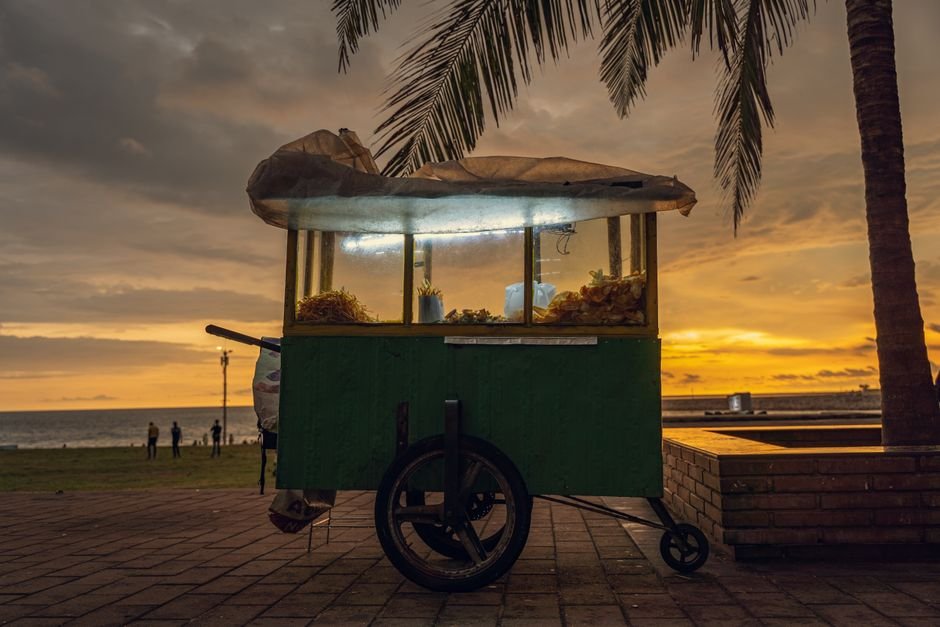
Galle Face Green is a broad seaside promenade where Colombo residents come to walk, fly kites, and meet friends. In the evening, food carts appear and the ocean breeze can offer a welcome break from the heat. It is an easy, low-cost way to enjoy the city without booking anything.
The green is open and exposed, so bring water and sun protection if you visit before sunset. Waves can be rough, and this is not a place to assume swimming is safe.
Tip 4 – Learn about the country at the National Museum of Colombo
The National Museum is a useful stop for context on Sri Lankan history, art, and royal heritage. Its collection includes traditional objects and exhibits that help make sense of the island’s different periods and cultural influences. Check current opening times and ticket information before you go.
Allow a couple of hours if you like museums, and do not expect every exhibit to have the same level of interpretation. Pair the visit with a walk in nearby Viharamahadevi Park.
Tip 5 – Visit Gangaramaya Temple and Seema Malaka
Gangaramaya Temple combines Buddhist worship with a wide-ranging collection of religious and cultural objects. Nearby Seema Malaka, set on Beira Lake, is a quieter temple space that makes a pleasant contrast. Together, they are among the most memorable cultural stops in Colombo.
Dress modestly, remove your shoes where requested, and speak quietly. Some parts may be busy with worshippers, so follow signs and ask before taking close-up photographs.
Tip 6 – Take a break in Viharamahadevi Park
Viharamahadevi Park is one of the city’s best places to slow down between sightseeing stops. Shaded paths, lawns, and mature trees make it a welcome green space in central Colombo. Families may find it a comfortable place for a short walk or a break from the streets.
Facilities and conditions can vary, so bring drinking water and do not leave belongings unattended. The park is easiest to visit alongside the National Museum or other nearby attractions.
Tip 7 – See the Lotus Tower from above or below

The Colombo Lotus Tower is a striking landmark on the city skyline. If the observation areas are open during your visit, the views can help you see how Colombo’s neighborhoods, coastline, and lakes fit together. Check visitor information and ticket availability before making a special trip.
If you prefer not to go up, the tower is still worth seeing from around Beira Lake. Weather and haze can affect the view, so a clear day is best for the observation deck.
Tip 8 – Find Colombo’s quieter side at Independence Square
Independence Square is a landscaped civic area built to commemorate Sri Lanka’s independence. The monument and surrounding grounds offer a calmer setting than the central market districts, with space to walk and take a breather. It is especially pleasant early or later in the day.
Combine it with a nearby café or shopping stop rather than making a long journey just for a quick look. The area is also a good option for travelers who want an easy outdoor stop without a formal tour.
Tip 9 – Sample Sri Lankan food at a local restaurant
Make time for a proper Sri Lankan meal, not just hotel dining. Try rice and curry, hoppers, string hoppers, kottu roti, or a short eat from a local bakery. The mix of spices, coconut, sambols, and vegetables makes each meal different.
Ask how spicy a dish is if you are unsure, and choose busy places with a steady flow of customers. If you have dietary needs, explain them clearly and check how food is prepared, as recipes and kitchen practices vary.
Tip 10 – Browse the shops and galleries at the Old Dutch Hospital

The Old Dutch Hospital is a restored historic complex in the Fort area, with places to eat, shop, and sit outdoors. It is a convenient stop after exploring nearby streets and a comfortable option if you want a meal in a quieter setting than Pettah.
Prices here can be higher than at local eateries, so treat it as a convenient break rather than the only place you eat. The building and courtyard are worth a look even if you do not plan to shop.
Tip 11 – Take a tuk-tuk ride, but agree on the basics
A tuk-tuk is a practical way to cover short distances and see Colombo at street level. For convenience, use a reputable ride-hailing app where available, or agree on the fare before starting a street-hail ride. Keep the destination written down in case pronunciation is difficult.
Traffic can make a short ride take much longer than expected. Ask the driver to use the meter if appropriate, check the route on your phone, and avoid squeezing too many appointments into one afternoon.
Tip 12 – Spend time around Beira Lake
Beira Lake sits close to several central sights, including Seema Malaka and the Lotus Tower. It is a useful area to include in a walking or tuk-tuk route, especially if you want to see a different side of the city beyond shops and traffic.
The lakefront is not a wilderness escape, and parts of the surrounding city remain busy. Visit for the views and nearby landmarks, and follow local guidance around the water.
Tip 13 – Try a Colombo café or tea break

Colombo has a growing café scene alongside traditional tea shops and bakeries. Stop for Ceylon tea, a fresh juice, or a snack between attractions. A café break is also a good way to escape a sudden shower or the hottest part of the afternoon.
Menus and prices differ widely, from simple local counters to polished modern cafés. If you are looking for a particular style of coffee or food, check recent opening information before crossing town.
Tip 14 – Shop for crafts, textiles, and souvenirs
Colombo has shopping options ranging from market stalls to boutiques and larger malls. Look for locally made crafts, textiles, tea, and small gifts, and compare a few shops before buying. Markets are lively, while malls offer air-conditioning and a more predictable shopping experience.
Ask whether an item is locally made and check any relevant customs rules before purchasing wildlife products, antiques, or items made from protected materials. Keep receipts for higher-value purchases.
Tip 15 – Visit a mosque, church, or other place of worship respectfully
Colombo’s religious life reflects its diverse communities. Depending on your interests and opening arrangements, you may be able to see Buddhist temples, Hindu kovils, churches, and mosques during your stay. A visit can add valuable context to the city beyond its best-known tourist sights.
Places of worship may have specific rules about clothing, footwear, photography, or visitor access. Check before entering, be respectful during prayers, and do not treat active religious spaces as photo sets.
Tip 16 – Take a short trip to Mount Lavinia beach
Mount Lavinia, just south of central Colombo, offers a change of pace with a seaside neighborhood and beach area. It can work as a half-day outing if you want ocean views and a meal away from the busiest central streets.
Travel time depends heavily on traffic, and beach conditions can change. Check local advice before swimming, and arrange your return ride before staying late if you are unfamiliar with the area.
Tip 17 – Plan a family-friendly afternoon
Families can mix an easy park visit with a museum, a relaxed meal, or time at a shopping complex. Viharamahadevi Park and the National Museum are useful central options, while a short tuk-tuk ride can be an adventure for children when planned safely.
Colombo’s heat and traffic can be tiring for young travelers. Carry water, plan rest stops, and choose fewer activities rather than trying to cross the city several times in one day.
Tip 18 – Choose low-cost experiences and manage your budget
Some of Colombo’s best experiences cost little: walking through Pettah, watching the sunset at Galle Face Green, visiting public parks, and trying local snacks. Save paid activities for the sights that matter most to you, and compare menu prices before sitting down at tourist-focused restaurants.
Carry a small amount of Sri Lankan rupees for small purchases, while keeping cards and larger sums secure. Exchange and payment options can vary by neighborhood and business.
Tip 19 – Check the weather and plan around the rain
Colombo is tropical and warm throughout the year. Rain patterns can vary, and showers may interrupt plans even in periods that are generally drier. December to March is often a popular time to visit, but check the forecast close to your trip rather than relying only on seasonal averages.
Plan outdoor walks for morning or evening, and keep a light rain jacket or compact umbrella handy. Museums, cafés, and covered shopping areas make useful backup choices.
Tip 20 – Avoid the most common Colombo travel mistake
The most common mistake is trying to see too many far-apart places in a single day. Colombo traffic can be unpredictable, and map distances do not always reflect journey times. Choose one or two nearby neighborhoods at a time, then add a flexible meal or rest stop.
For a longer trip that also includes the United States, you can compare planning ideas in this guide to 20 Fun and Best things to do in cedar park tx. For Colombo, keep your daily plan local and leave extra time between appointments.
Practical Travel Tips for Colombo
Getting around the city
Use tuk-tuks or ride-hailing apps for many city journeys, and walk when attractions are close together. Train and bus services may be useful for particular routes, but first-time visitors should check the route, stop, and latest service information before relying on them. Traffic is a major factor, so allow a generous buffer when traveling to the airport or a timed booking.
Safety, useful apps, and emergency planning
Keep your phone, wallet, and passport secure in crowded areas, especially around markets and transport hubs. Use licensed or clearly identified transport, and check the destination shown in your ride app before departure. Download an offline map, save your accommodation address, and keep your hotel’s contact details available.
For emergencies, contact local authorities or ask your accommodation to help you reach the appropriate service. Save your country’s embassy or consular contact details before arrival. Follow current safety guidance from your government, and be cautious near the ocean because conditions can be rough.
Local customs and useful phrases
Colombo is a diverse city, and customs can differ between communities and places of worship. Modest clothing is a thoughtful choice at religious sites, and shoes may need to be removed. Ask before photographing people, ceremonies, or sacred objects.
- Ayubowan: A traditional Sinhala greeting, often used to say hello or wish someone well.
- Istuti: Thank you in Sinhala.
- Vanakkam: A Tamil greeting.
- How much? Ask the price before purchasing or taking a ride where the fare is not clear.
What to pack and book ahead
Pack light, breathable clothing, comfortable walking shoes, sun protection, and a small umbrella or rain layer. Bring clothing that covers shoulders and knees for temple visits, plus a secure day bag. Keep any prescription medicines in their original packaging and check whether you need to bring documentation for them.
Book ahead for activities with limited entry or set schedules, and confirm hours for museums and religious sites close to your visit. You can also check current visitor information through the Sri Lanka Tourism website. For local air travel planning and airport information, use the official Bandaranaike International Airport website.
Visa & Entry Requirements
Entry to Sri Lanka is based on your passport and the government rules in force when you travel. Visa, passport-validity, authorization, vaccination, customs, and length-of-stay requirements can differ by nationality and may change. Do not assume that a friend’s experience or an old travel blog describes the rules for your passport.
Before booking or departure, check the Sri Lankan Department of Immigration and Emigration’s official immigration website and, if needed, contact a Sri Lankan embassy or consulate. Confirm whether you need a visa or electronic travel authorization, how to apply, the permitted length of stay, and whether your planned activities require a particular entry category. Use only the official government instructions for applications and payments.
Check the passport-validity period required for your circumstances and make sure you have enough blank pages for entry and exit stamps if applicable. Keep a copy of your passport and travel documents separate from the originals. Border officials may ask about return or onward travel, accommodation, or the purpose of your visit, so keep relevant booking details accessible.
Review current health guidance before departure. Vaccination or health-document requirements, including rules linked to where you have recently traveled, may depend on your circumstances and current policy. Ask a qualified travel-health provider for advice well before your trip if you have questions.
Read the customs rules before packing. Check whether goods, medicines, currency, or items you plan to bring into or take out of Sri Lanka need to be declared or are restricted. Travel insurance is not a substitute for entry permission, but it can help with unexpected medical or travel costs. Requirements can change without much notice, so verify them again shortly before you leave. This is practical travel information, not legal advice or a guarantee of admission.
Frequently Asked Questions About Things to Do in Colombo
How many days should I spend in Colombo?
Two or three days gives most first-time visitors time for the main sights, market areas, local food, and a slower evening by the sea. With only one day, choose a small group of nearby places rather than crossing the city repeatedly.
What are the best things to do in Colombo for first-time visitors?
Start with Colombo Fort, Pettah, Galle Face Green, Gangaramaya Temple, and the National Museum. Add a local meal and a tuk-tuk ride to get a feel for daily life as well as the major landmarks.
Is Colombo safe for tourists?
Many visitors explore Colombo without problems, but normal city precautions matter. Secure your valuables, use sensible transport, take care crossing busy roads, and follow current local and government safety advice. Conditions can change, so check guidance close to your trip.
What is the best month to visit Colombo?
December to March is often considered a good period for a visit, but weather varies and showers can happen year-round. Check the forecast and plan indoor alternatives rather than expecting every day to be dry.
Is Colombo walkable?
Some neighborhoods are pleasant to explore on foot, but Colombo is spread out and traffic, heat, and uneven pedestrian conditions can make long walks difficult. Walk short routes and use a tuk-tuk or ride-hailing service between distant areas.
What should I wear when visiting temples in Colombo?
Choose clothing that covers your shoulders and knees, and be ready to remove your shoes where requested. Follow posted rules and local guidance, especially during services or ceremonies.
Conclusion
The best things to do in Colombo combine its historic center, lively markets, religious landmarks, local food, and open-air seaside evenings. The city can be noisy and slow to cross, but taking your time makes it easier to notice the details that give Colombo its character.
Choose a few sights in the same area each day, stay flexible around traffic and weather, and make space for a meal or tea break. With a little planning, Colombo is a welcoming introduction to Sri Lanka and a worthwhile destination in its own right.
