
Key Takeaways
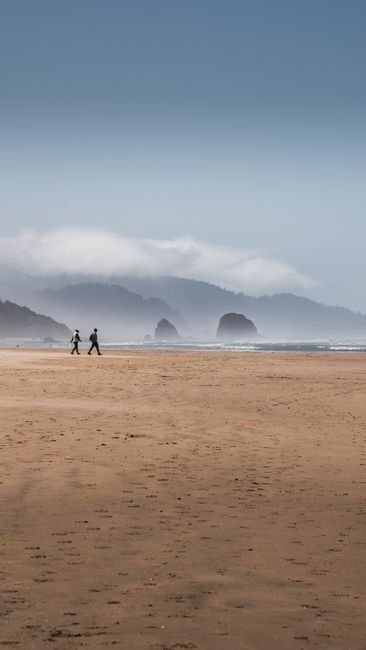
- Explore tide pools, beaches, and iconic sites like Haystack Rock and Yaquina Head lighthouse.
- Use Newport or Cannon Beach as bases; allow extra time for scenic drives on Highway 101.
- Pack for wind, rain, and changing weather; bring waterproof layers and sturdy shoes.
- Prioritize safety: watch tide times, stay behind barriers, and respect wildlife and private property.
things to do in oregon coast include exploring tide pools, walking wide beaches, visiting small harbor towns, and stopping at scenic viewpoints along U.S. Highway 101. This rugged stretch of Oregon, in the United States, rewards travelers who take their time.
The Oregon Coast is a region, not a single city. Newport makes a useful central base for many visitors, while Cannon Beach, Lincoln City, Florence, and Astoria each offer a different mix of scenery and activities.
Distances can look short on a map, but winding roads, viewpoints, and beach stops make travel slower than expected. Plan for a few days if you want to enjoy more than one section of the coast.
This guide covers coastal highlights, practical travel advice, food, safety, and ways to make the most of your visit in every season.
20 Things to Do in Oregon Coast
Tip 1 – Walk the beach and see Haystack Rock

Cannon Beach is one of the best-known stops on the Oregon Coast. Walk the broad shore and admire Haystack Rock, a 235-foot sea stack that stands just offshore. At low tide, you may spot small marine creatures in the rocky pools around its base.
Check tide times before exploring, keep a safe distance from wildlife, and never climb on the rock. The nearby town has galleries, cafes, and places to stay, but it is often busy in summer and on sunny weekends.
Tip 2 – Explore Newport’s bayfront
Newport is a practical base for exploring the central coast, with a working harbor, seafood restaurants, and family attractions. Walk the historic bayfront to watch fishing boats and sea lions, then visit the Oregon Coast Aquarium or the Yaquina Head Outstanding Natural Area.
Sea lions are loud and can be unpredictable. Observe them from a respectful distance and follow posted signs rather than approaching for photos.
Tip 3 – Visit Yaquina Head Outstanding Natural Area

Just north of Newport, Yaquina Head has a historic lighthouse, ocean viewpoints, and access to rocky shore habitat. The interpretive center helps explain the local ecology and lighthouse history. Entry fees, opening hours, and access can change, so check the official site before setting out.
Wear shoes with good grip if you plan to explore the shore. Rocks can be slippery, and incoming waves may reach farther than expected.
Tip 4 – Spend time at the Oregon Coast Aquarium
The Oregon Coast Aquarium in Newport is a good rainy-day choice and a popular stop for families. Exhibits focus on marine life found along the Pacific Northwest coast, and the indoor setting gives you a break from wind and rain.
Allow a few hours for your visit. Check current admission prices and hours online, especially during school holidays and summer weekends.
Tip 5 – Stop at Cape Perpetua Scenic Area
Cape Perpetua, south of Yachats, combines forest trails with dramatic coastal views. The high viewpoint overlooks miles of shoreline, while lower paths lead to places such as Thor’s Well and Spouting Horn.
These rocky features are most dramatic in certain tide and swell conditions, but they can be dangerous. Stay behind barriers, keep away from the water’s edge, and do not approach blowholes during rough seas.
Tip 6 – Look for whales from shore
Gray whales migrate along the Oregon Coast, and some remain in the region at other times of year. Depoe Bay, Cape Perpetua, and several headlands offer good places to scan the water. Bring binoculars and allow time, since sightings are never guaranteed.
Local whale-watching centers may share recent sightings and seasonal information. Boat tours are another option, but the ocean can be choppy, so consider motion-sickness needs before booking.
Tip 7 – Explore the dunes near Florence

The Oregon Dunes National Recreation Area stretches along the coast near Florence and offers a striking change from cliffs and forest. You can walk on marked trails, join a guided outing, or take part in permitted off-highway vehicle activities in designated areas.
Conditions can be windy, and loose sand makes walking tiring. Check current access rules and use established routes to protect fragile plants and habitats.
Tip 8 – Visit the Sea Lion Caves
North of Florence, the Sea Lion Caves provide a chance to see a natural sea cave and observe sea lions when they are present. The site is privately operated and has stairs and an elevator, but visitors should check accessibility details and current conditions before going.
The cave is a wildlife habitat, so the smell and noise can be strong. It may not suit every visitor, but it is an unusual stop on a coastal road trip.
Tip 9 – Enjoy the beaches around Lincoln City
Lincoln City has several beach access points and a long, sandy shoreline suited to walks, kite flying, and watching the surf. It is also known for its Finders Keepers glass floats event, when locally made floats are hidden along the beach at certain times of year.
Follow the event’s current rules and do not take natural objects or items that are not part of the organized activity. Beach access and parking vary by location.
Tip 10 – Discover the rugged shore at Samuel H. Boardman

At the southern end of the state, Samuel H. Boardman State Scenic Corridor is known for forested headlands, sea stacks, and short trails with big views. Natural Bridges and Arch Rock are among the popular viewpoints.
Some paths are steep, uneven, or close to exposed cliffs. Use marked trails, supervise children, and avoid walking near cliff edges, especially in wet or windy weather.
Tip 11 – Learn about coastal history in Astoria
Astoria sits near the mouth of the Columbia River and has a strong maritime history. Visit the Columbia River Maritime Museum, walk through the historic downtown, or head to the Astoria Column for a broad view of the river and surrounding hills.
Astoria is a good northern starting point, but it is several hours’ drive from the southern coast. Avoid trying to see the entire coastline in a single day.
Tip 12 – Try local seafood and Oregon wine
Look for Dungeness crab, salmon, oysters, and clam chowder on coastal menus. Newport, Astoria, and smaller fishing towns all have seafood options, though prices and menus vary with the season and catch.
Some coastal restaurants also serve wines from Oregon’s nearby wine regions. If you are driving, choose a designated driver or use a local taxi or rideshare where available.
Tip 13 – Take a forest walk at Ecola State Park

Ecola State Park, near Cannon Beach, offers forest trails and viewpoints over the ocean and offshore rocks. Some routes connect to beaches, but trail conditions can change after storms or heavy rain.
Check the Oregon State Parks website for alerts, fees, and current access information. Carry water and a light rain layer, even when the forecast looks clear.
Tip 14 – Visit a lighthouse
The coast has several historic lighthouses, including Yaquina Head Lighthouse near Newport and Heceta Head Lighthouse north of Florence. Their settings are part of the attraction, with ocean views and nearby walking routes.
Opening schedules differ, and some lighthouse interiors are only accessible during tours. Confirm details before making a special trip.
Tip 15 – Go tide pooling with care
Low tide reveals an active world of anemones, crabs, mussels, and sea stars. Look for marked tide-pool areas near places such as Haystack Rock and Yaquina Head, and use a tide chart to plan your visit.
Walk carefully, avoid stepping on living creatures, and leave shells and animals where you find them. Never turn your back on the ocean, since sneaker waves can arrive without warning.
Tip 16 – Choose a scenic drive, not a rushed one
U.S. Highway 101 links many coastal communities, state parks, and viewpoints. Build in extra time for narrow roads, slower traffic, roadworks, and stops. A relaxed route from Astoria to Newport or Newport to Florence is more enjoyable than trying to cover the full coast in one day.
Check Oregon TripCheck road conditions and travel alerts before driving. Fuel up in larger towns if you are heading into a quieter stretch.
Tip 17 – Plan a family-friendly rainy-day option
Coastal weather can change quickly, so keep an indoor option in mind. The Oregon Coast Aquarium, maritime museums, local galleries, and small-town cafes can make a wet afternoon easier for families and travelers who need a break from the wind.
Bring layers for children and pack spare socks. Even a short beach walk can leave clothes damp, and some towns have limited shopping options outside the main season.
Tip 18 – Pick the right season for your trip
Summer usually brings the most visitors and the best chance of dry weather, but popular towns and accommodations can be busy. Spring and fall often feel quieter, with changing weather and good opportunities for scenic walks. Winter can bring dramatic surf and storm watching, but also rough conditions and occasional closures.
For current trip ideas and regional visitor information, see Travel Oregon’s guide to the Oregon Coast.
Tip 19 – Pack for wind, rain, and changing plans
Bring a waterproof outer layer, warm layers, comfortable walking shoes with grip, and a small day bag. A hat, reusable water bottle, binoculars, and a phone power bank are useful for long scenic days.
Pack sunscreen too. Clouds and cool air do not prevent sun exposure, especially during long walks on open beaches.
Tip 20 – Make safety and local etiquette part of the plan
Keep away from unstable cliffs and logs in the surf, and do not swim in unfamiliar areas without checking local conditions. The Pacific is cold, currents can be strong, and sneaker waves are a real hazard. Follow posted warnings and ask park staff about current conditions.
For emergencies in the United States, call 911. Save your accommodation address and keep a charged phone, but remember that cell service can be limited in remote areas. Respect private property, pack out litter, and give wildlife plenty of space.
Quick Reference for Things to Do in Oregon Coast
| Area | Good for | Suggested time | Practical note |
|---|---|---|---|
| Cannon Beach | Haystack Rock, galleries, beach walks | Half day or more | Check tide times and expect busy parking in summer |
| Newport | Aquarium, harbor, lighthouse, seafood | One to two days | A convenient base for the central coast |
| Cape Perpetua and Yachats | Headland views, forest trails, rocky shore | Half day | Stay behind barriers around wave features |
| Florence | Coastal dunes, Sea Lion Caves, riverfront | One day | Check dune access rules and tour schedules |
| Samuel H. Boardman | Sea stacks, viewpoints, short hikes | Half day or more | Trails may be steep and exposed |
| Astoria | Maritime history, museums, river views | One day | Allow extra driving time to reach southern towns |
Practical Travel Advice for the Oregon Coast
Getting around
A car is the easiest way to reach most beaches, viewpoints, and small towns. Public transport is limited compared with larger cities, and schedules may not suit a sightseeing itinerary. If you do not drive, choose one town as a base and research local shuttles, tours, and bus services before booking.
Booking accommodation and activities
Reserve lodging early for summer weekends and holiday periods, especially in popular places such as Cannon Beach and Newport. Check cancellation terms and parking details. Book guided tours and popular indoor attractions ahead when possible, but leave flexibility in your schedule for weather and road conditions.
Useful websites and apps
Use official park pages for closures and fees, road updates for driving conditions, and a reliable tide chart for beach walks. The Oregon State Parks website has information about parks and recreation sites. Save maps for offline use because mobile coverage is not consistent along every stretch of the coast.
Local customs and useful phrases
English is the main language, and card payments are common, though a little cash can be useful in small businesses. Tipping is customary in many sit-down restaurants in the United States. A friendly “hello,” “please,” and “thank you” is appreciated. Follow beach and park signs, stay on marked paths, and ask before photographing people or private property.
The most common tourist mistake
The biggest mistake is trying to drive the entire coast too quickly. Highway 101 is scenic but not a fast route, and many of the best experiences involve walking, waiting for a tide, or stopping in small towns. Choose a section or two for each day and leave room for unexpected weather.
Visa & Entry Requirements
The Oregon Coast is in the United States, and there are no separate entry rules for Oregon or its coastal towns. Entry requirements for the United States depend on the traveler’s passport, purpose of travel, and current government policy. Visa, passport-validity, authorization, vaccination, customs, and length-of-stay rules can differ by nationality and may change, so do not rely on another traveler’s experience as a guarantee.
Before departure, check the U.S. Department of State’s official U.S. visa information and the U.S. Customs and Border Protection guidance for international visitors. These government sources explain visa categories, visa-waiver travel, and border procedures. If you need a visa or electronic travel authorization, confirm the application steps and timing through the relevant official government service.
Check that your passport meets the rules that apply to your nationality and itinerary. Confirm whether it needs a particular period of validity beyond your stay, and make sure it has any required blank pages. Keep copies of your passport and travel documents separately from the originals. If relevant to your circumstances, carry evidence of onward or return travel and accommodation details, while understanding that these documents do not guarantee admission.
Travel insurance is not a substitute for required entry documents, but it can help with medical costs, cancellations, and unexpected travel changes. Review the policy exclusions and emergency contact process before you leave. Check current health guidance and whether any vaccination documentation applies to your route or situation.
U.S. customs rules apply when you arrive. Declare items when required, and review current restrictions on food, agricultural products, cash, and other goods before packing. These points are general travel-planning guidance, not legal advice. For final requirements, consult the official U.S. government website or the U.S. embassy or consulate responsible for your location shortly before travel.
Frequently Asked Questions
What are the best things to do in Oregon Coast for a first visit?
For a first trip, combine a beach walk at Cannon Beach, time in Newport, a visit to Cape Perpetua, and at least one scenic drive with short walks. If you have more days, add Astoria or the dunes near Florence.
How many days do you need on the Oregon Coast?
Three to five days gives you time to explore a few different areas without rushing. A week or more is better if you want to travel from the northern coast to the southern viewpoints and stop often along the way.
When is the best time to visit the Oregon Coast?
Summer is popular for milder weather and longer days, but it is also the busiest season. Spring and fall can be quieter. Winter is appealing for dramatic storms and surf, although weather, access, and road conditions can be more challenging.
Do you need a car to see the Oregon Coast?
A car is strongly recommended for reaching many parks, beaches, and viewpoints. Some towns have local transport or tours, but public transit is limited across the region. If you will not drive, plan around one town and confirm transport options in advance.
Are things to do in Oregon Coast suitable for families?
Yes. Families can visit the aquarium, walk accessible beach sections, explore visitor centers, and look for tide pools when conditions are safe. Check age and accessibility details for individual activities, and keep children close near surf, cliffs, and harbor wildlife.
Is swimming safe on the Oregon Coast?
Ocean conditions can be cold and unpredictable, with strong currents and sneaker waves. Many visitors enjoy the beaches without entering the water. Read local warnings, stay close to shore, and follow lifeguard or park guidance where available.
Conclusion
The best things to do in oregon coast range from walking beneath Haystack Rock to exploring tide pools, touring a lighthouse, tasting local seafood, and pausing at forested viewpoints. Each coastal town has its own character, so choose a few places that fit your interests rather than rushing from end to end.
Plan around tides, weather, and driving time, and keep a flexible schedule for spontaneous stops. With sensible preparation and respect for the ocean, the Oregon Coast makes a memorable road trip destination in the United States.
If you enjoy comparing coastal destinations while planning future trips, take a look at 20 Fun and Best best things to do in porto for ideas from Portugal’s Atlantic-side city.
