
Key Takeaways
- Battleship Cove offers historic ships and hands‑on exploration.
- Lizzie Borden House provides true‑crime tours; book ahead.
- Enjoy Portuguese cuisine and the unique chow‑mein sandwich.
- Waterfront walks, heritage park, and arts venues round out a weekend.
things to do in fall river ma include exploring a historic battleship, learning about the city’s textile past, and tasting Portuguese-influenced local food. This Massachusetts waterfront city makes a rewarding stop on a South Coast trip.
Fall River sits on the eastern shore of Mount Hope Bay, about 20 miles southeast of Providence and roughly 50 miles south of Boston. Its maritime and mill history, strong Portuguese heritage, and distinctive local food give it a character quite different from the larger cities nearby.
Many visitors come for Battleship Cove or the Lizzie Borden story, but there is more to see if you allow time for the waterfront, arts venues, historic buildings, and neighborhood restaurants. A day is enough for a quick visit, while a weekend gives you room to explore at a slower pace.
This guide covers the best attractions, practical transport advice, seasonal tips, and useful details for planning a first visit to Fall River, Massachusetts.
20 things to do in fall river ma
Use this quick guide to choose your stops. Opening hours and seasonal programs can change, so check each attraction’s official website before setting out.
| Experience | Best for | Time to allow | Useful note |
|---|---|---|---|
| Battleship Cove | History and families | 2-4 hours | Wear comfortable shoes for steep ladders and narrow passageways. |
| Lizzie Borden House | True-crime history | 1-2 hours | Book a tour ahead, especially on busy weekends. |
| Fall River Heritage State Park | Waterfront views | 30-60 minutes | A convenient stop beside the downtown waterfront. |
| Narrows Center for the Arts | Live music and performances | 2-3 hours | Check the calendar and reserve tickets for popular shows. |
| Portuguese food and local specialties | Food lovers | 1-2 hours | Try a Portuguese dish or Fall River’s chow mein sandwich. |
Tip 1 – Explore Battleship Cove

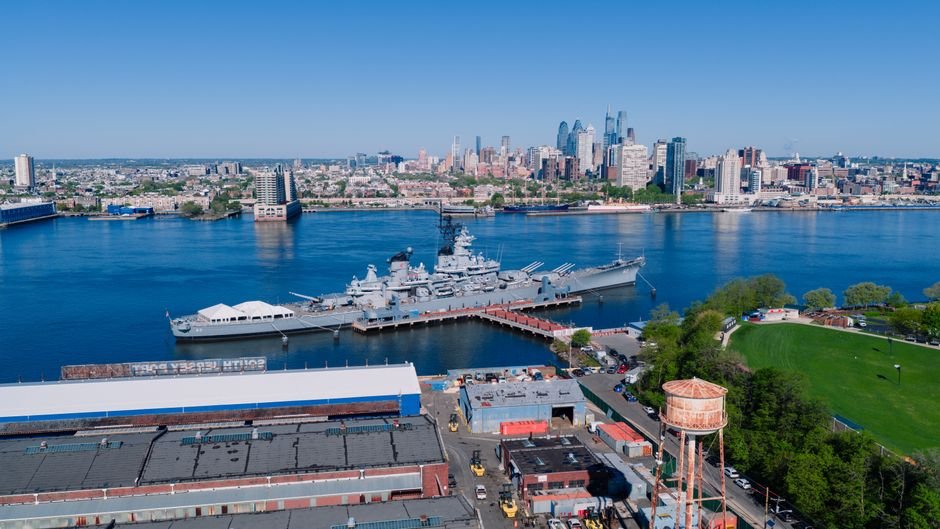
Battleship Cove is Fall River’s signature attraction, with the USS Massachusetts and other historic naval vessels moored along the waterfront. You can step aboard ships and submarines, see military exhibits, and get a sense of what life at sea was like for their crews.
Allow at least two hours, and more if you enjoy reading the displays or exploring each vessel. Some passageways and ladders are steep or narrow, so the site may be challenging for visitors with limited mobility. Check current hours and admission details at Battleship Cove’s official website.
Tip 2 – Visit the Lizzie Borden House
The Lizzie Borden House is one of the city’s best-known historic sites. It is associated with the 1892 Borden murders and now operates as a museum and visitor attraction. Tours focus on the house, its furnishings, and the case’s place in local history.
Choose a standard history tour if you want a straightforward visit, or check the schedule for other tour formats. The subject matter can be unsettling for young children, and the building is a historic house rather than a modern, fully accessible museum. Reserve in advance when possible.
Tip 3 – Walk the waterfront at Fall River Heritage State Park

Fall River Heritage State Park offers a pleasant place to stroll beside the water and take in views of Battleship Cove and Mount Hope Bay. It is an easy addition to a downtown itinerary and a good spot for a short break between indoor attractions.
The park is most enjoyable in fair weather, and the waterfront can feel exposed on windy days. Bring a light layer, even when the city streets feel warm.
Tip 4 – Learn about the city’s textile history
Fall River grew into a major textile manufacturing center, and its large brick mills remain an important part of the city’s landscape. Look for mill buildings as you travel through the downtown and waterfront areas, and take time to notice their scale, brickwork, and old industrial details.
For more local context, visit the Fall River Historical Society when it is open. Its collections and exhibits help explain the people and industries that shaped the city. Check current visiting information before making a special trip.
Tip 5 – See a show at the Narrows Center for the Arts
The Narrows Center for the Arts brings live music and other performances to a converted industrial building on the waterfront. Its program often spans different genres, so check the calendar to see what is on during your visit.
Buying tickets ahead is sensible for popular acts. If you are attending an evening performance, plan your ride back to your accommodation before the show starts, particularly if you are relying on public transport.
Tip 6 – Try Portuguese food and baked goods
Fall River has a strong Portuguese community, and its food is one of the most enjoyable ways to experience local culture. Look for dishes such as caldo verde, grilled meats, seafood, and Portuguese sweet bread at bakeries and restaurants around the city.
Menus and opening hours vary, especially on quieter weekdays. If a particular restaurant is part of your plan, check its hours and whether it takes reservations. A neighborhood bakery is also a good stop for a simple breakfast or an afternoon treat.
Tip 7 – Taste a Fall River chow mein sandwich

A chow mein sandwich is a local specialty made with crisp noodles, gravy, and meat or vegetables tucked into a hamburger bun. It is an unusual combination, and a fun choice if you like trying regional dishes while traveling.
Ask a local diner which version they recommend, since recipes and toppings differ. The sandwich is filling, so it can work as a casual lunch rather than a small snack.
Tip 8 – Browse the downtown area
Spend some time walking through downtown Fall River to see its older commercial buildings, local shops, and everyday city life. It is not a polished shopping district designed just for visitors, which is part of its appeal. Go with time to notice the architecture and stop for coffee or lunch.
Some businesses keep limited hours, particularly on Sundays and holidays. Check opening times if you have a specific shop or café in mind, and use a map to plan your walk between attractions.
Tip 9 – Look for local history at the Fall River Historical Society
The Fall River Historical Society is a useful stop for visitors interested in the city’s families, industries, and past. The collection adds detail to the stories you may have encountered at the mills, waterfront, or historic houses.
Because museum hours and exhibits can change, confirm the latest visitor information before you go. If it is closed, the city’s historic architecture and waterfront still offer plenty to explore outdoors.
Tip 10 – Take a scenic break at the waterfront
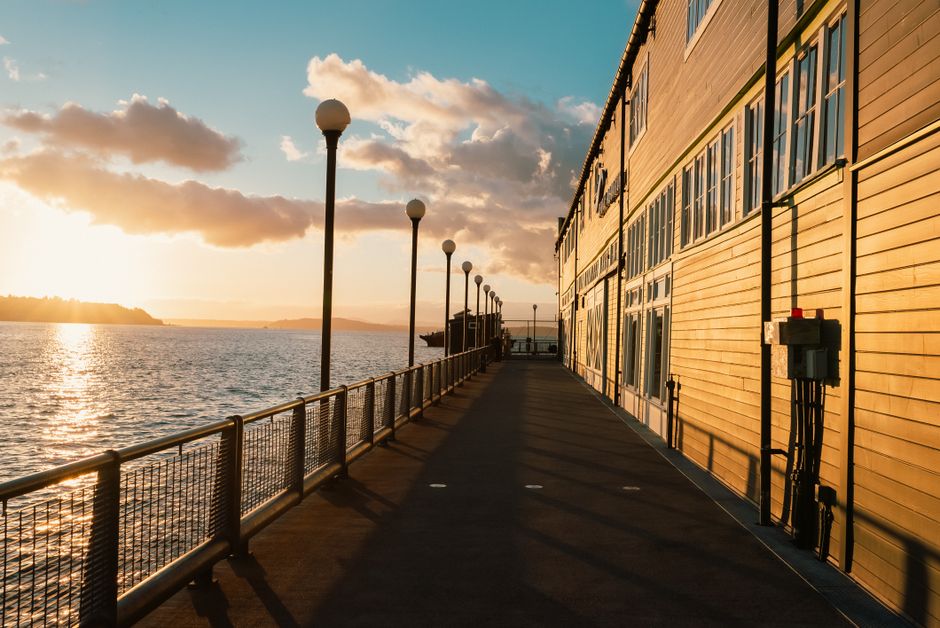
Fall River’s waterfront is a natural place to slow down between museums and historic sites. Walk along the public areas near Heritage State Park and Battleship Cove, watch the activity on the bay, and take a few minutes to enjoy the view.
Conditions can be breezy, and there may not be much shade on sunny days. Bring water in warm weather and a windproof layer in spring or fall.
Tip 11 – Visit a local bakery or café
Make time for a relaxed breakfast or coffee stop instead of treating Fall River only as a list of attractions. Portuguese bakeries are a good place to try sweet bread and other pastries, while independent cafés offer a chance to pause and plan your next stop.
Opening hours can be shorter than in larger tourist cities. If you are visiting early or on a Sunday, check ahead rather than assuming a place will be open.
Tip 12 – Explore the city’s Portuguese heritage
Portuguese heritage is part of daily life in Fall River, not just something presented in a museum. You can experience it through local restaurants, bakeries, community events, and the languages and traditions you may encounter around town.
Be considerate when taking photographs of people or private homes. If your visit coincides with a cultural event, check the organizers’ details for timing, parking, and any road closures.
Tip 13 – Add an outdoor walk to your itinerary

If you want a break from indoor attractions, look for a suitable section of the Quequechan River Rail Trail. The path offers a change of pace from the downtown streets, but surfaces and conditions can vary along the route. Check local trail information before setting out and wear shoes suitable for walking.
Keep to marked paths, carry water, and plan your return route. If you are traveling with young children or anyone who needs an accessible surface, confirm the condition of the section you plan to use.
Tip 14 – Visit with children at a comfortable pace
Battleship Cove is often the most memorable family attraction, especially for children who enjoy large ships and hands-on exploration. Pair it with a shorter waterfront walk rather than trying to fit several museums into one day.
Pack snacks, water, and layers, and check for age guidance or accessibility details before booking tours. Some historic ships have steep ladders and limited space, so not every area is suitable for every visitor.
Tip 15 – Plan a low-cost day
You can enjoy Fall River without spending the whole day on admission tickets. Combine a walk at the waterfront with a look at the city’s historic mill buildings, then choose one paid attraction that best matches your interests.
Check attraction websites for current ticket prices, discounts, and free or reduced-admission days. A bakery lunch or casual local meal can also cost less than a formal restaurant dinner.
Tip 16 – Check the local events calendar
Community festivals, arts performances, and seasonal events can add a lively dimension to a visit. Check the city’s official website and local venue calendars for current listings, event locations, and any transport or parking changes.
Events can make accommodation and parking busier, so book early if your dates are fixed. The City of Fall River website is a useful starting point for municipal news and visitor information.
Tip 17 – Consider a nearby day trip
Fall River works well as a base for exploring more of southeastern Massachusetts, especially if you have a car. Nearby coastal towns and New Bedford offer additional maritime history, restaurants, and waterfront walks.
Check driving times and parking before committing to several stops in one day. If your wider U.S. itinerary also includes desert scenery, this guide to 20 fun and best things to do in White Sands National Park can help you plan a very different kind of American landscape experience.
Tip 18 – Use public transport where it makes sense
Fall River is served by regional buses, and commuter rail service connects the city with other communities in southeastern Massachusetts and the Boston area. Schedules may not suit every sightseeing plan, so check routes, service days, and return times before relying on transit.
Use the MBTA website for commuter rail information and the SRTA website for local and regional bus routes. A car or rideshare can be more convenient for attractions spread across town.
Tip 19 – Choose the right season for your visit
Late spring through early fall is a comfortable time for waterfront walks and outdoor exploring. Summer brings warmer weather but can also be humid. Fall often offers crisp walking conditions, while winter visits can be quieter but colder, with some outdoor plans less appealing.
Attractions may follow seasonal schedules, so check opening dates and hours before traveling. For a broader overview of Massachusetts travel ideas and seasonal planning, visit Massachusetts Office of Travel and Tourism.
Tip 20 – Avoid the most common planning mistake
The most common mistake is treating Fall River as a quick stop with no need to check opening hours or travel times. The main attractions are spread out, and historic sites, museums, and smaller businesses may have different schedules across the week.
Choose two or three priorities, confirm their hours, and leave room for a meal and a waterfront stop. This simple approach makes things to do in fall river ma easier to enjoy without rushing from one place to another.
Practical travel tips for Fall River
Getting around
A car gives you the most flexibility, especially if you want to visit places beyond downtown. You can also use regional buses and commuter rail for some journeys, but service frequency and schedules may limit spontaneous plans. Check the latest timetable before leaving and allow extra time when transferring.
For a compact visit, focus on the waterfront and downtown attractions, then use a taxi or rideshare for stops farther away. Parking availability varies by location and event, so read posted signs carefully.
Best time to visit
May to October is generally the easiest period for combining indoor attractions with outdoor walks. Summer is warm and lively, while September and October can bring cooler days and pleasant conditions for exploring on foot. Winter can suit travelers who prefer quieter museums, but check schedules and weather before making outdoor plans.
What to pack
- Comfortable walking shoes for downtown streets, trails, and historic ships.
- A light waterproof or windproof layer, especially for the waterfront.
- Water and sun protection during warm, sunny weather.
- A charged phone with offline maps in case your signal is weak.
- Clothing that is easy to move in if you plan to climb aboard historic vessels.
Safety and useful apps
Fall River is a working city, so use ordinary urban travel awareness. Keep valuables out of sight in parked cars, pay attention to traffic when crossing streets, and check your surroundings when walking after dark. Use marked paths and follow posted instructions at museums, ships, and waterfront sites.
For emergencies in the United States, call 911. Use a current map app for directions, and check official MBTA or SRTA updates for public transport. Save your accommodation address and important booking details on your phone, preferably somewhere available offline.
Local customs and useful phrases
English is widely used, and Portuguese is also part of the local cultural landscape. A friendly “hello,” “please,” and “thank you” are appreciated. If you hear Portuguese spoken, do not assume everyone wants to switch languages; ask politely before doing so.
Tipping is customary in the United States at sit-down restaurants and for many service workers. Check your bill to see whether a gratuity has already been added, particularly for a larger group.
Booking ahead
Book popular tours and live performances in advance, especially on weekends and around holidays. For meals, reservations are useful when you have a particular restaurant in mind. Check attraction websites for seasonal hours, accessibility information, and current ticket policies before you travel.
Visa & Entry Requirements
Fall River is in Massachusetts, United States, so international visitors must meet U.S. entry requirements. The rules depend on the passport you travel with, your reason for visiting, your travel history, and current government policy. Some travelers need a visitor visa, while eligible travelers may be able to use the Visa Waiver Program with an approved Electronic System for Travel Authorization (ESTA). Neither option should be assumed to apply to every traveler.
Before booking, check the U.S. Department of State’s official U.S. visa information and the official ESTA website if the Visa Waiver Program may apply to you. For entry procedures and customs guidance, consult U.S. Customs and Border Protection’s information for international visitors. Use a U.S. embassy or consulate website for guidance specific to your location and passport.
Check that your passport is valid for the period required for your circumstances and has any blank pages needed for travel. Passport-validity rules can vary, so confirm the current requirement with official U.S. sources and your airline. If you need a visa or travel authorization, check the application process and timing well before departure. Carry details of your return or onward travel and accommodation if requested, and consider travel insurance for medical costs, delays, or cancellations.
Vaccination requirements, customs rules, permitted items, and the length of stay depend on your circumstances and current policy. Review the latest official guidance before you travel, declare items when required, and answer border questions accurately. Requirements can change, and this information is not legal advice or a guarantee of entry. Always rely on current U.S. government instructions for your final travel decision.
Frequently asked questions
Is Fall River, Massachusetts, worth visiting?
Yes, especially if you enjoy maritime history, historic sites, local food, and Portuguese-American culture. Battleship Cove and the Lizzie Borden House are major draws, while the waterfront and local restaurants make a visit more rounded.
What are the best things to do in fall river ma for a first visit?
Start with Battleship Cove, walk through Fall River Heritage State Park, and choose either the Lizzie Borden House or a local history stop. Add a Portuguese meal or a chow mein sandwich for a taste of the city.
How many days should I spend in Fall River?
One full day is enough to see a few main attractions. Stay for a weekend if you want a more relaxed pace, time for a performance, or a nearby day trip.
Can you visit Fall River without a car?
Yes, but plan carefully. Commuter rail and regional buses serve the area, and rideshares can help with trips between attractions. Check current routes and service times because public transport may not be frequent enough for every itinerary.
What food is Fall River known for?
Fall River is known for Portuguese-influenced cooking and its unusual chow mein sandwich. Try Portuguese baked goods, soups, seafood, or a local diner’s take on the sandwich.
Is Fall River suitable for a family trip?
It can be a good family destination, particularly for children interested in ships and history. Plan around the steep ladders and narrow spaces aboard historic vessels, and balance indoor attractions with a short waterfront walk.
Conclusion: Make time for Fall River’s history and local flavor
Fall River is more than a convenient stop between Boston and Providence. Its historic ships, mill heritage, waterfront setting, and Portuguese food give visitors several good reasons to stay and explore.
For a first trip, build your day around one or two major attractions, then leave time for a local meal and a walk near the water. Check opening hours, transport schedules, and tour availability before you go, as plans are easier when you know what is operating.
Whether you are visiting for a day or using the city as a base for the South Coast, there are plenty of things to do in fall river ma at a relaxed pace. Choose the experiences that interest you most, and enjoy getting to know this distinctive Massachusetts city.
