
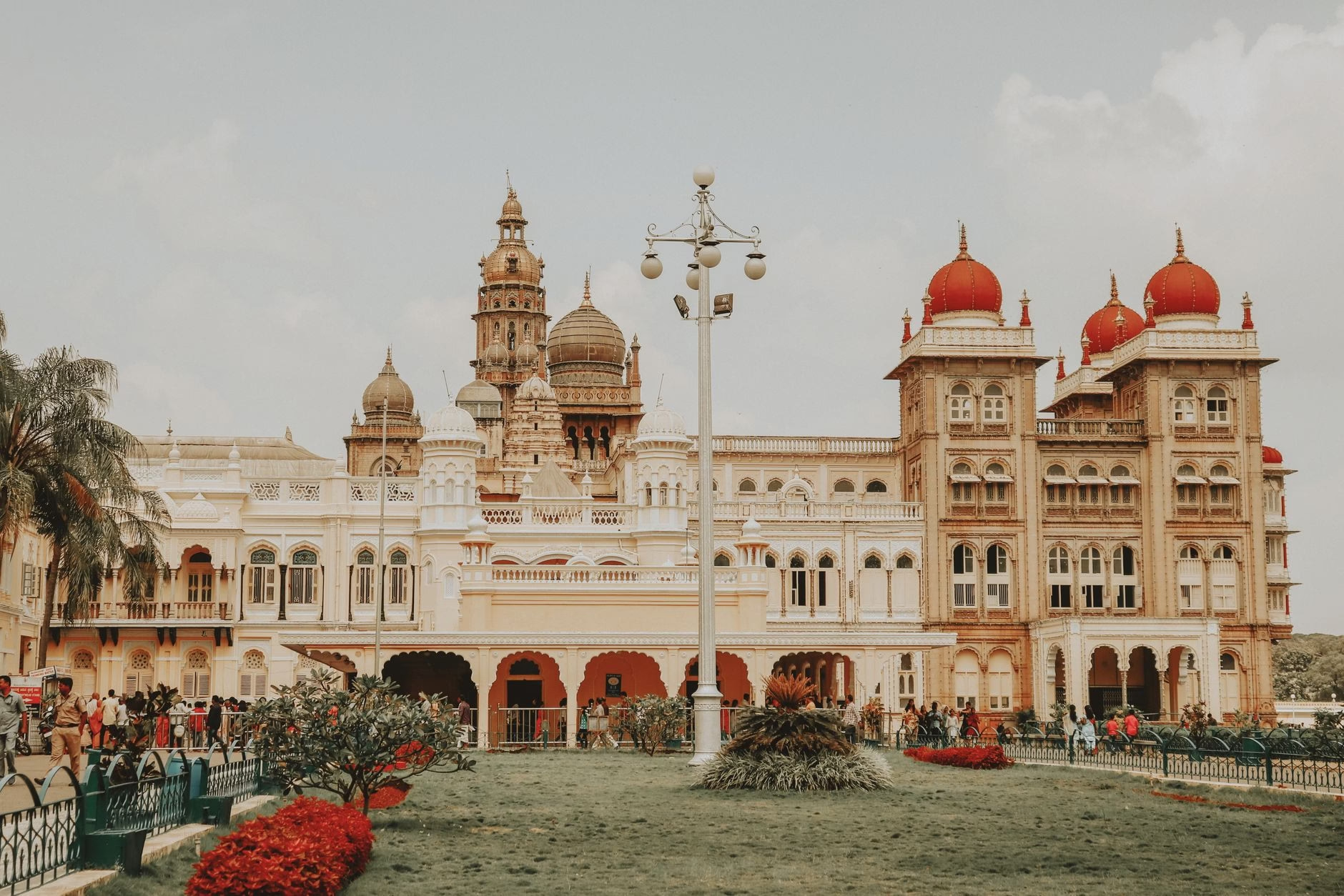
North India: Imperial Legacies and Himalayan Splendor
India’s northern belt offers a dazzling mix of history, architecture, and mountain scenery that has inspired travelers for centuries. The iconic Taj Mahal in Agra, a marble mausoleum built by Shah Jahan, remains an unparalleled symbol of love and a UNESCO World Heritage site. Just a few hours north, the bustling streets of Delhi showcase the contrast between the ancient Red Fort and the modern lanes of Connaught Place, while the solemn serenity of Humayun’s Tomb offers a glimpse into Mughal garden design. For those craving high‑altitude adventure, the hill stations of Shimla and Mussoorie provide colonial charm set against pine‑laden slopes, and the snow‑capped peaks of Manali and Leh‑Ladakh invite trekking, river rafting, and the unforgettable experience of staying in a traditional homestay under a blanket of stars.
West India: Coastal Charms and Desert Wonders
The western coast of India is a treasure trove of sun‑kissed beaches, vibrant festivals, and historic forts. In Gujarat, the white‑sanded shores of Kutch’s Rann of Kutch turn into a shimmering salt desert during the full moon, an otherworldly spectacle best explored on a guided camel trek. Maharashtra’s coastal city of Mumbai buzzes with energy; a walk along Marine Drive at sunset reveals the “Queen’s Necklace” of illuminated streetlights. Further south, Goa’s laid‑back vibe is epitomized by its palm‑fringed beaches, Portuguese‑influenced architecture, and lively night markets. Inland, the majestic palaces of Udaipur, often called the “City of Lakes,” offer romantic boat rides on Lake Pichola, while the rugged terrain of Rajasthan’s Thar Desert invites sunset camel safaris and nights spent under a canopy of desert stars.
South India: Temples, Backwaters, and Tea Gardens
South India’s cultural richness shines through its ancient temples, lush landscapes, and distinctive cuisine. The towering gopurams of Madurai’s Meenakshi Temple are a riot of colour and intricate stonework, while the serene backwaters of Kerala provide a gentle cruise on traditional houseboats, gliding past coconut‑lined lagoons and verdant paddy fields. In the Western Ghats, the hill station of Munnar offers sprawling tea plantations that stretch to the horizon, perfect for leisurely walks and learning about tea processing. Further east, the historic town of Hampi, with its stone‑carved ruins scattered across a rocky landscape, feels like a living museum, and the sacred riverbanks of Varanasi—though technically in the north—remain an essential pilgrimage for many South Indian travelers seeking spiritual renewal.
East India: Cultural Capitals and Natural Sanctuaries
The eastern corridor of India blends bustling metropolises with pristine wildlife habitats. Kolkata, the “City of Joy,” brims with colonial architecture, bustling book markets, and the artistic heritage of Rabindranath Tagore. A short drive from the city lies the Sundarbans, the world’s largest mangrove forest and a UNESCO World Heritage site, where guided boat tours offer a rare chance to glimpse the elusive Bengal tiger in its natural habitat. In the hills of Odisha, the ancient Sun Temple at Konark stands as an architectural marvel, while Puri’s golden beaches draw pilgrims and beach‑goers alike. The tea‑covered slopes of Darjeeling in West Bengal provide spectacular sunrise views over the Himalayas, especially from the famed Tiger Hill.
Central India: Tribal Heritage and Majestic Wildlife
Central India often surprises visitors with its rich tribal cultures and expansive wildlife reserves. The historic city of Bhopal, known as the “City of Lakes,” offers a blend of Mughal‑style architecture and modern urban life, with attractions such as the Taj‑ul‑Mahal palace. A short distance away, the UNESCO‑listed Khajuraho Group of Monuments showcases intricately carved erotic sculptures that reflect the artistic zenith of the Chandela dynasty. For wildlife enthusiasts, Kanha and Bandhavgarh National Parks in Madhya Pradesh provide some of the best tiger‑spotting opportunities in the country, with well‑maintained lodges that allow immersive jungle experiences.
Practical Tips for Exploring India’s Diverse Destinations
- Plan your travel season: most regions are most comfortable between October and March, while monsoon months can affect road conditions in the Himalayas.
- Dress modestly at religious sites: covering shoulders and knees shows respect and often grants smoother entry.
- Stay hydrated and carry a reusable water bottle with a built‑in filter, especially in hot coastal areas.
- Use reputable train booking platforms or local travel agents for long‑distance journeys; Indian Railways offers a range of classes to suit different budgets.
- Consider hiring a certified local guide for heritage sites; they can provide context that enriches the experience.
Why 25 Places Capture the Soul of India
Choosing just 25 destinations from a country as vast as India is inevitably a challenge, yet each spot selected reflects a distinct facet of the nation’s identity. From the marble grandeur of the Taj Mahal to the tranquil backwaters of Kerala, from the bustling bazaars of Delhi to the silent dunes of the Thar, these places together tell a story of contrast and continuity. They invite travelers to step beyond the typical postcard image and engage with the rhythms of daily life—whether that means sharing a cup of chai with a street vendor in Jaipur, listening to the distant call to prayer echo across the Ghats of Varanasi, or watching a sunrise over the tea gardens of Munnar. By weaving together history, nature, spirituality, and modernity, this curated list offers a roadmap for anyone seeking to experience the true breadth and depth of India’s enduring allure.
