
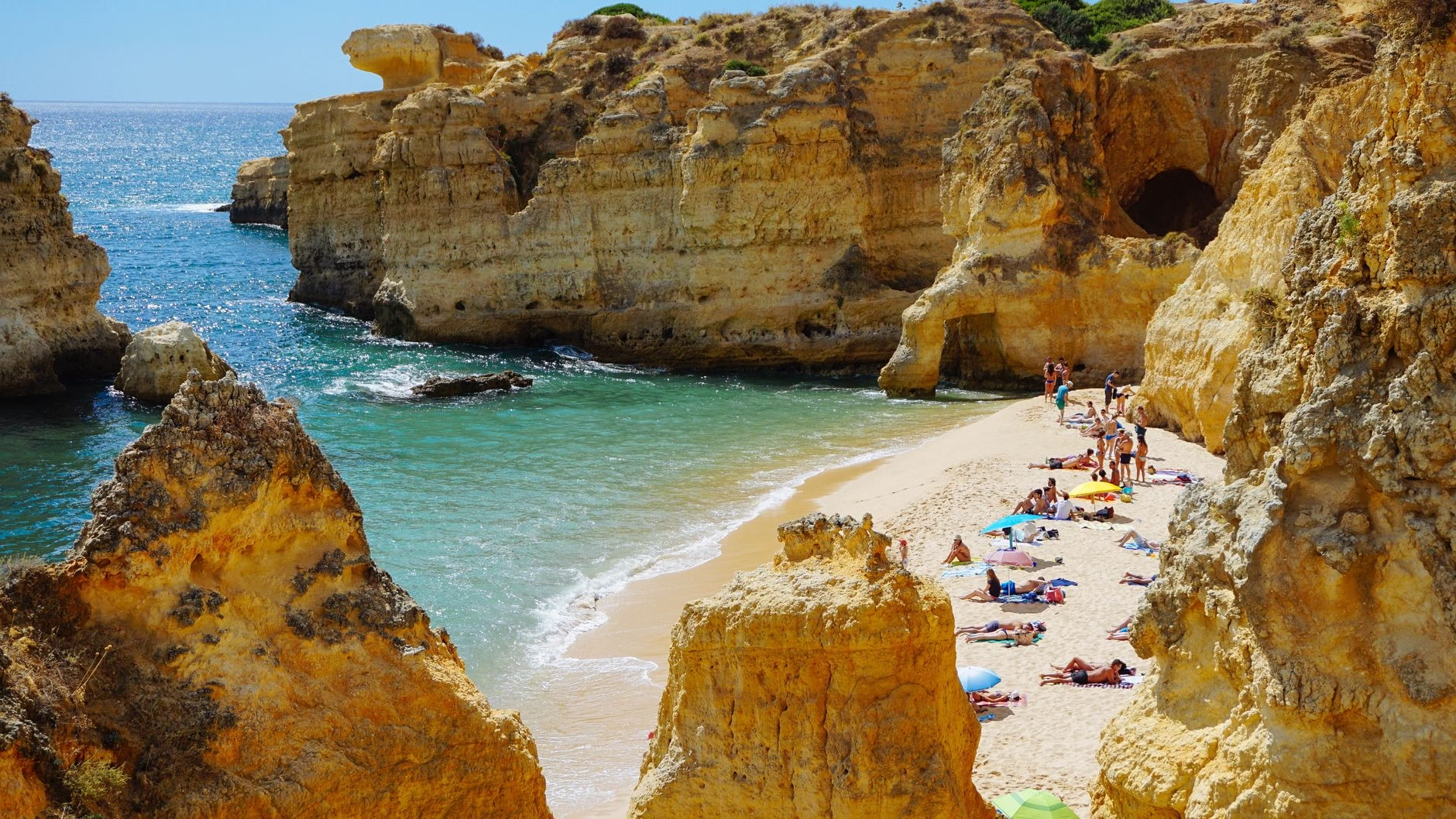
Why Portugal’s Coast Stands Out
Portugal stretches over 800 kilometres of Atlantic shoreline, a line that weaves through cliffs, dunes, fishing villages and bustling resort towns. The result is a coastline that offers everything from long, sandy expanses perfect for families to rugged coves where surfers chase the next perfect wave. What makes Portuguese beaches truly special is the blend of natural beauty, mild climate and a relaxed cultural vibe that invites you to linger long after the sun has set.
Algarve’s Iconic Beaches
In the southernmost region, the Algarve is synonymous with postcard‑perfect beaches. Here, golden sand meets striking limestone formations, and the water is warm enough for swimming even in early autumn. While the area can be busy in peak season, the variety of beaches ensures there’s always a spot that fits your mood.
- Praia da Marinha – Often featured in travel magazines, this beach is famous for its dramatic cliffs and clear turquoise water. A short staircase leads down to a small stretch of sand that feels secluded despite its popularity.
- Praia da Falésia – Extending for several kilometres, this beach is lined with towering red cliffs that create a dramatic backdrop for long walks or sunset picnics.
- Meia Praia – Near the town of Lagos, the wide sand belt is ideal for families; the gentle slope into the sea makes it safe for children.
Even if you stay in a resort, a short bus ride or a leisurely hike can bring you to these gems. Many of the beaches are equipped with basic amenities such as lifeguard stations, public restrooms and wooden boardwalks that protect the dunes.
Hidden Gems of the Alentejo Coast
The Alentejo region, north of the Algarve, offers a quieter, more rugged beach experience. Here the coastline is less developed, and you’ll often find pristine sand backed by untouched pine forests. The vibe is laid‑back, and the few visitors you encounter are usually locals or travelers seeking solitude.
- Praia da Comporta – Known for its soft, white sand and shallow waters, this beach is a favorite among windsurfers and those who enjoy a relaxed beach bar scene.
- Praia do Carvalhal – A small cove tucked behind dunes, accessible via a short walk; perfect for a quiet afternoon of reading.
- Praia de Odeceixe – Where the river meets the sea, creating a unique mix of freshwater and Atlantic tides. The setting is especially photogenic at low tide.
Because the Alentejo beaches are less commercialized, it’s wise to bring water, snacks and sun protection, as facilities can be limited. Parking is usually free in designated lots, and the surrounding villages offer simple cafés where you can sample regional cheese and freshly baked bread.
Lisbon’s Urban Beach Escape
For travelers staying in the capital, a day at the beach can be as easy as hopping on a train. The Lisbon metropolitan area is flanked by a series of accessible beaches that combine sun, surf and city convenience.
- Costa da Caparica – A long stretch of sand just across the Tagus River, reachable by a short train ride from the city centre. It offers a lively promenade with cafés, surf schools and ample space for beach volleyball.
- Carcavelos – Known for its consistent waves, Carcavelos attracts both beginners and seasoned surfers. The beach is lined with restaurants serving fresh fish and traditional petiscos.
- Praia da Adraga – A little further north, this beach is framed by towering cliffs and natural arches, making it a favorite spot for photographers.
Public transport links are frequent, and many beaches have free or low‑cost parking on the outskirts. Bring a light jacket for the evening breeze; Atlantic sunsets here are often spectacular, with the city lights beginning to twinkle as the sky darkens.
The Wild Beauty of the Northwest
Moving up the coast to the Norte region, the landscape changes dramatically. The beaches here are characterized by rugged cliffs, strong surf and a cooler climate. While the water can be brisk, the dramatic scenery more than compensates.
- Praia de Moçâmedes (Viana do Castelo) – A wide, golden beach backed by dunes, popular with families during the summer months.
- Praia da Amado (Aljezur) – A hotspot for surfers, with several surf schools and a laid‑back vibe that draws a youthful crowd.
- Figueira da Foz – Known for its long promenade and a broad beach that is perfect for long walks, cycling and beachside jogs.
The northwest also hosts several nature reserves where you can combine beach time with wildlife watching. The coastal dunes are home to protected bird species, and guided walks are often available through local environmental groups.
Tips for Visiting Portuguese Beaches
While the beaches themselves are the main attraction, a few practical pointers can help you make the most of your visit:
- Sun protection – The Portuguese sun can be strong even on cloudy days. Pack sunscreen, a hat and sunglasses.
- Respect the dunes – Many beaches have wooden boardwalks to protect fragile dune ecosystems. Stay on marked paths to preserve the natural habitat.
- Timing – Early mornings or late afternoons are ideal for avoiding crowds, especially at the more popular Algarve spots.
- Local customs – It’s common to bring a reusable water bottle; many beaches have refill stations to reduce plastic waste.
- Transport – Consider using regional trains or buses; they are reliable and often cheaper than renting a car, especially for day trips from Lisbon or Porto.
Sustainable Beach Practices in Portugal
Portugal has been increasingly focused on preserving its coastline. Many municipalities have introduced measures such as beach clean‑up days, signage that encourages proper waste disposal, and restrictions on certain water sports during nesting seasons for seabirds. As a visitor, you can contribute by:
- Picking up any litter you see and using the provided recycling bins.
- Choosing eco‑friendly sunscreens that do not contain oxybenzone, which can harm marine life.
- Supporting local businesses that prioritize sustainability, such as cafés that serve locally sourced seafood.
By respecting the environment, you help ensure that Portugal’s beaches remain as captivating for future travelers as they are today.
