
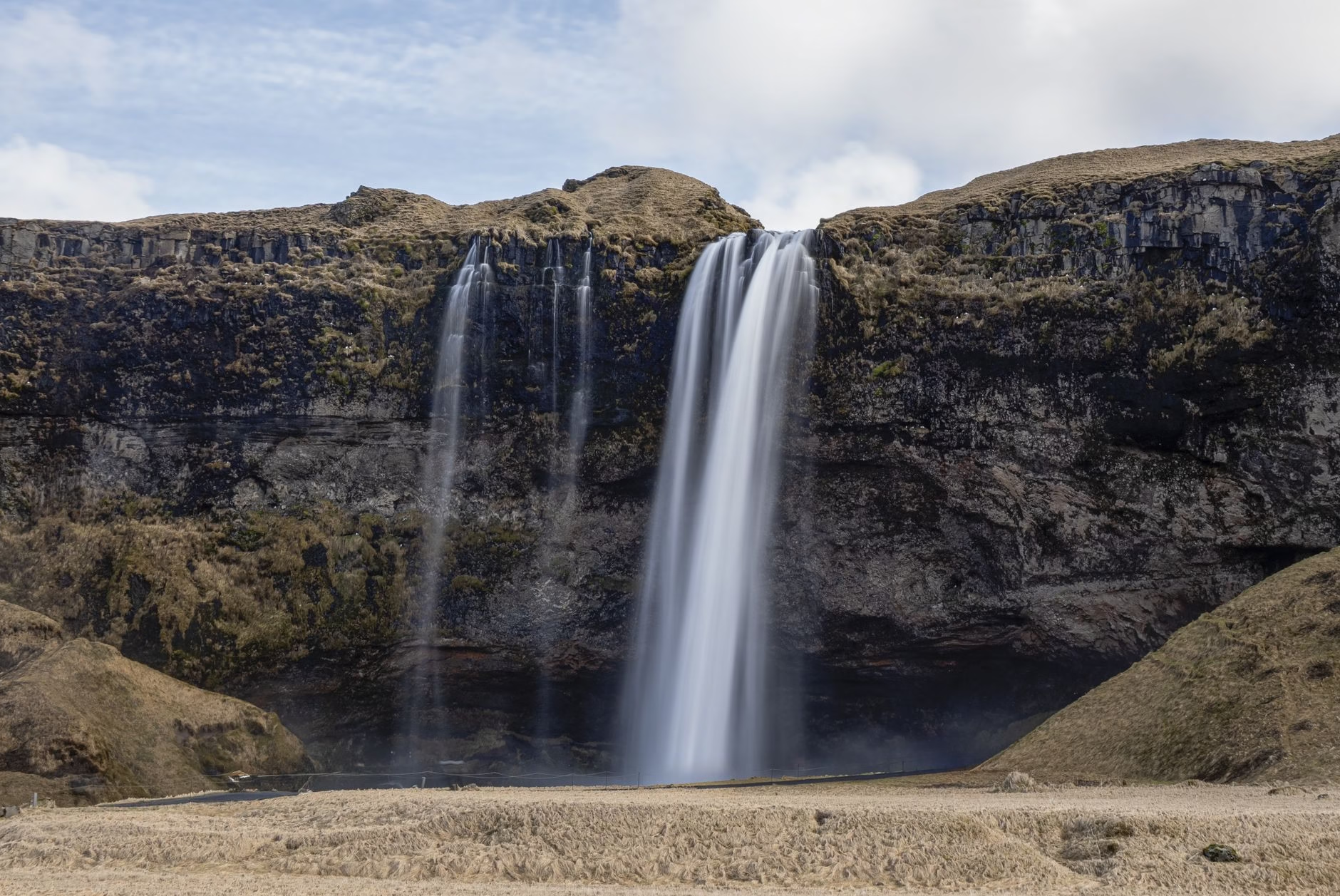
Why the Timing Matters: An Introduction
Iceland’s dramatic landscapes—towering waterfalls, black‑sand beaches, volcanic craters, and sprawling glaciers—are striking all year round. Yet the experience you have on a summer solstice day can feel worlds apart from a winter night under the aurora borealis. Choosing the best time to visit is not just about weather; it influences daylight hours, crowd density, activity options, and even your budget. This guide walks you through each season, highlights the unique advantages they offer, and provides practical tips so you can match your travel goals with Iceland’s ever‑changing rhythms.
Winter Wonders: November to February
Winter in Iceland is a study in contrasts. While the temperature hovers just above freezing in the capital, the interior highlands plunge far below zero, cloaking the country in a pristine blanket of snow. This season is the prime time for travelers seeking the Northern Lights, ice‑capped waterfalls, and a quieter, more intimate encounter with the island’s natural wonders.
Daylight: In December the sun rises around 11 am and sets just after 3 pm, giving roughly four hours of daylight. By late January daylight stretches to about six hours, and by early March you’re looking at eight to nine hours. Plan your daily itinerary accordingly—most major sights can be visited within the short window, and many tours operate in the dark, taking advantage of the night sky.
Key Activities:
- Hunting the aurora borealis from remote spots such as Þingvellir National Park or the Seltjarnarnes peninsula.
- Exploring ice caves in Vatnajökull, the largest glacier in Europe (guided tours only).
- Snowmobiling across Langjökull or taking a super‑jeep tour into the highland routes that become inaccessible in summer.
- Soaking in geothermal pools like the Blue Lagoon or the lesser‑known Secret Lagoon under a canopy of stars.
Winter also means lower accommodation rates outside of the holiday period and fewer crowds at iconic spots such as the Geysir geothermal area and Gullfoss waterfall. However, be prepared for road closures on the interior routes (e.g., F‑roads) and occasional flight delays due to weather conditions.
Spring Awakening: March to May
Spring is a transitional season that brings longer days, melting snow, and a surge of new life across the island. As the ice recedes, waterfalls swell and the highlands begin to re‑open, offering a sweet spot for travelers who want decent weather without the summer crowds.
Daylight: By early April the sun is up for roughly ten to eleven hours, and by late May you can enjoy up to sixteen hours of daylight. This extended daylight makes it possible to see multiple attractions in a single day without feeling rushed.
What to Expect:
- Vibrant lupine fields painting the countryside purple, especially in the north around Akureyri and the Westfjords.
- Birdwatchers flock to the cliffs at Látrabjarg and the wetlands of Lake Mývatn to see puffins, arctic terns, and other migratory species.
- Accessible highland routes like the Kaldidalur (Sprengisandur) become passable, allowing early hikers to venture into less‑traveled terrain.
- Fewer tourists than in summer, but the road network is generally open, making self‑drive itineraries more feasible.
Spring also marks the start of the “midnight sun” phenomenon in the far north, with the sun barely dipping below the horizon in early May. Pack layers—temperatures can swing from chilly mornings to mild afternoons—and waterproof gear for the occasional spring rain showers.
Summer at Its Brightest: June to August
For many, summer is the definitive Iceland experience. The weather is the warmest of the year, daylight is abundant, and the entire road network—including the interior highland tracks—opens up. This is the most popular period for tourists, and the island’s festivals, cultural events, and outdoor activities peak during these months.
Daylight: In late June, the sun barely sets, creating the “midnight sun.” You’ll experience up to 24 hours of twilight, allowing you to drive the Ring Road or hike in the highlands at any hour. By August, daylight begins to recede, offering a comfortable 18‑hour window.
Top Summer Activities:
- Hiking to the summit of Landmannalaugar’s colorful rhyolite mountains or trekking across the Laugavegur trail.
- Whale watching from Húsavík or Reykjavík’s Old Harbour.
- Exploring the Westfjords, including the dramatic Dynjandi waterfall and the remote Hornstrandir nature reserve.
- Attending festivals such as the Reykjavík Arts Festival, Secret Solstice music event, and the annual Iceland Airwaves.
Because of the influx of visitors, accommodation in popular areas (e.g., the Golden Circle and South Coast) can fill up months in advance, and prices rise accordingly. Booking early and considering alternative stays—such as guesthouses in smaller villages—can help mitigate costs.
Autumn’s Golden Hours: September to October
Autumn is often described as Iceland’s “secret season.” The summer crowds have thinned, yet the weather remains relatively mild, and the landscape transforms with golden hues. It’s also an excellent time for photography, as the low angle of the sun creates dramatic lighting on the volcanic terrain.
Daylight: Early September still offers around fourteen hours of daylight, which gradually drops to about ten hours by late October. The decreasing daylight increases your chances of seeing the aurora, especially after the equinox.
Seasonal Highlights:
- Harvest festivals in local towns, where you can taste fresh Icelandic produce such as rhubarb, pumpkins, and the famed skyr.
- Fewer tourists at iconic sites—Gullfoss, Seljalandsfoss, and the black sands of Vík become more peaceful.
- Highland roads begin to close in late October, but the interior routes are still accessible in early autumn, offering a final chance to explore remote areas.
- Potential sightings of the northern lights from mid‑September onward, with clear skies often prevailing after the early autumn rain.
Pack for variable weather; while you may enjoy sunny days, rain and wind are common. Layered clothing, waterproof jackets, and sturdy boots remain essential.
Daylight, Weather, and What to Expect
Understanding Iceland’s daylight patterns is crucial for planning. The country sits just below the Arctic Circle, which means it experiences extreme variations in daylight throughout the year.
Winter (December‑January): Approximately 4–5 hours of daylight. Short days mean you must prioritize which attractions to see each day. Evening activities such as aurora hunting become a natural part of the itinerary.
Spring (March‑May): Daylight grows quickly, from about 8 hours in early March to 16 hours by late May. The increasing daylight makes multi‑day hikes feasible and provides ample time for photo stops.
Summer (June‑August): Near‑continuous daylight, especially around the summer solstice (June 21). Road conditions are at their best, and most tours operate year‑round.
Autumn (September‑October): Daylight recedes from 14 to 10 hours, offering a balance between the long summer days and the darkness needed for aurora viewing.
Weather can be unpredictable year‑round. Even in July, you might encounter snow on mountain passes, while in February you could see sunshine in the morning and a storm by afternoon. Always check the Icelandic Met Office forecast and the road conditions website before heading out.
Chasing the Aurora Borealis
The northern lights are arguably Iceland’s most iconic natural spectacle. While they can be visible from late August through April, the best chances occur from September to March when the nights are longest and the skies are darkest.
Key factors for successful aurora hunting:
- Darkness: Escape the artificial glow of Reykjavík’s city lights. Head to locations like Þingvellir, the Reykjanes Peninsula, or the remote Westfjords.
- Clear Skies: Cloud cover is the biggest enemy. Autumn often brings clearer nights after the rainy summer period.
- Solar Activity: Aurora strength follows an 11‑year solar cycle. Checking the Space Weather Live forecast gives you a real‑time sense of activity.
- Patience: The lights can appear for a few minutes or linger for hours. Dress warmly, bring a thermos of hot drink, and keep your camera ready.
Even during the peak months, there’s no guarantee of a show—nature is fickle. However, the very act of stepping into Iceland’s stark, quiet landscapes under a star‑filled sky is a reward in itself.
Season‑Specific Outdoor Adventures
Each season opens a different set of outdoor experiences. Below is a quick reference for planning active pursuits.
- Winter: Ice‑cave tours, glacier hiking with crampons, snowshoeing in Skaftafell, and geothermal spa visits.
- Spring: Birdwatching (especially puffins), early highland hikes, waterfall walks when meltwater swells the falls.
- Summer: Multi‑day trekking (Laugavegur, Fimmvörðuháls), horseback riding on Icelandic horses, kayaking among glacial lagoons, and road trips on the interior F‑roads.
- Autumn: Photography expeditions, late‑summer festivals, and final highland treks before the roads close.
When planning activities that require guides—such as ice‑cave explorations or glacier walks—book well in advance, especially if you’re traveling in the high season. Most operators require a minimum number of participants, but they can accommodate solo travelers as well.
Crowds, Prices, and the Tourist Flow
Tourism in Iceland has grown dramatically over the past decade, and the seasonal ebb and flow is now a key factor in budgeting and logistics.
Peak Season (June‑August): Expect higher prices for accommodation, car rentals, and flights. Popular sites can be congested, particularly the Golden Circle and the South Coast. Booking a week or more ahead is advisable.
Shoulder Seasons (May, September, early October): Offer a sweet spot: decent weather, reasonable daylight, lower crowds, and more moderate prices. Many travelers who prefer a quieter experience opt for these months.
Low Season (November‑April): While daylight is limited and some interior roads close, you’ll find the best deals on lodging and car rentals. This period is ideal for aurora seekers and those comfortable with winter driving conditions.
Remember that fuel prices in Iceland are among the highest in Europe, so budgeting for transportation is essential regardless of season. A useful tip is to fill up in larger towns where prices are marginally lower before heading into remote areas.
Getting Around: Transport Tips for Every Season
Transportation choices depend heavily on the time of year and the areas you plan to explore.
Car Rental: The most flexible way to see Iceland, especially if you want to chase the aurora or explore remote highland routes. In winter, opt for a 4×4 with studded tires (mandatory from November to early April). In summer, a standard compact car will suffice for the Ring Road but not for the interior F‑roads.
Public Buses: The Strætó network serves Reykjavík and nearby towns year‑round. Long‑distance bus companies like Reykjavik Excursions and Straeto operate routes to major tourist sites, but schedules are less frequent in winter.
Domestic Flights: For those short on time, flights between Reykjavík and regional airports (e.g., Akureyri, Egilsstaðir) cut travel days dramatically. Note that winter weather can cause cancellations, so keep a buffer day in your itinerary.
Guided Tours: If you prefer not to drive, numerous day‑tour operators run excursions to popular attractions year‑round. In winter, tours often include transportation in insulated minibusses equipped for icy roads.
Regardless of the mode, always check road conditions the night before you travel. The road.is site provides real‑time updates on closures, weather warnings, and traffic incidents.
Accommodation Strategies Across Seasons
From luxury hotels in Reykjavík to farm stays in remote valleys, Iceland offers a range of lodging options. Your approach should shift with the season.
Winter: Rural guesthouses and countryside cabins become attractive because they often sit away from city lights—perfect for aurora viewing. Book early if you want a place with a hot tub or outdoor hot spring.
Spring & Autumn (Shoulder): Mid‑range hotels in towns like Selfoss, Hvolsvöllur, and Höfn provide a good base for day trips without the premium price of peak season. Many also offer free parking and breakfast, which helps with budgeting.
Summer: Campsites are popular, especially among backpackers. The official campsite network is well‑maintained, with facilities such as showers, cooking areas, and electricity. If you prefer a roof over your head, consider booking hostels or Airbnb rentals in less‑touristy villages like Seyðisfjörður or Ísafjörður.
Regardless of when you travel, consider the following practicalities:
- Check whether the property provides heating (essential year‑round). Many places have geothermal heating that is both eco‑friendly and comfortable.
- Confirm if the accommodation offers a kitchen or kitchenette—preparing simple meals can offset the high cost of dining out.
- Ensure Wi‑Fi reliability if you need to stay connected; remote farm stays sometimes have limited bandwidth.
Practical Logistics: Visas, Currency, and Connectivity
Visas: Citizens of the European Economic Area, the United States, Canada, the United Kingdom, and many other nations can enter Iceland visa‑free for up to 90 days. The Schengen rules apply, so ensure your passport is valid for at least three months beyond your intended departure date.
Currency: Iceland uses the Icelandic króna (ISK). Credit and debit cards are accepted virtually everywhere, even in small cafes and remote gas stations. ATMs are plentiful in towns but scarce in isolated areas, so withdraw cash before heading into the highlands if you anticipate needing it.
Mobile Connectivity: Iceland has excellent 4G coverage across most of the populated areas and main tourist routes. Purchasing a prepaid SIM card from providers like Siminn or Vodafone Iceland at the airport offers data plans starting around 5 GB, which is ample for navigation, weather checks, and photo uploads.
Travel Insurance: Strongly recommended. Look for policies that cover winter driving, glacier activities, and medical evacuation—a rare but possible scenario given the country’s remote terrain.
Budget Tips: Stretching Your Krona
Traveling in Iceland can be pricey, but a few strategic choices keep costs in check:
- Eat Like a Local: Shop at krónuskúrar (convenience stores) for cheese, bread, and smoked salmon. Many guesthouses provide free breakfast, and you can bring groceries to self‑catered cabins.
- Free Attractions: The majority of Iceland’s natural wonders—waterfalls, lava fields, and coastal cliffs—are free to access. Allocate your budget toward guided experiences that truly require expertise, like ice‑cave tours.
- Car Rental Hacks: Compare prices on aggregator sites, and consider renting from local companies in towns outside Reykjavík for lower rates. Return the car in the same location to avoid one‑way fees.
- Travel Off‑Peak: Visiting in late September or early May can save 20‑30 % on lodging and flights compared with July.
- Fuel Savings: Fill up at larger service stations (e.g., on the Ring Road at Hvolsvöllur or Selfoss) where prices are marginally lower. Car‑pooling with fellow travelers can also cut costs.
Remember that while Iceland’s natural scenery is free, the infrastructure that maintains it—high‑quality roads, emergency services, and clean water—is supported by tourism taxes and higher prices. Spending wisely helps sustain the environment you’re there to enjoy.
Day Trips and Side Excursions by Season
Whether you base yourself in Reykjavík or a smaller town, each season offers distinct day‑trip opportunities.
Winter Day Trips
From Reykjavík, head south to the Reykjanes Peninsula for the geothermal mud pools at Gunnuhver and the lighthouse at Reykjanesviti. The short drive (about 45 minutes) allows you to return before dark, and the contrast of snow‑capped cliffs with steaming vents makes for dramatic photos.
Spring Day Trips
The Snæfellsnes Peninsula blossoms with wildflowers in late May. Highlights include the iconic Kirkjufell mountain, the basalt columns at Arnarstapi, and the lava tube of Djúpalónssandur. The drive takes roughly three hours each way, but the route offers many scenic stops.
Summer Day Trips
Take a ferry from Þingeyri to the Westfjords for a day of birdwatching at Látrabjarg cliffs, or venture inland to the highland area of Landmannalaugar for a day‑long hike amidst rhyolite mountains. In summer the highland roads are fully open, and weather conditions are generally stable.
Autumn Day Trips
The East Fjords become quieter in September, offering serene drives through fishing villages like Seyðisfjörður, where you can explore the art scene and sample fresh cod. Autumn colors enhance the dramatic fjord vistas, making this a photographer’s dream.
Adjust the length of each excursion to suit daylight availability; winter trips should be kept shorter to ensure safe return before dark.
When to Choose Your Ideal Travel Window
After reviewing the seasonal characteristics, you can align your priorities with the best time to visit:
- If the Aurora is non‑negotiable: Plan for November through March, with September and October offering a balance of darkness and milder weather.
- If you crave long hikes and open highland roads: Aim for late June to early August.
- If you want to avoid crowds but still enjoy decent weather: Early May or late September are ideal.
- If you’re on a tighter budget: The shoulder months (May, early October) typically have the most affordable rates.
- If you love festivals and cultural events: June and July host Reykjavík’s biggest summer celebrations.
Ultimately, Iceland rewards flexibility. Even within a single season, the weather can shift dramatically, and a sudden storm may close a road—but it can also unveil a hidden waterfall or a sudden sunrise over a snow‑covered glacier that becomes an unforgettable memory.
Final Thoughts: Embrace the Rhythm of the Island
Choosing the best time to visit Iceland is less about finding a “perfect” month and more about deciding which natural rhythms you want to experience. Winter invites you to stare up at dancing lights and soak in steaming pools under a frosty sky. Spring paints the countryside in pastel hues and awakens wildlife. Summer bathes the island in endless daylight, opening every trail and fjord to your curiosity. Autumn, with its golden light and early aurora chances, offers a reflective, quieter adventure.
No matter when you set foot on the island, the key is to plan with daylight, weather, and activity availability in mind, while leaving room for spontaneous detours—the very essence of Icelandic travel. Pack smart, respect the elements, and you’ll discover that the best time to visit is the one that aligns with the experiences you most desire.
