
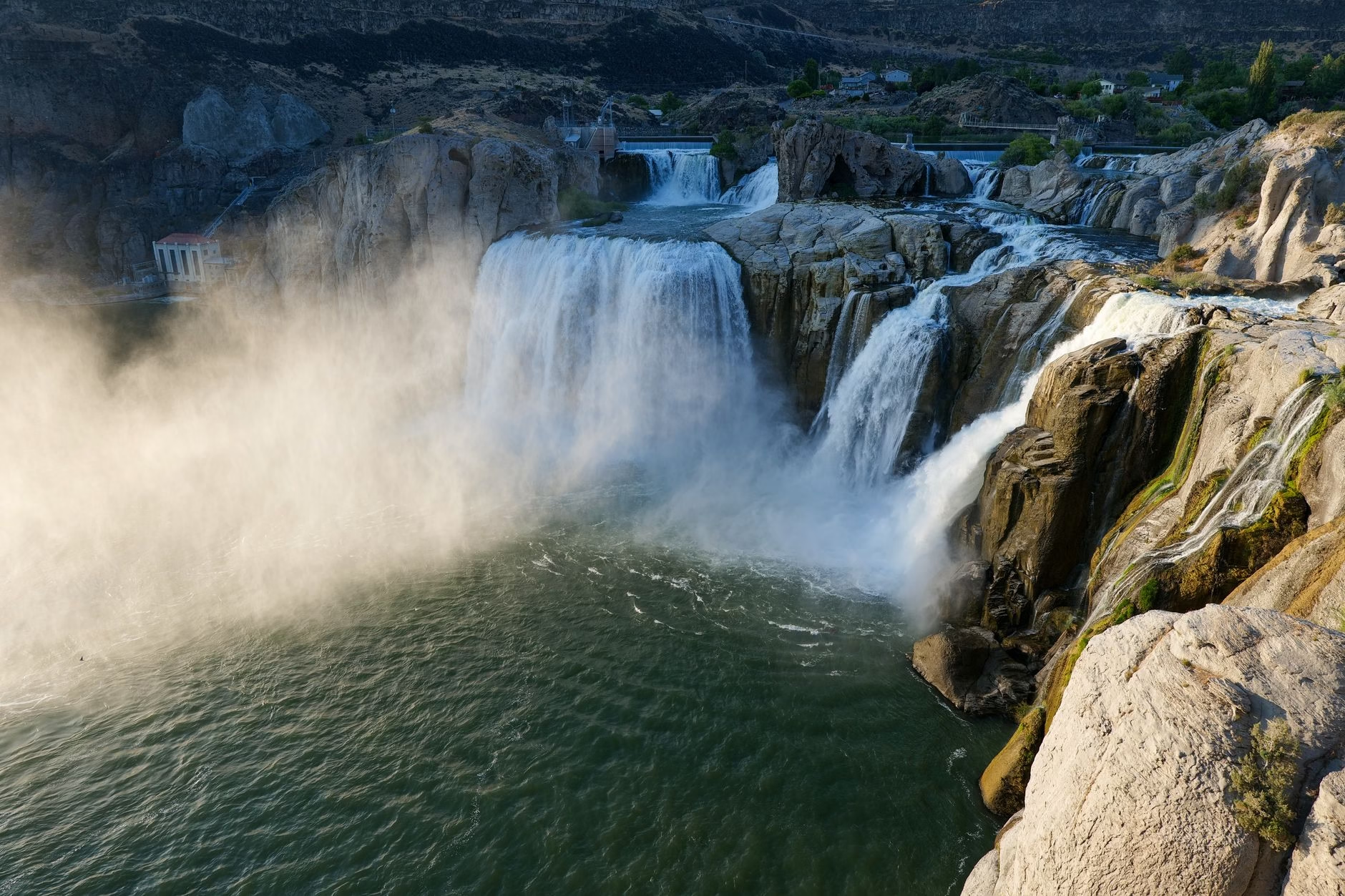
Why Idaho Falls Captivates Travelers
Idaho Falls may not appear on the typical “must‑see” list, but its blend of small‑town charm, river‑front beauty, and easy access to some of the West’s most iconic wilderness areas makes it a surprisingly rewarding destination. Set against the backdrop of the Snake River and the towering Snake River Canyon, the city offers a surprising variety of experiences— from leisurely strolls along a meticulously maintained river walk to adrenaline‑pumping white‑water rafting, from historic museums that tell the story of the American West to vibrant farmers markets that showcase the bounty of the Treasure Valley. What sets Idaho Falls apart is the way it balances outdoor adventure with a comfortable, low‑key urban environment. Visitors can spend a morning exploring art galleries, enjoy a locally sourced lunch downtown, and then hop in a car for an afternoon hike in the nearby Caribou–Targhee National Forest—all without the crowds that often accompany more famous mountain towns.
Getting There and Getting Around
The most convenient gateway to Idaho Falls is the Idaho Falls Regional Airport (IDA), which offers scheduled flights from major hubs such as Salt Lake City and Denver. From the terminal, a short taxi ride or rideshare drop‑off will bring you into the heart of the city in under ten minutes. While the airport is modest, it provides all the essentials—rental car counters, a small café, and free Wi‑Fi—making it a practical entry point for both short stays and longer road trips.
Once in town, the most flexible way to explore is by car. The city’s layout is spread out enough that a rental vehicle or a personal car makes it easy to reach attractions like the Japanese Friendship Garden, the sprawling Tautphaus Park, or the surrounding national forests. For those who prefer to stay closer to the downtown core, the city operates a modest bus system that covers the main commercial corridors and can be a convenient option for short trips between the river walk, the museum district, and the public library. Bicycling is also popular during the warmer months; the Snake River Greenway provides a paved, mostly flat route that runs alongside the water, connecting parks, shops, and residential neighborhoods.
Best Time to Visit
Idaho Falls experiences four distinct seasons, each offering its own set of activities. Late spring (May‑June) brings blooming wildflowers to the surrounding hills, moderate river flow for kayaking, and a lively farmers market. Summer (July‑August) is the peak tourist period, with warm days ideal for river walks, outdoor concerts, and festivals such as the Fourth of July celebrations along the riverfront. Early fall (September‑October) offers crisp air, stunning foliage, and excellent hunting and fishing conditions as the Snake River’s trout become more active. Winter (November‑March) transforms the city into a quiet, snow‑kissed haven; the nearby mountains provide opportunities for cross‑country skiing and snowshoeing, while the downtown lights up with holiday events and a festive atmosphere.
For travelers seeking a balance of pleasant weather and fewer crowds, the shoulder months of May and September are often the sweet spot. Temperatures are comfortable, daylight hours remain generous, and most attractions operate on regular schedules without the summer surge of visitors.
Downtown Idaho Falls: Walking Tour and River Walk
The downtown core is best experienced on foot, starting at the iconic Idaho Falls River Walk. This 5‑mile paved trail follows the Snake River from the city’s central park area out toward the north end, passing beneath historic bridges, through landscaped gardens, and alongside public art installations. Along the way, you’ll encounter interpretive signage that tells the story of the river’s role in the region’s development, from early irrigation projects to the hydroelectric dams that still power the city.
At the southern terminus, the River Walk opens onto a lively plaza surrounded by cafés, boutique shops, and the historic Idaho Falls Public Library. A short stroll northward brings you to the Japanese Friendship Garden—a tranquil enclave featuring koi ponds, stone lanterns, and meticulously pruned maples that create a peaceful escape from the urban bustle. Continuing along the trail, the path skirts the Idaho Falls Zoo (a modest wildlife rescue center) and leads to the bustling Tautphaus Park area, where you’ll find a historic carousel, a baseball field, and seasonal events such as outdoor concerts and movie nights under the stars.
- Start at the River Walk Plaza for coffee and people‑watching.
- Visit the Japanese Friendship Garden for a quiet moment.
- End at Tautphaus Park for a picnic or a stroll through the rose garden.
Museums and Cultural Highlights
The Museum of Idaho stands out as the city’s cultural centerpiece. Housed in a renovated historic train depot, the museum offers rotating exhibits that delve into the region’s indigenous heritage, pioneer history, and natural science. Permanent displays feature artifacts from the Shoshone‑Bannock peoples, vintage photographs of early settlers, and interactive stations that teach visitors about the geology of the Snake River Plain. Admission is modest, and the museum frequently hosts family‑friendly workshops, such as fossil‑preparation demos and hands‑on art sessions for children.
Just a short walk away, the Idaho Falls Public Library doubles as a community hub, offering free Wi‑Fi, a well‑curated collection of local authors, and a regular schedule of talks and performances. The library’s “Story Time on the River” series, held during the summer months on the River Walk, provides a charming blend of literature and outdoor scenery, perfect for families looking to combine education with fresh air.
Outdoor Adventures in and Around the City
Adventure seekers will find no shortage of options within a short drive of Idaho Falls. The Snake River itself is a magnet for water enthusiasts. In the spring, the river’s higher flow makes for exciting white‑water rafting trips ranging from gentle class I runs suitable for beginners to more challenging class III sections for seasoned paddlers. Local outfitters provide guided trips that include equipment, safety briefings, and transport to launch points, ensuring a hassle‑free experience even for first‑timers.
For those who prefer land‑based pursuits, the nearby Caribou–Targhee National Forest offers an extensive network of hiking and mountain‑bike trails. The popular St. Anthony Sand Dunes, located about 30 minutes west, present a unique landscape of rolling dunes that attract off‑road vehicle enthusiasts, sandboarders, and photographers seeking dramatic desert‑like vistas. In the winter, the same dunes become a quiet spot for snowshoeing and cross‑country skiing, while the higher elevations of the forest provide backcountry opportunities for snowmobiling and ice‑climbing.
Anglers will appreciate the world‑class trout fishing that the Snake River and its tributaries support. The river’s clear waters host sizable populations of rainbow, cutthroat, and brown trout, and local guides can arrange day trips that include fly‑fishing instruction and access to prime fishing holes.
Family‑Friendly Fun
Families visiting Idaho Falls will find a welcoming array of activities that cater to children of all ages. Tautphaus Park, the city’s largest green space, features a historic wooden carousel that has delighted generations of locals and visitors alike. The park’s expansive playgrounds, open‑air swimming pool (operational during summer months), and well‑maintained baseball fields provide ample opportunities for active play.
The Museum of Idaho’s hands‑on exhibits, such as the “Science Lab” where kids can conduct simple experiments, are designed to engage curious minds. On Saturdays, the museum often hosts “Family Night,” offering free admission, storytelling sessions, and interactive workshops that allow parents and children to explore local history together.
Another highlight for families is the seasonal “Idaho Falls Ice Castles” event, where artists construct illuminated ice sculptures along the River Walk. The glowing tunnels and towering arches become a magical backdrop for evening strolls, and the event typically includes live music, food trucks, and a hot‑cocoa stand—perfect for a cool‑weather family outing.
Food and Drink: Local Flavors
Idaho’s agricultural bounty shines through in the city’s culinary scene. Downtown eateries often feature farm‑to‑table menus that showcase locally raised beef, fresh trout, and seasonal produce from nearby orchards. A popular weekend ritual among locals is to visit the Idaho Falls Farmers Market, held on Saturday mornings at the River Walk Plaza. Here, vendors sell everything from organic berries and heirloom tomatoes to artisanal cheeses and handcrafted jams. Sampling a fresh fruit tart while sipping a locally roasted coffee offers a quintessential taste of the region.
For a more casual bite, food trucks line the River Walk during the summer months, serving a rotating selection of dishes ranging from gourmet burgers to Asian‑inspired street tacos. The city’s brewing scene, though modest, is growing; a few local breweries offer taprooms where visitors can enjoy craft beers brewed with Idaho hops, often paired with simple bar snacks like pretzel bites or cheese plates.
When it comes to dinner, the downtown district offers a mix of family‑run restaurants that serve hearty comfort food—think pot roast with Idaho potatoes—and upscale bistros that experiment with global flavors while still highlighting regional ingredients. For dessert, a must‑try is a slice of “Idaho apple crumble” at a bakery that sources its apples from orchards just a short drive away.
Neighborhoods Worth Exploring
Beyond the central River Walk area, Idaho Falls is comprised of several distinct neighborhoods, each offering its own flavor. The “South End” is known for its tree‑lined streets, historic bungalows, and a collection of boutique shops that focus on local artisans. Walking through this area feels like stepping into a small town within a town; front porches often display potted flowers, and community gardens add splashes of color.
Another notable district is “North Idaho Falls,” where newer developments sit alongside established parks such as the “Borah Lake Park.” This area is popular with young families and features a well‑used walking trail that circles the lake, offering opportunities for jogging, birdwatching, and quiet picnics. The park’s winter ice‑skating rink becomes a hub of activity when temperatures dip, drawing both locals and visitors who enjoy gliding under string lights.
For a glimpse of Idaho’s agricultural roots, a short drive east brings you to the “Ammon” community. While technically a separate city, Ammon shares a close relationship with Idaho Falls and hosts the “Ammon Farmers Market,” where you can meet the producers behind the food you enjoyed downtown. The surrounding countryside is dotted with small farms, orchards, and vineyards that occasionally open their doors for tours and tastings.
Day Trips and Nearby Natural Wonders
Idaho Falls serves as an ideal base for exploring some of the most spectacular natural attractions in the Intermountain West. A roughly one‑hour drive north leads to “Yellowstone National Park’s” west entrance, where you can witness geysers, hot springs, and abundant wildlife. While the park is a destination in its own right, many visitors appreciate the convenience of returning to Idaho Falls for the evening, enjoying a quieter night after a day of park crowds.
Another short drive east takes you to the “Island Park” area, known for the world’s longest continuous paved highway and an impressive collection of volcanic features, including the “Mammoth Hot Springs” of the nearby “Craters of the Moon” National Monument. This stark, basaltic landscape offers hiking trails that wind through lava fields and provide panoramic views of the surrounding mountains.
- Yellowstone National Park – 1 hour north.
- Island Park & Craters of the Moon – 1.5 hours east.
- Heise Hot Springs – 30 minutes west, perfect for a relaxing soak.
For a more low‑key day trip, consider heading to “Heise Hot Springs” just outside of Idaho Falls. The natural hot‑spring pools are fed by geothermal waters and are open year‑round, offering a soothing retreat after a day of hiking or skiing. The site also includes a small campground, making it a convenient spot for a night under the stars.
Budget‑Friendly Tips
Traveling to Idaho Falls can be gentle on the wallet with a few thoughtful choices. First, consider visiting during the shoulder seasons of late spring or early fall; accommodation rates typically dip compared to the peak summer months, and many attractions maintain the same operating hours. Look for “stay‑local” options such as vacation rentals or modest motels on the outskirts of the city, which often provide kitchen facilities—allowing you to purchase fresh produce at the farmers market and prepare simple meals.
Many of the city’s top outdoor activities are low‑cost or free. The River Walk, the Japanese Friendship Garden, and the extensive network of public parks are open to the public at no charge. For hiking, the Caribou–Targhee National Forest trails are free to access, though a day-use permit may be required for certain high‑traffic areas during peak season. If you’re interested in guided river trips or rafting, compare several local outfitters and look for group discounts or early‑bird specials that can reduce the per‑person cost.
Finally, take advantage of free community events. During summer, the city hosts a series of “Concerts in the Park” on Thursday evenings, featuring local musicians and family‑friendly activities. In winter, the downtown holiday lighting ceremony and the “Ice Castles” event mentioned earlier are complimentary, providing memorable experiences without a price tag.
Practical Logistics: Lodging, Safety, and Connectivity
Lodging in Idaho Falls ranges from well‑known national chains to locally owned inns and bed‑and‑breakfasts. The downtown area offers the most walkable access to restaurants, shops, and the River Walk, while the outskirts provide quieter settings for those who prefer a more suburban feel. Most accommodations provide complimentary Wi‑Fi, which is useful for checking weather updates—especially important in winter when road conditions can change quickly.
Safety-wise, Idaho Falls enjoys a reputation for low crime rates and a friendly community atmosphere. As with any outdoor destination, basic precautions are advisable: carry a water bottle on hikes, wear layers to adapt to changing temperatures, and keep an eye on local weather alerts—especially during the spring melt when river levels rise. The city’s police department maintains a visible presence in the downtown core, and the local hospital, St. Luke’s Idaho Falls Medical Center, offers emergency services for any unexpected health needs.
Connectivity is reliable, with several major cellular carriers providing coverage throughout the city and surrounding rural areas. Public Wi‑Fi hotspots are available at the library, the River Walk Plaza, and many coffee shops downtown. For visitors planning extended stays, the city’s public library offers free computer access and printing services—a helpful resource for digital nomads or travelers needing to stay in touch with home.
