
Overview of Twin Falls: A Gateway to Southern Idaho’s Natural Charm
Located in the heart of the Snake River Plain, Twin Falls sits at the crossroads of dramatic canyons, soaring waterfalls, and expansive agricultural lands. The city’s name derives from the twin waterfalls that once split the Snake River near the present‑day downtown—an image that still captures the imagination of visitors today. With a population just under 50,000, Twin Falls feels large enough to offer a range of amenities yet small enough to retain a relaxed, small‑town vibe. The surrounding landscape is a mix of high desert, irrigated farms, and the iconic basalt cliffs that frame the Snake River, making it a natural base for outdoor exploration. Whether you’re a photographer chasing the perfect waterfall shot, a family looking for safe, engaging activities, or a traveler seeking a taste of authentic Idaho hospitality, Twin Falls presents a surprisingly diverse menu of experiences.
When to Visit: Seasons and Weather
Understanding the climate is key to planning a rewarding trip. Twin Falls enjoys a semi‑arid climate with four distinct seasons:
- Spring (March–May): Temperatures rise from the low 40s to the mid‑60s °F (5–18 °C). This is the prime period for wildflower displays along riverbanks and the best time to see the waterfalls at their peak flow.
- Summer (June–August): Warm days in the 80s °F (27–30 °C) and cool evenings make for comfortable hiking and river activities. Afternoon thunderstorms are occasional but usually brief.
- Fall (September–November): Days gradually cool to the 60s °F (15–20 °C). The foliage along the canyon rims adds a splash of color, and crowds thin out, providing a quieter experience at popular sites.
- Winter (December–February): Temperatures often dip below freezing, especially at night. Snowfall is light but can be dramatic in the higher elevations, offering a different, stark beauty to the landscape.
For waterfall enthusiasts, late spring through early summer offers the most robust water flow. If you prefer fewer tourists and crisp hiking conditions, late September is ideal. Always check the local forecast before heading into canyon areas, as weather can change quickly.
How to Get There: Transportation Options
Twin Falls is well‑connected by several major routes, making it accessible whether you’re traveling by car, plane, or bus.
- By Air: The Magic Valley Regional Airport (TWF) offers commercial flights to and from hubs such as Salt Lake City and Denver. From the airport, a short rental car ride (about 10 minutes) brings you into downtown.
- By Car: Interstate 84 runs east‑west through Twin Falls, linking the city with Boise (≈150 mi west) and Pocatello (≈120 mi east). The scenic drive along the Snake River Canyon provides a preview of the natural attractions that await.
- By Bus: Intercity bus services connect Twin Falls to larger cities in Idaho and Utah. While schedules are less frequent than rail or air, they provide an affordable alternative for budget travelers.
Because many of the region’s attractions are spread across a wide radius, renting a vehicle is often the most practical way to explore at your own pace.
Getting Around: Car, Bike, and Public Transit
Once in Twin Falls, you have several options for local mobility:
- Rental Cars: Most major rental agencies operate out of the regional airport and downtown. A compact vehicle is sufficient for city travel, but a midsize SUV offers extra clearance for unpaved roads leading to trailheads.
- Bicycles: Twin Falls has an emerging network of bike lanes and shared‑use paths, especially along the Snake River Greenbelt. Cyclists can easily ride from the downtown core to Centennial Waterfront Park and beyond.
- Public Transit: The Twin Falls Transit system runs a handful of routes covering the city and surrounding suburbs. While service is limited compared to larger metros, it is reliable for short trips to grocery stores, the museum district, and the university campus.
- Ride‑Sharing: Popular apps operate in the area, though availability can be sparse during off‑peak hours.
For reaching natural sites such as Shoshone Falls or the canyon rim trails, a personal vehicle remains the most efficient choice. Parking is generally ample and free at most public attractions.
Top Natural Attractions: Waterfalls, Canyons, and Scenic Overlooks
The landscape around Twin Falls is a playground for nature lovers. Below are the must‑see natural sites that define the area’s character.
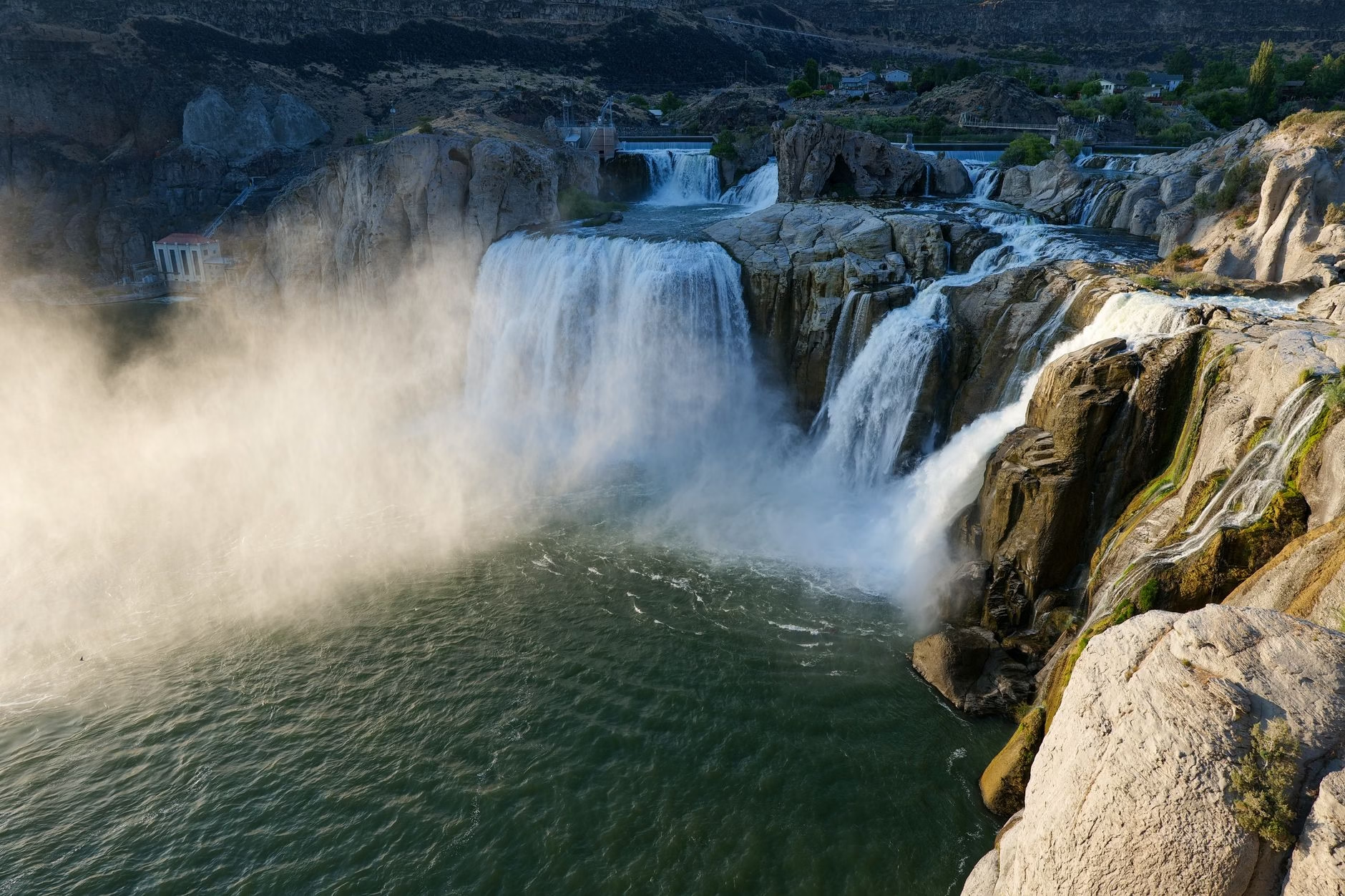
- Shoshone Falls: Often called “the Niagara of the West,” this 212‑foot waterfall drops dramatically into a gorge on the Snake River. The best viewing platforms are located at the north and south overlooks; both provide expansive panoramas and photo opportunities.
- Snake River Canyon: Carved by the river over millennia, the canyon walls rise up to 500 feet, creating a dramatic backdrop for hiking, rock climbing, and photography. The Canyon Rim Trail offers several pull‑outs where you can safely admire the view.
- Centennial Waterfront Park: Situated along the river’s edge, this riverfront park features a walking path, picnic areas, and a small amphitheater that hosts seasonal concerts.
- Rock Creek Falls: A lesser‑known cascade located a short drive north of town, accessible via a moderate hike that winds through pine forest and meadow.
- Jensen River Preserve: A protected riparian area that showcases the diverse wildlife of the Snake River ecosystem. Birdwatchers often spot sandhill cranes, great blue herons, and a variety of waterfowl.
Each of these sites is open year‑round, though water flow and accessibility can vary with the seasons. Early morning visits often provide the clearest skies and the fewest crowds.
Outdoor Adventures: Hiking, Biking, and River Activities
The geography of Twin Falls lends itself to a broad spectrum of outdoor pursuits. Whether you’re an avid hiker, a casual cyclist, or someone looking for a gentle paddle, there’s something to suit every skill level.
- Hiking: Trailheads near the canyon rim and along the Snake River provide routes ranging from easy, flat walks to steep, technical climbs. Popular hikes include the Canyon Rim Trail (moderate, 3 mi round‑trip) and the Dierkes Lake Loop (easy, 1 mi).
- Biking: The Snake River Greenbelt offers a paved, mostly flat path ideal for families and casual cyclists. For mountain bikers, the foothills east of Twin Falls feature single‑track trails with varied terrain.
- River Recreation: The Snake River is calm enough for paddleboarding and kayaking in its wider sections, while the rapids near the falls attract experienced kayakers during higher water flow periods. Local outfitters provide equipment rentals and safety briefings.
- Rock Climbing: The basalt cliffs of the canyon present both sport and trad climbing opportunities. While the area is not as heavily trafficked as other Idaho climbing destinations, the routes are well‑established and offer striking views.
- Birding and Wildlife Viewing: Early mornings and late evenings at the Jensen River Preserve or along the river’s edge provide excellent chances to observe migratory birds and native mammals such as mule deer.
Remember to carry sufficient water, especially during the hotter months, and to respect any seasonal closures aimed at protecting wildlife habitats.
Cultural Highlights: Museums, Art, and Local History
Twin Falls is more than just a gateway to natural scenery; its cultural scene reflects the agricultural heritage and pioneering spirit of the Magic Valley.
- Herrett Center for Arts and Science: Operated by the College of Southern Idaho, this facility blends a natural history museum, an art gallery, and a planetarium. Exhibits showcase regional geology, native wildlife, and rotating art installations from local creators.
- Twin Falls Museum of History and Art: Housed in a historic building, the museum offers artifacts, photographs, and interactive displays that trace the development of irrigation, railroads, and community life in the area.
- Public Art Walk: Downtown Twin Falls features a series of murals and sculptures commissioned by the city’s Arts Commission. The walk is self‑guided, with plaques explaining each piece’s inspiration.
- Annual Events: The city hosts seasonal festivals such as the Snake River Valley Balloon Festival and the Twin Falls Farmers Market, both of which celebrate local culture and produce.
These cultural institutions provide indoor alternatives on cooler days and deepen visitors’ appreciation for the region’s unique story.
Family‑Friendly Activities: Fun for All Ages
Traveling with children? Twin Falls offers a range of attractions that keep younger visitors engaged while allowing adults to unwind.
- Centennial Waterfront Park Playground: Equipped with modern play structures, splash pads, and shaded picnic tables, the park is an ideal spot for a midday break.
- Discovery Center at the Herrett: A hands‑on science area where kids can explore interactive exhibits about geology, astronomy, and the local ecosystem.
- Farm Visits: The surrounding agricultural lands host several family‑run farms that welcome visitors for tours, fruit picking, and animal petting. Check local listings for seasonal availability.
- Mini Golf and Arcade: A modest course near downtown provides a light‑hearted diversion for families seeking a brief indoor activity.
- Nature Walks: Short, easy trails such as the Twin Falls River Trail are perfect for stroller‑friendly hikes while enjoying river views.
Most of these activities are free or low‑cost, making them ideal for budget‑conscious families.
Food and Drink Scene: Local Flavors and Farm‑to‑Table Experiences
The culinary landscape of Twin Falls reflects its agricultural roots and the growing interest in locally sourced fare. While the city does not boast a large number of chain restaurants, its independent eateries offer hearty, honest meals.
- Farm‑to‑Table Cafés: Several downtown cafés prioritize ingredients from nearby farms, serving dishes like Idaho potato gnocchi, fresh berry compotes, and seasonal salads.
- Barbecue and Smokehouses: The region’s cattle and lamb production translates into robust smoked meats, often accompanied by house‑made coleslaw and baked beans.
- Bakeries: Artisan bakeries bake loaves and pastries using locally milled flour and regional honey, offering a sweet taste of the valley.
- Coffee Houses: Coffee shops along the riverfront provide a relaxed atmosphere for a morning brew, often featuring beans roasted within the state.
- Local Breweries and Wineries: The Magic Valley’s growing craft beverage scene includes a few breweries and a boutique winery that showcase Idaho hops and grapes. Tasting rooms often host live music on weekends.
To experience the freshest produce, visit the weekly farmers market (typically held on Saturdays) where growers sell vegetables, fruit, homemade preserves, and artisanal goods. Engaging with vendors is a great way to learn about the seasonal rhythms of the area.
Shopping and Local Markets: Souvenirs and Handcrafted Goods
Beyond the standard souvenir shop, Twin Falls offers opportunities to take home truly unique items.
- Artisan Galleries: Small galleries display works by regional painters, potters, and woodworkers. Many pieces reflect the canyon’s geology or the river’s flow.
- Antique Stores: Downtown’s antique shops house a curated selection of vintage items, from mid‑century furniture to classic Western memorabilia.
- Outdoor Gear Outlets: Given the prevalence of outdoor recreation, several retailers specialize in hiking boots, backpacks, and fishing gear, often with knowledgeable staff who can recommend local trails.
- Local Craft Fairs: Seasonal fairs, often hosted at the Twin Falls Fairgrounds, showcase handcrafted jewelry, woven textiles, and homemade soaps.
When purchasing souvenirs, look for items that support local artisans—such as hand‑carved wooden bowls or prints of Shoshone Falls—so your memento also benefits the community.
Day Trips and Nearby Excursions: Expanding the Adventure Radius
Twin Falls serves as a convenient launching point for several noteworthy destinations within a two‑hour drive.
- Idaho Falls: Approximately 40 mi north, this city offers additional waterfall views, the Snake River Greenbelt, and a vibrant downtown with boutique shops.
- Sun Valley: About 80 mi west, Sun Valley is renowned for its ski slopes in winter and mountain biking trails in summer. Even non‑skiers appreciate the Alpine aesthetic and art festivals.
- Craters of the Moon National Monument: Roughly 100 mi southeast, this volcanic landscape provides surreal lava fields, caves, and ranger‑led tours.
- Boise: The state capital lies roughly 150 mi west, offering a larger urban experience with museums, a thriving culinary scene, and the Boise River Greenbelt.
- Hagerman Fossil Beds National Monument: Located about 45 mi east, this site preserves a rich deposit of Ice Age fossils, including the famed “Hagerman Horse.” Interpretive trails and a visitor center make it a fascinating stop for history buffs.
Plan each day trip with an early start to maximize daylight, and bring a snack and water, especially for the more remote locations like Craters of the Moon.
Budget‑Friendly Tips: Seeing More While Spending Less
Traveling in the Magic Valley can be affordable with a few strategic choices.
- Stay Outside Downtown: Motels and vacation rentals a few miles from the city center often offer lower nightly rates while still providing easy access to major attractions.
- Free Attractions: Most natural sites, including Shoshone Falls and the riverfront parks, have no admission fee. Pack a picnic to enjoy a scenic lunch without dining costs.
- Public Transportation for Short Distances: The local transit system can take you to museums and the farmers market at no charge, reducing parking fees.
- Visit During Shoulder Seasons: Late spring (April‑May) and early fall (September‑October) provide pleasant weather and lower accommodation rates compared to peak summer months.
- Take Advantage of Free Events: Seasonal festivals often include free concerts, fireworks, and community activities that enrich your trip without extra expense.
By prioritizing outdoor experiences and local eateries over pricey chain establishments, you’ll stretch your budget while gaining authentic encounters.
Where to Stay: Accommodation Types for Every Traveler
Twin Falls offers a spectrum of lodging options to match different travel styles.
- Hotels and Motels: Chain hotels near the interstate provide convenient access for drivers, while locally owned motels often feature comfortable rooms at competitive rates.
- Bed & Breakfasts: Family‑run B&Bs in historic neighborhoods offer a more personalized stay, often including homemade breakfasts featuring local produce.
- Vacation Rentals: Platforms list cabins, ranch houses, and modern apartments, many of which provide full kitchens for self‑catering meals.
- Campgrounds: The city and surrounding national forest lands host campgrounds with basic amenities, perfect for travelers who enjoy sleeping under the stars.
- RV Parks: Facilities with electrical hookups and dump stations accommodate road‑tripers traveling with recreational vehicles.
Booking in advance, especially for summer weekends, ensures you secure the best rate and location. Many accommodations also provide bike rentals, adding convenience for exploring the riverfront trails.
Practical Logistics: Safety, Connectivity, and Essentials
Before you set out, consider the following logistical details to make your trip smooth and safe.
- Health Care: Twin Falls has a regional medical center equipped for emergencies, as well as urgent‑care clinics. Keep a copy of your insurance card handy.
- Cell Service: Major carriers provide reliable coverage throughout the city and most surrounding areas, though signal strength can diminish in deep canyon sections.
- Water and Food Safety: Tap water is safe to drink. When engaging in river activities, use proper gear and be aware of current strength, especially after spring runoff.
- Leave No Trace: The high desert environment is fragile. Pack out all trash, stay on designated trails, and avoid disturbing wildlife.
- Time Zone: Twin Falls observes Mountain Standard Time (UTC‑7) and observes daylight saving time.
Having a basic first‑aid kit, a map (digital or paper), and an extra set of car keys will prepare you for the most common minor hiccups. With these precautions in place, you can focus on immersing yourself in the natural beauty and warm hospitality that Twin Falls offers.
