
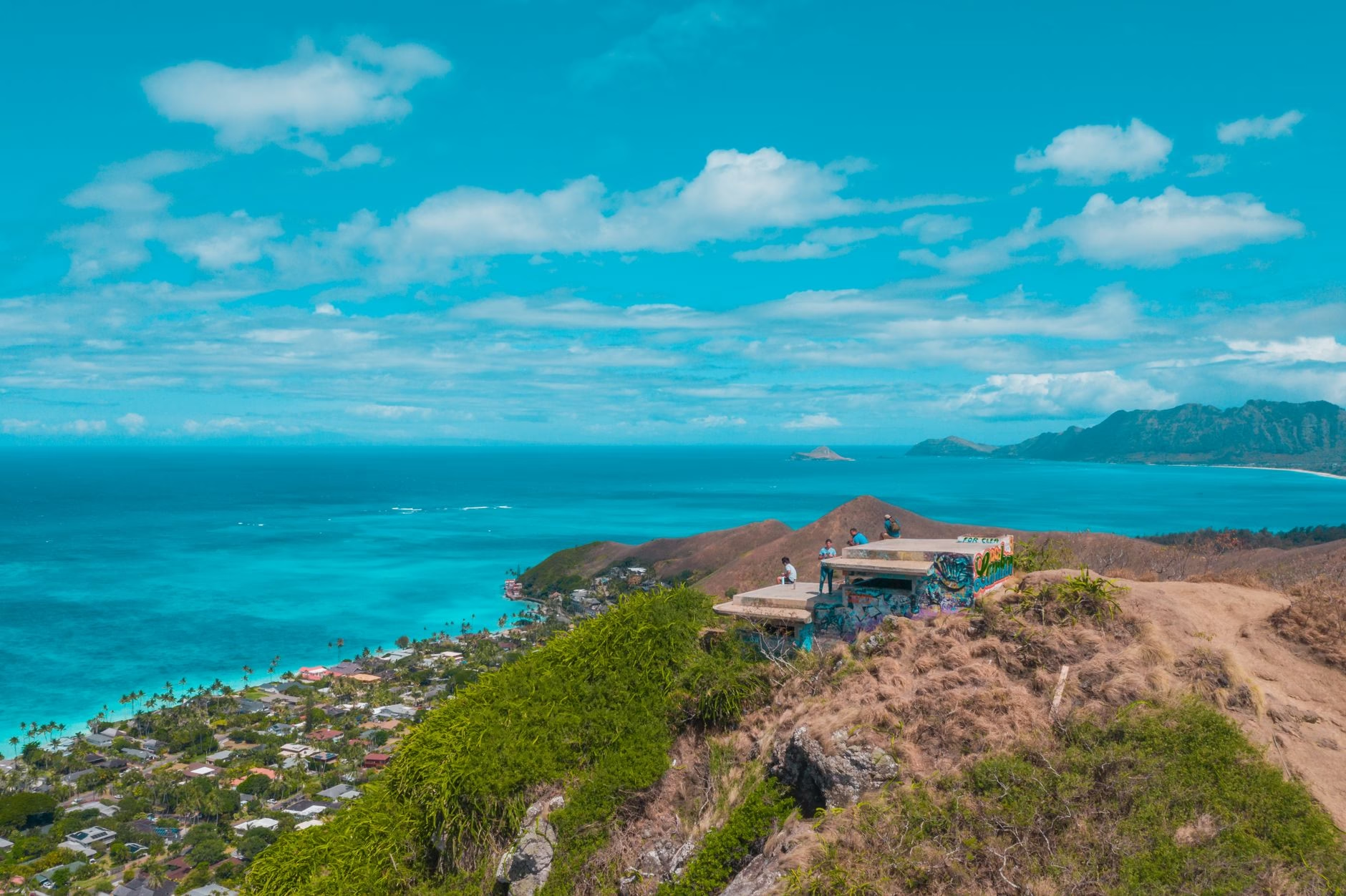
Overview: Why O‘ahu Is a Free Adventure
When most travelers think of Hawaii they picture pricey resorts, organized tours, and expensive meals. Yet the island of O‘ahu offers a surprisingly rich tapestry of experiences that cost nothing more than a pair of shoes, a bottle of water, and a sense of curiosity. From world‑class beaches that stretch for miles to volcanic craters that loom over the skyline, the island’s natural beauty is open to anyone willing to explore. The key is knowing where to go, when to go, and how to move around without reaching for your wallet. This guide walks you through the best free activities, practical logistics, and insider tips that will let you soak up the spirit of O‘ahu without spending a cent.
When to Visit for Free Experiences
Timing can make a huge difference in how much you can enjoy O‘ahu for free. The island’s climate is tropical, so warm weather lasts year‑round, but the peak tourist season—mid‑December through March and June through August—brings larger crowds and a higher demand for parking and public transport. Visiting during the shoulder months of April, May, September, or October offers a quieter experience while still enjoying pleasant temperatures. Early mornings are especially rewarding: sunrise at the beach means fewer people, cooler sand for walks, and often better chances of spotting sea turtles or dolphins. Many free cultural festivals and community events are scheduled on weekends in the summer months, so keep an eye on local calendars for “Honolulu Night Market” or “Lei Day” celebrations that provide live music, performances, and free samples.
Getting Around Without Spending Much
The public bus system, known as TheBus, is the backbone of free or low‑cost transportation on O‘ahu. A standard fare is a few dollars, but the system also offers a “Free Ride” pilot program on certain routes during specific times, especially around downtown Honolulu. If you’re staying within a central area like Waikiki or Ala Moana, you’ll find that most attractions are within a reasonable walking distance. For longer distances, consider using the free “Bike Share” stations that appear at popular parks and beaches; a single ride costs only a token deposit that you get back when you return the bike. Finally, many beach parking lots have free street parking after 5 p.m., and a few have a “first‑come, first‑served” policy that lets you park at no charge if you arrive early enough.
Free Beaches: Sun, Sand, and Surf
O‘ahu’s coastline is a playground of free public beaches. Each one offers a distinct vibe and a range of activities that don’t require a rental fee.
- Waikiki Beach – The most iconic stretch of sand, perfect for people‑watching, sunrise yoga, and surf‑watching from the shoreline.
- Kailua Beach Park – A wide, powder‑soft beach with gentle waves ideal for paddle‑boarding (you can bring your own board) and picnicking under the palms.
- Lanikai Beach – Often listed among the world’s most beautiful beaches, it offers calm waters for snorkeling right from the shore.
- Sandy Beach – Known for powerful shore breaks that attract experienced surfers and body‑boarders; watch the action or try a few kicks if you’re confident.
- Ala Moana Beach Park – A favorite among locals for jogging, beach volleyball, and a wide, flat stretch for windsurfing practice.
All of these beaches provide free access to restrooms and outdoor showers, and most have designated picnic areas where you can enjoy a packed lunch.
Iconic Natural Landmarks You Can Explore for Free
Beyond the beach, O‘ahu is dotted with natural landmarks that are free to the public. The most famous is Diamond Head State Monument, where the trailhead begins at a parking lot that charges a small vehicle fee; however, the hike itself is free once you’ve entered on foot. For a truly free experience, head to the Makapu’u Point Lighthouse Trail. The paved path offers stunning ocean vistas and the chance to spot humpback whales during the winter migration season, all without any entry cost.
Another hidden gem is the Ho‘omaluhia Botanical Garden in Kaneohe. While the garden asks for a donation, visitors can wander its lush pathways and view the lake for free, making it a peaceful escape from the city. The Manoa Falls Trail near Honolulu also provides a rewarding hike through a tropical rainforest culminating in a modest waterfall. Although the trail can be muddy after rain, it remains open and free to hikers who come prepared with proper footwear.
Neighborhood Walks: Discover Local Culture on Foot
Walking tours don’t have to be guided to be enriching. Choose a neighborhood and let the streets tell their stories.
- Chinatown – Wander through vibrant markets, historic temples, and street art. Look for the “Kawananakoa” mural and the open‑air market on Saturdays for a glimpse of local produce.
- Kaka‘ako – This revitalized district showcases impressive murals, the “Kaka‘ako Waterfront Park” with sweeping views of the harbor, and free skate parks where locals gather.
- Hale‘iwa Town – On the North Shore, the town’s historic storefronts and surf shops create a laid‑back atmosphere. A stroll along the shoreline at low tide reveals tide pools teeming with marine life.
- Kalihi‑Pā‘oa – A multicultural enclave where you can explore small eateries, community gardens, and local churches that often host free cultural events.
Each neighborhood offers a unique slice of island life, and most are easily accessible via TheBus or a short bike ride.
Free Cultural Events and Festivals
O‘ahu’s calendar is peppered with community celebrations that welcome visitors without charge. The annual Lei Day festivities on May 1st bring together hula performances, lei‑making workshops, and live music across various parks. During the summer months, the Honolulu Festival offers a free “Cultural Night” program featuring traditional dance and craft demonstrations. Keep an eye on the City and County of Honolulu’s events page for updates on free concerts in the park, especially at Kapi‘olani Park on Thursday evenings during the cooler months.
In addition, many museums and cultural centers have “free admission” days. The Honolulu Museum of Art offers free entry on the first Saturday of each month, while the Bishop Museum occasionally runs a “Community Day” where residents and visitors alike can explore Hawaiian history without a ticket. Checking the institutions’ official websites ahead of time will help you plan your visit around these complimentary windows.
Outdoor Activities: Hiking, Snorkeling, and More at No Cost
O‘ahu’s landscape is a playground for outdoor enthusiasts who don’t want to rent equipment. Many trails, like the Kuliouou Ridge Trail, are entirely free and provide sweeping views of the windward coast. The trailhead is located near a small parking lot that often has free street parking on weekdays. For snorkeling, the clear waters at Shark’s Cove on the North Shore are accessible from the shoreline; you can borrow a mask and snorkel from a friend or bring your own gear. If you’re looking for a more relaxed water activity, the tide pools at Makapu’u** (near the lighthouse trail) are perfect for spotting small fish and crabs during low tide.
For those who prefer a slower pace, the Honolulu Waterfront Trail runs from Ala Moana to Kaka‘ako, offering a scenic, flat path perfect for walking, jogging, or rollerblading. The trail is lined with public art installations and benches, making it an ideal spot for a leisurely afternoon.
Food for Free: Sampling Local Flavors on a Budget
While dining out in Hawaii can be expensive, there are clever ways to taste the island’s culinary heritage without opening your wallet. Many community events, like the aforementioned Lei Day, provide complimentary samples of poke, shave‑ice, and fresh fruit. During the summer, the “Food Truck Friday” gatherings in Kaka‘ako often feature vendors handing out free tasters to draw in crowds. In addition, several grocery stores and farmers’ markets set up “free sample” stations where you can try local fruits such as mango, papaya, and the iconic pineapple.
If you’re staying near a beach, bring a cooler and stock up on inexpensive, local staples like banana bread, spam musubi (you can make your own at a modest cost), and fresh coconut water. Many hotels and hostels provide a complimentary breakfast of fresh fruit and pastries, which can be combined with a self‑prepared picnic to enjoy at any of the island’s scenic parks.
Day Trips and Nearby Spots That Won’t Cost a Dime
O‘ahu’s geography allows for numerous day‑trip possibilities that involve no admission fees. A popular route is the “East O‘ahu Loop” which starts at the Halona Blowhole (free to view from the overlook) and continues to the historic Makapu’u Point** (free lighthouse trail). The drive offers spectacular coastal vistas and several pull‑over spots for photo opportunities.
Another free excursion is the Waimea Valley hike. While the main garden charges a modest fee, the surrounding trails leading to the waterfall are open to the public at no cost. For a taste of rural O‘ahu, head to the town of Waimanalo**. Its beach is less crowded, and the nearby Waimanalo Bay Beach Park** provides a wide expanse of sand and a small fishing pier—all free.
Finally, the historic Byodo-In Temple** in the Valley of the Temples is open to visitors without charge, though donations are welcomed. The serene setting, surrounded by a koi pond and lush gardens, makes for a peaceful afternoon of reflection.
Practical Logistics: Restrooms, Parking, and Safety
Knowing where to find basic amenities can make a free day on O‘ahu much more comfortable. Most public beaches are equipped with restrooms and outdoor showers, though they can be busy during peak hours. If you need a restroom farther inland, city parks like Kapi‘olani Park** and Ala Moana Beach Park** have free facilities. Parking is generally free along residential streets after 5 p.m., but be mindful of “No Parking” signs and resident permits. Many beach parking lots are free in the early morning and after sunset; arriving early helps you secure a spot without paying the occasional hourly rate.
Safety on the island is generally high, but it’s wise to stay aware of ocean conditions. Pay attention to posted signs indicating “No Swim” zones due to strong currents or shark sightings. If you’re hiking, carry a small first‑aid kit, plenty of water, and a fully charged phone. The state’s Hawaii County website provides up‑to‑date information on trail closures and weather advisories.
Budget Tips to Keep Your O‘ahu Adventure Truly Free
Even when the activities themselves are free, small expenses can add up. Here are some practical strategies to keep your overall cost at zero or close to it:
- Pack your own water and snacks – Refillable water bottles and a simple snack like fresh fruit or granola bars prevent the need to purchase overpriced drinks.
- Use reusable containers – Many beach parks have water fountains; bringing a reusable bottle means you’ll stay hydrated without buying bottled water.
- Take advantage of free Wi‑Fi – Libraries, coffee shops (even if you don’t buy), and some public beaches offer complimentary internet access for checking schedules or maps.
- Plan your route – Group nearby attractions together to minimize bus fares or fuel consumption if you’re renting a car.
- Watch for “Free Day” events – Museums, cultural centers, and occasional pop‑up concerts frequently host no‑charge days; set alerts on their websites or follow local tourism boards on social media.
By combining these habits with the free attractions highlighted above, you can experience O‘ahu’s natural beauty, cultural richness, and warm hospitality without spending a dime beyond the basics of travel.
