
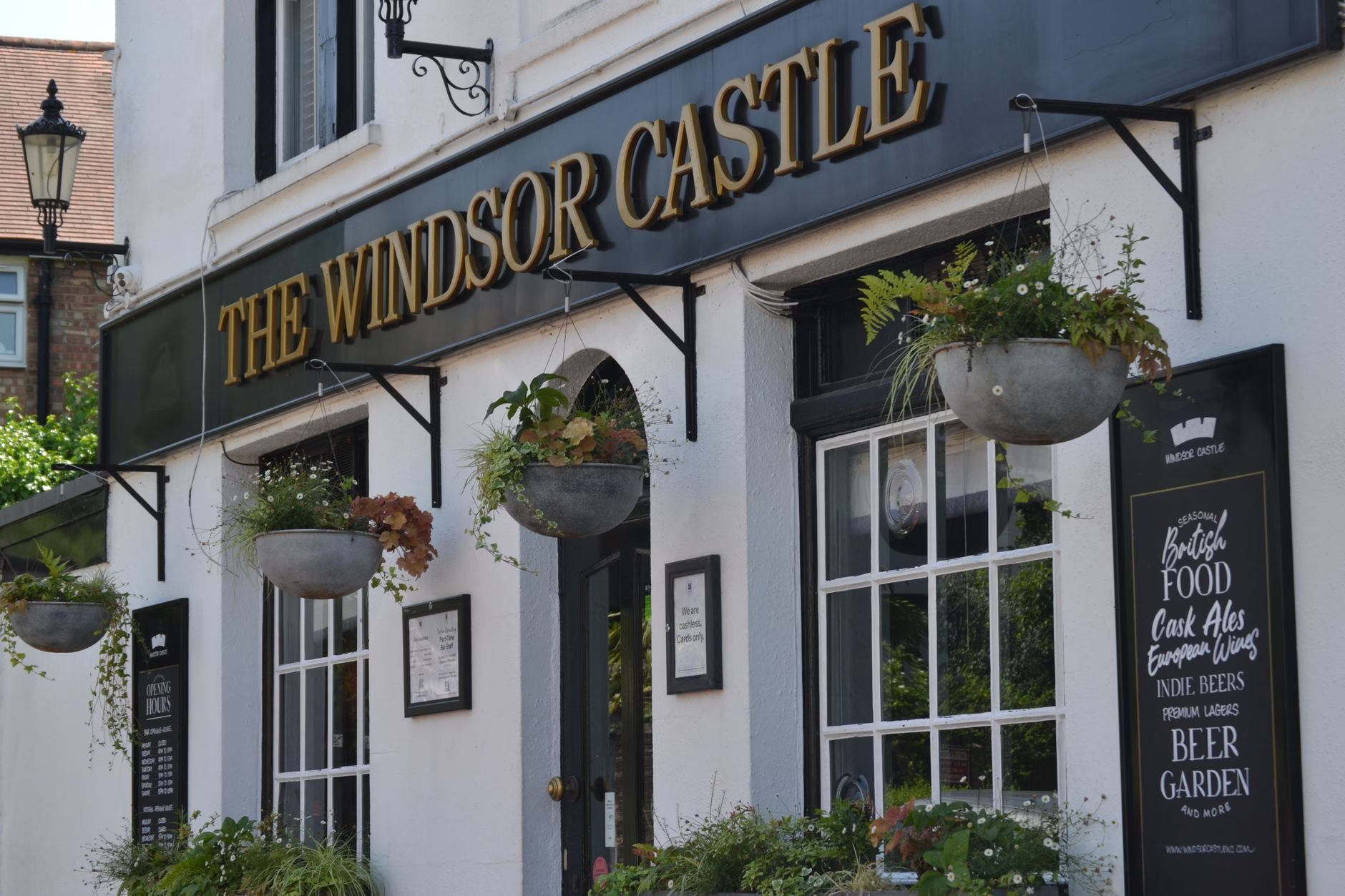
Why Windsor Deserves a Spot on Your Bucket List
When most travellers think of royal England, the image that jumps to mind is a stately palace, a river that winds through historic streets, and a town that seems to live forever in a postcard. Windsor offers exactly that – a compact, walkable town that balances grand heritage with a relaxed, riverside vibe. Whether you’re a history buff, a family looking for fun, or a foodie hunting local flavor, Windsor serves up an array of experiences that feel both quintessentially British and uniquely personal.
1. Windsor Castle – The Heartbeat of the Town
Windsor Castle is the oldest and largest inhabited castle in the world, and the official residence of Her Majesty The Queen. Its towering battlements dominate the skyline, and the State Apartments showcase a collection of royal art, furniture, and historic tapestries that span centuries.
Plan to spend at least three to four hours here. The castle’s Changing of the Guard ceremony, which takes place on select days, offers a glimpse into centuries‑old military tradition. Inside, you’ll find:
- St George’s Chapel: A masterpiece of Perpendicular Gothic architecture and the final resting place of many monarchs, including Henry VIII.
- The State Apartments: Lavishly decorated rooms that host official state occasions.
- The Semi‑State Rooms: Intimate spaces that were once the private quarters of Queen Victoria.
Tickets are sold on a timed‑entry basis, so it’s wise to book in advance, especially during school holidays. Audio guides are available in several languages, allowing you to explore at your own pace.
2. St George’s Chapel – A Sacred Space of Royal History
Just a short walk from the castle’s main entrance, St George’s Chapel feels like stepping into a living museum. The chapel is a masterpiece of medieval craftsmanship, with soaring vaulted ceilings, exquisite stained glass, and a choir that performs regular services and concerts.
Key highlights include:
- Prince Harry and Meghan Markle’s 2018 wedding – the chapel’s nave still bears the subtle imprint of that historic event.
- The Garter Stalls – a row of wooden stalls displaying the insignia of the Order of the Garter, the highest order of chivalry in England.
- Numerous royal tombs – the final resting place of Henry VIII, Charles I, and many other monarchs.
Entrance to the chapel is free, though donations are encouraged to help maintain the building. If you visit during a service, be prepared for a quiet, reverent atmosphere.
3. Exploring the Long Walk and Windsor Great Park
The Long Walk is a straight, tree‑lined avenue that stretches for nearly three miles from the castle’s gates to the Copper Horse statue of King George III at the end of the park. Walking the entire length offers a panoramic view of the castle framed by ancient oaks, and it’s a popular route for joggers, cyclists, and families.
Beyond the Long Walk lies Windsor Great Park, a sprawling green space that covers over 5,000 acres. The park offers a variety of landscapes, from formal gardens to wild heathland, making it perfect for:
- Picnicking on the expansive lawns.
- Spotting wildlife such as red squirrels, deer, and a variety of bird species.
- Exploring historic structures like the Deer Park and the Upper Lodge.
Entry to the park itself is free, though certain areas such as the Savill Garden charge a modest admission fee. The park is well‑signposted, and there are several car parks and public transport stops nearby.
4. The Savill Garden – A Hidden Botanical Gem
Set within Windsor Great Park, the Savill Garden is a beautifully curated collection of themed gardens, each showcasing a different style or plant collection. From the fragrant Rose Garden to the exotic Asian Walk, the garden offers a peaceful retreat from the town’s bustle.
While the garden does charge an entry fee, the cost is modest and the experience is worth it for anyone who enjoys horticulture or simply wants a tranquil space to relax. Guided tours are offered on select days, providing insight into the garden’s history and plant selections.
5. River Thames Walks and Boat Trips
The River Thames runs alongside Windsor, offering both scenic walking routes and leisurely boat trips. A stroll along the Thames Path from Windsor to the neighboring town of Eton takes you past historic houses, riverside pubs, and picturesque bridges.
For a different perspective, consider a short river cruise. Several operators run regular services that last between 30 minutes and an hour, giving passengers views of the castle’s riverfront façade and the surrounding countryside. Some boats also host afternoon tea on board, an elegant way to combine sightseeing with a traditional British treat.
6. Legoland Windsor – A Family Favourite
Just a short bus ride from the town centre, Legoland Windsor Resort offers a full day of thrills for children and adults alike. The park is divided into themed zones such as Castle Hill, Adventure Land, and Miniland, where famous landmarks from around the world are recreated in LEGO bricks.
While Legoland is a commercial attraction, it remains a top‑rated activity for families staying in Windsor. Look out for seasonal events like Halloween parties, Christmas celebrations, and special LEGO building workshops that add extra value to your visit.
7. Windsor Royal Shopping – Shopping in a Historic Setting
Set within the former Windsor Castle moat, Windsor Royal Shopping blends historic architecture with modern retail. The covered arcade houses a mixture of high‑street brands, independent boutiques, and artisan stalls.
Even if you’re not planning a major shopping spree, the arcade is worth a visit for its ambience. Grab a coffee at one of the cafés and watch the world go by while admiring the Victorian ironwork and the original castle walls that form part of the backdrop.
8. Eton College – Walking Through Academic History
Across the Thames, the town of Eton is home to Eton College, one of the world’s most prestigious schools. While the college is a private institution and not open for regular tours, the surrounding streets and the college’s outer grounds can be explored on foot.
Key points of interest include:
- The Eton College Chapel, an impressive example of neo‑Gothic architecture.
- The historic college quadrangle, visible from the public pathways.
- Traditional “Eton mess” stalls that occasionally appear during local fairs.
Cross the Thames via the Windsor Bridge for a short walk and enjoy the contrasting atmospheres of the two towns – Windsor’s regal aura and Eton’s scholarly charm.
9. Food & Drink – Tasting Windsor’s Local Flavours
Windsor’s culinary scene is a blend of classic British fare, contemporary international cuisine, and locally sourced produce. Below are some food‑centric experiences you can enjoy without needing to name specific restaurants:
- Traditional pubs: Many historic pubs line the High Street, offering real ales, hearty pies, and a warm, communal atmosphere. Look for venues with a “real ale” sign for a taste of locally brewed beer.
- Afternoon tea: Several tea rooms in Windsor serve the classic three‑tiered tea service – finger sandwiches, scones with clotted cream, and a selection of pastries.
- Farmers’ market: Held on select Saturdays, the market showcases fresh produce, artisan breads, cheese, and handcrafted goods from local producers.
- Riverside dining: Restaurants with a view of the Thames often feature seasonal menus that incorporate fish from the river and locally harvested herbs.
For a budget‑friendly option, try a “pie and mash” shop or a sandwich stall near the castle grounds – the food is filling, affordable, and gives a genuine taste of British comfort cooking.
10. When to Visit – Seasons, Festivals, and Weather
Windsor’s attractions are open year‑round, but the experience differs with the seasons:
- Spring (March–May): Gardens burst into bloom, and the weather is mild. This is an excellent time for walking the Long Walk and visiting the Savill Garden.
- Summer (June–August): Longer daylight hours make it ideal for exploring the castle and taking boat trips. Expect larger crowds, especially around royal events.
- Autumn (September–November): The park’s foliage turns golden, providing spectacular photo opportunities. The temperature remains comfortable for walking tours.
- Winter (December–February): While the weather can be chilly, Windsor’s Christmas lights, festive markets, and occasional snow give the town a magical feel. Castle tours are less crowded, and you might catch a royal Christmas service.
The Windsor Festival, a week‑long celebration of music, theatre, and visual arts, typically takes place in late May and early June. It features free outdoor performances as well as ticketed events in historic venues, making it a highlight for culture lovers.
11. Getting Around – Public Transport, Walking, and Cycling
Windsor’s compact layout makes it highly walkable, but there are several transport options for those who prefer not to trek:
- Train: Windsor & Eton Central and Windsor & Eton Riverside stations provide regular services from London Paddington and London Waterloo respectively. The journey takes roughly 30–45 minutes, making Windsor an easy day‑trip destination from the capital.
- Bus: Local bus routes connect the town centre with nearby villages, Legoland, and the Great Park. Day passes are available and often cheaper than single tickets.
- Bike rentals: Several bike hire schemes operate near the castle gates, allowing you to cycle along the Thames Path or through the Great Park at your own pace.
- Taxi & rideshare: Taxis are readily available, though traffic can be heavy during peak tourist times. Booking a rideshare can be a convenient alternative for short trips.
Most major attractions are within a ten‑minute walk from each other, so a comfortable pair of shoes is your best companion.
12. Budget Tips – Seeing Windsor Without Breaking the Bank
While Windsor does have a reputation for being a high‑end tourist spot, there are plenty of ways to enjoy the town on a modest budget:
- Free attractions: The town’s historic streets, the River Thames walk, and the exterior of St George’s Chapel can be enjoyed at no cost.
- Combined tickets: Look for joint tickets that bundle entry to Windsor Castle with the State Apartments or the Savill Garden; these often provide a small discount compared to buying separately.
- Railcards: If you’re traveling from London, a 16‑25 Railcard or a Two‑Together Railcard can reduce train fares by up to a third.
- Picnic meals: Purchase fresh produce from the farmers’ market or a local supermarket and enjoy a picnic in Windsor Great Park – a pleasant alternative to dining in restaurants.
- Evening strolls: The castle’s exterior is beautifully illuminated after dark, offering a memorable sight that doesn’t cost a penny.
13. Day Trips from Windsor – Expanding Your Itinerary
Windsor’s central location makes it a convenient base for exploring surrounding attractions:
- Hampton Court Palace: About a 30‑minute train ride west, this Tudor palace offers stunning gardens, a historic maze, and a glimpse into Henry VIII’s life.
- Royal Botanic Gardens, Kew: A short train journey to Kew brings you to one of the world’s most famous botanical collections, with glasshouses, a treetop walkway, and extensive lawns.
- The Chiltern Hills: Ideal for hikers and cyclists, the rolling hills and picturesque villages provide a quintessential English countryside experience.
- London: With quick rail connections, a half‑day trip to central London is feasible, allowing you to see landmarks such as the Tower of London, Westminster Abbey, or the West End.
When planning day trips, consider buying a day‑return train ticket or using an off‑peak travel card to keep costs low.
14. Practical Logistics – Accommodation, Safety, and Accessibility
Accommodation: Windsor offers a range of lodging options, from historic inns within the town walls to modern hotels a short walk from the railway stations. Booking early, especially for summer months, ensures better rates and availability. For budget travellers, nearby towns such as Slough or Maidenhead provide affordable hostels and B&B’s with easy train connections.
Safety: Windsor is generally a safe town with a visible police presence, particularly around the castle and main shopping areas. As with any popular tourist destination, keep an eye on personal belongings in crowded spots.
Accessibility: The castle provides wheelchair‑accessible routes to many areas, though some historic sections have limited access due to preservation work. Public transport buses are equipped with low‑floor access, and most public toilets in the town centre are wheelchair‑friendly.
Weather preparation: British weather can be unpredictable. Pack a lightweight waterproof jacket, comfortable walking shoes, and a reusable water bottle. Even on sunny days, a light layer can be useful for early mornings or breezy evenings along the river.
With a blend of regal heritage, natural beauty, and family‑friendly attractions, Windsor delivers a travel experience that feels both timeless and vibrant. By planning your visit around the seasons, using public transport, and taking advantage of free or low‑cost activities, you can explore this iconic town without feeling rushed or overspending. Whether you spend a single day or a relaxed weekend, Windsor’s charm will linger long after you’ve left its historic streets.
