
Why Hyderabad Captivates Travelers
Hyderabad, the capital of Telangana in southern India, is a city where centuries‑old history sits comfortably alongside a buzzing tech‑driven present. Founded in 1591 by Muhammad Quli Qutb Shah, the city grew from a modest settlement into a thriving Mughal‑influenced metropolis. Today it is renowned for its distinctive architecture, the famous “biryani” cuisine, and a thriving information‑technology sector that has earned it the nickname “Cyberabad.” What makes Hyderabad truly magnetic for visitors is the seamless blend of the old and the new: marble arches and intricate stone lattices share streets with glass‑fronted start‑up offices, while bustling bazaars coexist with polished shopping malls. The city’s warm, welcoming people, the lingering scent of spices in the air, and the rhythm of everyday life—whether it’s the call to prayer echoing from a minaret or the hum of traffic on the outer ring road—offer a sensory experience that stays with you long after you leave.
Iconic Historical Landmarks
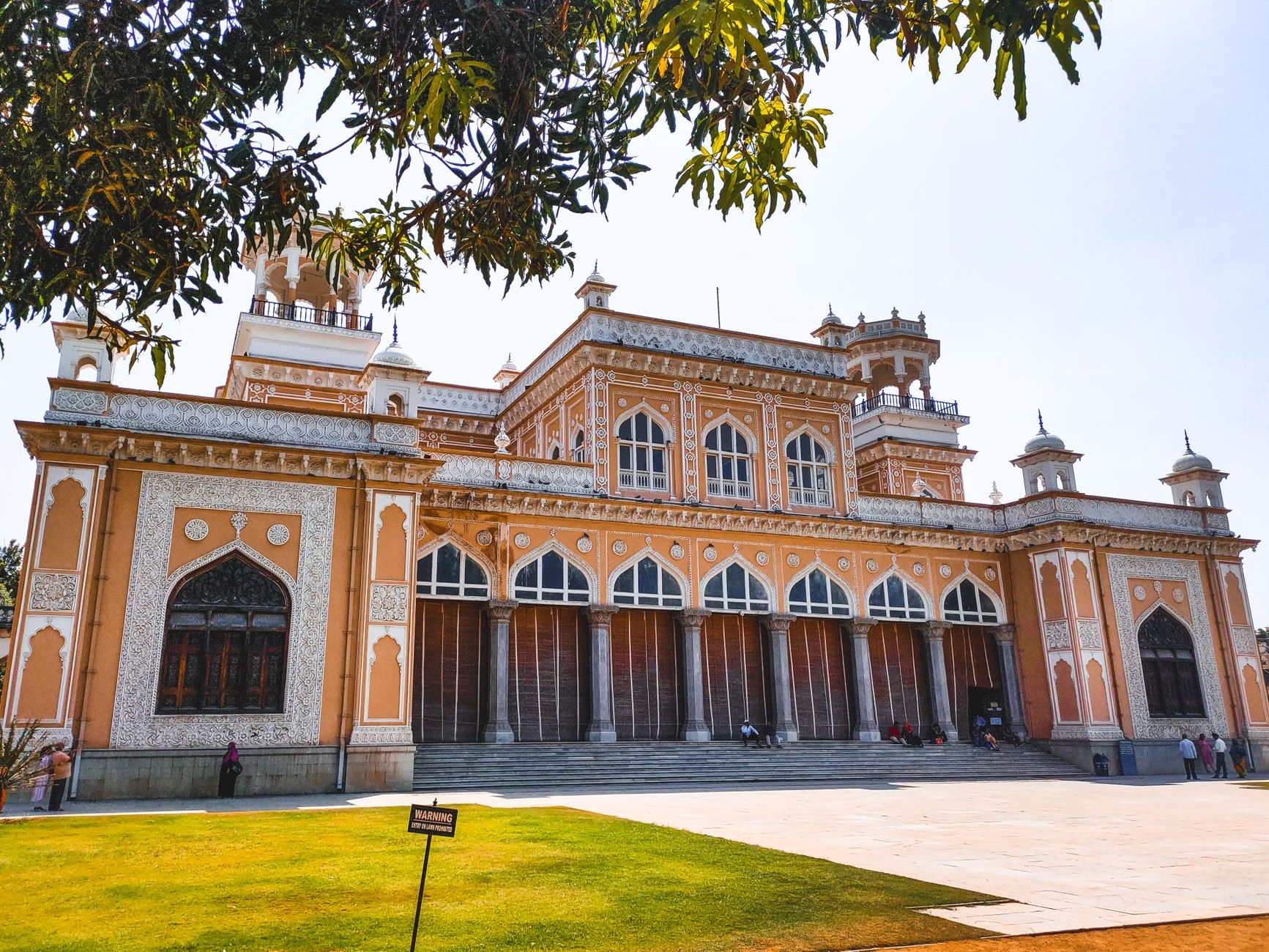
Hyderabad’s skyline is punctuated by monuments that tell the story of its past. The most celebrated among them is the Charminar, a four‑towered gateway that has become the emblem of the city. Just a short walk away, the nearby Mecca Masjid—one of the largest mosques in India—offers a glimpse into the religious life that has shaped the region. To the north, the massive stone walls of Golconda Fort rise dramatically, a reminder of the city’s once‑powerful Nizam‑ruled kingdom. Further south, the Qutb Shahi Tombs stand as an open‑air museum of Indo‑Persian architecture, while the historic Chowmahalla Palace showcases opulent interiors that once hosted royal courts. Each site is a chapter in Hyderabad’s layered narrative, and together they form a compelling itinerary for history enthusiasts.
The Charminar and Its Environs
Standing at the intersection of four bustling thoroughfares, the Charminar is not merely a monument; it is a living hub of activity. Visitors can climb the narrow staircases to the top level for a panoramic view of the old city’s labyrinthine lanes, red‑tiled roofs, and the sparkling Hussain Sagar lake in the distance. Around the Charminar, the old city’s streets are lined with centuries‑old houses, each adorned with delicate stucco work and ornate wooden doors. The area is also home to the Laad Bazaar, famous for its lacquered bangles and intricate jewelry. As you wander, you’ll encounter street vendors selling fresh rose‑water sherbets, fragrant incense, and hand‑crafted paper‑mâché items—perfect souvenirs that capture the spirit of Hyderabad.
Golconda Fort and the Sound & Light Show
Perched on a granite hill, Golconda Fort offers a journey through time and architecture. The fort’s massive walls, massive gates, and intricate acoustic design—where a hand clap at the entrance can be heard at the highest pavilion—make it a marvel of engineering. Inside, visitors can explore the royal chambers, the old palace ruins, and the grand bazaar area that once bustled with trade. In the evenings, the fort comes alive with a sound and light show that narrates the history of the Qutb Shahi dynasty. The performance, set against the backdrop of illuminated arches and cascading fountains, provides an engaging way to absorb the fort’s legacy without needing a guide.
The Splendor of the Qutb Shahi Tombs
Just a short drive from the Charminar lies a serene complex of marble and sandstone domes—the Qutb Shahi Tombs. The tombs belong to the sultans who founded the city, and each structure reflects a subtle evolution of Persian and Deccan architectural styles. The largest dome belongs to Sultan Muhammad Quli Qutb Shah, the city’s founder, and its interior is embellished with intricate stucco work and delicate jali screens that filter the sunlight into patterned shadows. The quiet gardens surrounding the tombs offer a peaceful escape from the city’s hustle, making it an ideal spot for reflection and photography.
Exploring the Pearls and Bazaars of Laad Bazaar
Hyderabad earned the moniker “City of Pearls” during the 19th century, when it was a major trading hub for pearls harvested from the Persian Gulf. Laad Bazaar, situated just east of the Charminar, is the heart of this historic trade. While the original pearl market has shifted to modern commercial centers, the spirit remains alive in the rows of stalls displaying fresh and cultured pearls, as well as silver jewelry set with semi‑precious stones. Beyond pearls, the bazaar is a treasure trove of traditional Hyderabadi attire—such as the elegant kurta‑pyjama sets and vibrant sarees—alongside handcrafted wooden toys and brassware. Bargaining is part of the experience, and a friendly smile often leads to a better price.
Culinary Journey: Must‑Try Hyderabadi Dishes
No visit to Hyderabad is complete without indulging in its world‑renowned cuisine. The city’s culinary identity is a flavorful marriage of Mughal, Persian, and local Telugu influences, resulting in dishes that are rich, aromatic, and deeply satisfying.
- Hyderabadi Biryani: A fragrant rice dish layered with marinated meat (usually chicken or mutton), saffron, and caramelized onions, cooked in a sealed “dum” to trap the flavors.
- Haleem: A slow‑cooked stew of wheat, lentils, and meat, seasoned with a blend of spices and typically enjoyed during Ramadan.
- Mirchi Ka Salan: A tangy, peanut‑based gravy featuring large green chilies, often served alongside biryani.
- Pathar Ka Gosht: Tender pieces of meat cooked on a stone slab, imparting a smoky flavor.
- Double Roasted Irani Tea: A strong, frothy tea that reflects Hyderabad’s historic Irani cafés culture.
Street food lovers should also sample the famous keema samosa (spiced minced meat pastries) and panipuri (crispy shells filled with spiced water). For dessert, the sweet, syrup‑soaked Qubani ka Meetha (apricot pudding) offers a perfect ending to a hearty meal.
When to Visit: Seasons and Festivals
Hyderabad enjoys a tropical wet‑and‑dry climate, making certain periods more pleasant for exploring the city’s outdoor attractions. The most comfortable months are from October to February, when daytime temperatures range between 20 °C and 30 °C (68 °F–86 °F) and the humidity is relatively low. This is also the season when the city’s major festivals take place, providing vibrant cultural experiences.
- Deccan Festival (February): A celebration of the region’s art, craft, and cuisine, featuring music performances, traditional dance, and food stalls.
- Ramzan (Ramadan): The city’s streets come alive after sunset with bustling night markets, special sweets, and the famed iftar feasts.
- Bonalu (July–August): A Hindu festival honoring the goddess Mahakali, marked by colorful processions and rhythmic drumbeats.
- Hyderabad Literary Festival (December): A gathering of writers, poets, and intellectuals from across India and abroad.
While the monsoon months of June to September bring occasional showers, they also cool the city and lend a fresh scent to the gardens and historic sites. Travelers who prefer fewer crowds may consider visiting during the early monsoon, taking advantage of lower hotel rates and a quieter atmosphere.
Getting Around: Transportation Options
Hyderabad’s transportation network has expanded significantly in recent years, offering several convenient ways to navigate the city.
- Metro Rail: The Hyderabad Metro, with three lines, connects major points such as the airport, Banjara Hills, and the IT corridor. Trains run at regular intervals and are air‑conditioned, making them a comfortable option for both locals and tourists.
- Auto‑Rickshaws: These three‑wheeled vehicles are abundant and can be hired for short trips. Most drivers understand basic English, and fares are generally negotiable, though many now use meter‑based pricing.
- Ride‑Sharing Apps: Services like Uber and local equivalents operate throughout the city, offering door‑to‑door convenience at competitive rates.
- City Buses: Operated by the Telangana State Road Transport Corporation (TSRTC), the bus network covers extensive routes, including a dedicated “Pushpak” service for airport connections.
- Renting a Car: For travelers who wish to explore beyond the city limits, several agencies provide self‑drive or chauffeur‑driven options. A driver familiar with local traffic patterns can be especially helpful for day trips.
Pedestrian-friendly lanes are gradually being introduced in the historic center, but many streets remain narrow and crowded, so comfortable walking shoes are essential. When using public transport, it is advisable to keep an eye on belongings and to avoid traveling alone late at night in less‑populated areas.
Budget‑Friendly Tips for the Savvy Traveler
Hyderabad can be explored comfortably on a modest budget without compromising on experiences. Here are some practical pointers:
- Stay in Guesthouses or Budget Hotels: Areas such as Banjara Hills, Jubilee Hills, and the old city offer a range of affordable accommodations that include basic amenities and sometimes complimentary breakfast.
- Eat at Local Eateries: Street stalls and modest cafés serve authentic dishes at a fraction of the price of upscale restaurants. Look for places bustling with locals—a good sign of quality and fairness.
- Use the Metro for Long Distances: A single ride is inexpensive and can save both time and money compared to auto‑rickshaws during peak traffic.
- Visit Free Attractions: Parks such as KBR National Park, the historic streets around Charminar, and the public art installations at the Salar Jung Museum grounds can be enjoyed without an entry fee.
- Buy Souvenirs in Bulk: When purchasing items like pearls or bangles, buying several pieces together often leads to better rates.
- Plan Day Trips Early: Booking transportation or shared tours in advance can lock in lower rates and guarantee seats during popular travel periods.
Overall, a daily budget of INR 1,500–2,500 (approximately USD 20–35) can comfortably cover meals, local transport, and entry fees for most attractions, while still leaving room for occasional splurges on special experiences.
Day Trips from Hyderabad
The city’s strategic location makes it a convenient base for exploring several noteworthy destinations within a few hours’ drive.
- Ramoji Film City (≈ 30 km): A sprawling film‑studio complex offering guided tours of sets, live shows, and themed attractions that showcase the Indian film industry’s behind‑the‑scenes magic.
- Bidriware Village at Bidar (≈ 150 km): Known for its intricate metal‑inlay work, the village offers workshops where artisans demonstrate the centuries‑old craft of embedding silver into blackened alloy.
- Medak Cathedral (≈ 90 km): One of the largest churches in Asia, this Gothic‑style edifice features stained‑glass windows and a tranquil atmosphere.
- Ananthagiri Hills (≈ 45 km): A serene hill station with trekking trails, waterfalls, and panoramic views—ideal for nature lovers seeking a quick escape from city life.
- Hussain Sagar Lake and Buddha Statue (within the city): While technically not a day‑trip, an early morning boat ride to the massive Buddha statue offers a peaceful interlude before heading back to urban exploration.
Most of these destinations are reachable by a comfortable two‑hour drive, and many local tour operators offer half‑day packages that include transportation, a guide, and entry fees.
Modern Attractions and Cultural Spaces
Beyond its historic gems, Hyderabad has embraced contemporary art, technology, and entertainment, providing a well‑rounded visitor experience.
- Salar Jung Museum: One of the world’s largest one‑stop museums, it houses an eclectic collection ranging from Indian miniature paintings to European sculptures, all under one roof.
- HITEC City: The technology corridor showcases Hyderabad’s status as a global IT hub, with sleek office towers, start‑up incubators, and modern cafés.
- Shilparamam: A cultural village that hosts craft fairs, folk performances, and exhibitions, giving visitors insight into the region’s tribal art forms.
- Hyderabad International Convention Centre (HICC): An architectural marvel that frequently hosts conferences, concerts, and large‑scale exhibitions.
- Birla Science Museum: A science‑focused complex with an interactive planetarium, making it a family‑friendly destination.
These venues complement the city’s historic core, providing a balanced itinerary for those who appreciate both the past and the present.
Practical Logistics: Visa, Language, Safety, and Connectivity
Travelers planning a trip to Hyderabad should consider a few essential logistical points.
- Visa Requirements: Most international visitors need a tourist e‑visa, which can be applied for online. Indian authorities typically process e‑visas within a few business days, and the visa is valid for 60 days from the date of entry.
- Language: While Telugu is the official state language, Hindi and English are widely understood, especially in tourist areas, hotels, and commercial establishments.
- Safety: Hyderabad is generally safe for solo travelers and families alike. Standard precautions—such as avoiding poorly lit streets after midnight, keeping valuables secure, and using reputable transport services—apply as in any major city.
- Health and Hygiene: Tap water is not recommended for drinking; bottled or filtered water is readily available. Street food is delicious but choose stalls that appear clean and have a steady flow of customers.
- Connectivity: Mobile networks (such as Airtel, Jio, and Vodafone Idea) provide extensive coverage. Purchasing a prepaid SIM card at the airport or a local shop is straightforward and often includes data packages suitable for navigation and social media.
- Power Outlets: India uses the Type C and Type D plugs with a 230 V supply. Carrying a universal adapter is advisable.
By keeping these practical matters in mind, visitors can focus on soaking in Hyderabad’s vibrant atmosphere without unnecessary hassles.
Final Thoughts: Crafting Your Hyderabad Experience
Hyderabad invites you to wander through centuries of royal splendor, savor aromas that have defined Indian cuisine for generations, and engage with a city that is confidently marching toward the future while honoring its roots. Whether you spend your days wandering the bustling lanes of the old city, exploring the grand arches of Golconda Fort, or enjoying a sunset boat ride on Hussain Sagar lake, each moment adds a layer to an unforgettable narrative.
The key to a rewarding visit lies in balancing the iconic attractions with hidden gems—like a quiet courtyard café in the historic district or a local market where artisans still practice traditional crafts. Take time to chat with residents, who are often eager to share stories about the city’s past and its evolving identity. And remember, Hyderabad’s charm is not confined to its monuments; it thrives in the everyday rhythms of life—spices simmering in a pot, the echo of a qawwali performance, the gentle hum of traffic as the city lights flicker on.
With thoughtful planning, an open mind, and a willingness to explore both the ancient and the modern, your journey through Hyderabad will become a treasured chapter in your travel diary, one that you’ll likely revisit in memories and, perhaps, in future trips.
