
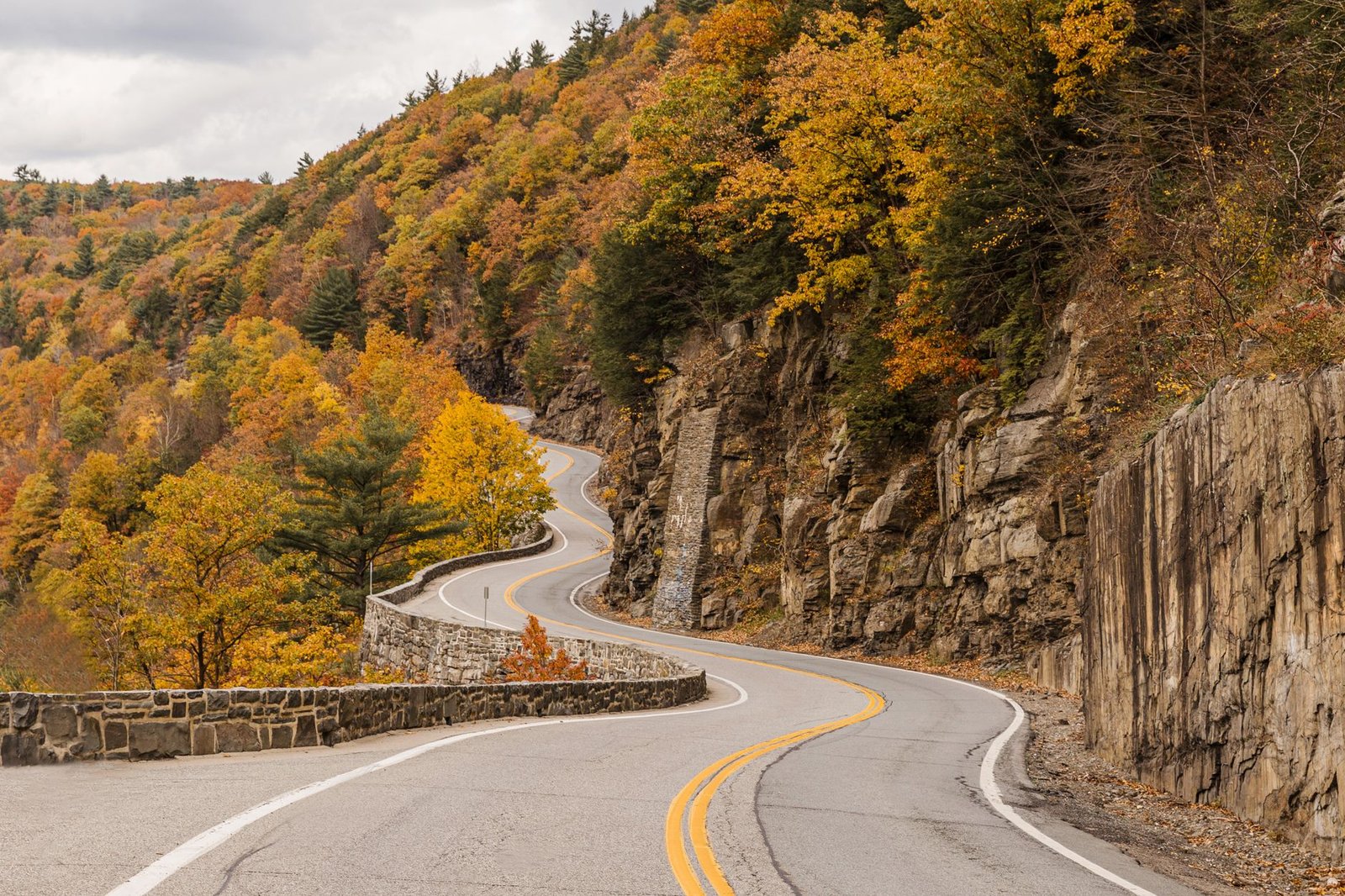
The Catskills have long been a refuge for city‑dwelling artists, outdoor enthusiasts, and anyone who craves a blend of rugged nature and small‑town charm. Just a couple of hours north of New York City, the region offers a mosaic of waterfalls, historic villages, farm‑to‑table eateries, and a seasonal calendar that feels almost like a second set of seasons. Whether you’re planning a quick weekend escape or a week‑long immersion, the Catskills present a surprisingly diverse menu of activities that can be tailored to any pace, budget, and interest.
Why the Catskills Deserve a Spot on Your Travel List
The allure of the Catskills stems from a combination of natural beauty, cultural depth, and a sense of “stillness” that is hard to find elsewhere in the Northeast. The mountains themselves are part of the larger Appalachian system, and the region’s forests are a patchwork of deciduous and coniferous stands that turn vivid shades of red, orange, and gold each fall. Beyond the scenery, the Catskills have been a crucible for American art—home to the Hudson River School painters, the folk‑music revival of the 1960s, and a thriving contemporary arts scene.
What also sets the Catskills apart is the way the landscape and the communities have evolved together. Small towns such as Woodstock, Phoenicia, and Margaretville retain historic Main Streets while welcoming new cafés, galleries, and microbreweries. The result is a region where you can spend a morning hiking a waterfall, a lunch tasting locally sourced cheese, and an afternoon exploring a historic homestead—all without feeling rushed.
Top Natural Attractions You Can’t Miss
Nature lovers will find the Catskills brimming with iconic landmarks. Below are some of the most visited sites, each offering its own slice of the region’s rugged charm.
- Kaaterskill Falls – A two‑tier waterfall that drops roughly 260 feet, accessible via a moderate trail that begins near the historic Kaaterskill Falls Visitor Center.
- North–South Lake – The largest natural lake in the Catskills, surrounded by a network of hiking paths, a small beach, and a historic lodge that once served summer vacationers.
- Hunter Mountain – The second‑highest peak in the region, offering summit views, an alpine slide in summer, and a well‑established ski area in winter.
- Slide Mountain – The highest point in the Catskills, popular with seasoned hikers who enjoy a challenging ascent and rewarding panoramic vistas.
- Catskill Forest Preserve – A protected area that covers over 700,000 acres, providing a legal guarantee that the land will remain “forever wild.”
All of these sites are reachable by public roads, and many have parking areas that fill up early in the peak season, so planning ahead is advisable.
Neighborhoods and Towns Worth Exploring
The Catskills are not a monolith; each valley and hamlet carries its own personality. Here are a few that deserve a dedicated half‑day or more.
- Woodstock – Famed for its 1969 music festival (which actually took place in Bethel, NY), Woodstock today is a hub for galleries, boutique shops, and live music venues. The town’s historic district features stone‑cropped storefronts and the Woodstock Artists Association & Museum.
- Phoenicia – A small riverside village known for its scenic train rides on the Catskill Mountain Railroad, as well as a relaxed downtown with cafés and a weekly farmers market.
- Kerhonkson – Nestled near the border with the Shawangunk Ridge, Kerhonkson offers a mix of antique shops, craft breweries, and access points to the nearby Mohonk Preserve for those willing to cross into Ulster County.
- Margaretville – The gateway to the western Catskills, Margaretville is home to the historic Catskill Fly Fishing Center and Museum, as well as a burgeoning farm‑to‑table dining scene.
Each of these towns provides a base for exploring nearby trails, waterways, and cultural venues, while also offering a taste of local hospitality through bed‑and‑breakfast inns or boutique hotels.
Outdoor Adventures Beyond Hiking
While the Catskills are renowned for their trail network, the region offers a wide range of activities that keep both the body and the senses engaged.
Water sports thrive on the numerous streams and lakes. The Esopus Creek, for example, is a favorite among fly‑fishers seeking native brook trout, and sections of the creek provide gentle rapids suitable for kayaking and tubing in summer. North–South Lake offers paddle‑boarding rentals and a small beach area that attracts families during the warmer months.
Winter sports are anchored by Hunter Mountain and Belleayre Mountain, both offering alpine skiing, snowboarding, and cross‑country trails. Even if you’re not a skier, the ski resorts often host snowshoeing treks and night‑time snowmobile rides.
Mountain biking has grown rapidly in recent years. The Catskill Scenic Trail, a rail‑to‑trail conversion that runs from Kingston to Phoenicia, provides a gentle, paved path perfect for families, while more technical single‑track loops can be found near the town of Tannersville.
Climbing is less commercial than in the nearby Shawangunks but still rewarding. The cliffs around the town of Greene feature moderate routes that are popular with local climbers, and guided trips are occasionally offered during the summer months.
Arts, Culture, and History
The Catskills have a storied artistic heritage that continues to influence the region’s identity. Visiting these cultural sites adds depth to a nature‑focused itinerary.
- Thomas Cole National Historic Site – The former home of the founder of the Hudson River School, this stone farmhouse in Catskill offers tours that explore the painter’s life and the landscape that inspired his sweeping vistas.
- The Woodstock Artists Association & Museum – Showcasing works by early 20th‑century painters as well as contemporary local artists, the museum provides a glimpse into the area’s continuing creative dialogue.
- Bethel Woods Center for the Arts – Located at the original site of the 1969 Woodstock festival, the center hosts concerts, a museum about the era, and a small outdoor amphitheater that features summer performances.
- The Catskill Fly Fishing Museum – Situated in Margaretville, this modest museum chronicles the evolution of fly fishing in the region and honors the sport’s cultural impact.
Seasonal events also pepper the calendar: the Catskill Mountain Film Festival, the Winter Carnival in Hunter, and numerous harvest festivals in the fall. Checking local tourism boards for dates before you travel will ensure you don’t miss a unique experience.
Food & Drink: From Farm‑to‑Table to Classic Comfort
The culinary scene in the Catskills reflects the region’s agricultural roots and its modern, artisanal sensibilities. Below are the main categories you’ll encounter, along with tips on how to experience them.
Farm‑to‑table restaurants have proliferated in recent years, often housed in renovated barns or historic inns. Expect menus that change with the seasons, featuring local produce such as heirloom tomatoes in summer, root vegetables in winter, and freshly foraged mushrooms in autumn. Many of these establishments source meat from nearby farms that raise heritage breeds, providing a deeper connection to the land.
Cheese and dairy producers dot the valleys. While you can’t name specific shops without verification, visitors frequently stop at farm stands to sample aged cheddar, goat cheese, and locally made ice cream. Many farms also offer tours that explain the cheesemaking process and allow for direct purchase.
Breweries and cider houses have become a staple of the Catskill nightlife. Craft breweries often feature taprooms with indoor and outdoor seating, and they typically serve small plates that highlight regional flavors. Hard cider producers use apples from the Hudson Valley, resulting in crisp, aromatic drinks that pair well with the area’s hearty fare.
Historic taverns continue to serve comfort food that has been a staple for generations—think chicken pot pie, fried chicken, and apple pie made from orchard fruit. These establishments provide a glimpse into the culinary traditions that sustained early settlers.
When planning meals, consider timing your visits to coincide with the weekly farmers markets that operate in towns like Woodstock, Phoenicia, and Saugerties. Not only do you get fresh produce, but you also encounter local artisans selling baked goods, preserves, and handmade soaps.
Where to Stay: From Rustic Cabins to Boutique Inns
Accommodations in the Catskills range widely, allowing travelers to match their comfort level with their budget and desired level of immersion.
- Cabins and vacation rentals – Many families own rustic cabins that can be booked through reputable platforms. These often sit on a few acres of woodland, providing a private feel and easy access to nearby trails.
- Bed‑and‑breakfast inns – Historic homes converted into B&Bs are common in towns like Tannersville and Margaretville. Hosts typically offer homemade breakfasts featuring local eggs, fresh fruit, and baked goods.
- Small boutique hotels – In Woodstock and Kingston, you’ll find boutique properties that blend modern design with historic architecture, often featuring on‑site restaurants and wellness spaces.
- Camping – The Catskill Forest Preserve includes several state campgrounds such as North–South Lake Campground, which provides basic amenities and proximity to hiking trails.
Because the Catskills attract visitors year‑round, it’s wise to reserve lodging at least a few weeks in advance during peak seasons—late summer, foliage week in October, and holiday weekends. Off‑season travel (late winter and early spring) often yields more flexible rates and quieter trails.
Getting Around: Transportation Options for Every Type of Traveler
While the Catskills are a car‑friendly destination, there are alternatives that can work well depending on your itinerary.
Driving remains the most convenient way to explore the region’s dispersed attractions. Major routes include US‑9W, NY‑28, and NY‑42, which connect towns and trailheads. Parking can be limited at popular sites, so arriving early—especially on weekends—helps secure a spot.
Public transit options have improved in recent years. The Trailways bus line runs from Port Authority in Manhattan to Kingston and Woodstock, with connections to smaller towns via local services. In the summer, the Catskill Mountain Railroad operates scenic train rides between Phoenicia and the town of Kingston, offering a nostalgic way to view the valley.
Bike rentals are available in several villages, providing a low‑impact way to travel short distances between cafés, galleries, and trailheads. Many bike shops also offer guided rides that combine cycling with local history.
Ride‑share services operate in larger towns, though coverage can be spotty in more remote areas. If you’re staying at a centrally located inn, the host may be able to arrange a local driver for day trips.
For those who prefer a completely car‑free experience, consider basing yourself in a town with a robust shuttle service, such as the seasonal shuttle that runs from Woodstock to nearby hiking trailheads.
When to Visit: Seasonal Highlights and Weather Considerations
The Catskills are a destination that changes dramatically with each season, offering distinct experiences throughout the year.
- Spring (April–June) – Waterfalls are at their fullest from snow melt, and wildflowers begin to carpet the forest floor. Temperatures are mild, though higher elevations can still see occasional snow.
- Summer (July–August) – Warm days make for great swimming at North–South Lake and kayaking on the Esopus Creek. Evenings are comfortable for outdoor concerts and farmers markets.
- Fall (September–October) – The foliage season is the region’s most celebrated period, with peak color typically occurring in early to mid‑October. This is also harvest time for apples and pumpkins, leading to numerous food festivals.
- Winter (November–March) – Snow transforms the landscape into a playground for skiers, snowshoers, and cross‑country enthusiasts. Holiday decorations in towns like Woodstock create a cozy, festive atmosphere.
Because weather can shift quickly, especially at higher elevations, it’s prudent to pack layers and waterproof gear no matter the season. Checking the National Weather Service forecast for the nearest station (often Kingston or Hudson) the day before you head out can help you adjust plans on the fly.
Budget Tips: Enjoying the Catskills Without Breaking the Bank
Traveling in the Catskills can be affordable if you take advantage of a few cost‑saving strategies.
- Camping – State campgrounds charge modest nightly rates and give you direct access to hiking trails and lakes.
- Free trail access – All trails within the Catskill Forest Preserve are free to use, and many trailheads have parking that requires no fee (though some popular spots may have seasonal parking permits).
- Picnic meals – Purchasing fresh produce from local farmers markets and preparing picnics reduces the cost of dining out, while still letting you enjoy scenic vistas.
- Off‑season travel – Visiting in late winter or early spring often yields lower lodging rates and fewer crowds at attractions.
- Group discounts – Some attractions, such as the Catskill Mountain Railroad, offer reduced rates for groups of ten or more.
When budgeting for transportation, consider car‑pooling with other travelers you meet at hostels or community events. This not only cuts fuel costs but also reduces the number of vehicles needing parking at busy trailheads.
Day Trips and Short Excursions from the Catskills
Even if you base yourself in a single town, the Catskills serve as a hub for several rewarding day trips.
Hudson River Valley – A short drive east brings you to towns like Hudson and Rhinebeck, where you can explore antique shops, art galleries, and historic estates. The river itself offers ferry rides that provide a different perspective on the surrounding hills.
Shawangunk Ridge – Often called “the Gunks,” this nearby climbing destination is just a half‑hour’s drive north of the western Catskills. While the Gunks are famous for technical rock climbs, the area also offers gentle hiking paths and stunning vistas of the surrounding countryside.
Lake Minnewaska – Located within the Minnewaska State Park Preserve, this glacial lake offers swimming, kayaking, and a network of trails that wind through cliffs and pine forests. The park is best accessed from the town of New Paltz, a pleasant drive away.
Delaware River – For a change of scenery, head east toward the Delaware River corridor. Whitewater rafting trips operate from towns such as Delhi, providing an adrenaline‑filled contrast to the more tranquil Catskill streams.
These day trips can be combined with an evening back in your Catskill base, allowing you to enjoy both the local culture and the broader regional attractions.
Practical Logistics: Permits, Safety, and Essential Gear
While the Catskills are welcoming, a few practical considerations help ensure a smooth visit.
Permits – Most day hikes do not require a permit, but backcountry camping in the state forest is limited to designated sites and may require a free registration at a ranger station. If you plan to camp on the high peaks (such as Slide Mountain), you’ll need to obtain a backcountry campsite permit during the designated registration window, typically in late spring.
Safety – Weather in the mountains can change rapidly. Carry a map, a compass or GPS device, and a basic first‑aid kit. Cell service is spotty on many trailheads, so informing someone of your planned route and expected return time is a good habit.
Leave No Trace – The Catskill Forest Preserve is protected under a “forever wild” designation, which means visitors are expected to pack out all trash, stay on marked trails, and avoid disturbing wildlife. Bear canisters are not mandatory but are recommended for storing food, especially if you’re camping.
Essential gear – For most summer and fall hikes, a sturdy pair of hiking boots, layered clothing, a rain jacket, and a water‑filled hydration system are sufficient. In winter, insulated boots, crampons or micro‑spikes, and a headlamp become essential for safety on icy trails.
Suggested Itineraries: One‑Day, Weekend, and Week‑Long Plans
Below are three sample itineraries that illustrate how you can structure your time based on the length of your stay.
One‑Day Highlights (based in Woodstock)
- Morning: Drive to Kaaterskill Falls; hike the 1.5‑mile round‑trip to view the upper and lower cascades.
- Midday: Return to Woodstock for a farm‑to‑table lunch at a local café (choose a spot with a seasonal menu).
- Afternoon: Visit the Thomas Cole National Historic Site and stroll through the adjacent trail network for a brief nature walk.
- Evening: Attend a live music set at a Woodstock venue or enjoy a sunset walk along the Esopus Creek.
Weekend Escape (based in Phoenicia)
- Day 1 – Arrival: Check into a cabin or B&B, then explore downtown Phoenicia’s shops and grab a coffee. In the late afternoon, take the Catskill Mountain Railroad’s scenic ride to the historic town of Kingston.
- Day 2 – Outdoor Day: Hike the trail to North–South Lake, then rent a kayak for an hour on the lake. After lunch, drive to Hunter Mountain for a sunset chairlift ride (available in summer) or a gentle alpine slide experience.
- Day 3 – Culture & Departure: Visit the Woodstock Artists Association & Museum before heading home, stopping for a quick bite at a farm stand on the way.
Week‑Long Immersion (based in Margaret Margaretville)
This itinerary blends adventure, culinary experiences, and cultural stops.
- Day 1 – Settle into a locally‑run inn, explore Margaretville’s Main Street, and enjoy dinner at a farm‑to‑table restaurant.
- Day 2 – Hike the Devil’s Path segment that passes near Slide Mountain; return for an evening tasting of local cheeses.
- Day 3 – Take a guided fly‑fishing lesson on the Esopus Creek, followed by a picnic at a scenic overlook.
- Day 4 – Day trip to the Shawangunk Ridge for a moderate climb and lunch in New Paltz.
- Day 5 – Visit the Catskill Fly Fishing Museum, then spend the afternoon at a nearby orchard picking apples (seasonal) and sampling fresh cider.
- Day 6 – Relax at North–South Lake; rent a paddleboard, enjoy a lakeside walk, and have a casual dinner at a lakeside grill.
- Day 7 – Explore the historic town of Kingston, walk the Rondout waterfront, and depart with a final stop at a local bakery for fresh bread.
Each of these itineraries can be adjusted based on personal interests, fitness level, and the time of year you visit. The key is to blend outdoor activities with the region’s cultural and culinary offerings, creating a well‑rounded Catskill experience.
Final Thoughts: Making the Catskills Your Own Adventure
The Catskills are more than just a collection of hills and trails; they are a living tapestry of nature, history, and community. By planning with an eye toward seasonal highlights, choosing accommodations that reflect the local character, and respecting the “forever wild” ethos of the forest preserve, you can craft a trip that feels both personal and unforgettable. Whether you stand beneath the thundering spray of Kaaterskill Falls, savor a slice of apple pie made from orchard fruit harvested that morning, or simply breathe in the crisp mountain air while watching the colors change, the Catskills have a way of staying with you long after you leave the road behind.
