
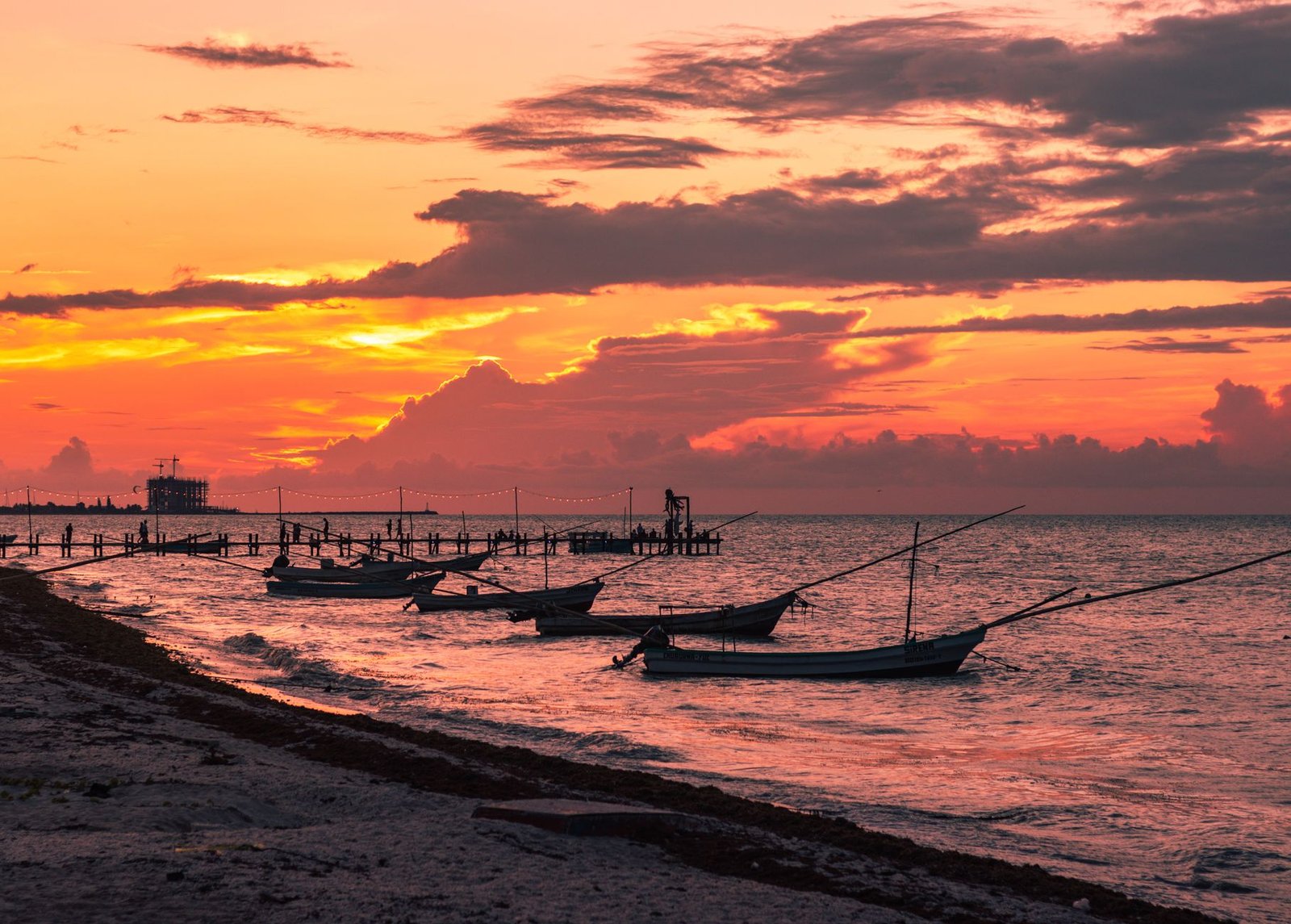
Overview of Progreso, Yucatán
Progreso is a modest yet vibrant port town perched on the Gulf of Mexico, just a short drive north of the UNESCO‑world‑heritage city of Mérida. Established in the late 19th century as a commercial gateway for Yucatán’s henequen industry, the town has gradually evolved into a relaxed seaside destination that balances a working‑port atmosphere with a laid‑back tourist vibe. Its 12‑kilometre (about 7‑mile) stretch of sandy shoreline, known locally as the Malecón, offers an expansive promenade that is both a social hub and a practical artery for locals and visitors alike. The town’s low‑rise architecture, pastel‑coloured facades, and a rhythm dictated by the tides make Progreso an ideal base for travelers seeking authentic Mexican coastal life without the crowds of larger resorts.
When to Visit: Climate, Seasons, and Festivities
The climate in Progreso is tropical‑savanna, characterised by a hot, humid summer and a milder, drier winter. Average daytime temperatures hover around 30 °C (86 °F) from April through October, while the cooler months of November to February often see highs in the mid‑20s °C (mid‑70s °F). Rainfall peaks between June and September, coinciding with the Atlantic hurricane season, though showers are typically brief and followed by sunshine.
For most travellers, the sweet spot is the “shoulder” period of late November to early March. The weather is comfortable for beach walks and exploring the town’s historic centre, and the sea is calm enough for swimming and paddle‑boarding. Additionally, Progreso’s calendar includes a few lively events that add colour to any visit:
- Feria del Pesquero (Fishermen’s Fair): Usually held in early May, this celebration showcases the town’s maritime heritage with boat races, live music, and fresh‑caught seafood.
- Carnaval de Progreso: A week‑long pre‑Lent celebration featuring parades, street dancing, and elaborate masks, typically in February.
Malecón fireworks and local bands often accompany these festivities, creating a festive backdrop for visitors.
If you plan to travel during the rainy months, be prepared with flexible itineraries and consider indoor attractions such as museums or the local market, as occasional storms can interrupt outdoor activities.
Getting There and Around
Progreso is most conveniently reached by air, road, or a combination of both. The nearest major airport is Manuel C. Campos International Airport (MID) in Mérida, which receives regular domestic flights from Mexico City, Cancun, and other regional hubs. From Mérida, the 35‑kilometre (≈22‑mile) drive to Progreso takes about 40 minutes on the well‑maintained Highway 281, a four‑lane road that is clearly signed and offers scenic views of the flat Yucatán plains.
Public transport options include:
- ADO Bus Service: Regular intercity buses run between Mérida’s central bus terminal and Progreso, with departures every hour during peak times. The journey takes roughly 45 minutes.
- Colectivos (Shared Vans): Smaller vans operate on flexible schedules, often departing when a minimum number of passengers are aboard. They are a cheap way to travel but can be crowded during rush hour.
Once in Progreso, the town’s layout makes it walkable, especially along the Malecón and the historic centre. For longer distances or to explore surrounding attractions, bicycles and scooter rentals are common, and many guesthouses provide complimentary bikes. Taxis are readily available; it’s advisable to agree on a fare before starting a trip, as meters are not always used.
Where to Stay: Neighborhoods and Accommodation Options
Accommodations in Progreso range from budget hostels to mid‑range boutique hotels, most of which are located within walking distance of the beach and the town’s main promenade. The two primary zones for lodging are:
- Malecón Area: This beachfront strip offers rooms with sea views, easy access to the boardwalk, and proximity to restaurants and night‑life venues. Many properties here feature rooftop terraces where guests can watch sunrise over the Gulf.
- Centro (Historic Centre): A few blocks inland, this area provides a quieter atmosphere and the charm of colonial‑style architecture. Staying here places you near the market, the municipal plaza, and the ferry terminal to the nearby islands.
For travellers on a tighter budget, several hostels and guesthouses offer dormitory‑style rooms with communal kitchens, while families and couples may prefer small family‑run hotels that include breakfast and personalized service. Booking ahead during festival periods is recommended, as rooms can fill quickly.
Top Beaches and Waterfront Activities
The centerpiece of Progreso’s appeal is its extensive beach, known locally as “Playa de Progreso.” The shoreline consists of fine, golden sand backed by gentle waves, making it suitable for a variety of activities:
- Swimming and Sunbathing: The water is typically calm, especially on the northern end where a breakwater reduces currents.
- Water Sports: Local operators rent paddle‑boards, kayaks, and jet‑skis. Beginners can take short lessons directly from the beachfront stalls.
- Fishing Excursions: The town’s fishing port offers half‑day trips to catch snapper, grouper, and amberjack, often followed by a cooking session where the catch is prepared on board.
- Sunset Strolls: The Malecón is lined with palm‑shaded benches and vendors selling fresh fruit, providing the perfect setting for an evening walk as the sky turns pink.
For those seeking a quieter spot, the southern stretch of the beach near the “Mérida‑Progreso” ferry pier tends to be less crowded, especially during weekdays. While the beach lacks lifeguard stations in some sections, the town’s local police patrol the area, and the sea is generally safe for swimmers.
Exploring the Historic Centre
Progreso’s historic centre, though compact, holds a handful of cultural sites that reflect its maritime heritage. The town’s central square, Plaza de la Constitución, is a focal point where locals gather for morning coffee, evening concerts, and occasional market stalls. Flanking the plaza is the early‑20th‑century Municipal Palace, a pastel‑painted building with a modest clock tower that serves as a visual anchor for the town.
A short walk from the plaza leads to the Progreso Cultural Center, which hosts rotating exhibits on Yucatán’s history, from pre‑Columbian Maya artefacts to photographs documenting the town’s development as a port. The centre also organises traditional dance performances on weekend evenings.
The Mercado Municipal is a bustling market where vendors sell everything from fresh tropical fruit to hand‑woven hammocks. It is an excellent place to observe daily life, sample regional snacks, and purchase inexpensive souvenirs. Remember to bring cash, as many stalls do not accept cards.
Finally, the Old Customs House (Casa de la Aduana), now a small museum, displays historical documents, old shipping ledgers, and photographs that illustrate Progreso’s role in the export of henequen during the early 1900s. Although modest in size, the museum provides context for the town’s economic roots.
Nature and Outdoor Adventures
Beyond the beach, Progreso is a gateway to a range of natural attractions that showcase the Yucatán’s distinctive limestone landscape. A short drive south brings you to the Reserva de la Biosfera Ría Celestún, a protected mangrove ecosystem famous for its colonies of flamingos and other wading birds. Guided boat tours navigate the shallow channels, offering close‑up encounters with wildlife and opportunities to learn about the area’s ecological importance.
To the west, the Puente de los Almendros (Almendros Bridge) area offers a network of hiking and biking trails that wind through cenotes—natural sinkholes filled with crystal‑clear water. While many cenotes are located further inland, the ones near Progreso are easily accessed via paved roads and provide a refreshing dip after a trek.
For those interested in marine life, the nearby Isla Uayma can be reached by a short ferry ride. The island’s shallow reefs are ideal for snorkeling, revealing colourful coral formations and tropical fish. Local operators often combine a snorkel session with a beach barbecue, allowing visitors to enjoy freshly grilled seafood while admiring the sea.
These outdoor options cater to a range of fitness levels, from leisurely boat rides to moderate hikes, ensuring that every traveler can find an adventure that suits their preferences.
Food and Drink: What to Savor in Progreso
Progreso’s culinary scene is rooted in Yucatán traditions, with a strong emphasis on fresh seafood, aromatic spices, and the region’s signature use of achiote (annatto) for colour and flavor. While the town does not boast a large number of fine‑dining establishments, its modest eateries serve authentic dishes that provide a genuine taste of the coast.
Signature dishes to try include:
- Ceviche de camarón: Shrimp marinated in lime juice, mixed with diced cucumber, tomato, red onion, and cilantro. It is typically served chilled with tortilla chips.
- Panuchos and salbutes: Fried tortilla pockets (panuchos) or soft, puffed tortillas (salbutes) topped with shredded chicken, lettuce, pickled red onion, and a drizzle of avocado‑lime sauce.
- Marquesitas: Although originally from Yucatán’s capital, these rolled crepes filled with melted Edam cheese and sweet toppings (such as cajeta or chocolate) are sold by street vendors along the Malecón.
- Sopa de lima: A light broth infused with lime juice, shredded chicken, tortilla strips, and fresh cilantro—a comforting dish for cooler evenings.
For a refreshing beverage, sample the local agua de chaya, a herbal drink made from the leaves of the chaya plant, blended with lime and sugar. Fresh coconut water sold by beach vendors is also a popular thirst‑quenching option.
Because Progreso is a fishing port, many restaurants feature a “catch of the day” menu, where the fish is grilled or fried and served with a side of rice and beans. Dining al fresco on a beachside patio allows guests to hear the gentle surf while enjoying their meal.
Day Trips from Progreso
Progreso’s strategic location on the Gulf makes it an excellent springboard for exploring the broader Yucatán Peninsula. Several day‑trip destinations are within a comfortable driving distance:
- Mérida: The state capital, only a 35‑kilometre drive away, offers a rich colonial centre, museums, and a vibrant market. Visitors can explore the historic Paseo de Montejo, admire the Mayan‑inspired architecture, and enjoy a lively nightlife scene.
- Izamal: Known as the “Yellow City,” this small town is famed for its pastel‑coloured buildings and the massive convent of San Antonio de Padua, a UNESCO World Heritage site. The town’s cobblestone streets are perfect for a leisurely stroll.
- Celestún Biosphere Reserve: As mentioned earlier, a boat tour to this protected area provides wildlife watching, especially flamingos, and a chance to learn about mangrove ecosystems.
- Uayma Island: A short ferry ride from Progreso’s port, the island offers snorkeling, beach relaxation, and the occasional sea‑turtle nesting site during certain months.
- Río Lagartos: Slightly farther north, this fishing village is famous for its pink flamingo colonies and a scenic boat tour through the mangroves, often combined with a visit to the nearby “Punta de los Pajaros” viewpoint.
Many local tour operators provide organized trips that include transportation, a guide, and a light lunch, making it easy for visitors to experience these attractions without extensive planning.
Budget Tips for a Progreso Stay
Traveling to Progreso can be very affordable, especially when you focus on local experiences and avoid high‑end resorts. Here are some practical tips to stretch your budget:
- Travel off‑season: Visiting during the rainy months (June‑September) often results in lower accommodation rates and fewer tourists, though you should keep an eye on weather forecasts.
- Eat where locals eat: Small family‑run eateries, known as “comedores,” offer generous portions at modest prices. A plate of panuchos or a bowl of sopa de lima typically costs far less than at tourist‑focused restaurants.
- Use public transport: The ADO bus from Mérida is economical and reliable. Within town, walking or renting a bicycle saves on taxi fares.
- Shop at the market: Purchasing fresh fruit, snacks, or bottled water from the Mercado Municipal is cheaper than buying at beachfront kiosks.
- Take advantage of free activities: The Malecón, public beaches, and city parks are free to enjoy. Evening performances in the cultural centre are often open to the public at no cost.
By embracing these strategies, a traveler can comfortably enjoy Progreso’s attractions, dining, and excursions without exceeding a modest daily budget.
Practical Logistics: Health, Safety, and Connectivity
Progreso is generally safe for tourists, with a visible police presence in the town centre and at the beach. Standard travel precautions—such as not leaving valuables unattended, avoiding isolated areas after dark, and using reputable transportation—are sufficient.
Health services are available at a small public clinic near the town centre, which handles basic medical needs. For more serious conditions, the larger hospital in Mérida provides comprehensive care, and emergency services can be reached by dialing 911.
Regarding connectivity, most hotels, hostels, and cafés offer free Wi‑Fi, though the speed can vary. Mobile network coverage is reliable, with major Mexican carriers (Telcel, AT&T, Movistar) offering data plans that work throughout the Yucatán Peninsula. Purchasing a prepaid SIM card at the airport in Mérida or at a local convenience store is straightforward and cost‑effective.
Travelers should also be aware of the sun’s intensity. Applying sunscreen, wearing a hat, and staying hydrated are essential, especially during the hotter months. Insect repellent is advisable in the evenings near mangrove areas, as mosquitoes can be present.
Insider Tips and Local Etiquette
To truly enjoy Progreso, consider these nuanced suggestions that reflect the town’s culture and rhythm:
- Respect the “siesta” hour: Many shops and small businesses close for an hour or two in the early afternoon (typically between 13:00 and 15:00). Plan your errands accordingly.
- Use polite greetings: A simple “Buenos días” or “Buenas tardes” goes a long way when interacting with locals, especially vendors and taxi drivers.
- Leave a tip for service: While not mandatory, it is customary to leave a modest tip (around 10 % of the bill) at restaurants and for tour guides.
- Participate in local festivals: If your visit coincides with Carnaval or the Fishermen’s Fair, join the celebrations respectfully. Wearing bright colours and dancing with locals enhances the experience.
- Mind beach etiquette: Keep the shoreline clean, avoid littering, and refrain from feeding wildlife, particularly in protected mangrove zones.
By observing these simple customs, you’ll blend in more easily and gain the goodwill of residents, often resulting in insider recommendations and a richer travel experience.
