
Key Takeaways
- Visit Victoria Falls and explore nearby trails for stunning views and safe photography tips.
- Safari in Hwange and other parks for elephants, lions, and guided wildlife experiences.
- Discover historic sites like Great Zimbabwe and cultural hubs in Harare and Bulawayo.
- Plan travel by road or air, consider seasons, and pack safety essentials.
things to do in zimbabwe range from seeing Victoria Falls to exploring ancient stone cities, wildlife parks and lively local markets. This southern African country rewards travelers who leave time for both its famous sights and quieter places.
Zimbabwe is a country rather than a single city, so this guide covers destinations across the country, including the capital, Harare, and the historic city of Bulawayo. Distances can be long, and road conditions and travel times vary, so plan your route around a few regions instead of trying to see everything in one trip.
For first-time visitors, a practical route might combine Victoria Falls with Hwange National Park, or pair Harare and Great Zimbabwe with time in the Eastern Highlands. Read on for activities, transport advice, seasonal tips and useful details for planning your stay.
20 Things to Do in Zimbabwe
Tip 1 – See the Victoria Falls from Zimbabwe’s side

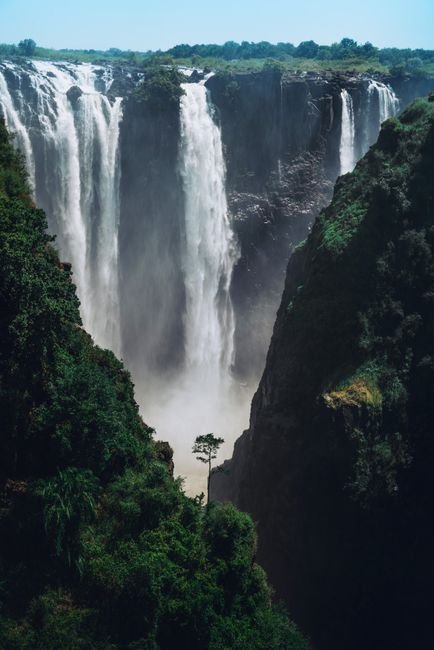
The Victoria Falls are the country’s most famous natural attraction. Follow the trails through Victoria Falls National Park to viewpoints over the gorge and the waterfall. Spray can be heavy when water levels are high, while some views may be less dramatic in the drier months. Wear shoes with a good grip and protect your phone and camera from water.
The falls are shared with Zambia, but the Zimbabwean side has several viewpoints along the rainforest paths. Check park opening hours and current conditions before setting out. The UNESCO World Heritage listing for Victoria Falls provides more background on the site.
Tip 2 – Take a guided activity in Victoria Falls town
Victoria Falls town is a convenient base for guided outings such as river cruises, helicopter flights, rafting and gorge walks. Prices can add up, so compare what is included, ask about transfer costs and check cancellation terms before booking. Some activities have seasonal limits or age and health requirements.
Choose an operator that explains safety procedures clearly. If you prefer a quieter day, spend more time on the national park trails or browse the town’s craft stalls instead of filling every hour with paid tours.
Tip 3 – Go on a wildlife safari in Hwange National Park

Hwange is Zimbabwe’s largest national park and a popular place to look for elephants, lions, giraffes and other wildlife. A guided game drive is a good choice for first-time safari visitors because a local guide can help spot animals and explain park rules.
Stay inside or near the park if your budget allows, as this can make early morning and late afternoon drives easier. Wildlife sightings are never guaranteed, and the experience depends on season, location and luck. Book accommodation and guided drives ahead during busy travel periods.
Tip 4 – Explore Great Zimbabwe’s stone ruins
Great Zimbabwe, near the town of Masvingo, is an important archaeological site and a powerful place to learn about the country’s history. Walk among the stone walls, hill complex and Great Enclosure, and allow time to read the site information or hire a guide.
The ruins are spread over a large area, with uneven paths and some slopes. Bring water, sun protection and comfortable shoes. The UNESCO page on Great Zimbabwe offers helpful historical context before your visit.
Tip 5 – Spend time in Harare’s gardens and galleries
Harare is a useful starting point for a trip and has a mix of galleries, gardens, cafés and urban neighborhoods. Visit the National Gallery of Zimbabwe to see changing exhibitions, then take a break in a public garden or enjoy lunch in the city. Opening hours and exhibition schedules can change, so check before you go.
Harare is spread out, and attractions are not all an easy walk from one another. Arrange a taxi or ride with a trusted local driver between stops, especially after dark, and leave room in your schedule for traffic.
Tip 6 – Discover Bulawayo’s museums and historic streets
Zimbabwe’s second-largest city is a good base for exploring the southwest. Bulawayo has a quieter pace than Harare, historic buildings and museums, including the Natural History Museum of Zimbabwe. Ask locally about current opening times and guided options.
Plan a full day for the city and consider adding nearby Matobo National Park. Bulawayo is also a useful stop on a longer route toward Hwange or Victoria Falls, although travel between these places takes time.
Tip 7 – Visit the balancing rocks and landscapes of Matobo

Matobo National Park is known for its rounded granite hills, balancing rock formations, wildlife and cultural heritage. Go with a guide if you want to learn about local history and rock art, or to explore areas where guided access is recommended.
The terrain can be hot and exposed, so carry water and wear sturdy shoes. If you are driving yourself, confirm road conditions and park access with your accommodation or park office before leaving Bulawayo.
Tip 8 – Take a break in the Eastern Highlands
The Eastern Highlands offer a cooler change of pace, with mountain scenery, forests, waterfalls and walking routes around places such as Nyanga and Vumba. It is a good region for travelers who want time outdoors without planning every day around a game drive.
Weather can change quickly in the hills. Pack a light waterproof layer even in warmer months, and ask locally about trail conditions before setting off. A car makes it easier to explore, but guided walks and accommodation transfers may help if you do not have one.
Tip 9 – Enjoy a guided canoe or boat trip on the Zambezi
Near Victoria Falls, guided trips on the Zambezi can offer a different view of the river and its wildlife. Options vary by season and water conditions. Use a reputable operator, listen closely to the safety briefing and check whether the activity is suitable for children or anyone with mobility or health concerns.
Do not approach wildlife or enter the water without the guide’s direction. River conditions can change, and activities may be restricted at certain times of year.
Tip 10 – See the Zambezi Valley at Mana Pools

Mana Pools National Park is known for its river scenery, wildlife and guided walking safaris. It is a more remote choice than Victoria Falls or Hwange, so plan transport and accommodation carefully. Some trips require a 4WD vehicle, specialist preparation or a booked guide.
Follow park rules and keep a safe distance from animals. Walking among wildlife is not a casual independent activity. Check current access, seasonal conditions and any park requirements before confirming your trip.
Tip 11 – Take a boat trip on Lake Kariba
Lake Kariba is a large reservoir on the Zambezi River, with boat trips, fishing and lakeside stays available in some areas. A sunset cruise can be an easy way to enjoy the scenery, while longer stays work well for travelers seeking a slower pace.
Check departure points and transfer arrangements before booking, as distances between towns and lodges can be considerable. Bring sun protection, and follow the boat crew’s instructions around water and wildlife.
Tip 12 – Visit Gonarezhou National Park
Gonarezhou, in the southeast, is a rewarding option for travelers seeking a less-visited safari area. Its landscapes include river valleys and distinctive red sandstone cliffs. The park is remote compared with the main Victoria Falls route, so allow extra time and confirm road access and fuel plans.
Independent travel may not suit every visitor here. Ask park staff or your accommodation about current road conditions, suitable vehicles, water supplies and whether a guided visit is the better option.
Tip 13 – Try Zimbabwean food and local markets

Look for sadza, a staple maize meal often served with vegetables, meat or relish. You may also see dishes made with beans, leafy greens and locally available ingredients. Ask about the ingredients if you have allergies or dietary needs, and choose busy food stalls where food is freshly prepared.
Markets are good places to browse produce, crafts and everyday goods, but ask before taking photographs. Carry small notes for modest purchases and agree on a price before buying an item or arranging a service.
Tip 14 – Make time for local arts and crafts
Zimbabwe has a strong tradition of stone sculpture, woodwork, textiles and basketry. Galleries and craft markets around Harare, Bulawayo and Victoria Falls give visitors a chance to meet makers and learn how different pieces are produced.
Check any rules about taking wildlife products, antiques or cultural objects across borders. Keep receipts for purchases, and ask the seller about the material and any documentation you may need for export.
Tip 15 – Travel between destinations by road or air
Domestic flights can save time on longer routes, while buses and shared minibuses connect many towns. Rental cars offer flexibility, but distances, road surfaces and night-driving conditions can make journeys slower than expected. Check fuel availability and vehicle requirements before leaving larger centers.
Build in a buffer day if you have a flight or tour booking. Avoid driving after dark where possible, and use a reputable taxi or pre-arranged transfer in towns rather than accepting an unknown ride.
Tip 16 – Choose the right season for your trip
Zimbabwe has wet and dry seasons, and the best time depends on what you want to do. The dry months are often popular for wildlife viewing because animals may gather near water, while the rainy season can bring greener landscapes and stronger waterfall flows. Conditions vary between regions.
Victoria Falls can look different throughout the year, and high water may create heavy spray that limits some views. Check current local advice and park information rather than relying only on a general seasonal calendar.
Tip 17 – Keep your trip comfortable on a budget
Save money by choosing a few regions, using locally run guesthouses and taking shared transport where it is practical. Park fees, guided safaris and transfers can be significant costs, so compare the full price before booking rather than focusing only on the room rate.
For another perspective on planning an affordable city break, see these 20 Fun and Best free things to do in richmond va. Zimbabwe’s free experiences are different, but looking for public spaces, walking routes and local neighborhoods can help balance a travel budget.
Tip 18 – Travel with children at a comfortable pace
Families can enjoy wildlife drives, waterfall viewpoints, boat trips and short walks, but some activities have minimum age limits or are not suitable for young children. Ask operators about safety rules, travel times and toilet stops before booking.
Long drives and changing conditions can be tiring. Plan shorter travel days, carry snacks and water, and choose accommodation with enough space to rest between activities.
Tip 19 – Learn local customs and a few phrases
English is widely used in tourism, while Shona and Ndebele are among the languages spoken across Zimbabwe. A friendly greeting such as “mhoro” in Shona or “sawubona” in Ndebele can be appreciated, though greetings and usage vary by context. Ask permission before photographing people.
Dress respectfully when visiting religious or cultural sites, and follow your guide’s advice. A calm, polite approach is useful when negotiating prices or asking for help.
Tip 20 – Pack thoughtfully and plan for safety
Bring comfortable walking shoes, sun protection, insect repellent, a light rain layer and any personal medicines you need. A power bank can be useful on long drives. Keep copies of important documents separately from your passport, and store valuables discreetly.
Use a local SIM or ask your accommodation which mobile network works best on your route. Download offline maps before leaving cities, as coverage can be limited in parks and rural areas. Save your accommodation details and local emergency contacts, and check current travel and health guidance before departure.
Quick Reference for Planning a Zimbabwe Trip
| Travel plan | Good fit for | Practical note |
|---|---|---|
| Victoria Falls and Hwange | First-time visitors and wildlife fans | Allow several days and arrange park transfers ahead. |
| Harare, Great Zimbabwe and the Eastern Highlands | History, city time and mountain scenery | Check road times and avoid an overly tight schedule. |
| Bulawayo and Matobo | Museums, heritage and granite landscapes | Use Bulawayo as a base and confirm park access. |
| Mana Pools, Kariba or Gonarezhou | Remote nature experiences | Plan carefully for access, supplies and guided activities. |
| Wet-season travel | Green scenery and seasonal waterfall flow | Rain may affect roads and some activities. |
| Dry-season travel | Popular wildlife-viewing periods | Book sought-after lodges and drives early. |
Practical Travel Advice for Zimbabwe
Visa & Entry Requirements
Entry requirements for Zimbabwe depend on the passport you hold and the government policies in effect when you travel. Visa rules, permitted length of stay, passport-validity requirements, blank-page requirements and any electronic travel authorization process may differ by nationality and can change. Do not assume that a rule described for another traveler applies to you.
Before booking, check the Zimbabwe eVisa portal and the nearest Zimbabwean embassy or consulate for the latest instructions. Confirm whether you need a visa before travel, can apply online or are eligible for another entry process. Use official government information for the final decision, and contact the relevant mission if your situation is not clearly covered. This guide is practical information, not legal advice, and it cannot guarantee entry.
Check that your passport meets the current validity rules and has enough blank pages for entry and exit stamps. Depending on your circumstances, border officials may ask for a return or onward ticket, proof of accommodation or evidence that you can support your stay. Keep copies of your itinerary and booking details accessible, but do not rely on a screenshot instead of required travel documents.
Review health guidance well before departure. Vaccination and other health requirements can depend on where you are arriving from, recent travel history and current policy. Check the CDC’s Zimbabwe travel health information alongside advice from your own health authority. Ask a travel clinic about recommended vaccines, malaria prevention and any documentation relevant to your route.
Arrange travel insurance that covers your planned activities, especially if you intend to take part in rafting, walking safaris or other adventure activities. Check customs rules for items you plan to bring in or take out, including medications, valuable goods and wildlife-related products. Declare items when required and keep purchase receipts for souvenirs that may need documentation. Recheck official requirements shortly before departure, since border and health rules can change.
Frequently Asked Questions About Things to Do in Zimbabwe
What are the best things to do in Zimbabwe for a first-time visitor?
Victoria Falls, a safari in Hwange and a visit to Great Zimbabwe make a varied first trip. If you have more time, add Harare, Bulawayo or the Eastern Highlands rather than trying to cover the whole country quickly.
How many days do you need to visit Zimbabwe?
About a week can work for Victoria Falls and one nearby destination, depending on transfers. Two weeks gives you more time for a second region, such as Great Zimbabwe, the Eastern Highlands or Bulawayo and Matobo. Remote parks need additional planning time.
When is the best time to visit Zimbabwe?
It depends on your priorities. Drier months are popular for wildlife viewing, while the rainy season often brings greener scenery and can increase the volume of water at Victoria Falls. Check conditions for each region and activity before you travel.
Is Zimbabwe suitable for a budget trip?
It can be, but costs vary widely. Locally run guesthouses and shared transport may help, while park fees, guided activities and long-distance transfers can add up. Compare total costs and verify current payment options before you go.
Can I travel around Zimbabwe without a car?
Yes, buses, shared minibuses, domestic flights and pre-arranged transfers serve different routes. A car is useful for flexibility, especially in rural areas, but it is not essential for every itinerary. Confirm travel times and connections directly with operators or accommodation providers.
What is the most common tourist mistake in Zimbabwe?
A frequent planning mistake is trying to fit distant regions into a short trip. Road journeys can take longer than expected, and remote parks need extra preparation. Pick a manageable route and leave spare time for delays.
Is it safe to visit Zimbabwe’s national parks?
Many visitors enjoy the parks with no problems, but wildlife and remote conditions require care. Follow park rules, stay with your guide where required, keep a safe distance from animals and check current access and safety information before travel.
Conclusion
The best things to do in zimbabwe depend on the kind of trip you want. You can focus on Victoria Falls and wildlife, explore Great Zimbabwe and the country’s history, or slow down among the hills and lakes.
Plan around realistic travel times, check entry and health requirements using official sources, and book remote stays and guided activities early. With a thoughtful route, Zimbabwe offers a rewarding mix of nature, heritage, food and welcoming local experiences.
