
Key Takeaways
- Explore downtown via Canal Walk and riverfront murals for free.
- Enjoy nature on Belle Isle, Brown’s Island, Maymont grounds, and Forest Hill Park.
- Visit free indoor attractions like the Virginia Museum of Fine Arts and Library of Virginia.
- Use GRTC buses and plan ahead to maximize free experiences safely.
free things to do in richmond va include riverfront walks, free museums, historic landmarks, and colorful murals in Virginia’s capital. Richmond, in the United States, is an easy city to explore at a relaxed pace, with plenty of ways to enjoy its history and outdoor spaces without spending much.
Many of the best free experiences are close to downtown, but some parks and neighborhoods are easier to reach by bus, bike, or car. A little planning helps you fit more into your day and avoid arriving at a museum or historic site when it is closed.
This guide covers free attractions, practical transport and safety advice, and a few worthwhile paid extras to consider. Admission policies and opening times can change, so check official sites before setting out.
20 Free Things to Do in Richmond VA
Tip 1 – Walk the Richmond Canal Walk
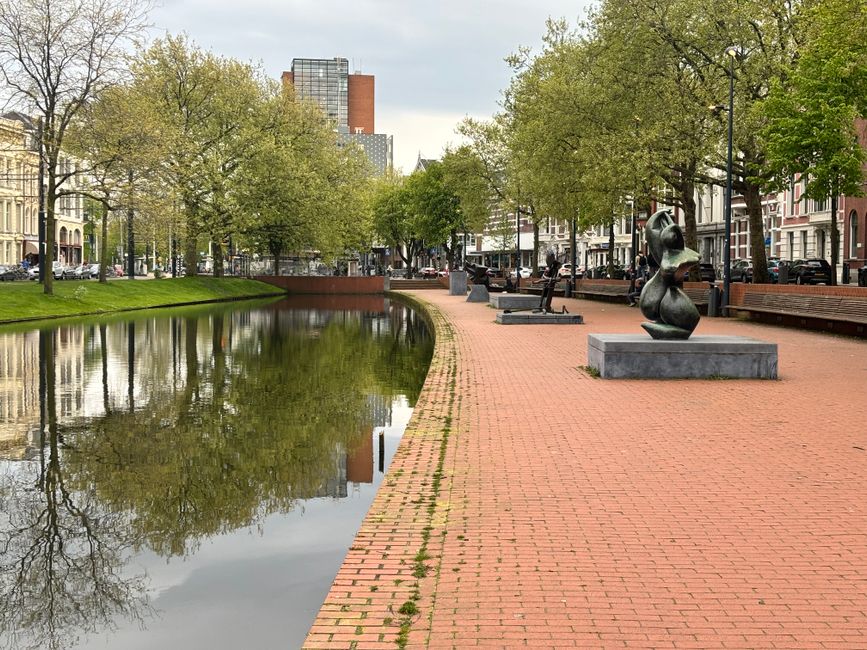
The Canal Walk is an easy introduction to downtown Richmond. Follow the paths beside the James River and Kanawha Canal, passing public art, historic markers, and views of the city’s old warehouses. The route is free to explore and works well as a short stroll or part of a longer walk.
Some sections have steps or uneven surfaces, so choose your route based on your mobility needs. Wear comfortable shoes and check for temporary closures after storms or maintenance.
Tip 2 – Spend time at Brown’s Island
Brown’s Island sits in the James River beside downtown and is a pleasant place to pause, walk, or take photographs. Entry to the island is free, and its riverside paths offer a close look at Richmond’s bridges and industrial history.
The island also hosts concerts and festivals, which may have ticket costs or restricted access. Check the event calendar before visiting if you are hoping for a quiet walk.
Tip 3 – Explore Belle Isle

Belle Isle is a James River island with walking trails, historic ruins, and broad views of the water and city. It is one of the most memorable free outdoor places in Richmond, especially on a mild day. A pedestrian footbridge connects the island to the north bank.
River conditions can change quickly. Stay off rocks near fast-moving water, obey posted warnings, and do not assume shallow-looking rapids are safe for swimming. The walk to the island may be challenging for some visitors.
Tip 4 – Visit the Virginia State Capitol grounds
The Virginia State Capitol grounds are open to visitors and make a worthwhile stop for architecture, memorials, and a sense of the state’s political history. You can admire the Capitol exterior and explore the surrounding public grounds for free.
Guided tours inside the building may also be free, but schedules, security procedures, and access can change. Check the official state website before visiting, especially on weekends or public holidays.
Tip 5 – See the murals along Broad Street
Richmond’s downtown murals turn an ordinary walk into an outdoor art tour. Look around Broad Street and nearby blocks for large-scale paintings on building walls. There is no general admission charge, and the artwork gives you a feel for the city’s creative side.
Murals may change over time, so treat a self-guided route as flexible rather than expecting every piece to remain in place. Be considerate when photographing art beside homes or businesses.
Tip 6 – Walk through Hollywood Cemetery
Hollywood Cemetery is a historic garden cemetery overlooking the James River. Visitors can walk among old trees, monuments, and carefully maintained grounds at no charge. Its landscape is beautiful, but it is also an active burial place, so keep your visit quiet and respectful.
Paths can be steep, and the grounds are extensive. Pick up a map at the entrance or check the cemetery’s visitor information before setting off.
Tip 7 – Enjoy Maymont’s gardens and grounds

Maymont’s gardens and grounds are free to explore, with lawns, paths, historic buildings, and scenic viewpoints. It is a good choice for families or anyone wanting a slower afternoon outdoors. The estate is large enough to fill several hours if you take your time.
Some attractions on the property, including indoor exhibits or special experiences, may charge admission. Check current access details and allow time for the walk from the entrance to the areas you want to see.
Tip 8 – Find a quiet path at Forest Hill Park
Forest Hill Park offers trails, open lawns, and a lake in Richmond’s Southside. It is a relaxed place for a walk, a picnic, or a break from busy downtown streets. The park is free, though facilities and conditions may vary by season.
Bring water and check the weather before heading out. After heavy rain, trails may be muddy, and some paths can be uneven.
Tip 9 – Visit the Maggie L. Walker National Historic Site
The Maggie L. Walker National Historic Site preserves the home of an important Richmond community leader and businesswoman. The National Park Service offers free visits, but tours and access can depend on staffing, reservations, and the day of the week.
Check the National Park Service visitor information for Maggie L. Walker National Historic Site before you go. The site is a meaningful stop for learning about African American history and Richmond’s civic life.
Tip 10 – Browse the Virginia Museum of Fine Arts

General admission to the Virginia Museum of Fine Arts is free, making it one of the strongest indoor options for free things to do in Richmond VA. Its collections span many regions and periods, so you can spend a short visit among a few galleries or make an afternoon of it.
Special exhibitions, programs, or parking may have separate charges. Check the museum’s official visitor information and current exhibitions before planning your visit.
Tip 11 – Discover the Virginia State Library and nearby historic blocks
The Library of Virginia is a useful stop for visitors interested in state history, archives, and changing exhibitions. Admission to public exhibition spaces is generally free, though hours and displays vary. Its downtown location also makes it easy to combine with the Capitol grounds and Canal Walk.
Confirm the library’s current hours and visitor policies before you go. Some research services require advance arrangements and are different from a casual gallery visit.
Tip 12 – Explore Carytown on foot
Carytown is a lively neighborhood of independent shops, cafes, and older storefronts. Window-shopping and people-watching cost nothing, and the district is an enjoyable place to see a different side of Richmond beyond the historic center.
Food, drinks, and shopping can quickly add to a budget, so decide in advance whether you want to browse only or set aside money for a snack. The neighborhood can be busy, particularly on weekends.
Tip 13 – Take a self-guided walk in Church Hill
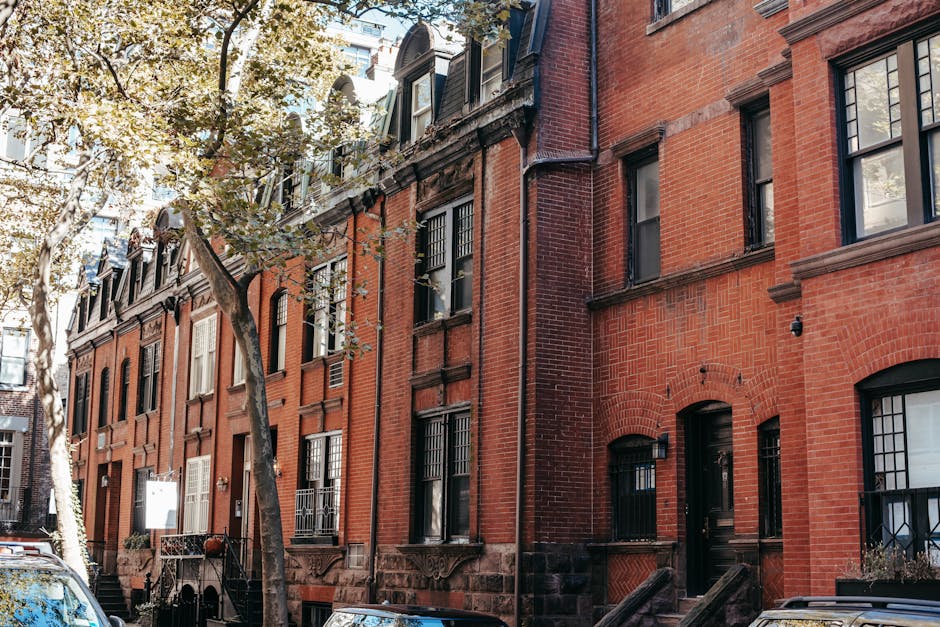
Church Hill is one of Richmond’s oldest neighborhoods, with historic homes, leafy streets, and views toward the river. A self-guided walk is free and lets you take in its architecture at your own pace. Libby Hill Park is a pleasant stop for a city view.
Some streets are steep, and the neighborhood is residential. Keep noise low, respect private property, and avoid blocking driveways while taking photos.
Tip 14 – Walk the Virginia Capital Trail
The Virginia Capital Trail is a paved shared-use route connecting Richmond with communities toward Williamsburg. You do not need to cover the full trail to enjoy it. Choose an accessible section for a walk or bike ride and turn back when you are ready.
There is no admission charge, but bike rental, food, and transport to a starting point may cost extra. Bring water, check the route and weather, and be aware of cyclists if you are walking.
Tip 15 – Look around the University of Richmond campus
The University of Richmond campus is known for its landscaped grounds and collegiate architecture. A quiet walk can be a pleasant free outing when the campus is open to visitors. Check visitor guidance and event schedules before arriving, as access or parking rules may change.
Remember that this is an active campus. Keep to public areas and avoid entering residence halls or restricted buildings.
Tip 16 – See Richmond’s historic monuments and memorials
Public monuments and memorials offer a way to learn about Richmond’s layered history without buying a ticket. As you walk through central neighborhoods, read the interpretation on site and consider how the city’s public spaces and historical displays have changed.
Some monuments have been removed, altered, or surrounded by construction. Use current local information rather than relying on old travel photos or outdated walking routes.
Tip 17 – Pack a picnic for a city park
A picnic is an easy way to keep a day in Richmond affordable. Pick up groceries or snacks and settle at a public park such as Maymont’s grounds or Forest Hill Park, where you can combine lunch with a walk.
Follow posted rules, dispose of rubbish properly, and bring a reusable water bottle. In summer, look for shade and avoid leaving food or valuables unattended.
Tip 18 – Use public transport for a budget-friendly day
Richmond’s GRTC buses can help you reach neighborhoods and attractions without paying for parking at every stop. Check routes and service times in advance, since schedules may differ by day and some destinations are not directly beside a bus stop.
Use the official GRTC website for routes, fares, and service updates. Walking and transit work well together downtown, while a car may be more convenient for some outlying parks.
Tip 19 – Plan a low-cost food and drink stop
Richmond has plenty of locally owned cafes, bakeries, and restaurants, but eating out is not always free. Keep costs down with a picnic, a simple takeaway meal, or a shared snack between sightseeing stops. Carytown and downtown both make convenient areas to look for options.
If you have dietary needs, check menus before you arrive. Tipping is customary in the United States at sit-down restaurants where table service is provided.
Tip 20 – Avoid the most common visitor mistake
A common mistake is trying to see every attraction in one day without checking distances, opening hours, or river conditions. Richmond has free highlights across several neighborhoods, and a packed itinerary can mean more time in transit than enjoying the city.
Choose a few nearby stops, check current access information, and leave room for rest. For a broader trip-planning idea, you can also compare notes with our guide to 20 Fun and Best things to do in byron bay when planning a separate visit to Australia.
Quick Reference: Free Things to Do in Richmond VA
| Place or activity | Best for | Useful to know |
|---|---|---|
| Canal Walk | Downtown strolls and history | Some sections may have steps or uneven paths. |
| Belle Isle | River views and outdoor time | Check conditions and stay clear of fast water. |
| Maymont grounds | Gardens and family walks | Some indoor attractions may charge admission. |
| Virginia Museum of Fine Arts | Art and rainy-day plans | General admission is free; special exhibitions may cost extra. |
| Church Hill | Historic architecture and views | Expect some steep streets. |
| Carytown | Browsing and local atmosphere | Shopping and dining are optional expenses. |
Practical Tips for Visiting Richmond
Best time to visit
Spring and fall are comfortable seasons for walking and spending time outdoors. Summer can be hot and humid, so plan outdoor visits for earlier in the day, carry water, and take shade breaks. Winter is quieter, but check opening schedules and weather before travelling.
Getting around and useful apps
Downtown sights are often manageable on foot, while buses can help connect areas farther apart. Use a map app for walking directions and the GRTC site for transit updates. If you drive, confirm parking rules and costs before leaving your car.
Safety and emergency information
Use normal city awareness: keep valuables secure, stay alert near traffic, and choose well-lit routes after dark. On the James River, currents and rocks can be hazardous even when the water looks calm. Call 911 in the United States for an emergency requiring police, fire, or medical response.
What to pack
Comfortable walking shoes are useful for the Canal Walk, historic neighborhoods, and parks. Pack a refillable water bottle, sun protection in warm weather, and a light rain layer when the forecast calls for showers. A portable phone charger can help if you rely on maps throughout the day.
Local customs and useful phrases
English is the main language used in Richmond. A friendly “hello,” “please,” and “thank you” are appreciated, and “excuse me” is useful in crowded places. Tipping is customary for table service, taxi rides, and some personal services in the United States.
Advance planning and bookings
Many outdoor places do not need advance booking, but tours, special exhibitions, and seasonal events may require reservations or tickets. Check official opening times, accessibility details, and any parking charges before setting out. If a site is important to your plans, verify it again close to your visit.
Visa & Entry Requirements
Richmond is in the United States, so entry requirements are set by the U.S. government. The rules that apply depend on your passport, travel purpose, route, and current government policy. Visitors should not assume that another traveler’s experience applies to them, even if they are making the same trip.
Before booking, check whether you need a visa or may be eligible to travel under the Visa Waiver Program with an approved Electronic System for Travel Authorization (ESTA). Use the U.S. Department of State’s official visa information and the official ESTA site to confirm the process. The U.S. Customs and Border Protection page for international visitors also explains arrival procedures.
Check your passport’s expiry date and condition well before departure. Passport-validity rules and requirements for blank pages can depend on your circumstances and applicable policy, so verify them with official sources or the relevant U.S. embassy or consulate. Confirm whether you need a visa, ESTA, or another authorization, and make sure your travel details match your application.
It can be useful to carry evidence of your return or onward travel and accommodation plans, as border officers may ask about your visit. Consider travel insurance that covers medical care and unexpected changes. Vaccination guidance, customs rules, declaration requirements, and permitted length of stay can change and may depend on your situation and the items you bring. Review current official instructions before travel, answer officials truthfully, and do not treat this general information as legal advice or a guarantee of entry.
FAQs About Free Things to Do in Richmond VA
What are the best free things to do in Richmond VA for a first visit?
Start with the Canal Walk, Brown’s Island, and the Virginia State Capitol grounds. Add the Virginia Museum of Fine Arts if you enjoy art, or visit Belle Isle for river scenery when conditions are suitable.
Is the Virginia Museum of Fine Arts free?
General admission is free. Special exhibitions, events, or parking may have separate charges, so check the museum’s current visitor information before going.
Can you visit Maymont for free?
Maymont’s grounds and gardens are free to visit. Some indoor attractions and special experiences may require paid admission, and opening arrangements can change.
Are there free outdoor activities in Richmond?
Yes. You can walk the Canal Walk, explore Brown’s Island, spend time in public parks, or visit Belle Isle. Take care around the James River because currents, rocks, and changing water levels can be dangerous.
How many days should I spend in Richmond?
One full day is enough for a small selection of central sights, but two or three days allow more time for museums, parks, historic neighborhoods, and local food. Distances and opening hours make it difficult to see everything in a rushed visit.
Is Richmond easy to explore without a car?
Downtown and some nearby sights are walkable, and GRTC buses can connect other areas. For parks and attractions farther from the center, check the route and service schedule ahead of time or consider a car.
Conclusion
Richmond makes it easy to balance history, art, neighborhoods, and outdoor time without spending much. The Canal Walk, Belle Isle, Maymont’s grounds, Church Hill, and the free general admission at the Virginia Museum of Fine Arts are strong places to begin.
For the best experience, choose a few nearby stops, check opening details, and leave time to enjoy the city at a comfortable pace. With a little planning, free things to do in Richmond VA can fill a memorable visit while leaving room in your budget for a good local meal.
